Decoding 2025 Dietary Guidelines: Family Health & Budget Impact

The forthcoming 2025 Dietary Guidelines for Americans will significantly influence family nutrition and household budgets, requiring informed adjustments to food choices and purchasing habits for better health outcomes.
As we approach 2025, families across the United States are keenly awaiting the new dietary guidelines. Understanding how these recommendations will impact your household’s nutrition and finances is crucial. This article aims to help you in Decoding the Latest Dietary Guidelines: How New 2025 Recommendations Impact Your Family’s Health and Shopping Budget, providing practical insights and actionable strategies.
Understanding the Foundation of Dietary Guidelines
The Dietary Guidelines for Americans are updated every five years, serving as the cornerstone for nutrition policy and education across the nation. These guidelines are developed by the U.S. Departments of Agriculture (USDA) and Health and Human Services (HHS), based on the latest scientific evidence regarding diet and health. They provide advice for people aged 2 years and older, including those at increased risk of chronic disease.
Their primary goal is to promote health, prevent chronic disease, and help people reach and maintain a healthy weight. For families, these guidelines translate into practical advice on what to eat, how much to eat, and how to balance food choices for optimal well-being. The 2025 recommendations are anticipated to place a renewed emphasis on certain food groups and dietary patterns, reflecting evolving research and public health concerns.
The Scientific Review Process
Before any guidelines are finalized, an extensive scientific review process takes place. A Dietary Guidelines Advisory Committee, composed of leading nutrition and public health experts, meticulously analyzes scientific studies, reports, and public comments. This committee then submits a scientific report to the Secretaries of USDA and HHS, which forms the basis for the new guidelines.
- Evidence-based: Recommendations are rooted in the most current and robust scientific research.
- Public input: Opportunities for public comment ensure diverse perspectives are considered.
- Expert consensus: A committee of scientists provides unbiased, expert advice.
Ultimately, these guidelines are not just suggestions; they influence school lunch programs, food assistance initiatives, and even the products available in grocery stores. Therefore, understanding their foundation is the first step in adapting your family’s approach to food and health.
Key Anticipated Changes in the 2025 Recommendations
While the final 2025 Dietary Guidelines are still under development, preliminary discussions and scientific reports offer insights into potential shifts. Experts anticipate a stronger focus on sustainable eating patterns, personalized nutrition, and a more detailed approach to specific nutrients. These changes could significantly alter how families plan meals and perceive healthy eating.
One area of expected emphasis is the role of ultra-processed foods. Growing evidence links high consumption of these foods to various health issues, including obesity, heart disease, and type 2 diabetes. The new guidelines might offer more explicit advice on reducing intake of these items, encouraging a return to whole, minimally processed foods. This shift could present both challenges and opportunities for family meal preparation.
Focus on Sustainable Diets
For the first time, there’s a strong possibility that environmental sustainability will be integrated into the dietary advice. This means recommendations might encourage food choices that are not only good for personal health but also for the planet. Think plant-forward diets, reduced food waste, and sourcing locally where possible.
- Plant-based proteins: Increased emphasis on legumes, nuts, seeds, and plant-based alternatives.
- Reduced food waste: Practical tips for meal planning and storage to minimize waste.
- Local sourcing: Encouragement to support local food systems when feasible.
Another potential change involves a more nuanced approach to added sugars and sodium, possibly recommending lower limits than previous iterations. This would require families to be more vigilant about reading food labels and choosing healthier alternatives. Understanding these potential shifts early can help families proactively adjust their habits.
Impact on Family Health: A Deeper Dive
The core purpose of the 2025 Dietary Guidelines is to enhance public health, and for families, this means tangible benefits and potential adjustments. Adhering to these new recommendations can lead to improved nutritional intake, reduced risk of chronic diseases, and better overall well-being for every family member, from young children to adults.
For children, revised guidelines might emphasize nutrient-dense foods from an early age, potentially influencing school nutrition programs and parental food choices. This could mean a greater focus on fruits, vegetables, whole grains, and lean proteins, while limiting sugary drinks and snacks. Such changes are vital for establishing healthy eating habits that can last a lifetime, preventing issues like childhood obesity and related health problems.
Addressing Chronic Disease Prevention
The guidelines are increasingly tailored to combat the rising prevalence of chronic diseases. For families, this translates into actionable advice that can mitigate risks for conditions like heart disease, diabetes, and certain cancers.
- Heart health: Recommendations for reduced saturated and trans fats, and increased fiber.
- Diabetes management: Emphasis on balanced carbohydrate intake and whole foods.
- Overall immunity: Encouragement of a diverse diet rich in vitamins and minerals.
Furthermore, the guidelines may provide more personalized advice, acknowledging that nutritional needs vary based on age, sex, activity level, and health status. This personalized approach empowers families to tailor recommendations to their unique circumstances, making healthy eating more sustainable and effective.
Navigating Your Shopping Budget with New Guidelines
One of the most significant concerns for families is how new dietary recommendations will affect their grocery bill. While a shift towards whole, unprocessed foods might seem more expensive initially, strategic planning and smart shopping can make healthy eating affordable. The 2025 Dietary Guidelines, by promoting nutrient-dense options, can actually lead to more efficient spending.
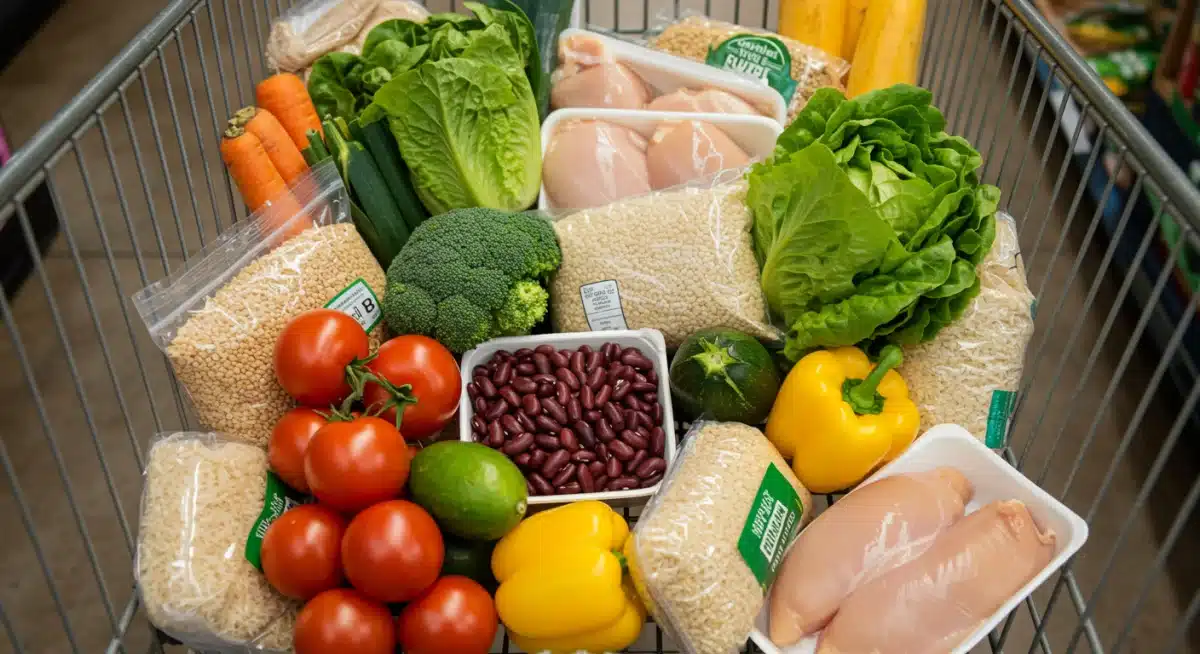
Families can leverage these guidelines to make cost-effective choices. For instance, increased emphasis on plant-based proteins such as lentils, beans, and chickpeas offers a budget-friendly alternative to meat. Buying seasonal produce, purchasing in bulk when appropriate, and reducing food waste are all strategies that align with both healthy eating and financial prudence.
Smart Shopping Strategies
Adopting specific shopping habits can help families adhere to the new guidelines without breaking the bank. This involves being an informed consumer and making conscious choices at the grocery store.
- Meal planning: Creating a weekly meal plan reduces impulsive purchases and food waste.
- Bulk buying: Stocking up on non-perishable staples like grains and legumes can save money.
- Seasonal produce: Purchasing fruits and vegetables in season is often cheaper and fresher.
- Store brands: Opting for generic or store-brand products can significantly cut costs.
By focusing on these strategies, families can not only meet the new dietary recommendations but also discover that healthy eating can be surprisingly economical. It’s about making informed decisions and prioritizing nutrient-rich foods over less healthy, often more expensive, processed options.
Practical Strategies for Family Meal Planning
Adapting family meal planning to align with the 2025 Dietary Guidelines doesn’t have to be overwhelming. With a few practical strategies, families can seamlessly integrate new recommendations into their daily routines, ensuring everyone receives optimal nutrition while enjoying delicious meals.
Start by incorporating more variety into your meals, focusing on a balance of food groups. If the guidelines emphasize plant-based proteins, gradually introduce meatless Mondays or experiment with new legume-based recipes. Small, consistent changes are often more sustainable than drastic overhauls, making the transition smoother for all family members.
Making Healthy Choices Appealing to Kids
Getting children on board with new dietary changes can be challenging, but involving them in the process can make a significant difference. Let them help with meal preparation, choose new vegetables at the grocery store, or even grow their own herbs.
- Involve children: Allow kids to participate in cooking and food selection.
- Creative presentation: Make healthy foods visually appealing and fun.
- Lead by example: Parents modeling healthy eating habits is key.
Another effective strategy is to batch cook. Preparing large quantities of staple ingredients like whole grains, roasted vegetables, or cooked beans at the beginning of the week can significantly reduce daily cooking time. This not only saves effort but also ensures healthy components are readily available for quick meals and snacks.
Long-Term Benefits of Adopting New Dietary Guidelines
Embracing the 2025 Dietary Guidelines offers a multitude of long-term benefits that extend far beyond immediate health improvements. For families, consistent adherence to these recommendations can foster a lifetime of healthier habits, contribute to reduced healthcare costs, and promote a stronger sense of well-being and vitality across generations.
One of the most profound long-term advantages is the establishment of a robust foundation for disease prevention. By consistently choosing nutrient-dense foods and maintaining balanced dietary patterns, families can significantly lower their risk of developing chronic conditions such as heart disease, type 2 diabetes, certain cancers, and obesity. This proactive approach to health can lead to a higher quality of life and greater energy levels for all family members as they age.
Cultivating Healthy Habits for Future Generations
The dietary choices made today have a ripple effect on future generations. When parents and caregivers model healthy eating behaviors, they instill valuable lessons and preferences in their children that can last a lifetime.
- Reduced healthcare burden: Healthier lifestyles often mean fewer doctor visits and less reliance on medication.
- Enhanced cognitive function: Nutrient-rich diets support brain development and function in children and adults.
- Improved mental health: A balanced diet is increasingly linked to better mood regulation and reduced risk of mental health issues.
Furthermore, adopting these guidelines can lead to a deeper appreciation for food—where it comes from, how it’s prepared, and its role in nourishing the body. This holistic understanding can transform meal times into opportunities for connection and learning, reinforcing family bonds while simultaneously promoting long-term health and sustainable living practices.
| Key Point | Brief Description |
|---|---|
| New Recommendations | Emphasis on sustainable diets, reduced ultra-processed foods, and personalized nutrition. |
| Family Health Benefits | Improved nutrition, chronic disease prevention, and better overall well-being for all ages. |
| Budget-Friendly Eating | Strategies like meal planning, bulk buying, and seasonal produce can keep costs down. |
| Long-Term Impact | Cultivating healthy habits for future generations and reducing long-term healthcare costs. |
Frequently Asked Questions About the 2025 Dietary Guidelines
The main goals are to promote health, prevent chronic diseases, and help individuals achieve and maintain a healthy weight. They provide evidence-based advice for all Americans aged two years and older, influencing national nutrition programs and policies.
While shifting to whole foods might seem costly, strategies like meal planning, buying seasonal produce, utilizing plant-based proteins, and shopping store brands can make healthy eating more affordable and efficient in the long run.
Yes, there’s a strong expectation for the guidelines to incorporate environmental sustainability. This could include recommendations for plant-forward diets, reducing food waste, and making more environmentally conscious food choices.
Involve children in meal preparation and grocery shopping, make healthy foods fun and visually appealing, and lead by example. Gradual introductions and positive reinforcement are more effective than strict rules.
Long-term benefits include reduced risk of chronic diseases, improved overall health and vitality, enhanced cognitive function, better mental well-being, and the establishment of healthy habits for future generations within your family.
Conclusion
The 2025 Dietary Guidelines for Americans represent a crucial update in our collective understanding of nutrition and its profound impact on health. For families, these forthcoming recommendations offer a valuable roadmap to fostering healthier eating habits, mitigating the risk of chronic diseases, and even optimizing household budgets. By proactively understanding the anticipated changes, adopting smart shopping strategies, and integrating new approaches to meal planning, families can navigate these guidelines effectively. Embracing these evidence-based recommendations is an investment in the long-term well-being and vitality of every family member, paving the way for a healthier and more sustainable future.