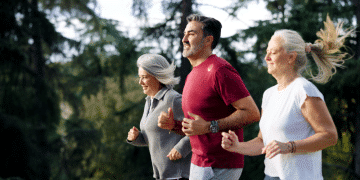
Family Fitness Trends 2025: Integrating Movement into Busy Lives

Integrating movement into busy family schedules is crucial for well-being; the 2025 family fitness trends offer innovative, practical solutions designed to make physical activity accessible and enjoyable for every family member.
As we look towards 2025, the challenge of maintaining a healthy, active lifestyle for the entire household becomes increasingly relevant. With demanding work schedules, school commitments, and a myriad of extracurricular activities, finding time for physical activity can feel like an insurmountable task. However, the emerging family fitness trends 2025 offer creative and practical solutions, transforming exercise from a chore into an integrated, enjoyable part of daily family life.
The Rise of Micro-Workouts and Activity Snacking
One of the most significant shifts in family fitness for 2025 is the widespread adoption of micro-workouts and activity snacking. This approach recognizes that not every family can dedicate an hour or more to a single exercise session. Instead, it advocates for breaking down physical activity into smaller, manageable chunks throughout the day, making fitness less intimidating and more achievable.
For busy families, micro-workouts are a game-changer. These short bursts of activity, lasting anywhere from 5 to 15 minutes, can be easily woven into the fabric of a busy day. Think of it as ‘snacking’ on movement rather than consuming a full ‘meal’ of exercise. This strategy significantly lowers the barrier to entry for families who feel perpetually pressed for time.
Integrating Short Bursts of Movement
- Morning Movers: Start the day with a 10-minute family stretch or a quick dance party before school and work.
- Playground Power-Ups: Turn waiting for school pickups into active time with quick sprints or playground games.
- Commercial Break Calisthenics: During TV time, use commercial breaks for jumping jacks, push-ups, or planks.
- Evening Energizers: A brisk 15-minute walk after dinner can be a great way to unwind and connect.
The beauty of micro-workouts lies in their flexibility. They don’t require special equipment or a dedicated gym. Families can incorporate them at home, in parks, or even during errands. By consistently engaging in these small bouts of activity, families can accumulate significant physical activity throughout the week, contributing to overall health and well-being.
Embracing micro-workouts and activity snacking helps families overcome the ‘all or nothing’ mentality often associated with exercise. It promotes a more sustainable and realistic approach to physical activity, ensuring that movement remains a consistent part of daily life without adding undue stress to already packed schedules.
Gamified Fitness: Making Exercise Fun and Engaging
Gamification is transforming how families perceive and engage with physical activity. In 2025, fitness is no longer just about reps and sets; it’s about challenges, rewards, and interactive experiences that make movement inherently enjoyable for all ages. This trend leverages technology and creative thinking to turn exercise into an adventure.
From interactive video games that require physical participation to fitness trackers that award points for activity, gamified fitness taps into our innate desire for play and competition. It’s particularly effective for children, who are naturally drawn to games, but it also provides a fun incentive for adults to stay active alongside them.
Popular Gamified Fitness Options
Several platforms and devices are spearheading this trend, offering diverse ways to make fitness a game:
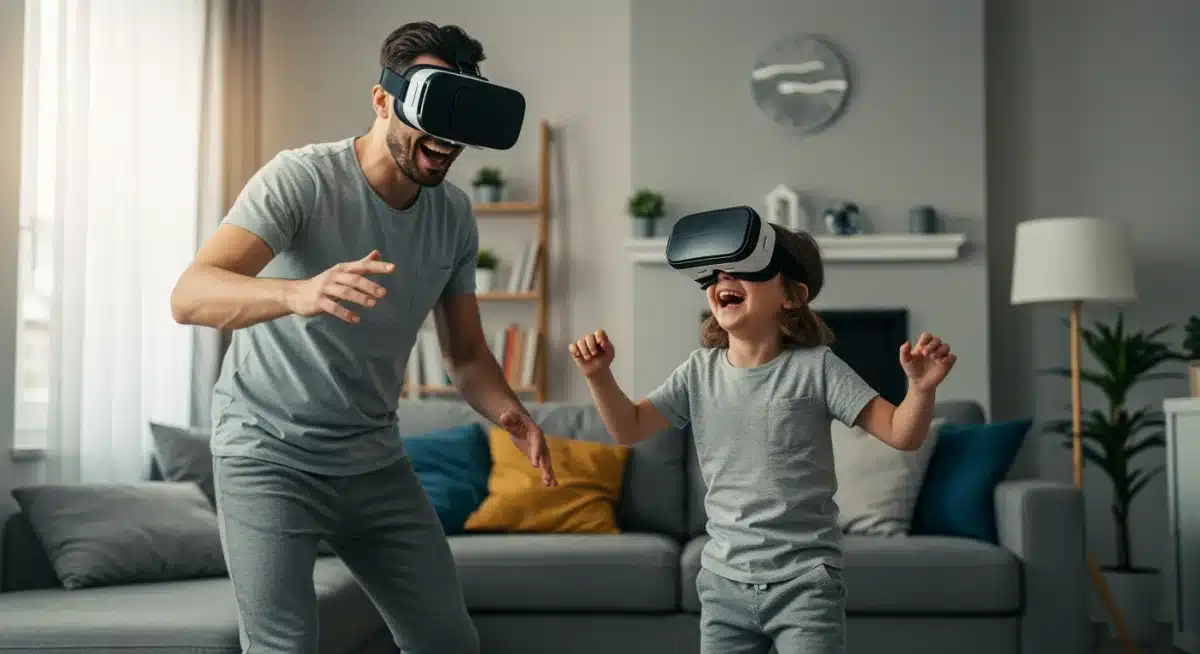
- Virtual Reality (VR) Fitness: Immersive VR games transform workouts into exciting quests, dance-offs, or sports simulations, making exercise feel less like a chore and more like entertainment.
- Interactive Fitness Apps: Many apps now include challenges, leaderboards, and virtual rewards that motivate users to hit their activity goals.
- Exergaming Consoles: Dedicated gaming systems that combine video games with physical activity continue to evolve, offering new and engaging ways to move.
- Outdoor Adventure Games: Geocaching and augmented reality games encourage families to explore their local environment while completing physical challenges.
The appeal of gamified fitness lies in its ability to distract from the perceived effort of exercise, replacing it with a sense of accomplishment and fun. For families, this means less resistance to physical activity and more enthusiastic participation. It fosters a positive association with movement, laying the groundwork for lifelong healthy habits.
By incorporating gamified elements into their fitness routines, families can create a dynamic and motivating environment where everyone is excited to participate. This trend addresses the common challenge of making exercise appealing to all family members, regardless of their initial enthusiasm for traditional workouts.
Outdoor Adventure and Nature-Based Movement
Reconnecting with nature through outdoor adventure is another prominent family fitness trend for 2025. As screen time continues to dominate indoor activities, families are increasingly seeking opportunities to move their bodies in natural environments. This trend emphasizes the physical and mental benefits of being outdoors, offering a refreshing alternative to indoor gyms.
Nature provides an unparalleled setting for diverse physical activities, from hiking and biking to kayaking and climbing. These activities inherently cater to different fitness levels and interests, making them ideal for family participation. Moreover, spending time outdoors has been linked to reduced stress, improved mood, and enhanced cognitive function for both children and adults.
Embracing Nature’s Gym
Integrating outdoor adventure into family life doesn’t require extreme sports or remote locations. Simple activities can be incredibly effective:
- Local Park Exploration: Regular visits to local parks for walks, runs, or playground time.
- Nature Trails and Hikes: Discovering nearby hiking trails for family outings, regardless of length or difficulty.
- Biking Expeditions: Exploring bike paths and trails as a family, enjoying the scenery and fresh air.
- Water Sports: Kayaking, paddleboarding, or swimming in lakes and rivers during warmer months.
This trend encourages families to view their local environment as a vast playground, full of opportunities for movement and exploration. It promotes creativity in finding new ways to be active and fosters an appreciation for the natural world. The varied terrain and sensory experiences of outdoor activities also provide a more holistic workout than repetitive indoor exercises.
By prioritizing outdoor adventure and nature-based movement, families can cultivate a deeper connection with each other and with their surroundings. This approach to fitness not only strengthens bodies but also enriches minds and spirits, making it a truly holistic trend for 2025.
Wearable Technology for Family Health Tracking
Wearable technology continues to evolve, becoming an indispensable tool for family health tracking in 2025. Beyond simply counting steps, modern wearables offer comprehensive insights into activity levels, sleep patterns, heart rate, and even stress, providing families with actionable data to optimize their well-being collectively.
The beauty of family-focused wearable tech lies in its ability to personalize fitness goals while also fostering a sense of shared responsibility for health. Parents can monitor their children’s activity to ensure they meet recommended guidelines, while children can engage with their own data, learning about the importance of movement and rest.
Leveraging Wearables for Family Fitness
Modern wearables offer features that can significantly enhance family fitness efforts:
- Activity Tracking: Monitoring daily steps, active minutes, and calories burned for each family member.
- Sleep Monitoring: Gaining insights into sleep quality and duration, crucial for recovery and overall health.
- Heart Rate Monitoring: Understanding exertion levels during workouts and general daily activity.
- Family Challenges: Many apps associated with wearables allow families to create friendly competitions, setting shared goals and celebrating achievements together.
The data provided by wearables can serve as a powerful motivator. Seeing progress, understanding the impact of activity on sleep, and participating in family challenges can transform abstract health goals into tangible, trackable achievements. It encourages a proactive approach to health, empowering families to make informed decisions about their lifestyle.
While the focus is on data, it’s crucial to use wearables as tools for encouragement and education, not as sources of pressure. The goal is to build healthy habits and foster a positive relationship with physical activity, rather than creating anxiety around numbers. When used thoughtfully, wearable technology becomes a valuable ally in the pursuit of family fitness.
Home-Based Hybrid Workouts and Smart Equipment
The convenience of home-based workouts continues to be a cornerstone of family fitness in 2025, evolving with the integration of smart equipment and hybrid training models. Families are investing in versatile home fitness solutions that allow for effective workouts without the need to leave the house, saving time and simplifying logistics.
Hybrid workouts combine different forms of exercise, such as strength training with cardio or yoga with high-intensity interval training (HIIT), often utilizing smart equipment that provides guided sessions and tracks progress. This approach caters to diverse fitness preferences within a family and maximizes the efficiency of home exercise spaces.
Innovations in Home Fitness
- Smart Fitness Mirrors: These interactive mirrors offer on-demand classes and personalized training, making it easy for multiple family members to find suitable workouts.
- Connected Exercise Machines: Treadmills, bikes, and ellipticals with integrated screens and streaming capabilities provide immersive workout experiences.
- Adjustable Dumbbells and Resistance Bands: Space-saving equipment that offers a wide range of resistance for strength training.
- Online Family Fitness Platforms: Subscriptions offering a variety of classes designed specifically for family participation, from dance to martial arts.
The appeal of home-based hybrid workouts lies in their accessibility and adaptability. Families can fit exercise into their schedules whenever it’s most convenient, eliminating travel time to gyms. Smart equipment enhances the experience by providing expert guidance and tracking, ensuring workouts are effective and engaging for everyone.
This trend empowers families to create a dedicated fitness zone within their homes, turning a spare room or even a corner of the living room into a hub for health. It removes many of the logistical hurdles associated with traditional gym memberships, making consistent physical activity a more realistic and enjoyable endeavor for busy households.
Mindful Movement: Yoga, Pilates, and Stretching for All Ages
Beyond high-intensity activities, 2025 sees a growing emphasis on mindful movement practices like yoga, Pilates, and stretching for families. These disciplines focus on flexibility, balance, strength, and mental well-being, offering a complementary approach to more vigorous forms of exercise. They are particularly beneficial for reducing stress and improving body awareness.
Mindful movement is inclusive, catering to all ages and fitness levels, from toddlers learning basic poses to seniors improving their mobility. It encourages families to slow down, listen to their bodies, and connect with their breath, fostering a sense of calm and presence amidst the hustle and bustle of daily life.
Benefits of Mindful Family Movement
Incorporating practices such as yoga and Pilates into family routines offers numerous advantages:
- Improved Flexibility and Balance: Essential for preventing injuries and enhancing overall physical performance.
- Enhanced Core Strength: Pilates, in particular, focuses on building a strong core, which supports posture and reduces back pain.
- Stress Reduction: The emphasis on breathwork and meditation helps calm the nervous system, reducing anxiety and promoting relaxation.
- Better Body Awareness: Learning to listen to the body’s signals and understand its capabilities.
- Family Bonding: Practicing together creates a shared, peaceful experience that strengthens familial ties.
Many online resources and local studios now offer family-friendly yoga and Pilates classes, making it easier than ever to introduce these practices. Simple stretching routines can also be incorporated into morning or evening rituals, providing a gentle way to start or end the day.
Mindful movement provides a crucial balance to more intense physical activities, ensuring a holistic approach to family fitness. It teaches valuable lessons in self-care, resilience, and inner peace, equipping families with tools to navigate the challenges of modern life with greater ease and grace.
Community-Based Family Fitness Programs
Community-based family fitness programs are experiencing a resurgence in 2025, recognizing the power of social connection and local support in promoting active lifestyles. These programs leverage neighborhood resources to create accessible and affordable opportunities for families to engage in physical activity together, fostering a sense of belonging and shared purpose.
From organized sports leagues for all ages to community center classes and local park events, these initiatives provide structured yet fun ways for families to move. They often address common barriers to fitness, such as cost and lack of motivation, by offering group activities that are both engaging and supportive.
Examples of Community Fitness Initiatives
Local communities are developing diverse programs to encourage family fitness:
- Family Fun Runs/Walks: Organized events that welcome participants of all ages and abilities, often with themed costumes or charitable causes.
- Community Sports Leagues: Recreational leagues for sports like soccer, basketball, or volleyball, with divisions for children, adults, and mixed family teams.
- Park and Recreation Department Programs: Offering a variety of classes, from swimming lessons to outdoor boot camps, often at reduced rates for residents.
- Local Fitness Challenges: Community-wide step challenges or activity goals that encourage friendly competition and group motivation.
The strength of community-based programs lies in their ability to build a supportive network around healthy habits. When families see their neighbors and friends participating, it creates a positive feedback loop that encourages consistent engagement. It also provides opportunities for intergenerational interaction and skill-building.
By participating in these programs, families not only improve their physical health but also strengthen their community ties. This trend highlights the importance of collective effort in fostering healthy environments, reminding us that fitness can be a shared journey rather than an isolated pursuit.
| Key Trend | Brief Description |
|---|---|
| Micro-Workouts | Short, frequent bursts of activity integrated throughout the day for busy schedules. |
| Gamified Fitness | Making exercise fun and interactive through games, VR, and app challenges. |
| Outdoor Adventure | Engaging in physical activities in natural environments like parks and trails. |
| Wearable Tech | Devices tracking activity, sleep, and health metrics for personalized and family goals. |
Frequently Asked Questions About Family Fitness
Micro-workouts are short, intense bursts of physical activity, typically 5-15 minutes long, integrated throughout the day. Your family can start by incorporating quick stretches, dance breaks, or short walks during commercial breaks or before meals. The key is consistency and making movement a natural part of daily routines.
Gamified fitness uses elements like points, rewards, and challenges to make exercise fun and engaging. For children, this means transforming workouts into games, whether through virtual reality fitness, interactive apps, or outdoor adventure games like geocaching. The playful aspect naturally reduces resistance and increases participation.
Yes, mindful movement practices like yoga and stretching are highly beneficial and adaptable for all ages. Children can learn basic poses, improve flexibility, and develop body awareness in a fun, non-competitive environment. These activities also help reduce stress and improve focus for both kids and adults, fostering overall well-being.
Wearable technology in 2025 goes beyond step counting, offering comprehensive tracking of activity, sleep, and heart rate. For families, it serves as a tool for personalized goal setting, friendly competitions, and educational insights into health habits. It encourages proactive health decisions and fosters a shared sense of responsibility for well-being among family members.
Effective home-based hybrid workouts combine various exercise forms using smart equipment and online platforms. Look for fitness mirrors, connected exercise machines, or subscription services offering family-friendly classes. These solutions provide expert guidance, track progress, and offer flexibility to fit diverse schedules, making consistent exercise convenient and engaging at home.
Conclusion
The landscape of family fitness is dynamically evolving, offering more accessible, engaging, and sustainable solutions for busy households in 2025. From the strategic integration of micro-workouts and the playful appeal of gamified fitness to the restorative power of outdoor adventures and mindful movement, families have a wealth of options to cultivate healthier lifestyles. Wearable technology and community programs further empower individuals and groups to stay active, track progress, and build supportive networks. By embracing these innovative trends, families can transform physical activity from a fragmented task into a joyful, integral part of their daily lives, fostering not only physical health but also stronger bonds and a greater sense of well-being for everyone.