Caregiver Technology 2026: Top Tools to Save 5+ Hours Weekly
By 2026, leveraging the right digital tools is essential for caregivers to streamline tasks, manage responsibilities efficiently, and reclaim valuable time, potentially saving over five hours weekly through innovative solutions.
In 2026, the landscape of caregiving is evolving rapidly, with technological advancements offering unprecedented opportunities for support and efficiency. For countless individuals dedicated to caring for family members or dependents, the challenge of balancing responsibilities with personal well-being is constant. This article delves into how caregiver technology 2026 can be a game-changer, exploring the top digital tools designed to streamline tasks and potentially save over five hours weekly, fostering a more sustainable and less stressful caregiving journey.
The evolving landscape of caregiving in 2026
The role of a caregiver has always been demanding, encompassing a wide array of duties from medical management to emotional support. However, as we navigate 2026, the complexities have only increased, driven by an aging population, evolving healthcare demands, and a greater emphasis on in-home care. Caregivers often find themselves overwhelmed, juggling appointments, medication schedules, and personal needs, all while striving to maintain their own health and relationships. The sheer volume of tasks can lead to burnout, stress, and a feeling of isolation, which technology is now actively addressing.
Traditional caregiving methods, while rooted in compassion, often lack the organizational tools necessary for today’s fast-paced world. Manual record-keeping, phone calls for every update, and the constant mental load of remembering every detail can be exhausting. The digital revolution, particularly in the realm of personal health and home management, offers a powerful antidote to these challenges, providing solutions that enhance efficiency without compromising the human touch that is so vital in care. This shift is not about replacing human interaction but about augmenting it, freeing up time for meaningful engagement.
The rise of smart home health systems
By 2026, smart home health systems have become foundational for proactive care. These integrated platforms monitor vital signs, detect falls, and provide medication reminders, all while offering a seamless user experience. They are designed to give caregivers peace of mind, knowing that their loved ones are safe and well-monitored even when they cannot be physically present. These systems leverage AI and machine learning to learn routines and identify anomalies, providing early warnings that can prevent serious incidents.
- Real-time vital sign monitoring: Continuous tracking of heart rate, blood pressure, and oxygen levels.
- Fall detection and alert systems: Sensors that identify falls and automatically notify emergency contacts.
- Medication adherence reminders: Smart dispensers and app notifications ensuring medication is taken on time.
The integration of these systems into daily life marks a significant leap forward, transforming homes into safer, more supportive environments. They empower caregivers with data-driven insights, allowing for more informed decisions and proactive interventions. The goal is to create an ecosystem of care where technology acts as an invisible assistant, always vigilant and ready to help.
In conclusion, the caregiving landscape in 2026 is characterized by both profound challenges and transformative technological opportunities. The integration of smart home health systems and other digital tools is not merely a convenience but a necessity, providing caregivers with the resources to manage their demanding roles more effectively and sustainably, ultimately enhancing the quality of life for both caregivers and care recipients.
Top digital tools for streamlined task management
Managing the daily tasks associated with caregiving can feel like a full-time job in itself. From coordinating appointments to tracking medication and communicating with other family members, the administrative burden can be immense. Fortunately, 2026 brings an array of sophisticated digital tools specifically designed to streamline these processes, offering caregivers invaluable support and significant time savings. These tools move beyond simple calendars, providing comprehensive platforms that centralize information and automate routine actions, allowing caregivers to focus on the human aspect of their role.
The key to effective task management lies in organization and accessibility. Digital tools excel in these areas, providing a single source of truth for all care-related information. This reduces the cognitive load on caregivers, minimizing the chances of missed appointments or forgotten medications. Moreover, these platforms often include features for secure information sharing, ensuring that all members of the care team, including family and healthcare professionals, are always on the same page. This collaborative approach enhances coordination and reduces communication breakdowns, which are common sources of stress.
Care coordination platforms
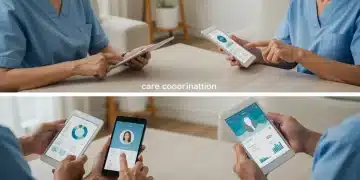
Care coordination platforms are arguably the most impactful digital tools for modern caregivers. These all-in-one solutions serve as a central hub for managing every aspect of care. They allow caregivers to schedule appointments, track medical history, store important documents, and manage communication with doctors, pharmacies, and other family members. The best platforms offer intuitive interfaces and robust security features, making them both user-friendly and reliable for sensitive information.
- Centralized scheduling: Manage all appointments, transportation, and daily activities in one calendar.
- Secure document storage: Keep medical records, insurance information, and legal documents easily accessible.
- Team communication features: Facilitate seamless updates and discussions among family members and healthcare providers.
These platforms are designed to reduce the mental burden of caregiving, consolidating disparate pieces of information into an organized, easily retrievable format. They empower caregivers to create a structured approach to care, ensuring that nothing falls through the cracks. The time saved from manually organizing these tasks can be redirected towards more meaningful interactions with their loved ones or much-needed personal respite.
In essence, digital tools for task management are transforming how caregivers operate. By embracing care coordination platforms and other specialized applications, caregivers can significantly reduce their administrative workload, enhance organizational efficiency, and improve communication across the entire care team. This technological integration is pivotal in achieving a more balanced and sustainable caregiving experience in 2026.
Enhancing communication and collaboration with technology
Effective communication is the bedrock of successful caregiving, especially when multiple family members or professional caregivers are involved. In 2026, technology offers sophisticated solutions that transcend traditional phone calls and scattered text messages, creating integrated communication and collaboration platforms that ensure everyone is informed and aligned. These tools are crucial for minimizing misunderstandings, sharing updates efficiently, and fostering a cohesive care environment, ultimately saving significant time and reducing stress for all involved.
The challenge in caregiving often lies in coordinating information across various stakeholders – family, doctors, therapists, and even friends. Without a centralized system, critical updates can be missed, leading to duplicated efforts or, worse, gaps in care. Digital communication tools address this by providing secure, real-time channels for sharing information, scheduling meetings, and documenting interactions. This transparency builds trust and accountability among all members of the care team, ensuring that the care recipient receives consistent and high-quality support.
Secure messaging and video conferencing for care teams
Dedicated secure messaging and video conferencing tools designed for care teams have become indispensable. These platforms offer end-to-end encryption, protecting sensitive health information while allowing for instant communication. Caregivers can quickly share updates on a loved one’s condition, discuss care plans, or even conduct virtual family meetings with healthcare professionals. This reduces the need for multiple phone calls and emails, streamlining communication significantly.
- Encrypted communication channels: Ensure privacy and compliance with health regulations.
- Group chat functionalities: Facilitate discussions among all relevant parties simultaneously.
- Integrated video calls: Enable virtual consultations with doctors or family check-ins from anywhere.
Beyond simple messaging, many of these platforms integrate with scheduling and task management features, creating a holistic communication ecosystem. This means a caregiver can update a loved one’s status, discuss it with a family member, and adjust their care schedule all within the same application. The efficiency gained from such integration is substantial, freeing up valuable time that would otherwise be spent on fragmented communication efforts.
In conclusion, technology’s role in enhancing communication and collaboration for caregivers in 2026 is transformative. By utilizing secure messaging and video conferencing tools, care teams can achieve unprecedented levels of coordination and transparency. This not only streamlines the caregiving process but also strengthens the support network around the care recipient, leading to better outcomes and reduced caregiver burden.
Leveraging remote monitoring and smart devices
Remote monitoring and smart devices have revolutionized the ability of caregivers to provide continuous, yet unobtrusive, oversight of their loved ones. In 2026, these technologies go far beyond simple emergency buttons, offering sophisticated insights into daily activities, health metrics, and overall well-being. This allows caregivers to maintain a watchful eye from a distance, intervening only when necessary, which is crucial for promoting independence for the care recipient while ensuring their safety. The peace of mind these devices offer to caregivers is immeasurable, significantly reducing anxiety and the constant need for physical presence.
The advent of miniaturized sensors, advanced AI algorithms, and seamless internet connectivity has made remote monitoring more effective and less invasive than ever before. These devices collect data on various parameters, from sleep patterns and activity levels to medication adherence and environmental conditions within the home. This data is then analyzed and presented to caregivers through user-friendly dashboards, often with alerts for any deviations from established norms. This proactive approach helps caregivers identify potential issues before they escalate, enabling timely interventions and preventing emergencies.
Wearable health trackers and smart home sensors
Wearable health trackers, such as smartwatches and specialized patches, continuously monitor vital signs, activity levels, and sleep quality. This data gives caregivers a comprehensive overview of a loved one’s health trends, allowing them to detect subtle changes that might indicate a problem. Complementing these are smart home sensors that can detect falls, monitor entry and exit from the home, and even track appliance usage, providing insights into daily routines without invading privacy.
- Continuous vital sign tracking: Monitor heart rate, blood pressure, and activity levels throughout the day.
- Automatic fall detection: Immediate alerts to caregivers in case of a fall.
- Activity pattern analysis: Identify significant changes in routine that may signal distress or illness.
The beauty of these technologies lies in their ability to provide a safety net without restricting the care recipient’s autonomy. They offer a layer of security that allows individuals to age in place or maintain their independence for longer, knowing that help is readily available if needed. For caregivers, this translates into fewer urgent calls, less frequent physical checks, and a greater ability to manage their own schedules, ultimately saving hours each week.
In summary, remote monitoring and smart devices are indispensable tools for caregivers in 2026. By providing continuous, discreet oversight and actionable data, these technologies enhance safety, promote independence, and empower caregivers to manage their responsibilities more efficiently, contributing to significant time savings and reduced stress.
Digital solutions for medication management
Medication management is one of the most critical and often complex aspects of caregiving. Ensuring that the right medication is taken at the right time, in the correct dosage, can be a daunting task, especially for individuals with multiple prescriptions or cognitive impairments. In 2026, digital solutions have advanced significantly to simplify this process, dramatically reducing the risk of errors and alleviating a major source of stress for caregivers. These tools leverage smart technology to provide reminders, automate dispensing, and track adherence, ensuring consistency and safety.
The consequences of medication errors can be severe, ranging from adverse reactions to hospitalization. Traditional methods, such as pill organizers, while helpful, still rely heavily on the caregiver’s or care recipient’s memory and diligence. Digital medication management systems, on the other hand, offer a robust and automated approach, removing much of the human error potential. They provide a layer of security and precision that is difficult to achieve manually, giving caregivers confidence in their loved one’s medication regimen.
Smart pill dispensers and medication tracking apps
Smart pill dispensers are at the forefront of digital medication management. These devices can be programmed to dispense specific medications at precise times, often accompanied by visual and auditory alerts. Some even connect to a caregiver’s smartphone, sending notifications when a dose is taken or missed. Alongside these, dedicated medication tracking apps allow caregivers to log all medications, dosages, schedules, and refill dates, providing a comprehensive record that can be easily shared with healthcare providers.
- Automated dispensing: Programmed delivery of pills at scheduled times.
- Real-time adherence monitoring: Alerts sent to caregivers if a dose is missed.
- Comprehensive medication logs: Digital records of all prescriptions, dosages, and schedules.
These tools not only ensure adherence but also provide valuable data for healthcare professionals to review and adjust treatment plans effectively. The ability to track medication history and adherence patterns can lead to better health outcomes and more personalized care. For caregivers, the time saved from constantly reminding, organizing, and double-checking medications is substantial, allowing them to allocate their energy to other important aspects of care.
In conclusion, digital solutions for medication management are indispensable for caregivers in 2026. Smart pill dispensers and tracking apps significantly enhance safety, improve adherence, and simplify a complex aspect of caregiving. This technological support reduces the burden on caregivers, allowing them to manage medication regimens with greater ease and confidence, ultimately saving valuable time and preventing potential errors.
Virtual reality and gamification for engagement and cognitive health
Beyond the practical aspects of task management and monitoring, technology in 2026 is also playing a crucial role in enhancing the quality of life for care recipients, particularly in terms of engagement and cognitive health. Virtual reality (VR) and gamification are emerging as powerful tools to provide stimulating experiences, reduce social isolation, and even slow cognitive decline. These innovative approaches offer a refreshing break from routine, transforming passive entertainment into active, beneficial engagement, which in turn offers caregivers periods of respite and a more engaged loved one.
Cognitive stimulation and social interaction are vital for maintaining mental well-being, especially for older adults or those with specific health conditions. However, opportunities for these can be limited due to mobility issues, geographical distance, or lack of accessible activities. VR and gamified applications bridge this gap by bringing diverse experiences directly into the home, tailored to individual interests and cognitive abilities. This not only benefits the care recipient but also indirectly supports the caregiver by making their role more rewarding and providing constructive outlets for their loved one’s energy.
Immersive VR experiences and brain-training games
Immersive VR experiences can transport care recipients to different parts of the world, allow them to revisit cherished memories, or engage in calming nature scenes, all from the comfort of their home. These experiences are carefully designed to be safe and accessible, often requiring minimal physical interaction. Alongside VR, brain-training games and cognitive apps use gamification principles to make mental exercises enjoyable and effective. These games are designed to improve memory, problem-solving skills, and attention span, often adapting difficulty levels to the user’s progress.
- Personalized virtual travel: Explore new places or revisit old favorites through VR.
- Cognitive stimulation games: Engaging activities designed to improve memory and focus.
- Social VR platforms: Connect with others in virtual spaces, combating loneliness.
The therapeutic potential of these technologies is significant. By providing engaging and mentally stimulating activities, VR and gamification can improve mood, reduce agitation, and foster a sense of purpose. For caregivers, this means a more contented and cooperative care recipient, leading to less behavioral challenges and more harmonious interactions. The time dedicated to setting up these activities is often minimal compared to the benefits gained, including precious moments of quiet for the caregiver.
In conclusion, virtual reality and gamification are pioneering new avenues for engagement and cognitive health in caregiving in 2026. These digital tools offer enriching experiences that stimulate the mind and spirit, contributing to the overall well-being of care recipients. By leveraging these innovative solutions, caregivers can provide a higher quality of life, reduce stress, and potentially reclaim valuable time through enhanced engagement.
The future of AI and predictive analytics in caregiving
As we look towards the immediate future of caregiving in 2026 and beyond, artificial intelligence (AI) and predictive analytics are poised to revolutionize how care is delivered and managed. These advanced technologies move beyond reactive support, offering proactive insights and personalized recommendations that can anticipate needs and prevent potential crises. The integration of AI means that caregiving is becoming smarter, more intuitive, and significantly more efficient, promising even greater time savings and improved outcomes for both caregivers and care recipients.
The sheer volume of data generated by various digital health tools – from wearable sensors to medication logs – presents an immense opportunity for AI. By analyzing these complex datasets, AI algorithms can identify patterns, detect subtle changes in behavior or health metrics, and even predict the likelihood of certain events, such as falls or medication non-adherence. This capability transforms caregiving from a responsive role to a predictive one, allowing caregivers to intervene before problems escalate, thereby reducing stress and improving the overall quality of care.
AI-powered care planning and personalized insights
AI-powered platforms are emerging that can assist caregivers in developing highly personalized care plans. These systems analyze a care recipient’s health data, preferences, and daily routines to suggest optimal activities, dietary recommendations, and even social engagements. Predictive analytics can alert caregivers to potential health risks based on observed trends, enabling them to consult with healthcare professionals proactively. This level of personalized insight ensures that care is not just managed, but optimized for individual needs and circumstances.
- Proactive risk assessment: AI identifies potential health issues or risks based on data analysis.
- Personalized care recommendations: Tailored suggestions for activities, nutrition, and social interaction.
- Automated administrative support: AI-driven scheduling and reminder systems that learn and adapt.
The ultimate benefit of AI and predictive analytics is the ability to free up caregivers from constant vigilance and administrative burdens. By automating routine tasks and providing intelligent insights, these technologies empower caregivers to spend more quality time with their loved ones, knowing that an intelligent system is continuously working in the background to support their efforts. The time saved from manual data analysis and reactive problem-solving can easily amount to several hours each week, allowing for greater balance and well-being.
In conclusion, AI and predictive analytics represent the cutting edge of caregiver technology in 2026. These tools offer unprecedented capabilities for personalized care planning, proactive risk management, and intelligent administrative support. By embracing these advancements, caregivers can deliver more effective, efficient, and compassionate care, significantly enhancing their own lives and those of their loved ones.
Selecting the right technology for your caregiving journey
Navigating the vast array of available digital tools can be daunting, and choosing the right technology is crucial for optimizing your caregiving journey in 2026. Not every tool will be suitable for every situation, and a thoughtful approach to selection can ensure that the technology genuinely supports your needs and those of your loved one, rather than adding another layer of complexity. The goal is to find solutions that seamlessly integrate into your existing routines, offering tangible benefits without a steep learning curve. Careful consideration of specific needs, budget, and user-friendliness will lead to the most effective technological integration.
The best digital tools are those that address specific pain points in your caregiving routine. Before investing in any technology, it’s essential to assess what aspects of caregiving cause the most stress or consume the most time. Is it medication management, communication with family, or simply keeping track of appointments? Identifying these key areas will help narrow down the options and focus on solutions that offer the most impactful relief. It’s also important to involve the care recipient in the decision-making process whenever possible, ensuring that the chosen tools are comfortable and acceptable to them.
Key considerations for technology adoption
When selecting technology for caregiver support, several factors should guide your decision. Compatibility with existing devices and systems is important, as is the ease of setup and ongoing maintenance. Security and privacy are paramount, especially when dealing with sensitive health information. Furthermore, consider the level of customer support offered by the provider, as technical issues can arise. Finally, look for scalable solutions that can adapt as your caregiving needs evolve over time, ensuring long-term utility.
- User-friendliness: Choose intuitive interfaces that are easy for both caregivers and care recipients to use.
- Security and privacy: Ensure robust data protection and compliance with health regulations.
- Cost-effectiveness: Balance features with budget, considering both upfront and subscription fees.
- Scalability: Select solutions that can grow and adapt to changing care needs.
Pilot testing new technologies can be a valuable step. Many apps offer free trials, and some smart devices have return policies that allow for experimentation. This hands-on experience can help determine if a tool truly fits your needs before making a full commitment. Seeking recommendations from other caregivers or healthcare professionals can also provide valuable insights and help identify reputable and effective solutions.
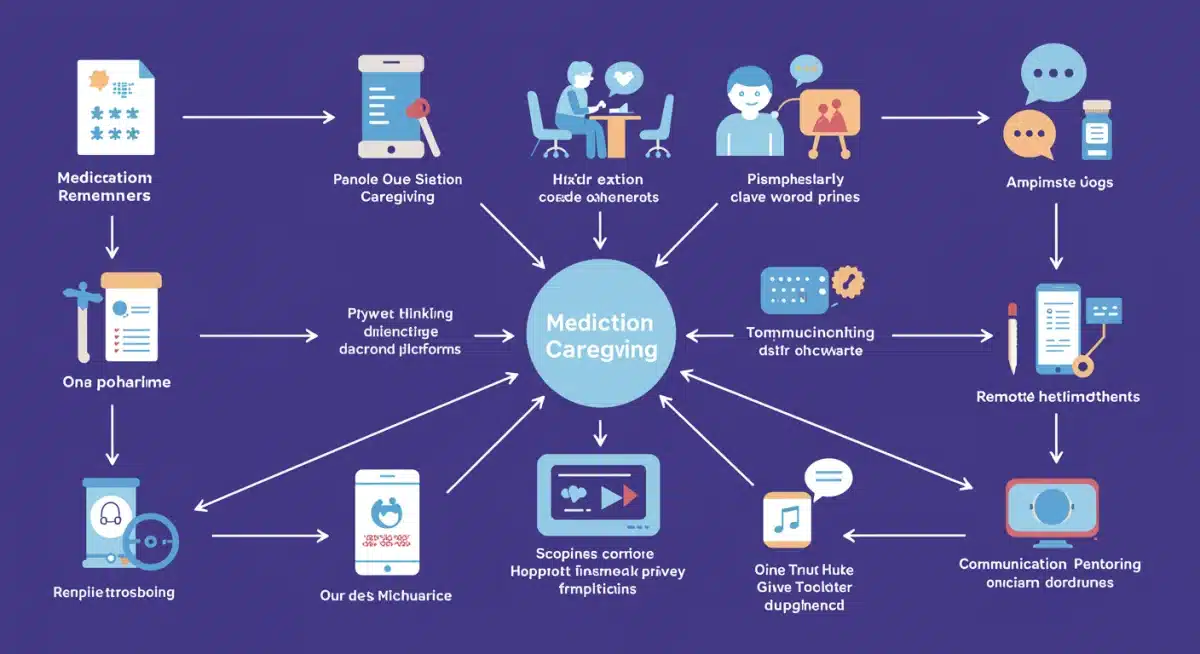
Ultimately, selecting the right technology for your caregiving journey in 2026 is about empowering yourself and enhancing the well-being of your loved one. By carefully evaluating options based on functionality, ease of use, security, and support, caregivers can confidently integrate digital tools that truly streamline tasks, save valuable time, and foster a more sustainable and less stressful caregiving experience.
| Key Digital Tool | Primary Benefit for Caregivers |
|---|---|
| Care Coordination Platforms | Centralizes scheduling, communication, and document storage, reducing administrative burden. |
| Remote Monitoring Devices | Provides continuous oversight and alerts, enhancing safety and caregiver peace of mind. |
| Smart Medication Dispensers | Automates medication schedules and tracking, minimizing errors and constant reminders. |
| AI and Predictive Analytics | Offers proactive insights and personalized care plans, anticipating needs and preventing issues. |
Frequently asked questions about caregiver technology in 2026
The primary benefits include significant time savings, reduced stress, improved communication among care teams, enhanced safety for care recipients through remote monitoring, and better organization of medical and administrative tasks. Technology helps prevent burnout and allows for more quality time with loved ones.
Studies and user feedback suggest that caregivers can save upwards of 5 hours weekly by effectively integrating digital tools. This time is saved through automation of tasks like medication reminders, streamlined communication, efficient scheduling, and reduced need for constant physical presence due to remote monitoring.
Many modern caregiver technologies are designed with user-friendliness in mind, featuring intuitive interfaces and simplified setup processes. Providers often offer comprehensive support and tutorials. It’s recommended to choose tools with good customer service and to involve the care recipient in the selection process to ensure comfort and ease of use.
Privacy concerns primarily revolve around data security and the ethical implications of constant monitoring. It’s crucial to select tools from reputable providers that offer robust encryption, adhere to privacy regulations like HIPAA, and clearly outline their data usage policies. Open communication with the care recipient about monitoring is also essential.
Absolutely not. Digital tools are designed to augment and support human caregiving, not replace it. They automate routine tasks, provide valuable insights, and enhance efficiency, thereby freeing up caregivers to focus more on the emotional, social, and personal aspects of care that only human interaction can provide.
Conclusion
The journey of caregiving is profoundly challenging, yet in 2026, technology stands as a powerful ally, offering innovative solutions that transcend traditional limitations. As explored throughout this article, leveraging digital tools for caregiver support is no longer a luxury but a necessity for enhancing efficiency, reducing stress, and improving the overall quality of care. From sophisticated care coordination platforms and remote monitoring devices to smart medication management systems and engaging virtual reality experiences, these advancements are reshaping the caregiving landscape.
The integration of AI and predictive analytics further promises a future where care is not just responsive but proactively tailored, anticipating needs and preventing crises. By carefully selecting and adopting these top digital tools, caregivers can significantly streamline their tasks, reclaim valuable hours each week, and foster a more balanced and sustainable caregiving journey. Ultimately, technology empowers caregivers to provide compassionate, high-quality care while safeguarding their own well-being, ensuring a brighter future for both caregivers and their loved ones.