Family Wellness 2026: 15-Minute Daily Exercise Benefits
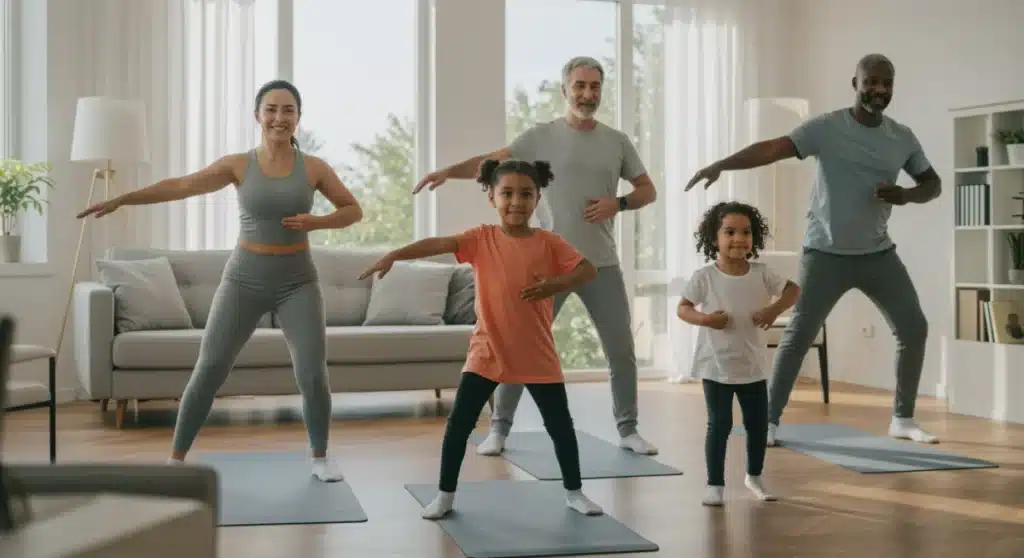
Implementing a 15-minute daily exercise routine is a cornerstone for optimizing family wellness in 2026, delivering noticeable and sustainable health benefits across all age groups and fostering a culture of active living.
In an increasingly fast-paced world, finding time for health can feel like a luxury. However, in 2026, we’re recognizing that even a small commitment can yield monumental results, especially when it comes to Optimizing Family Wellness in 2026: Implementing a 15-Minute Daily Exercise Routine for Noticeable Health Benefits. This article explores how this simple, consistent effort can transform your family’s health and well-being.
The 2026 Landscape of Family Health
The year 2026 presents unique challenges and opportunities for family health. With advancements in technology and a greater understanding of holistic well-being, the focus has shifted from reactive treatment to proactive prevention. Families are seeking sustainable, accessible ways to integrate healthy habits into their busy schedules, moving beyond traditional, time-consuming gym routines.
Sedentary lifestyles, often fueled by digital engagement, continue to be a concern. However, there’s a growing awareness of the importance of physical activity for both mental and physical health across all generations. This shift underscores the need for practical, achievable solutions that resonate with modern family dynamics.
Understanding the Modern Family’s Health Needs
- Time Constraints: Parents and children often face packed schedules, making long workouts impractical.
- Mental Well-being: Stress and anxiety are prevalent, and physical activity is a proven stress reducer.
- Digital Overload: Excessive screen time necessitates intentional movement to counteract its effects.
- Generational Gaps: Finding activities that engage toddlers, teenagers, and adults alike can be challenging.
The goal is to cultivate a health-conscious environment at home, where movement is not a chore but a natural, enjoyable part of daily life. This section highlights the evolving context within which families are striving for better health outcomes, setting the stage for the practical solutions discussed later.
The Power of 15 Minutes: Why It Works
Fifteen minutes might seem insignificant, but its cumulative effect on health is profound. This short, accessible duration makes exercise less daunting and more sustainable for busy families. It’s not about intense, exhaustive workouts, but about consistent, moderate activity that keeps the body moving and the mind engaged.
The beauty of a 15-minute routine lies in its flexibility. It can be broken up throughout the day, integrated into existing activities, or performed as a dedicated block. This adaptability is crucial for families with varying schedules and energy levels, ensuring that everyone can participate without feeling overwhelmed.
Physiological and Psychological Benefits
- Improved Cardiovascular Health: Even short bursts of activity strengthen the heart and improve circulation.
- Enhanced Mood and Reduced Stress: Exercise releases endorphins, acting as natural mood boosters and stress relievers.
- Better Sleep Quality: Regular physical activity contributes to more restful and restorative sleep.
- Increased Energy Levels: Counterintuitively, moving more leads to feeling more energized throughout the day.
Beyond the individual benefits, a shared 15-minute routine fosters connection and creates positive family memories. It’s a small investment with a massive return, proving that significant health improvements don’t always require significant time commitments. The key is consistency and making it a non-negotiable part of the daily rhythm.
Crafting Your Family’s 15-Minute Exercise Plan
Designing a family-friendly 15-minute exercise plan doesn’t have to be complicated. The best routines are those that are enjoyable, adaptable, and inclusive of all ages and fitness levels. The goal is to move, laugh, and connect, making physical activity a positive shared experience rather than a solo endeavor.
Start by identifying activities that genuinely appeal to your family. This could range from dancing to a favorite playlist, playing active games in the backyard, or following a short online fitness video. The key is variety and engagement, ensuring that boredom doesn’t derail your efforts.
Activity Ideas for All Ages
- Dance Party: Put on upbeat music and let loose for 15 minutes.
- Family Walk/Jog: A brisk walk around the block or a quick jog in a local park.
- Active Games: Tag, hide-and-seek, or a quick game of catch.
- Bodyweight Circuits: Simple exercises like jumping jacks, squats, planks, and stretches.
- Yoga or Stretching: Follow a beginner-friendly yoga video for flexibility and mindfulness.
Remember to keep it light and fun. The objective is not to achieve peak athletic performance, but to instill a habit of daily movement. By involving everyone in the planning process, you increase buy-in and make it a shared responsibility, strengthening family bonds while improving health.
Integrating Exercise into Daily Family Life
The biggest hurdle to consistent exercise is often finding the time and motivation. However, by seamlessly weaving a 15-minute routine into the fabric of your day, it becomes less of an obligation and more of an automatic habit. Think creatively about how and when these short bursts of activity can naturally fit into your family’s existing schedule.
Consider linking your exercise routine to an existing daily event, such as before breakfast, after dinner, or during a commercial break of a favorite show. This technique, known as ‘habit stacking,’ makes it easier to remember and commit to the activity without relying solely on willpower.
Practical Integration Strategies
- Morning Movement: Start the day with a quick stretch or a few minutes of jumping jacks before school or work.
- After-School Activity: Encourage active play or a short family game before settling down for homework.
- Pre-Dinner Prep: While dinner is cooking, engage in a quick dance-off or a series of squats.
- Weekend Adventures: Use weekends to explore new parks, go for bike rides, or try a new active hobby.
Consistency is more important than intensity in the beginning. Celebrate small victories and acknowledge effort, reinforcing the positive association with physical activity. By making exercise a natural part of daily life, you are laying the groundwork for lifelong healthy habits for your entire family.
Overcoming Common Obstacles and Staying Motivated
Even with the best intentions, maintaining a consistent exercise routine can be challenging. Life happens, and unexpected events can easily disrupt established habits. The key to long-term success lies in anticipating these obstacles and developing strategies to overcome them, ensuring that your family’s 15-minute daily exercise remains a priority.
One common pitfall is the ‘all or nothing’ mentality. If you miss a day, don’t let it derail your entire effort. Simply get back on track the next day. Flexibility and self-compassion are crucial for sustained motivation. Remember, progress is not linear, and every effort counts.
Strategies for Sustained Engagement
- Set Realistic Goals: Start small and gradually increase intensity or duration as fitness improves.
- Vary Activities: Keep things interesting by introducing new exercises or games regularly.
- Track Progress: Use a simple chart or app to monitor consistency and celebrate milestones.
- Reward System: Implement non-food rewards for consistent effort, like a family movie night or an outdoor adventure.
- Lead by Example: Children are more likely to be active if they see their parents and guardians participating.
Communication within the family is also vital. Discuss what works and what doesn’t, adapting the routine to meet everyone’s needs and preferences. By fostering an environment of mutual support and understanding, you create a resilient fitness culture that can withstand life’s inevitable challenges.
Long-Term Benefits for Family Wellness in 2026 and Beyond

The noticeable health benefits of a consistent 15-minute daily exercise routine extend far beyond immediate physical improvements. This small daily commitment lays the foundation for holistic family wellness that can positively impact every aspect of life in 2026 and for years to come. It’s an investment in a healthier, happier, and more resilient family unit.
From stronger immune systems to improved cognitive function and enhanced emotional regulation, the ripple effects of regular physical activity are extensive. Children who are regularly active tend to perform better academically, have better social skills, and exhibit higher self-esteem. Adults benefit from reduced risk of chronic diseases and improved mental clarity.
Holistic Wellness Outcomes
- Reduced Risk of Chronic Diseases: Lower incidence of heart disease, diabetes, and certain cancers.
- Enhanced Cognitive Function: Improved concentration, memory, and problem-solving skills for all ages.
- Stronger Family Bonds: Shared active experiences create lasting memories and foster teamwork.
- Positive Body Image: Encourages a healthy relationship with one’s body and its capabilities.
- Lifelong Healthy Habits: Instills an appreciation for movement that can last a lifetime.
Ultimately, Optimizing Family Wellness in 2026: Implementing a 15-Minute Daily Exercise Routine for Noticeable Health Benefits is about creating a legacy of health. It’s about teaching children the importance of self-care and demonstrating that well-being is an ongoing journey, not a destination. This consistent effort builds a robust foundation for a thriving family, equipped to navigate the future with vitality and joy.
| Key Point | Brief Description |
|---|---|
| 15-Minute Impact | Small daily exercise yields significant, cumulative health benefits for the entire family. |
| Holistic Benefits | Improves physical health, mental well-being, sleep, and family bonding. |
| Easy Integration | Simple to weave into daily routines, making consistency more achievable for busy households. |
| Sustained Motivation | Overcome obstacles by varying activities, tracking progress, and celebrating small wins. |
Frequently Asked Questions About Family Exercise
Effective 15-minute exercises for diverse age groups include family dance parties, brisk walks or jogs, active games like tag, and simple bodyweight circuits with squats, planks, and stretches. The key is to choose activities everyone can enjoy and adapt to their fitness level, promoting engagement and consistency.
To make exercise fun for children, turn it into a game or challenge, involve them in choosing activities, use music, and incorporate elements of play. Avoid framing it as a chore; instead, emphasize the joy of movement and shared family time to foster a positive association with physical activity.
Yes, 15 minutes of daily exercise is sufficient to see noticeable health benefits, especially when done consistently. It improves cardiovascular health, boosts mood, enhances sleep quality, and contributes to overall well-being. The cumulative effect of regular, short bursts of activity is significant for long-term health.
If your family misses a day, don’t be discouraged. The most important thing is to get back on track the next day. Consistency over perfection is key. Life happens, and flexibility is crucial for maintaining a sustainable routine. Simply resume your activities without guilt or excessive self-criticism.
In 2026, technology offers numerous tools to support family exercise. Smart home fitness mirrors, AI-powered personal trainers, interactive gaming consoles with active games, and family-friendly fitness apps can provide guided workouts, track progress, and make exercise more engaging for everyone, enhancing motivation and fun.
Conclusion
In conclusion, the vision for Optimizing Family Wellness in 2026: Implementing a 15-Minute Daily Exercise Routine for Noticeable Health Benefits is not a far-fetched ideal, but an entirely achievable reality. By committing to just a quarter of an hour each day, families can unlock a cascade of physical, mental, and emotional advantages that strengthen bonds and foster a culture of health. This consistent, adaptable approach to movement proves that significant wellness transformations don’t require monumental time commitments, only a dedicated and joyful effort. Embrace this simple yet powerful strategy to build a foundation for a healthier, happier family life, today and for many years to come.