Healthy Home Environment 2026: 5 Steps for US Families to Reduce Toxins
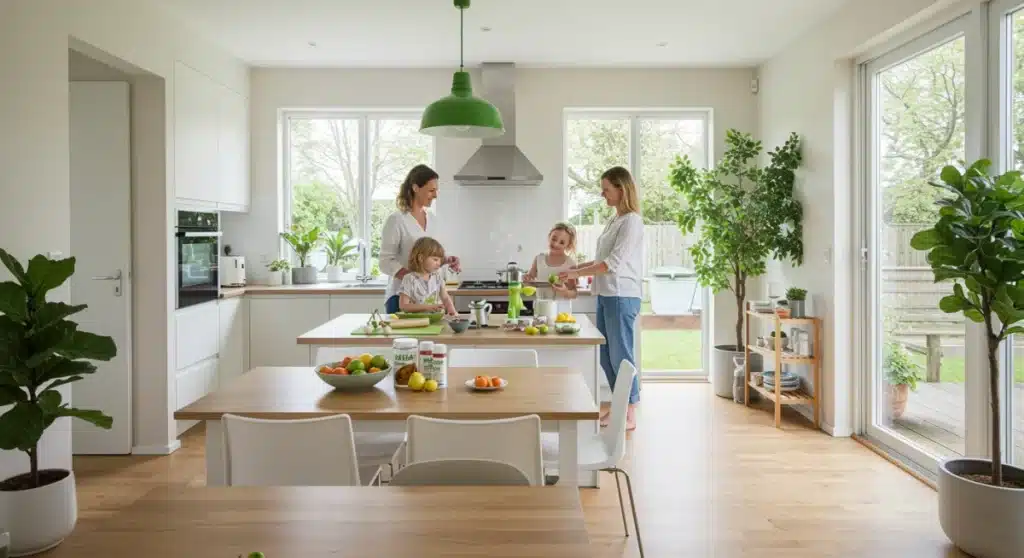
Creating a Healthy Home Environment in 2026: 5 Key Steps for US Families to Reduce Toxins
In an increasingly complex world, the sanctity and safety of our homes remain paramount. For US families, creating a truly healthy home environment in 2026 is no longer just about cleanliness; it’s about proactively reducing toxins and fostering a space that supports physical and mental well-being. The choices we make, from the air we breathe to the products we use, have a profound impact on our health, especially for children whose developing systems are more vulnerable to environmental contaminants. This comprehensive guide will walk you through five essential steps to transform your home into a sanctuary free from harmful substances.
The concept of a healthy home environment has evolved significantly. What was once considered ‘clean’ or ‘safe’ might now be viewed with caution as scientific understanding of chemical exposure and its long-term effects grows. Families are increasingly seeking ways to minimize their exposure to plastics, pesticides, volatile organic compounds (VOCs), and other ubiquitous toxins found in everyday items. This proactive approach is not about fear, but about empowerment – taking control of your living space to ensure the best possible health outcomes for everyone under your roof.
Understanding the pervasive nature of these toxins is the first step. They lurk in common household products, building materials, furniture, and even our food and water. But fear not, for even small, consistent changes can lead to significant improvements in your healthy home environment. This article aims to demystify the process, providing actionable, practical advice that US families can implement starting today. By focusing on these five key areas, you’ll be well on your way to a cleaner, safer, and ultimately healthier home.
Step 1: Improve Indoor Air Quality – Breathe Easier, Live Healthier
The air inside our homes can often be more polluted than the air outside, a surprising fact for many. Sources of indoor air pollution include cleaning products, building materials, furniture, mold, pet dander, and even cooking. Poor indoor air quality can lead to a host of health issues, from allergies and asthma to more serious long-term conditions. Creating a healthy home environment starts with clean air.
Ventilation is Key
One of the simplest yet most effective ways to improve indoor air quality is through regular ventilation. Open windows and doors for at least 10-15 minutes daily, even in colder weather, to allow fresh air to circulate and flush out pollutants. Use exhaust fans in bathrooms and kitchens to remove moisture and cooking fumes, which can contribute to mold growth and airborne particles. If you’re undertaking a renovation, consider controlled ventilation systems like Heat Recovery Ventilators (HRVs) or Energy Recovery Ventilators (ERVs) to bring in fresh air while minimizing energy loss.
Choose Low-VOC Products
Volatile Organic Compounds (VOCs) are gases emitted from certain solids or liquids and can have short- and long-term adverse health effects. They are commonly found in paints, varnishes, sealants, adhesives, flooring, and furniture. When shopping for these items, look for labels indicating ‘low-VOC’ or ‘zero-VOC.’ While these terms aren’t perfectly standardized, they signify a conscious effort by manufacturers to reduce harmful emissions. For furniture, prioritize solid wood over pressed wood products (like particleboard or MDF) which can off-gas formaldehyde. If you must use products with VOCs, ensure adequate ventilation during and after application.
Air Purifiers and Filtration Systems
Consider investing in a high-efficiency particulate air (HEPA) filter air purifier for your home, especially in bedrooms or living areas where you spend a lot of time. HEPA filters are excellent at capturing airborne particles like dust, pollen, pet dander, and mold spores. Some advanced purifiers also include activated carbon filters to remove gases and odors. For a whole-house solution, upgrading your HVAC system’s air filter to a MERV (Minimum Efficiency Reporting Value) 11 or higher can significantly improve overall air quality, contributing to a truly healthy home environment.
Embrace Houseplants
Beyond their aesthetic appeal, certain houseplants can act as natural air purifiers. Plants like the snake plant, spider plant, peace lily, and aloe vera are known for their ability to absorb common indoor air toxins. While they won’t replace mechanical filtration, they can certainly contribute to a fresher and more vibrant living space. Ensure you don’t overwater them to prevent mold growth in the soil.
By implementing these strategies, you’ll be actively working towards a healthy home environment where the air you breathe is cleaner and safer for your entire family.
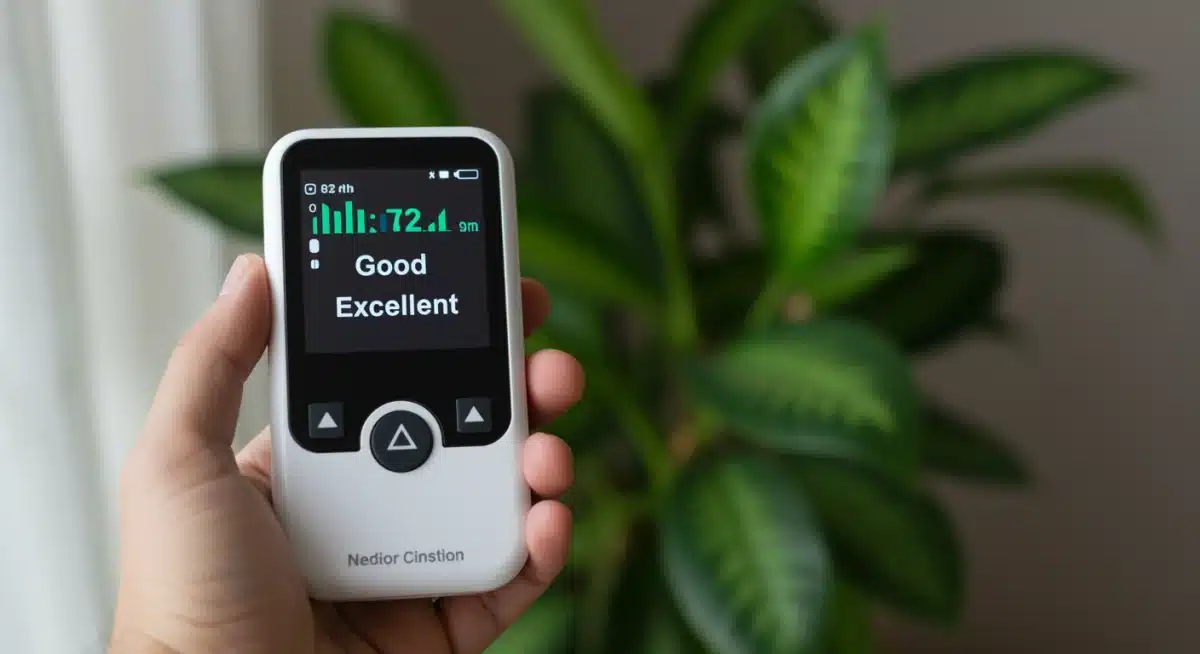
Step 2: Filter Your Water – Purity from the Tap
Water is essential for life, but the quality of tap water can vary significantly depending on your location and the municipal treatment processes. While tap water in the US is generally safe, it can still contain contaminants like chlorine, chloramines, heavy metals (lead, copper), pesticides, pharmaceuticals, and microplastics. Ensuring access to clean, filtered water is a critical component of a healthy home environment.
Understand Your Water Quality
The first step is to understand what’s in your water. Your local water utility is required to provide an annual Consumer Confidence Report (CCR) that details the source of your water and the levels of detected contaminants. You can usually find this report on their website. For a more personalized assessment, consider having your water tested by a certified lab, especially if you have an older home (lead pipes were common before 1986) or rely on a private well.
Choose the Right Filtration System
Once you know what you’re dealing with, you can select the appropriate filtration system:
- Pitcher Filters: Affordable and convenient for small volumes, these typically use activated carbon to remove chlorine, taste, and odor.
- Faucet-Mounted Filters: Easy to install and provide filtered water on demand directly from your tap.
- Under-Sink Filters: Offer more robust filtration than pitcher or faucet filters, often incorporating multiple stages to remove a wider range of contaminants. They are plumbed directly into your cold water line.
- Whole-House Filters: Installed at the main water line entry point, these systems filter all water entering your home, protecting not just drinking water but also water used for bathing and showering (reducing exposure to chlorine absorption and inhalation). This is the most comprehensive solution for a truly healthy home environment.
- Reverse Osmosis (RO) Systems: Highly effective at removing a very broad spectrum of contaminants, including dissolved solids, heavy metals, and pharmaceuticals. Often used as an under-sink system for drinking and cooking water.
Shower Filters
Don’t forget the shower! Chlorine and chloramines in shower water can be inhaled as steam and absorbed through the skin, potentially irritating the respiratory system and drying out skin and hair. A simple shower filter can significantly reduce this exposure, contributing to a more holistic healthy home environment.
Regularly replace filter cartridges as recommended by the manufacturer to ensure optimal performance. Neglecting filter replacement can lead to reduced efficacy and, in some cases, even release accumulated contaminants back into your water. Prioritizing water quality is a fundamental pillar of a healthy home.
Step 3: Detoxify Cleaning Products – Clean Without Chemicals
Many conventional cleaning products contain harsh chemicals that can irritate skin, eyes, and respiratory systems, and contribute to indoor air pollution. Phthalates, ammonia, bleach, and synthetic fragrances are common culprits. Shifting to non-toxic cleaning practices is a significant step towards a healthy home environment.
Read Labels Carefully
Become a label reader. Look for products that are ‘fragrance-free,’ ‘dye-free,’ and certified by third-party organizations like EPA Safer Choice. Be wary of terms like ‘natural’ or ‘green’ which can be marketing ploys without substance. Focus on ingredient lists and avoid products with warning labels for corrosives, irritants, or flammables.
DIY Cleaning Solutions
Many effective and inexpensive cleaning solutions can be made with simple, non-toxic ingredients you likely already have:
- Vinegar: A natural disinfectant and deodorizer, great for glass, floors, and general cleaning.
- Baking Soda: Excellent for scrubbing, deodorizing, and absorbing odors.
- Lemon Juice: Cuts grease, disinfects, and leaves a fresh scent.
- Castile Soap: A versatile, plant-based soap that can be diluted for various cleaning tasks.
- Essential Oils: A few drops of tea tree oil or lavender can add natural antibacterial properties and a pleasant scent, but use sparingly and avoid direct contact with skin.
These DIY recipes are not only safer but also significantly reduce plastic waste and save money, enhancing your healthy home environment in multiple ways.
Microfiber Cloths and Steam Cleaners
Invest in high-quality microfiber cloths. They effectively trap dirt and grime with just water, reducing the need for chemical sprays. For deeper cleaning and sanitizing, a steam cleaner uses only hot water to kill germs and remove stubborn dirt from various surfaces, including floors, upholstery, and bathroom fixtures, without any chemical residue.
Mindful Laundry Practices
Laundry detergents and fabric softeners are often loaded with synthetic fragrances, phthalates, and other chemicals. Opt for ‘free and clear’ detergents, or those with plant-based ingredients and no artificial fragrances. Wool dryer balls can replace chemical-laden dryer sheets, reducing static and drying time naturally. These small changes contribute to a healthier indoor air quality and a more healthy home environment.
By conscious choices in cleaning products, you protect your family from direct exposure to harmful chemicals and improve the overall air quality within your home.
Step 4: Choose Non-Toxic Furnishings and Materials – Build a Safer Foundation
The materials that make up our homes and the furnishings we fill them with can be significant sources of toxins. From flame retardants in mattresses to formaldehyde in furniture, these chemicals off-gas into our indoor air. Making informed choices here is crucial for a long-term healthy home environment.
Furniture and Mattresses
When buying new furniture, especially for bedrooms or areas where you spend a lot of time, look for pieces made from solid wood with low-VOC finishes. Avoid pressed wood products (particleboard, MDF, plywood) unless they are certified formaldehyde-free. For upholstered furniture, inquire about flame retardants. Many manufacturers are moving away from these chemicals due to health concerns. Similarly, for mattresses, seek out certifications like GOTS (Global Organic Textile Standard) for organic cotton or wool, or GREENGUARD Gold for low chemical emissions. Natural latex mattresses are another excellent, non-toxic option.
Flooring
Carpet can trap dust, allergens, and VOCs from adhesives and fibers. If you choose carpet, opt for low-VOC options and ensure professional installation with low-emission adhesives. Hard flooring options like solid hardwood, ceramic tile, natural linoleum (made from linseed oil, cork, and wood flour), or polished concrete are generally healthier choices. Ensure any sealants or finishes used are low-VOC.
Paints and Finishes
As mentioned in Step 1, always choose low-VOC or zero-VOC paints. This applies not just to walls but also to any finishes for trim, cabinets, or furniture you might be painting yourself. Water-based options are generally preferable to oil-based. Proper ventilation during and after painting is still essential, even with low-VOC products.
Textiles and Fabrics
Our clothes, bedding, and curtains can harbor chemicals from dyes, finishes, and conventional farming practices. Prioritize natural fibers like organic cotton, linen, hemp, and wool. Look for certifications like Oeko-Tex Standard 100 or GOTS, which ensure textiles are free from harmful substances. Washing new textiles before use can also help remove residual chemicals. These choices contribute greatly to a healthy home environment that supports skin and respiratory health.

Step 5: Reduce Plastic Exposure and Embrace Natural Alternatives – Minimize Everyday Toxins
Plastics are ubiquitous in modern life, but many contain chemicals like phthalates and bisphenols (BPA, BPS) that can leach into food and water, acting as endocrine disruptors. Reducing plastic use, especially for food storage and heating, is a crucial step in fostering a healthy home environment.
Rethink Food Storage
Replace plastic food containers with alternatives made from glass, stainless steel, or ceramic. When reheating food, always use glass or ceramic dishes, never plastic, as heat can accelerate the leaching of chemicals. Use beeswax wraps or silicone covers instead of plastic cling film. For packed lunches, stainless steel containers or bento boxes are excellent, non-toxic choices.
Cookware Choices
Non-stick cookware often contains per- and polyfluoroalkyl substances (PFAS), which are persistent chemicals linked to various health concerns. Opt for cast iron, stainless steel, ceramic, or glass cookware. If you must use non-stick, choose newer generations that are PFAS-free, and replace scratched pans immediately.
Personal Care Products
Many personal care products – shampoos, lotions, cosmetics – contain synthetic fragrances, parabens, phthalates, and other endocrine disruptors. Look for products with minimal ingredients, natural certifications, and ‘fragrance-free’ labels. Consider making your own simple personal care items using natural ingredients like essential oils, carrier oils, and shea butter. The skin is our largest organ, and what we put on it is absorbed into our bodies, making this an important area for a healthy home environment.
Children’s Products and Toys
Children are particularly vulnerable to chemical exposure. Choose toys made from natural materials like untreated wood, organic cotton, or natural rubber. Avoid plastics whenever possible, especially for items that go into a child’s mouth. Look for certifications that guarantee products are free from BPA, phthalates, lead, and other heavy metals. For baby bottles and sippy cups, glass or stainless steel are safer alternatives to plastic.
Gardening and Pest Control
Avoid chemical pesticides and herbicides in your garden and around your home. These can easily be tracked indoors and contribute to indoor air and dust pollution. Explore natural pest control methods, such as introducing beneficial insects, using companion planting, or employing DIY solutions like diatomaceous earth. A chemical-free garden extends the healthy home environment beyond your walls.
Reducing plastic and embracing natural alternatives requires a conscious shift in purchasing habits, but the benefits for your family’s health and the planet are immense.
Beyond the Five Steps: Continuous Improvement for a Healthy Home Environment
While these five steps provide a robust framework for creating a healthy home environment, it’s important to remember that this is an ongoing journey, not a one-time fix. Here are some additional considerations for US families in 2026:
Regular Dusting and Vacuuming
Dust isn’t just unsightly; it’s a carrier for many indoor pollutants, including lead, pesticides, flame retardants, and phthalates. Regular dusting with a damp cloth and vacuuming with a HEPA-filtered vacuum cleaner can significantly reduce your family’s exposure to these toxins. Pay particular attention to surfaces where dust accumulates, such as window sills, baseboards, and electronics. For rugs and carpets, frequent vacuuming is even more critical to remove trapped particles.
Manage Humidity and Prevent Mold
Excessive humidity can lead to mold growth, which can trigger allergies, asthma, and other respiratory issues. Maintain indoor humidity levels between 30% and 50%. Use dehumidifiers in damp areas like basements, ensure good ventilation in bathrooms and kitchens, and promptly fix any leaks or water damage. If mold is present, address it immediately and safely, considering professional help for larger infestations. A mold-free home is fundamental to a healthy home environment.
Mindful Food Choices
While this article focuses on the physical home, the food we bring into it plays a huge role in our overall health. Prioritize organic foods to reduce pesticide exposure, especially for fruits and vegetables on the ‘Dirty Dozen’ list. Choose whole, unprocessed foods over highly processed alternatives, which often contain artificial additives, preservatives, and unhealthy fats. Store food properly to prevent spoilage and reduce waste.
Electromagnetic Fields (EMFs)
In our increasingly connected world, exposure to electromagnetic fields (EMFs) from Wi-Fi routers, cell phones, and other electronic devices is a growing concern for some. While research is ongoing, some families choose to minimize exposure by turning off Wi-Fi at night, keeping devices out of bedrooms, and using wired connections where possible. While not a ‘toxin’ in the traditional sense, managing EMF exposure is part of a holistic approach to a healthy home environment.
Education and Advocacy
Stay informed about emerging research on environmental toxins and healthy living practices. Support companies that prioritize transparency and produce safe, sustainable products. Advocate for stronger chemical regulations and environmental protections in your community and beyond. Your choices as a consumer and citizen have a ripple effect.
Conclusion: A Healthier Future, One Home at a Time
Creating a healthy home environment in 2026 is an investment in your family’s long-term health and well-being. It requires awareness, intentional choices, and a willingness to adapt your habits. By focusing on improving indoor air quality, filtering your water, detoxifying cleaning products, choosing non-toxic furnishings, and reducing plastic exposure, US families can significantly reduce their daily encounter with harmful toxins.
Remember, you don’t have to overhaul your entire home overnight. Start with one or two areas that feel most manageable and build from there. Every small step you take contributes to a cleaner, safer, and more vibrant living space. The journey to a healthy home environment is a continuous one, filled with learning and adaptation, but the rewards – a healthier, happier family – are immeasurable. Embrace these changes, and empower your family to thrive in a truly healthy home.