AI in Caregiving 2026: Tools, Ethics & US Family Impact
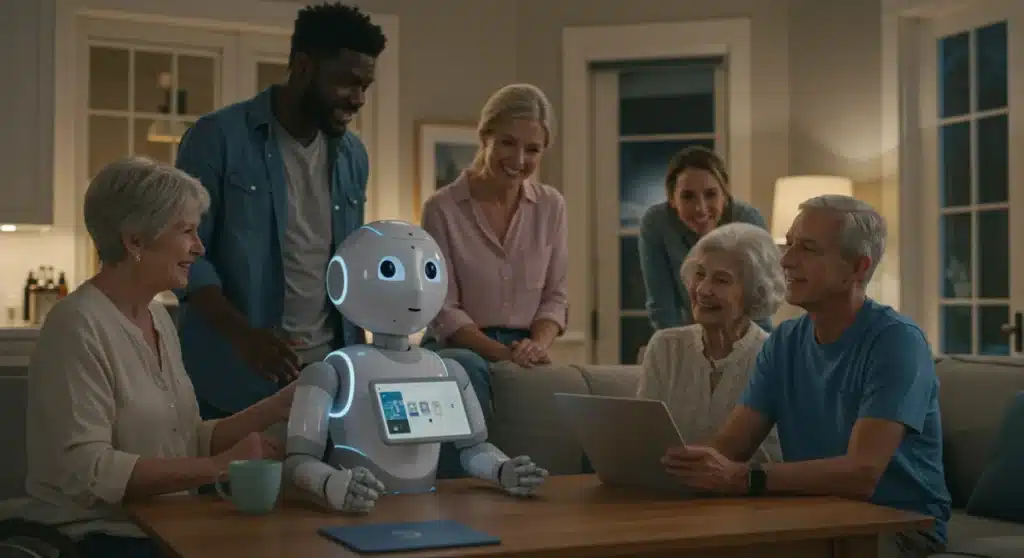
The landscape of caregiving is undergoing a profound transformation, driven largely by advancements in artificial intelligence. As we approach 2026, the integration of AI caregiving 2026 solutions promises to revolutionize how US families manage the complex demands of caring for loved ones, particularly the elderly and those with chronic conditions. This article delves into the exciting new tools emerging, the critical ethical considerations that accompany them, and the overall impact these changes will have on the fabric of family care in the United States. The promise of AI is not merely to automate tasks but to augment human capabilities, providing unprecedented levels of support, efficiency, and personalized care. Understanding this evolving dynamic is crucial for caregivers, families, policymakers, and technology developers alike.
The Evolving Landscape of Caregiving: A Pre-2026 Perspective
Caregiving has always been a cornerstone of societal well-being, yet it remains one of the most challenging and often under-supported roles. Millions of Americans serve as unpaid family caregivers, dedicating countless hours to assisting loved ones with daily activities, medical appointments, and emotional support. This demographic trend, coupled with an aging population and increasing prevalence of chronic diseases, places immense pressure on existing care systems. The demand for innovative solutions is not just growing; it’s accelerating. Enter AI, a game-changer positioned to reshape the very definition of care. By AI caregiving 2026, we expect to see a significant shift from purely human-centric care models to hybrid approaches that leverage technology to enhance quality of life for both care recipients and caregivers.
Historically, caregiving has relied heavily on manual processes, personal proximity, and often, the sheer exhaustion of dedicated individuals. While human touch and empathy remain irreplaceable, the repetitive, data-intensive, and physically demanding aspects of care can be significantly alleviated by intelligent systems. The vision for AI caregiving 2026 is not to replace human connection but to free up caregivers to focus on the emotional and relational aspects of their role, while AI handles the more routine, analytical, and monitoring tasks. This synergy is key to building a sustainable and compassionate care ecosystem for the future.
The urgency to adopt such technologies is underscored by the current caregiver crisis in the US. Many caregivers face burnout, financial strain, and isolation. AI offers a glimmer of hope, promising to extend their capacity, reduce their burden, and provide tools that enable more effective and proactive care. The next few years will be pivotal in determining how successfully these technologies are integrated and regulated to serve the best interests of all involved.
Breakthrough AI Tools Transforming Caregiving by 2026
The advancements in AI are not theoretical; they are manifesting in tangible tools and applications designed to address specific caregiving challenges. By AI caregiving 2026, several categories of AI-powered solutions will be widely available and increasingly sophisticated, fundamentally altering daily care routines.
Smart Home Monitoring and Assistance
One of the most immediate impacts of AI is in the realm of smart home technologies. These systems, equipped with AI algorithms, can learn routines, detect anomalies, and provide proactive assistance. Motion sensors, smart cameras (with privacy safeguards), and voice-activated assistants are becoming integral to creating safer and more independent living environments for care recipients. For instance, AI can detect if an elderly person has fallen, alert emergency contacts, or remind them to take medication. These systems are evolving to be less intrusive and more intuitive, offering peace of mind to distant caregivers.
Beyond simple alerts, advanced smart homes powered by AI caregiving 2026 will feature predictive analytics. They can analyze patterns of behavior to identify potential health declines before they become critical. For example, a change in gait detected by floor sensors or a decrease in activity levels might trigger an alert for a caregiver to check in. Voice assistants are also becoming more sophisticated, moving beyond basic commands to offer companionship, cognitive stimulation through games, and even facilitate virtual doctor appointments, thereby reducing social isolation.
Personalized Health Management and Predictive Analytics
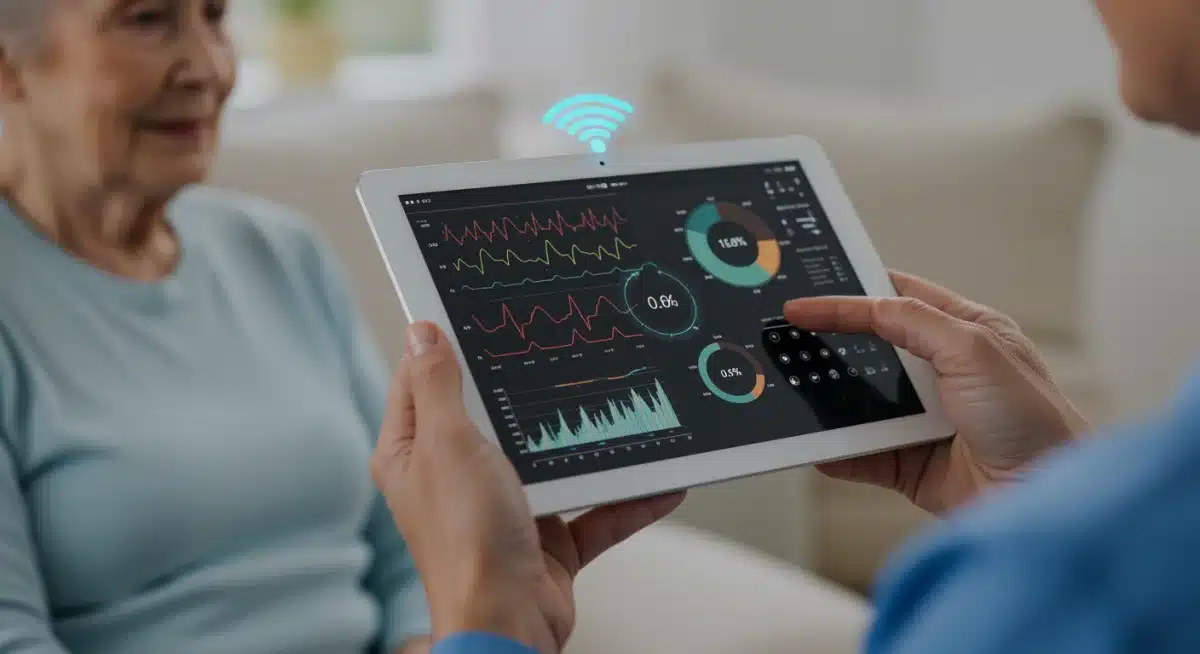
AI’s ability to process vast amounts of data makes it an invaluable asset in personalized health management. Wearable devices, often integrated with AI, continuously monitor vital signs, sleep patterns, and activity levels. This data is then analyzed by AI algorithms to provide personalized health insights, flag potential issues, and even predict health crises. For individuals managing chronic conditions like diabetes or heart disease, AI can help optimize medication schedules, recommend dietary adjustments, and track adherence to treatment plans. This proactive approach aims to prevent hospitalizations and improve long-term health outcomes.
The power of predictive analytics in AI caregiving 2026 extends to understanding individual responses to therapies, identifying risk factors for specific diseases, and tailoring preventative interventions. For instance, an AI system might analyze a patient’s genetic profile, lifestyle data, and medical history to recommend a highly personalized wellness plan, significantly improving the efficacy of care. This moves care from reactive to highly proactive, focusing on maintaining health rather than just treating illness.
Robotics for Physical Assistance and Companionship
Robotics, a subset of AI, is also making significant strides in caregiving. While fully autonomous humanoid robots are still some way off, specialized robots are already assisting with physical tasks. These can include lifting and transferring patients, helping with mobility, or even fetching items. Beyond physical aid, companion robots are emerging as a solution for loneliness and cognitive engagement, particularly for individuals with dementia. These robots can play music, engage in simple conversations, and provide reminders, offering a consistent and non-judgemental presence.
By AI caregiving 2026, we anticipate more sophisticated robotic companions that can learn preferences, adapt their interactions, and even detect emotional states, offering a more nuanced form of support. These robots are not designed to replace human interaction but to supplement it, especially in situations where human caregivers are not continuously available or when the care recipient benefits from a consistent, non-demanding presence. The development of these robots is a delicate balance between functionality and fostering a sense of connection without deception.
AI-Powered Communication and Coordination Platforms
Caregiving often involves multiple stakeholders: family members, medical professionals, and sometimes professional caregivers. Coordinating care can be a logistical nightmare. AI-powered platforms are streamlining this process by centralizing information, automating scheduling, and facilitating seamless communication. These platforms can track appointments, manage medication schedules, share health updates securely, and even suggest optimal care plans based on aggregated data. This reduces the administrative burden on caregivers and ensures that everyone involved is on the same page, leading to more cohesive and effective care.
Furthermore, these platforms can use AI to identify potential conflicts in schedules, suggest optimal routes for appointments, and even provide language translation services for diverse family structures. The goal for AI caregiving 2026 is to create an integrated ecosystem where all aspects of care are harmonized, reducing stress and improving efficiency for everyone involved.
Ethical Considerations: Navigating the Moral Landscape of AI in Caregiving
While the benefits of AI in caregiving are immense, its implementation is not without significant ethical challenges. As AI caregiving 2026 becomes more pervasive, it is imperative that we address these concerns proactively to ensure that technology serves humanity, rather than diminishing it.
Privacy and Data Security
AI systems in caregiving collect vast amounts of sensitive personal and health information. Protecting this data from breaches and misuse is paramount. Robust cybersecurity measures, transparent data handling policies, and strict adherence to regulations like HIPAA are critical. Families and care recipients must have full control over their data, understanding what is collected, how it’s used, and who has access to it. The balance between comprehensive monitoring for safety and respecting individual privacy is a delicate act that requires constant vigilance and technological safeguards.
The potential for data misuse, whether intentional or accidental, is a significant concern. By AI caregiving 2026, we need clear legal frameworks and ethical guidelines that specifically address the unique privacy challenges posed by AI in healthcare and home settings. This includes anonymization techniques, data encryption, and strict access controls to prevent unauthorized viewing or sharing of personal information.
Autonomy and Dignity
The introduction of AI into personal care raises questions about autonomy and dignity. How much should AI influence personal choices? How do we ensure that individuals, especially those with cognitive impairments, are not unduly influenced or coerced by AI systems? The goal of AI should be to enhance independence, not to diminish it. This means designing AI systems that offer choices, respect preferences, and provide support without imposing decisions. Maintaining the dignity of care recipients requires that AI tools are seen as aids, not replacements for human agency.
For instance, an AI system reminding someone to take medication is helpful, but an AI system forcing them to take it, or making decisions about their diet without their input, crosses an ethical line. By AI caregiving 2026, developers must prioritize user-centric design that empowers individuals and respects their right to self-determination, even as they receive support. This involves careful calibration of AI’s persuasive capabilities and ensuring that human oversight is always an option.
Bias and Equity
AI algorithms are only as unbiased as the data they are trained on. If training data is not diverse or contains historical biases, the AI system can perpetuate or even amplify those biases, leading to inequities in care. This is a critical concern, especially in a diverse country like the US. Ensuring equitable access to AI caregiving technologies, regardless of socioeconomic status, race, or geographic location, is also crucial. The digital divide must not translate into a care divide.
Addressing bias in AI caregiving 2026 requires intentional efforts in data collection, algorithm design, and continuous auditing. Developers must actively seek out diverse datasets and implement fairness metrics to identify and mitigate biases. Furthermore, policies must be put in place to ensure that these advanced care technologies are affordable and accessible to all segments of the population, preventing them from becoming exclusive tools for the privileged few.

Human Connection vs. AI Interaction
Perhaps the most profound ethical consideration is the balance between AI interaction and human connection. While AI can offer companionship and support, it cannot fully replicate the emotional depth, empathy, and nuanced understanding that comes from human interaction. There is a risk that over-reliance on AI could diminish human contact, leading to increased isolation, particularly for vulnerable individuals. The goal should be to use AI to facilitate and enhance human connection, not to replace it.
As AI caregiving 2026 becomes more prevalent, it’s vital to educate caregivers and care recipients on the appropriate use of these tools. This means emphasizing that AI is a tool to support, not to substitute, the invaluable human element of care. Strategies for integrating AI must always prioritize opportunities for meaningful human engagement, whether with family, friends, or professional caregivers.
Accountability and Liability
When an AI system makes a mistake or a malfunction causes harm, who is accountable? Is it the developer, the caregiver, the facility, or the AI itself? Establishing clear lines of accountability and liability is essential for building trust and ensuring responsible innovation. As AI systems become more autonomous, these questions become increasingly complex and require careful legal and ethical frameworks.
By AI caregiving 2026, legal systems will need to adapt to address these new challenges. This includes defining standards for AI performance, establishing clear protocols for reporting and investigating AI-related incidents, and developing mechanisms for redress when harm occurs. Without clear accountability, the adoption of AI in such a sensitive domain could be hampered by fear and uncertainty.
Impact on US Families: A New Era of Support
The impact of AI caregiving 2026 on US families will be multifaceted, bringing both significant relief and new challenges. For many, AI will represent a lifeline, offering solutions to long-standing caregiving dilemmas.
Reducing Caregiver Burden and Burnout
One of the most immediate and positive impacts will be the reduction of caregiver burden. By automating routine tasks, providing continuous monitoring, and facilitating communication, AI can free up caregivers’ time and energy. This allows them to focus on the more rewarding aspects of care, pursue their own interests, and maintain their well-being. Reduced burnout can lead to more sustainable care relationships and better quality of life for both caregivers and care recipients.
Imagine a scenario where an AI system handles medication reminders, tracks vital signs, and alerts a caregiver only when intervention is truly needed. This shift from constant vigilance to strategic oversight can dramatically improve a caregiver’s mental and physical health. By AI caregiving 2026, these support systems will be sophisticated enough to anticipate needs and provide proactive assistance, transforming the daily grind into a more manageable and fulfilling experience.
Enhanced Quality of Life for Care Recipients
For care recipients, AI can significantly enhance their quality of life by promoting independence, safety, and social engagement. Smart home systems allow individuals to age in place more securely, while personalized health management tools can lead to better health outcomes. Companion robots can combat loneliness, and communication platforms can keep them connected with family and friends. The ability to maintain a degree of autonomy and control over one’s life, even with significant care needs, is invaluable.
The customization offered by AI caregiving 2026 means that care plans can be finely tuned to individual preferences and needs, leading to more person-centered care. From adaptive technologies that assist with daily tasks to AI-powered cognitive exercises, the potential for improving daily living and fostering a sense of purpose is immense.
Financial Implications and Accessibility
The financial implications of AI in caregiving are complex. On one hand, AI solutions have the potential to reduce the overall cost of care by preventing hospitalizations, optimizing resource allocation, and potentially delaying the need for institutional care. On the other hand, the initial investment in these technologies can be substantial, raising concerns about equitable access. Policies will be needed to subsidize or make these technologies affordable for all families, regardless of income. Public-private partnerships and insurance coverage will play a crucial role in ensuring that the benefits of AI caregiving 2026 are not limited to the affluent.
The long-term economic benefits, including increased caregiver participation in the workforce and reduced healthcare costs, could outweigh the initial investments. However, careful planning and policy development are essential to ensure that the transition to AI-supported care is smooth and inclusive, avoiding the creation of a two-tiered system where only some can afford optimal care.
Shifting Family Dynamics and Roles
The integration of AI will undoubtedly shift family dynamics. While some may fear that AI will depersonalize care, it could also allow family members to engage in more meaningful ways, freed from the most arduous tasks. The role of the family caregiver might evolve from a primary provider of hands-on care to a coordinator and overseer of AI-supported care, focusing more on emotional support and advocacy. This shift could strengthen family bonds by reducing the stress and resentment often associated with intensive caregiving.
However, families will also need to navigate the complexities of adopting and trusting AI technologies. Education and support will be crucial to help families understand the capabilities and limitations of AI caregiving 2026 tools, ensuring they are used effectively and ethically. Open communication within families about the role of AI will be vital to maintain trust and ensure that everyone feels comfortable with the new care arrangements.
Challenges and the Road Ahead for AI in Caregiving
Despite the promising outlook, several challenges must be overcome for AI caregiving 2026 to reach its full potential. These include technological hurdles, regulatory gaps, and societal acceptance.
Technological Maturity and Integration
While AI is advancing rapidly, many caregiving applications are still in their nascent stages. Achieving seamless integration of various AI tools, ensuring interoperability between different systems, and making them user-friendly for non-technical caregivers are ongoing challenges. The technology needs to be robust, reliable, and adaptable to diverse care environments and individual needs. Continuous research and development are necessary to refine these tools and address their limitations.
Regulatory Frameworks and Policy Development
The rapid pace of AI development often outstrips the ability of regulatory bodies to keep up. Clear guidelines and policies are needed to govern the development, deployment, and use of AI in caregiving, particularly regarding data privacy, safety, and ethical standards. Policymakers must engage with experts in AI, healthcare, and ethics to create frameworks that protect individuals while fostering innovation. This includes addressing issues of liability, ensuring quality control, and establishing certification processes for AI caregiving products.
Training and Education
For AI caregiving 2026 to be successful, caregivers, care recipients, and healthcare professionals will need training and education on how to effectively use these new tools. This includes understanding their functionalities, limitations, and how to troubleshoot common issues. Digital literacy programs will be essential to bridge the gap between technology and its users, ensuring that everyone can benefit from AI advancements.
Public Acceptance and Trust
Public acceptance of AI in such a personal domain is crucial. Building trust requires transparency, demonstrating the benefits, and actively addressing concerns about privacy, job displacement, and the dehumanization of care. Open dialogue, pilot programs, and success stories will help to demystify AI and foster a positive perception. Overcoming initial skepticism and fear will be key to widespread adoption.
Conclusion: The Future of Compassionate, AI-Enhanced Care
The year AI caregiving 2026 stands as a pivotal moment in the evolution of caregiving in the United States. The integration of artificial intelligence promises to usher in an era of unprecedented support for both care recipients and their families. From smart home monitoring and personalized health management to robotic assistance and streamlined communication platforms, AI is set to alleviate many of the burdens traditionally associated with caregiving, allowing for more efficient, proactive, and individualized care.
However, this transformative journey is not without its complexities. Navigating the ethical landscape of privacy, autonomy, bias, and the balance between human connection and AI interaction will require careful consideration, robust regulatory frameworks, and ongoing dialogue. US families will experience a shift in dynamics, potentially leading to reduced caregiver burnout and an enhanced quality of life for their loved ones, but also necessitating adaptability and education.
Ultimately, the vision for AI caregiving 2026 is one where technology serves as a powerful ally, augmenting human compassion and expertise. It is a future where AI does not replace the invaluable human touch but rather empowers caregivers to provide the best possible care, fostering independence, dignity, and well-being for all. As we move forward, a collaborative effort involving innovators, policymakers, healthcare providers, and families will be essential to harness the full potential of AI, ensuring that its impact on caregiving is truly revolutionary and universally beneficial.