Crafting Sensory-Friendly Environments: 8 Design Principles for 2026
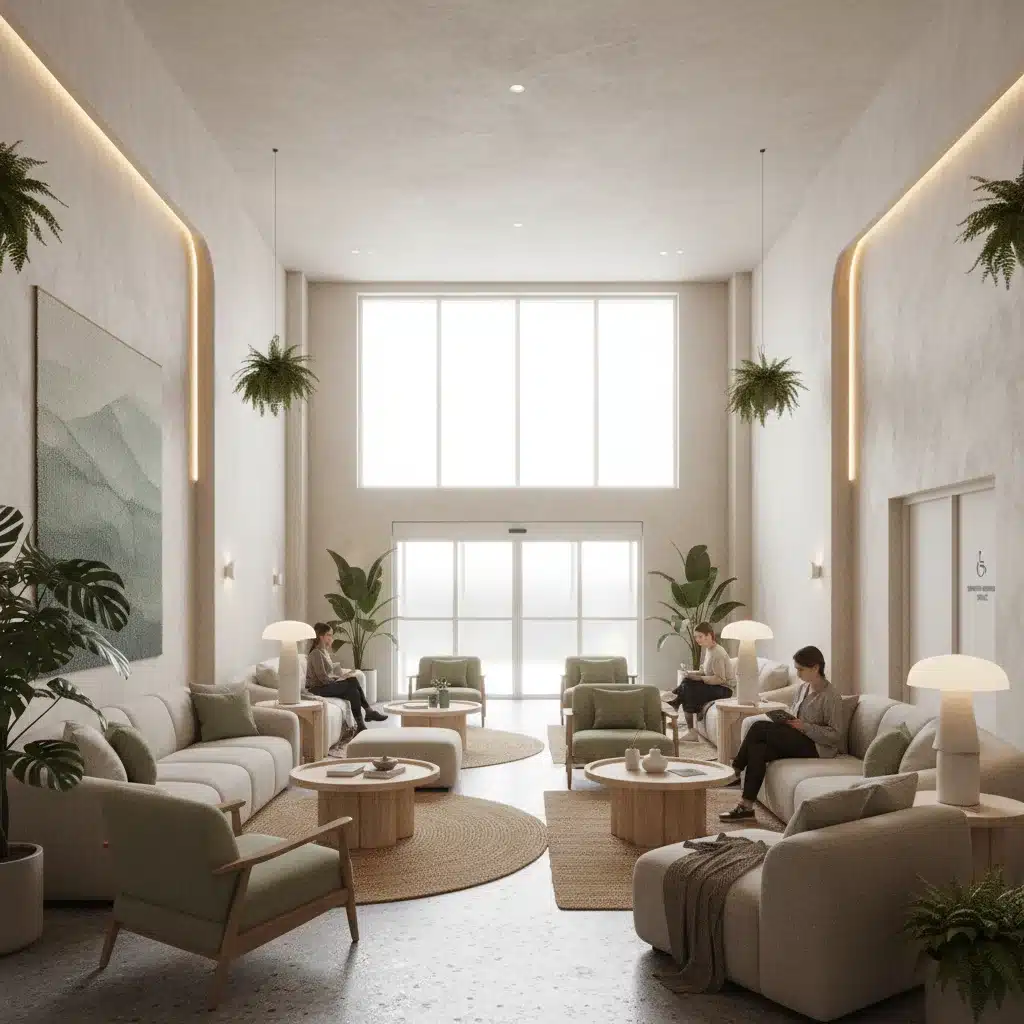
In an increasingly complex and stimulating world, the demand for spaces that cater to diverse sensory needs is not just a trend but a fundamental requirement for true inclusivity. As we look towards 2026, the concept of sensory friendly environments is evolving, moving beyond specialized rooms to integrate thoughtful design into everyday spaces. This shift recognizes that individuals with sensory sensitivities – including those on the autism spectrum, individuals with ADHD, PTSD, anxiety, or even the general population seeking calm amidst chaos – benefit immensely from environments designed with their well-being in mind. Creating sensory friendly environments is about understanding how light, sound, texture, smell, and even spatial organization impact our nervous systems and designing deliberately to support comfort, focus, and emotional regulation.
The movement towards sensory friendly environments is driven by a growing awareness of neurodiversity and the understanding that one-size-fits-all design often excludes a significant portion of the population. Architects, interior designers, urban planners, and even homeowners are increasingly recognizing their role in shaping experiences that are either overwhelming or empowering. By adopting specific design principles, we can transform public buildings, educational institutions, workplaces, healthcare facilities, and residential spaces into havens that promote mental and physical well-being for everyone.
This comprehensive guide will delve into eight crucial design principles that are shaping the future of sensory friendly environments in 2026. Each principle offers actionable insights and practical considerations for creating spaces that are not only aesthetically pleasing but also deeply supportive and inclusive. From mastering lighting and acoustics to embracing natural elements and promoting clear wayfinding, these principles provide a roadmap for designing with empathy and understanding.
1. Intentional Lighting Design: Beyond Illumination
Lighting is perhaps one of the most potent sensory inputs, capable of dramatically altering mood, energy levels, and cognitive function. In sensory friendly environments, intentional lighting design moves beyond mere illumination to create adaptable and comforting visual experiences. Harsh fluorescent lights, with their flicker and cool color temperature, are often triggers for sensory overload, causing headaches, eye strain, and anxiety.
Key Considerations for Lighting:
- Natural Light Maximization: Prioritize natural light wherever possible. Large windows, skylights, and strategically placed light shelves can bring in ample daylight, which has been shown to improve mood, reduce stress, and regulate circadian rhythms. Consider glare reduction through external shading, interior blinds, or smart glass technology.
- Tunable LED Lighting: The future of lighting for sensory friendly environments lies in tunable LEDs. These systems allow users to adjust not only the intensity (brightness) but also the color temperature (warmth or coolness) of the light. This adaptability is crucial, as different tasks and times of day may require different lighting conditions. Warm, dim light can promote relaxation, while brighter, cooler light can enhance focus.
- Eliminate Flicker: Ensure all artificial lighting is flicker-free. High-frequency ballasts for fluorescent lights or high-quality LED drivers are essential to prevent the imperceptible flicker that can be highly distressing for sensitive individuals.
- Indirect and Diffused Lighting: Avoid direct, harsh overhead lighting. Instead, opt for indirect lighting that bounces off walls or ceilings, or use fixtures with diffusers to soften the light. Wall sconces, floor lamps, and task lighting can create layers of light that are less overwhelming.
- Zoned Lighting Controls: Implement lighting controls that allow for different zones within a space to be lit independently. This empowers individuals or groups to tailor the lighting to their specific needs without affecting others.
- Color Temperature: Generally, warmer color temperatures (below 3000K) are perceived as more calming and inviting, while cooler temperatures (above 4000K) can be more stimulating. Offering a range or the ability to adjust is ideal.
2. Acoustic Comfort: Designing for Sound Sensitivity
Sound is another critical sensory input that often goes unaddressed in conventional design, yet it profoundly impacts our ability to concentrate, communicate, and feel at ease. High levels of ambient noise, sudden loud sounds, or a lack of acoustic privacy can be highly disruptive in sensory friendly environments. Designing for acoustic comfort involves minimizing unwanted noise and enhancing desirable sounds.
Strategies for Acoustic Design:
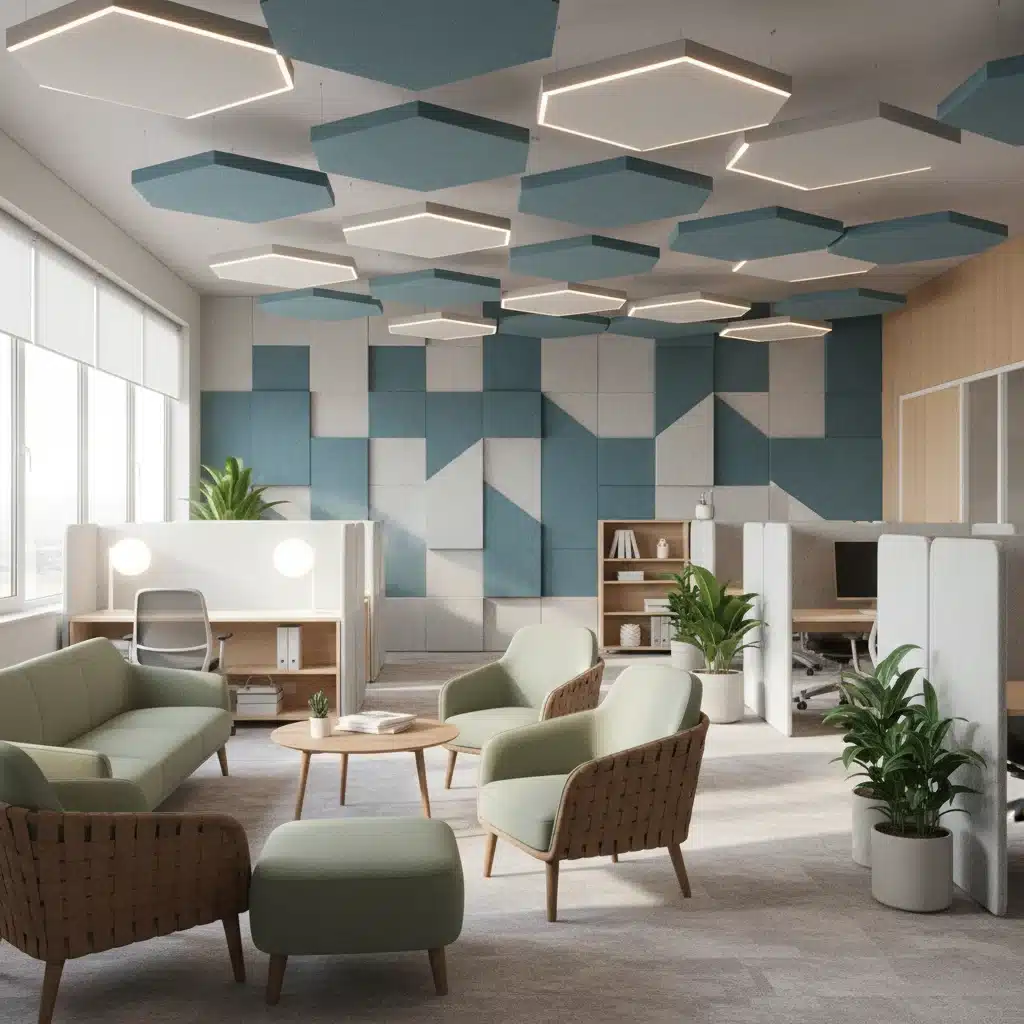
- Sound Absorption: Incorporate sound-absorbing materials on walls, ceilings, and floors. Acoustic panels, baffles, carpets, upholstered furniture, and heavy draperies can significantly reduce echo and reverberation, making speech clearer and general noise less jarring.
- Sound Masking Systems: In open-plan offices or public spaces, sound masking systems can emit a low-level, unobtrusive background sound (like white noise or nature sounds) that helps to cover up distracting speech and other noises, creating a more consistent and less intrusive soundscape.
- Zoning and Spatial Separation: Create distinct zones for different activities. Quiet areas for focused work or relaxation should be physically separated from more active or noisy areas. Use solid walls, sound-rated doors, or even strategically placed furniture and shelving as acoustic barriers.
- Building Material Selection: Choose building materials with good sound insulation properties for walls, floors, and ceilings. Double-glazed windows can reduce external noise intrusion.
- Quiet Appliances and HVAC: Specify low-noise appliances and ensure HVAC systems are designed and maintained to operate quietly. The constant hum of an air conditioner can be a significant source of distress.
- Nature-Inspired Soundscapes: Where appropriate, consider incorporating gentle, natural sounds (e.g., subtle water features, recorded nature sounds) at low volumes to create a calming auditory experience.
3. Tactile and Textural Variety: Engaging the Sense of Touch
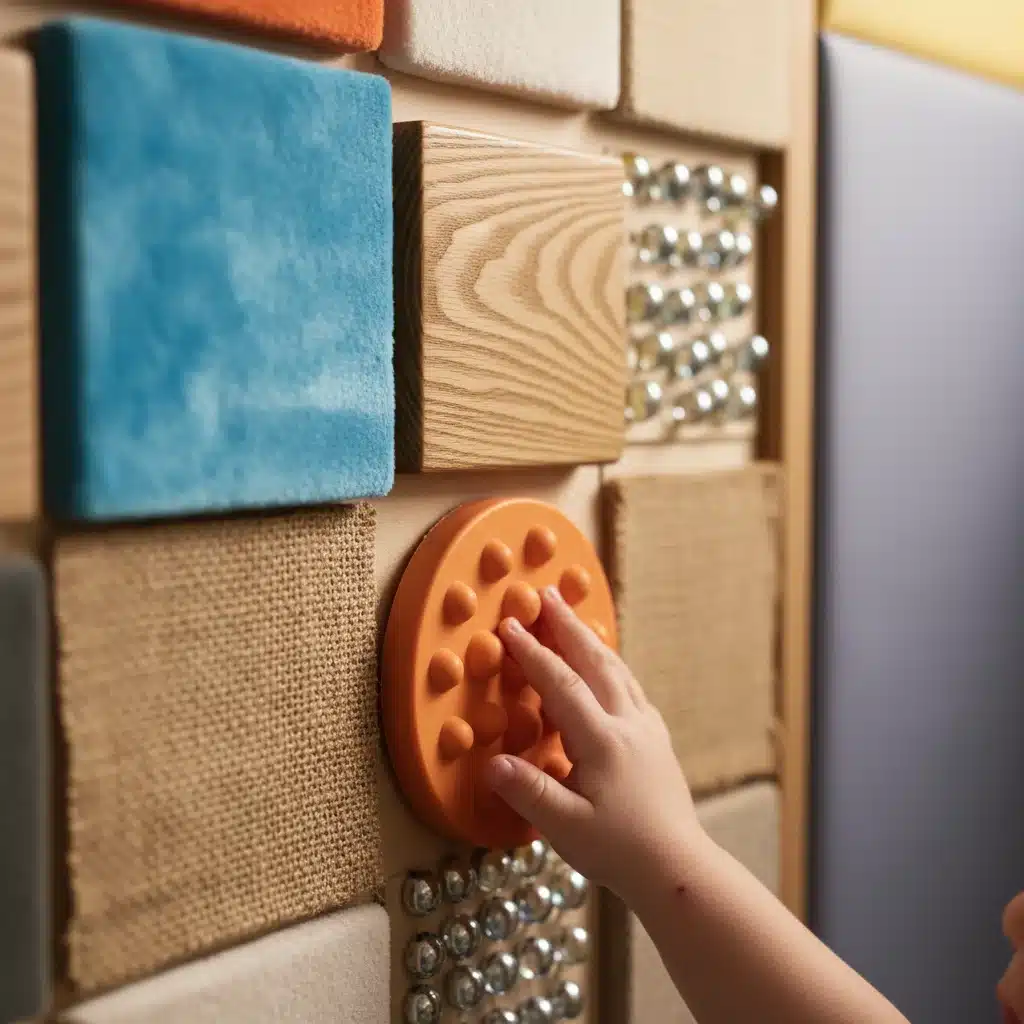
The sense of touch provides crucial information about our environment and can be a powerful tool for self-regulation and comfort. Sensory friendly environments offer a thoughtful range of textures that can be both stimulating and calming, without being overwhelming or irritating. This principle encourages engagement with the physical world through diverse tactile experiences.
Incorporating Tactile Elements:
- Varied Surfaces: Use a variety of textures on walls, floors, and furniture. Consider soft fabrics like velvet or wool, smooth wood, cool stone, resilient rubber, and even textured wallpaper or panels.
- Comfortable Seating: Provide different types of seating options with varying firmness and materials. Beanbags, ergonomic chairs, rocking chairs, and benches with soft cushions can cater to different preferences for pressure and support.
- Natural Materials: Emphasize natural materials such as wood, cotton, linen, cork, and stone. These often have inherent tactile qualities that are appealing and grounding.
- Sensory Objects: In certain specialized specialized sensory environments (e.g., therapy rooms, calm-down corners), include specific sensory objects like fidget toys, weighted blankets, or textured cushions that individuals can interact with.
- Avoid Irritants: Be mindful of textures that might be irritating or uncomfortable for sensitive skin, such as scratchy fabrics or overly rough surfaces in high-contact areas.
4. Olfactory Considerations: Managing Scents
The sense of smell is incredibly powerful and can evoke strong emotions and memories, making olfactory considerations vital in sensory friendly environments. Strong, artificial, or lingering odors can be highly distressing and even physically sickening for individuals with olfactory sensitivities.
Approaches to Olfactory Design:
- Minimize Artificial Scents: Avoid artificial air fresheners, strong cleaning products, and highly fragranced personal care products in shared spaces. Opt for unscented or naturally scented alternatives.
- Good Ventilation: Ensure excellent air circulation and ventilation to quickly remove any unwanted odors and introduce fresh air. HEPA filters can also help improve air quality.
- Natural Fragrances (with caution): If natural scents are desired, use them sparingly and with careful consideration. Live plants (hypoallergenic varieties) can offer subtle, natural aromas. Essential oil diffusers can be used in personal spaces with individual control, but their use in shared public spaces should be approached with extreme caution due to varying sensitivities.
- Odor-Absorbing Materials: Consider materials that naturally absorb odors or are easy to clean to prevent smells from lingering.
- Designated Eating Areas: In workplaces or schools, create designated eating areas away from main work or learning zones to contain food odors.
5. Visual Clarity and Organization: Reducing Clutter and Chaos
Visual clutter and disorganization can be incredibly overwhelming, making it difficult to focus and process information. Sensory friendly environments prioritize visual clarity, order, and a sense of calm through thoughtful spatial organization and aesthetic choices.
Strategies for Visual Comfort:
- Minimalist Approach: Embrace a minimalist design philosophy, reducing unnecessary decorative elements and clutter. Every item in the space should have a purpose.
- Muted Color Palettes: Opt for calming, muted color schemes with low contrast. Soft blues, greens, grays, and natural earth tones can create a tranquil atmosphere. Avoid overly bright or high-contrast patterns that can be visually jarring.
- Clear Wayfinding: Implement clear, intuitive signage and logical spatial layouts to help individuals navigate the environment easily, reducing anxiety associated with disorientation.
- Organized Storage: Provide ample and easily accessible storage solutions to keep items tidy and out of sight, minimizing visual noise.
- Defined Zones: Create visually distinct zones for different activities (e.g., quiet work, collaborative areas, relaxation zones) using subtle architectural features, furniture arrangement, or changes in flooring.
- Consistent Aesthetics: Maintain a consistent aesthetic throughout the space to create a sense of harmony and predictability, which can be very comforting.
6. Biophilic Design: Connecting with Nature
Biophilic design, the integration of natural elements into built environments, has profound benefits for well-being, reducing stress, improving cognitive function, and fostering a sense of calm. This principle is inherently aligned with creating sensory friendly environments.
Implementing Biophilic Elements:
- Access to Nature: Maximize views of nature through windows. If direct views are not possible, consider high-quality images or videos of natural scenes.
- Indoor Plants: Incorporate live plants, ensuring they are non-toxic and low-allergen. Plants not only add visual appeal but can also improve air quality and provide subtle natural scents.
- Natural Materials: Use natural materials like wood, stone, and bamboo for finishes and furniture, bringing the textures and patterns of nature indoors.
- Water Features: Small, gently flowing water features can provide soothing auditory input and a sense of tranquility.
- Natural Light: As mentioned in Principle 1, maximizing natural light is a key biophilic strategy.
- Patterns and Forms: Incorporate natural patterns and forms (e.g., organic shapes, fractal patterns) into architectural details, textiles, and artwork.
7. Personal Control and Adaptability: Empowering Users
One of the most empowering aspects of sensory friendly environments is the ability for individuals to exert some control over their surroundings. A lack of control often leads to increased anxiety and discomfort. Designing for adaptability and personal choice is paramount.
Elements of Personal Control:
- Adjustable Lighting: Provide task lighting with dimmers at individual workstations or seating areas.
- Temperature Control: Allow for localized control of heating and cooling where feasible.
- Flexible Seating: Offer a variety of seating options, from open communal tables to private pods, allowing individuals to choose what best suits their sensory needs at any given moment.
- Privacy Options: Include movable screens, curtains, or reconfigurable furniture that can create temporary zones of privacy or reduce visual distractions.
- Noise-Canceling Options: While not a design element, encouraging the use of noise-canceling headphones can be part of a supportive sensory strategy in shared spaces.
- Choice of Workstations: In workplaces, offer a range of workstation types – standing desks, quiet focus booths, collaborative tables – to cater to different preferences and sensory needs.
8. Safety and Security: Fostering Predictability and Trust
Feeling safe and secure is a fundamental human need, and for individuals with sensory sensitivities, unpredictability or perceived threats can be highly destabilizing. Sensory friendly environments are designed to foster a sense of predictability, trust, and physical and psychological safety.
Designing for Safety and Security:
- Clear Boundaries: Clearly delineate different areas and their purposes. This helps reduce confusion and provides a sense of order.
- Predictable Layouts: Avoid overly complex or maze-like layouts. Simple, intuitive floor plans are easier to navigate and reduce anxiety.
- Escape Routes: Ensure clear and easily accessible exit routes. Knowing how to leave a space if feeling overwhelmed can be a significant comfort.
- Safe Zones/Calm-Down Spaces: Designate specific quiet and comfortable areas where individuals can retreat if they feel overstimulated. These spaces should be easily identifiable and accessible.
- Non-Intrusive Observation: In public spaces, ensure that supervision or security measures are present but not overly intrusive or anxiety-provoking.
- Durable and Safe Materials: Use non-toxic, durable, and easily maintainable materials to ensure a clean and hygienic environment, contributing to a sense of well-being. Avoid sharp edges or potential hazards.
- Consistent Sensory Input: Strive for consistency in sensory input where possible. Sudden, unexpected changes in light, sound, or temperature can be highly jarring.
The Future of Inclusive Design: Beyond 2026
The principles outlined above represent the leading edge of creating sensory friendly environments in 2026. However, this field is continuously evolving. As our understanding of neurodiversity deepens and technology advances, new solutions and approaches will emerge. The ultimate goal remains the same: to design spaces that are not just accessible, but truly inclusive, where every individual can thrive.
Implementing these principles requires a multidisciplinary approach, involving collaboration between designers, architects, occupational therapists, psychologists, and most importantly, individuals with lived experience of sensory sensitivities. Their insights are invaluable in shaping environments that genuinely meet diverse needs.
From schools and hospitals to offices and retail spaces, the application of sensory-friendly design is becoming increasingly widespread. It’s about moving away from reactive accommodations to proactive, empathetic design that considers the full spectrum of human experience from the outset. By investing in sensory friendly environments, we are investing in the well-being, productivity, and happiness of our communities.
The benefits extend beyond those with diagnosed sensory processing differences. A well-designed sensory-friendly space can reduce stress for everyone, improve focus, and promote a general sense of calm and comfort. In a world often characterized by sensory overload, these spaces offer a much-needed respite and a model for future design.
Conclusion: Building a More Empathetic World Through Design
The journey towards creating truly sensory friendly environments is an ongoing one, but the eight principles discussed here provide a robust framework for designers, builders, and community leaders. By paying meticulous attention to lighting, acoustics, tactile experiences, scents, visual organization, natural connections, personal control, and safety, we can construct spaces that not only look good but also feel good for everyone.
As we move further into the 21st century, the emphasis on human-centered design will only grow. The concept of sensory friendly environments is a powerful manifestation of this trend, demonstrating how thoughtful design can foster greater empathy, understanding, and inclusion. Let’s collectively commit to building a world where every space is a supportive and welcoming place for all.