Parent Advocacy: Shaping Special Needs Policy 2026
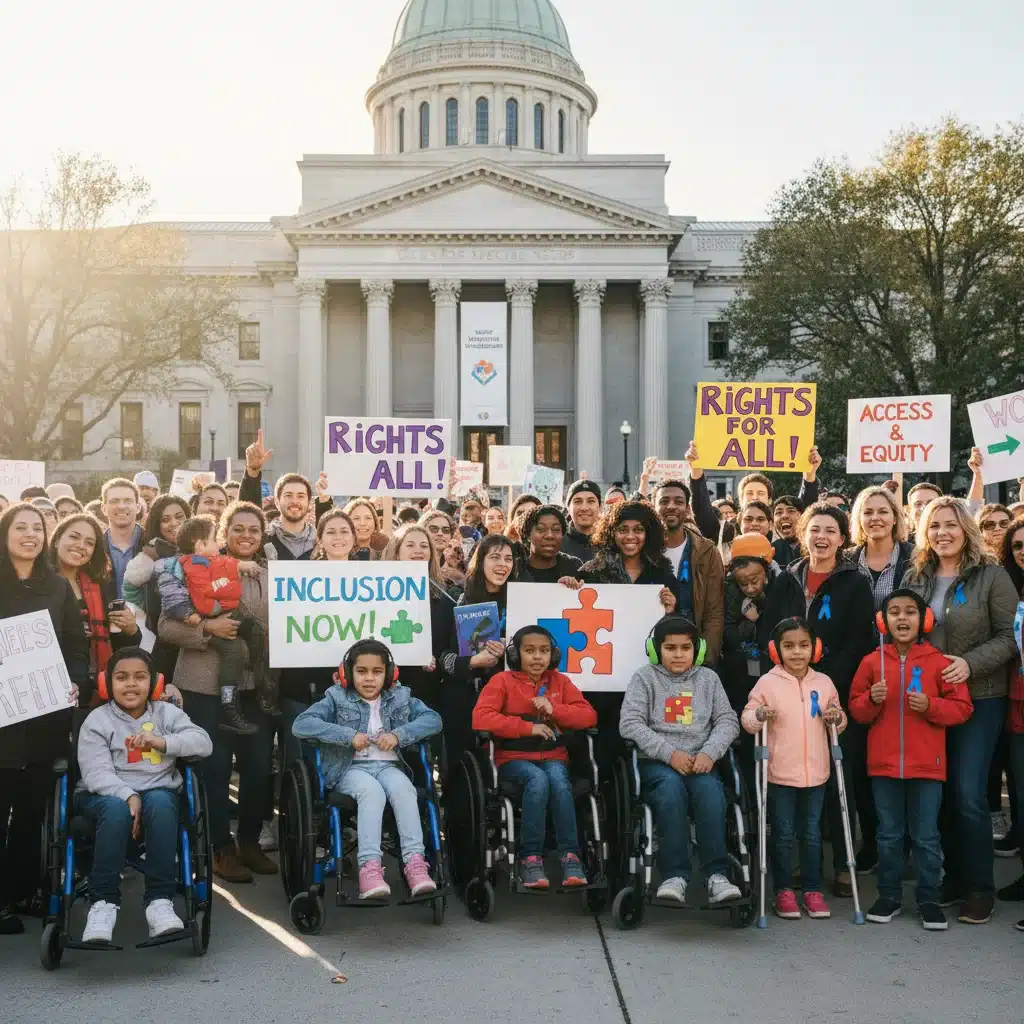
In the intricate landscape of education and healthcare, few voices resonate with as much urgency and authenticity as those of parents advocating for their children with special needs. For decades, these dedicated individuals have been at the forefront of movements demanding equitable access, appropriate resources, and inclusive environments. As we look towards 2026, the collective power of parent coalitions is proving to be an indispensable force in shaping special needs policy across the United States. This comprehensive article delves into the critical role of parent advocacy in special needs, highlighting the strategies, successes, and ongoing challenges faced by these influential groups.
The journey of a parent with a child requiring special needs support is often marked by a relentless pursuit of understanding, resources, and systemic change. From navigating complex individualized education programs (IEPs) to fighting for legislative reforms, parent advocacy special needs is more than just a personal quest; it’s a movement that impacts millions of families. These coalitions, often born out of shared experiences and a common vision, have become powerful catalysts for progress, transforming the lives of children and families nationwide.
The Power of Collective Parent Advocacy Special Needs
The strength of parent advocacy special needs lies in its collective nature. While individual stories are profoundly impactful, it is the coming together of many voices that creates an undeniable demand for change. These coalitions leverage their numbers, personal narratives, and expert knowledge to influence policymakers, educate the public, and hold institutions accountable. Their work spans various domains, including education, healthcare, social services, and legal rights, aiming to create a more inclusive and supportive society for all individuals with disabilities.
The landscape of special needs policy is constantly evolving, driven by scientific advancements, societal shifts, and, most importantly, the persistent efforts of advocates. Parent groups are uniquely positioned to identify gaps in existing policies, propose practical solutions, and monitor the implementation of new regulations. Their firsthand experiences provide invaluable insights that theoretical frameworks often miss, making their contributions essential to effective policy development.
Understanding the Policy Landscape for Special Needs
Before diving into specific coalitions, it’s crucial to understand the broader policy environment. Key federal legislation, such as the Individuals with Disabilities Education Act (IDEA), Section 504 of the Rehabilitation Act, and the Americans with Disabilities Act (ADA), form the bedrock of special needs rights. However, these laws, while foundational, require constant vigilance and interpretation to ensure their spirit and intent are upheld at state and local levels. This is where parent advocacy special needs groups play a pivotal role, pushing for stronger enforcement, clearer guidelines, and expanded protections.
State-level policies and local district regulations also significantly impact the daily lives of children with special needs. Parent coalitions often focus their efforts on these more localized arenas, where they can have a direct and immediate impact on school systems, healthcare providers, and community programs. The interplay between federal, state, and local policies creates a complex web that requires sophisticated understanding and strategic advocacy.
10 Influential Parent Coalitions Driving Policy Change for 2026
Let’s explore some of the leading parent coalitions that are making significant strides in shaping special needs policy for 2026 and beyond. These groups represent a diverse range of focuses, but all share a common commitment to improving the lives of individuals with disabilities.
1. The National Down Syndrome Congress (NDSC)
The NDSC is a powerful voice for individuals with Down syndrome and their families. Their advocacy efforts are multifaceted, focusing on legislative initiatives, educational resources, and community support. For 2026, the NDSC is particularly focused on advocating for inclusive education models, improved healthcare access, and increased research funding for Down syndrome. Their parent advocacy special needs approach emphasizes empowering families with information and connecting them with policymakers to share their stories and influence decisions.
2. Autism Speaks
As one of the largest autism advocacy organizations, Autism Speaks plays a significant role in shaping policy related to autism spectrum disorder. Their 2026 agenda includes pushing for increased funding for autism research, improving access to early intervention services, and promoting inclusive practices in schools and workplaces. They actively engage in lobbying efforts, public awareness campaigns, and community programs, making them a formidable force in parent advocacy special needs.
3. The Arc of the United States
The Arc is a national community-based organization advocating for and serving people with intellectual and developmental disabilities (I/DD) and their families. Their policy priorities for 2026 include strengthening Medicaid services, expanding employment opportunities for individuals with I/DD, and ensuring self-determination and person-centered planning. The Arc’s extensive network of state and local chapters amplifies the voices of countless parents, making their parent advocacy special needs efforts highly impactful.
4. Parent to Parent USA
Parent to Parent USA focuses on connecting families of children with special needs with experienced support parents. While primarily a support network, their collective experiences inform powerful advocacy initiatives. For 2026, they are emphasizing policies that promote family support services, mental health access for caregivers, and robust early intervention programs. Their model of peer support naturally fosters a strong foundation for parent advocacy special needs at the grassroots level.
5. Council of Parent Attorneys and Advocates (COPAA)
COPAA is a national organization dedicated to protecting the legal and civil rights of students with disabilities and their families. Their advocacy for 2026 centers on strengthening IDEA enforcement, ensuring due process rights, and promoting high-quality legal representation for families. COPAA’s work is critical in ensuring that existing special education laws are upheld and that parents have the resources to challenge violations, making them a cornerstone of legal parent advocacy special needs.
6. United Cerebral Palsy (UCP)
UCP is a leading advocate for individuals with cerebral palsy and other disabilities. Their 2026 policy agenda includes promoting accessible technology, improving healthcare coordination, and expanding community living options. UCP’s parent advocacy special needs strategy involves both direct lobbying and empowering families to share their stories and advocate for inclusive policies that support independence and quality of life.
7. National Federation of Families for Children’s Mental Health
This organization focuses on the unique needs of children, youth, and families facing mental health challenges. Their 2026 policy goals include advocating for integrated mental and physical healthcare, expanding access to evidence-based treatments, and reducing stigma associated with mental illness. Their parent advocacy special needs approach centers on ensuring that family voice and choice are central to systems of care.
8. Family Voices
Family Voices is a national organization that advocates for children and youth with special health care needs and disabilities. Their 2026 priorities include ensuring comprehensive and affordable health coverage, promoting family-centered care, and strengthening the healthcare workforce. Through their extensive network, Family Voices empowers parents to become effective advocates for their children’s health, embodying the spirit of parent advocacy special needs in healthcare.
9. National Center for Learning Disabilities (NCLD)
The NCLD is dedicated to improving the lives of the 1 in 5 children and adults nationwide with learning and attention issues. Their 2026 advocacy focuses on ensuring effective accommodations in schools and workplaces, promoting early identification of learning disabilities, and improving teacher training. Their parent advocacy special needs efforts are crucial in ensuring that individuals with learning disabilities receive the support they need to thrive academically and professionally.
10. Exceptional Children’s Advocacy Group (ECAG) – A State-Level Example
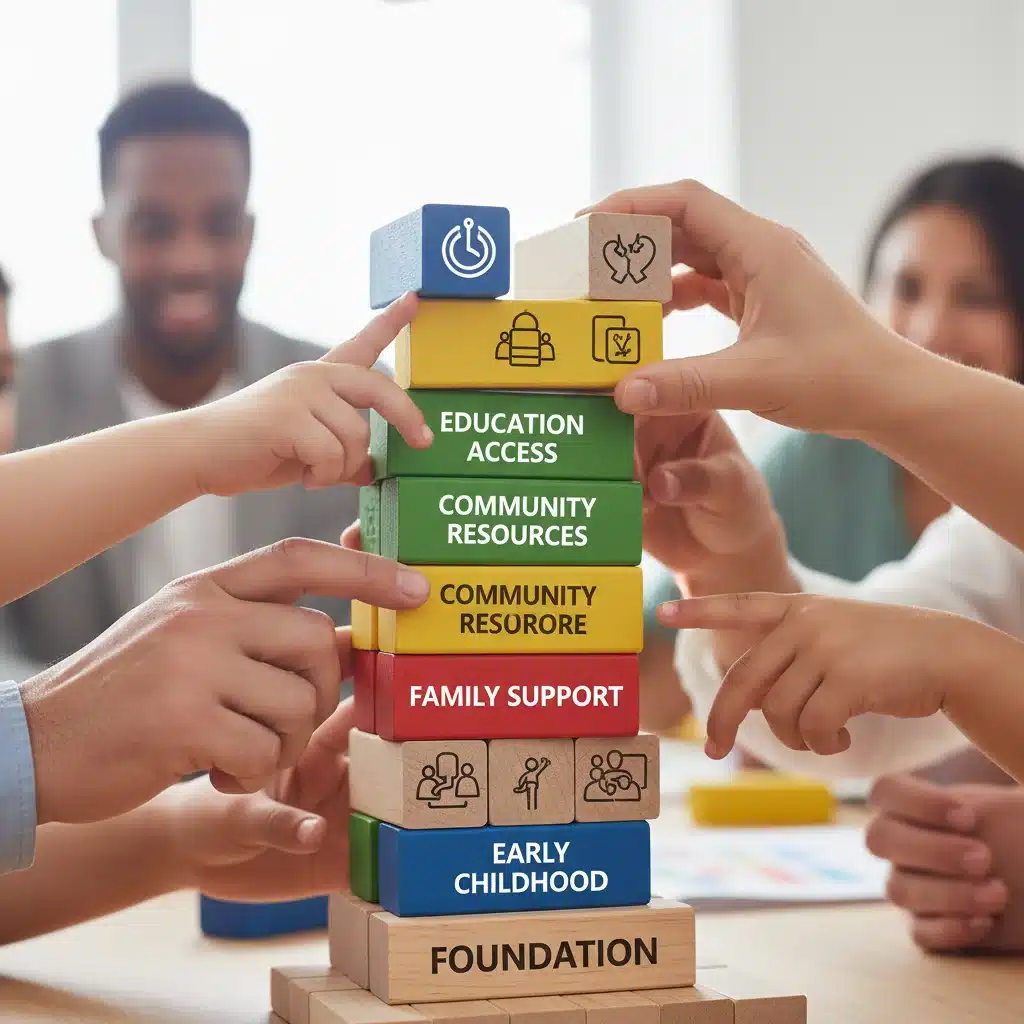
While many influential groups are national, state and local parent coalitions are equally vital. The ECAG, as a hypothetical but representative state-level group, focuses on state-specific legislation and district policies. Their 2026 goals might include advocating for increased state funding for special education, ensuring accessible transportation for students with disabilities, and promoting professional development for educators on inclusive practices. These localized parent advocacy special needs efforts often lead to tangible, immediate improvements for families within a specific region.
Key Strategies Employed by Parent Coalitions
These parent coalitions employ a variety of strategic approaches to influence policy. Understanding these strategies is key to appreciating their impact:
- Legislative Advocacy: This involves direct engagement with lawmakers, offering testimony, drafting legislation, and participating in lobbying efforts to introduce, pass, or amend laws related to special needs.
- Public Awareness Campaigns: Raising public understanding and empathy is crucial. Campaigns often utilize media, social media, and community events to highlight the challenges and successes of individuals with special needs and the importance of supportive policies.
- Grassroots Mobilization: Empowering individual parents and families to contact their representatives, attend public meetings, and share their stories is a cornerstone of parent advocacy special needs.
- Research and Data Collection: Providing evidence-based research and data on the needs of individuals with disabilities strengthens policy proposals and demonstrates the impact of various interventions.
- Collaboration and Partnerships: Forming alliances with other disability organizations, professional associations, and community groups amplifies their collective voice and resources.
- Legal Action: In some cases, coalitions support or initiate legal challenges to ensure compliance with existing laws or to establish new legal precedents that protect the rights of individuals with disabilities.
- Education and Training: Equipping parents with the knowledge and skills to advocate effectively for their children is a primary goal, fostering a new generation of informed advocates.
Anticipated Policy Shifts and Focus Areas for 2026
As these coalitions continue their work, several key policy shifts and focus areas are expected to gain momentum by 2026:
- Inclusive Education Expansion: A continued push for truly inclusive classrooms where students with disabilities learn alongside their non-disabled peers, with appropriate supports and accommodations. This includes advocating for universal design for learning (UDL) principles in curriculum development.
- Mental Health Integration: Greater emphasis on integrating mental health services within schools and primary care settings, recognizing the high comorbidity of mental health conditions with other disabilities.
- Transition Services Enhancement: Improved and expanded transition services for youth with disabilities moving from high school to post-secondary education, employment, and independent living. This includes vocational training and supported employment initiatives.
- Accessible Technology and Digital Inclusion: Advocacy for policies that ensure all digital platforms, educational tools, and public services are accessible to individuals with disabilities, bridging the digital divide.
- Healthcare Access and Affordability: Sustained efforts to ensure comprehensive, affordable, and family-centered healthcare for children and adults with special needs, including specialized therapies and medical equipment.
- Workforce Development and Employment: Policies aimed at increasing competitive integrated employment opportunities for individuals with disabilities, including incentives for employers and support services for employees.
- Early Intervention Expansion: A strong focus on expanding and improving early intervention programs to identify and support children with developmental delays and disabilities from birth to age three.
- Caregiver Support: Recognition and support for family caregivers, including respite services, financial assistance, and mental health resources for parents navigating the complexities of raising a child with special needs.
The dedication of parent advocacy special needs groups is not just about enacting new laws; it’s about ensuring that the spirit of these laws translates into meaningful, positive change in the daily lives of individuals with disabilities. Their work often involves challenging systemic barriers, confronting misconceptions, and advocating for a fundamental shift in societal attitudes towards disability.
Challenges and Opportunities in Parent Advocacy
Despite their successes, parent coalitions face numerous challenges. Funding limitations, burnout among volunteer advocates, and the sheer complexity of the policy-making process are constant hurdles. Additionally, ensuring diverse representation within advocacy groups and addressing the unique needs of various disability communities remains an ongoing effort.
However, opportunities abound. The increasing use of digital platforms has streamlined communication and mobilization, allowing parent advocacy special needs groups to reach wider audiences and connect with policymakers more efficiently. The growing recognition of disability rights as human rights also provides a stronger foundation for legislative victories. Furthermore, the power of personal narratives, amplified through social media and traditional media, continues to be an incredibly effective tool for building empathy and driving change.

The Future of Parent Advocacy Special Needs
Looking ahead to 2026 and beyond, the role of parent advocacy special needs groups will only grow in importance. As medical science advances and diagnostic capabilities improve, the population of individuals identified with special needs continues to evolve. This necessitates ongoing adaptation and innovation in advocacy strategies.
The emphasis will likely shift towards even greater personalization of services, ensuring that policies are flexible enough to meet the diverse and individual needs of each person with a disability. Technology will play an increasingly central role, not only in advocacy efforts but also in delivering assistive services and promoting independence.
Moreover, there will be a continued push for intersectional advocacy, recognizing that individuals with disabilities often belong to multiple marginalized groups. This means advocating for policies that address the unique challenges faced by disabled individuals of color, LGBTQ+ individuals with disabilities, and those from low-income backgrounds.
How You Can Get Involved
For parents, family members, or allies interested in contributing to parent advocacy special needs, there are numerous ways to get involved:
- Join a Coalition: Connect with local or national organizations that align with your interests and values.
- Educate Yourself: Learn about relevant laws, policies, and best practices in special education and disability rights.
- Share Your Story: Personal narratives are incredibly powerful. Share your experiences with policymakers, community leaders, and through public forums.
- Volunteer Your Time: Many advocacy groups rely on volunteers for various tasks, from administrative support to event planning.
- Support Financially: Donations, no matter how small, help fund research, outreach, and lobbying efforts.
- Vote and Engage with Elected Officials: Support candidates who champion disability rights and communicate your concerns and priorities to your representatives.
- Advocate in Your Community: Promote inclusion and understanding in your local schools, workplaces, and community spaces.
Conclusion
The landscape of special needs policy in the U.S. for 2026 is being actively shaped by the tireless efforts of parent coalitions. These groups, driven by love, determination, and a deep understanding of the needs of their children, are not just reacting to policies but are proactively designing a more inclusive and equitable future. Their collective parent advocacy special needs is a testament to the power of community, the importance of lived experience, and the unwavering belief that every individual deserves the opportunity to thrive. As we move forward, supporting and amplifying these voices will be paramount to achieving true equity and inclusion for all.