Navigating Food Allergies 2026: Safety Protocols & Dining Strategies

Navigating Food Allergies in 2026: Updated Safety Protocols and Dining Strategies for Families
Food allergies are an ever-present concern for millions worldwide, and as we step into 2026, the landscape of managing these conditions continues to evolve. From groundbreaking research to advanced dining protocols, staying informed is paramount for ensuring the safety and well-being of individuals with food allergies. This comprehensive guide delves into the latest updates, offering actionable insights and strategies for families, individuals, and even establishments to navigate the complexities of food allergy safety effectively.
The Evolving Landscape of Food Allergies: What’s New in 2026?
The year 2026 brings with it a renewed focus on precision and personalization in food allergy management. We’re seeing significant advancements in diagnostic tools, making it easier to identify specific allergens and the severity of reactions. Furthermore, the push for clearer labeling laws and digital accessibility of allergen information is transforming how consumers interact with food products and dining establishments. Understanding these shifts is the first step towards enhancing food allergy safety.
Advanced Diagnostics and Personalized Approaches
- Molecular Diagnostics: Newer tests can pinpoint specific protein components responsible for allergic reactions, allowing for more nuanced risk assessments and management plans. This means differentiating between a mild reaction to a cooked allergen versus a severe reaction to a raw one.
- Oral Immunotherapy (OIT) Advancements: While not new, OIT protocols are becoming more refined, with a wider range of allergens being addressed and greater success rates reported. Research into combination therapies and biologics is also showing promise.
- AI-Powered Risk Assessment: Artificial intelligence is beginning to play a role in predicting allergy flare-ups and assessing individual risk factors based on genetics, environmental exposures, and lifestyle choices.
Regulatory Updates and Labeling Clarity
Governments and regulatory bodies worldwide are increasingly recognizing the need for stringent guidelines concerning food allergens. In 2026, we anticipate:
- Enhanced Global Harmonization: Efforts are underway to standardize allergen labeling across different countries, simplifying international travel and product procurement for allergy sufferers.
- Digital Allergen Information: Many regions are mandating or encouraging the use of QR codes and digital platforms to provide comprehensive allergen information, including cross-contamination risks, directly to consumers. This goes beyond the basic ‘Contains’ statement, offering greater transparency and empowering consumers to make safer choices, a critical aspect of effective food allergy safety.
- Increased Scrutiny on ‘May Contain’ Labels: There’s a growing debate and push for clearer, risk-based assessments behind ‘may contain’ statements to prevent unnecessary avoidance while ensuring genuine safety.
Core Pillars of Food Allergy Safety in 2026
Effective food allergy safety hinges on a multi-faceted approach that involves education, communication, and preparedness. These pillars are more crucial than ever in 2026, given the increasing prevalence and complexity of food allergies.
1. Education and Awareness: The First Line of Defense
Knowledge is power, especially when it comes to food allergies. Families, caregivers, educators, and even the general public need to be well-versed in identifying allergens, recognizing symptoms, and understanding emergency protocols. This year, educational resources are becoming more accessible and tailored.
- Online Learning Modules: Interactive courses for schools, childcare facilities, and even workplaces are designed to train staff on allergy awareness, emergency response, and safe food handling.
- Community Workshops: Local health organizations and allergy advocacy groups are hosting more workshops aimed at empowering families with practical skills, such as reading labels, preparing allergy-friendly meals, and advocating for their needs.
- Peer Support Networks: The importance of connecting with others who share similar experiences cannot be overstated. Online forums and local groups provide invaluable emotional support and practical advice, fostering a sense of community around food allergy safety.
2. Clear Communication: Bridging the Information Gap
Miscommunication is a leading cause of allergic reactions. In 2026, emphasis is placed on establishing clear, concise, and consistent communication channels across all environments.
- Standardized Allergy Action Plans: Ensuring that every individual with a diagnosed food allergy has an up-to-date, easily understandable action plan is critical. These plans should be shared with all relevant parties – schools, grandparents, sports coaches, and even friends’ parents.
- Direct Dialogue with Food Service Providers: Whether dining out or ordering in, direct communication with chefs, managers, and servers about specific allergens and cross-contamination concerns is non-negotiable. Many restaurants are now employing dedicated allergy specialists or using digital platforms to streamline this process, significantly boosting food allergy safety.
- Digital Communication Tools: Apps and online forms are facilitating easier sharing of allergy information with schools and healthcare providers, ensuring that crucial details are not overlooked.
3. Preparedness and Emergency Response
Despite best efforts, allergic reactions can still occur. Being prepared for an emergency is a cornerstone of food allergy safety.
- Auto-Injector Accessibility: Ensuring easy access to epinephrine auto-injectors (e.g., EpiPen, Auvi-Q) at all times is paramount. Training on how to administer it correctly is equally important for individuals, family members, and caregivers.
- Emergency Contact Information: Always have up-to-date emergency contact details readily available and ensure all relevant individuals know who to call and what to do in case of a reaction.
- Medical Alert Identification: Wearing medical alert bracelets or necklaces can be life-saving, providing crucial information to first responders in an emergency.
Dining Strategies for Families with Food Allergies in 2026
Eating out or attending social gatherings can be a source of anxiety for families managing food allergies. However, with careful planning and the right strategies, these experiences can be enjoyable and safe.
At Home: Creating an Allergy-Safe Kitchen
The home environment is often the easiest to control, but even here, vigilance is key for maintaining food allergy safety.
- Dedicated Prep Areas and Utensils: If managing multiple allergies or severe reactions, consider having separate cutting boards, utensils, and even cooking surfaces to prevent cross-contamination.
- Strict Label Reading: Ingredients can change without notice. Make it a habit to read labels every time you purchase a product, even if it’s a familiar brand.
- Allergy-Friendly Substitutions: Explore the growing market of allergy-friendly products. Many delicious and safe alternatives are available for common allergens like dairy, gluten, and nuts.
- Organized Pantry: Keep allergen-containing foods separate from allergy-safe foods, perhaps on different shelves or in clearly labeled containers.
Dining Out: Restaurant Protocols and Best Practices
Restaurants are increasingly aware of food allergies, but it’s still crucial to be proactive. In 2026, many establishments are adopting stricter protocols to enhance food allergy safety.
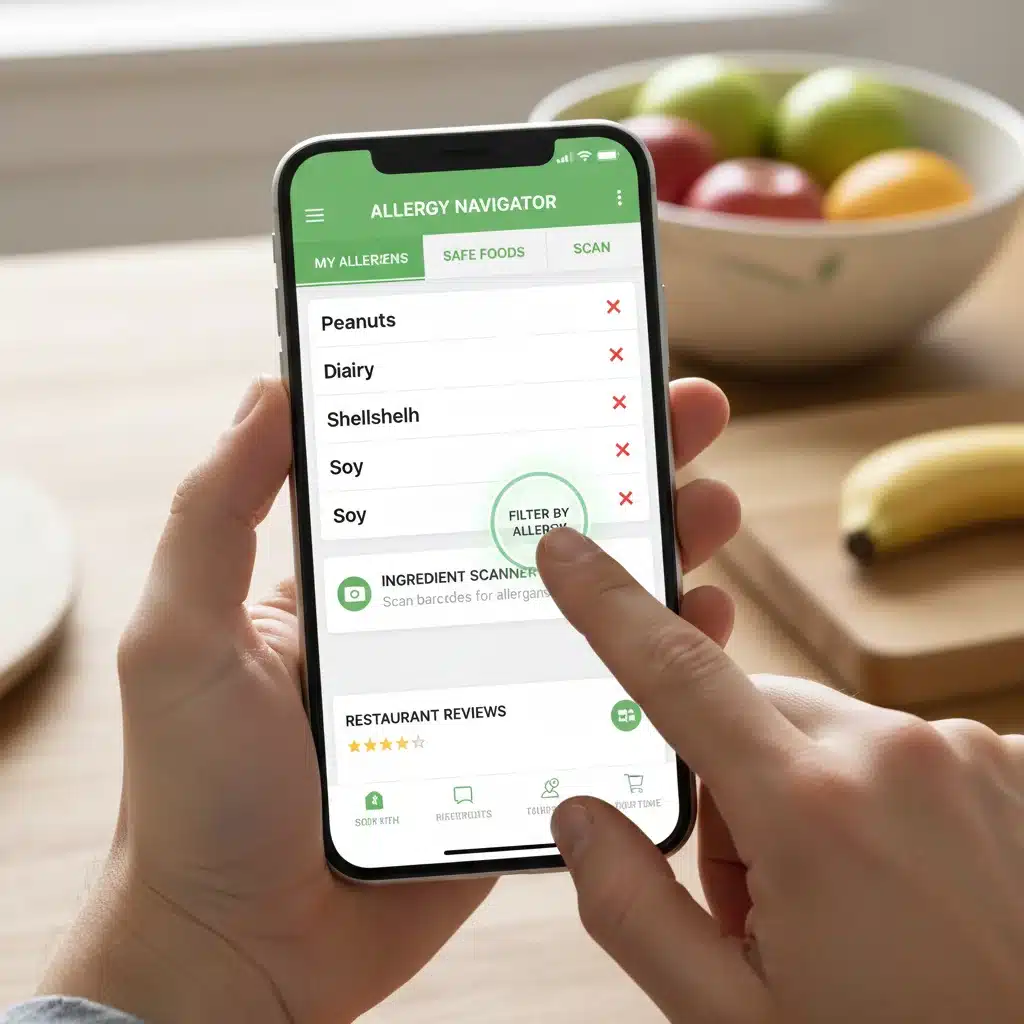
- Research Before You Go: Utilize online resources, restaurant websites, and dedicated allergy apps to check menus and allergy policies in advance.
- Call Ahead: Speak directly with a manager or chef during off-peak hours to discuss your specific needs and see if they can accommodate you.
- Communicate Clearly Upon Arrival: Inform your server immediately about all allergies. Ask them to relay the information directly to the kitchen staff and confirm that the chef has been informed.
- Chef Cards: Consider using pre-printed chef cards that clearly list all allergens and cross-contamination concerns. These can be particularly helpful in busy environments.
- Trust Your Gut: If you feel uncomfortable with the restaurant’s ability to safely accommodate your allergies, it’s always better to err on the side of caution and choose another option.
School and Childcare: Ensuring a Safe Learning Environment
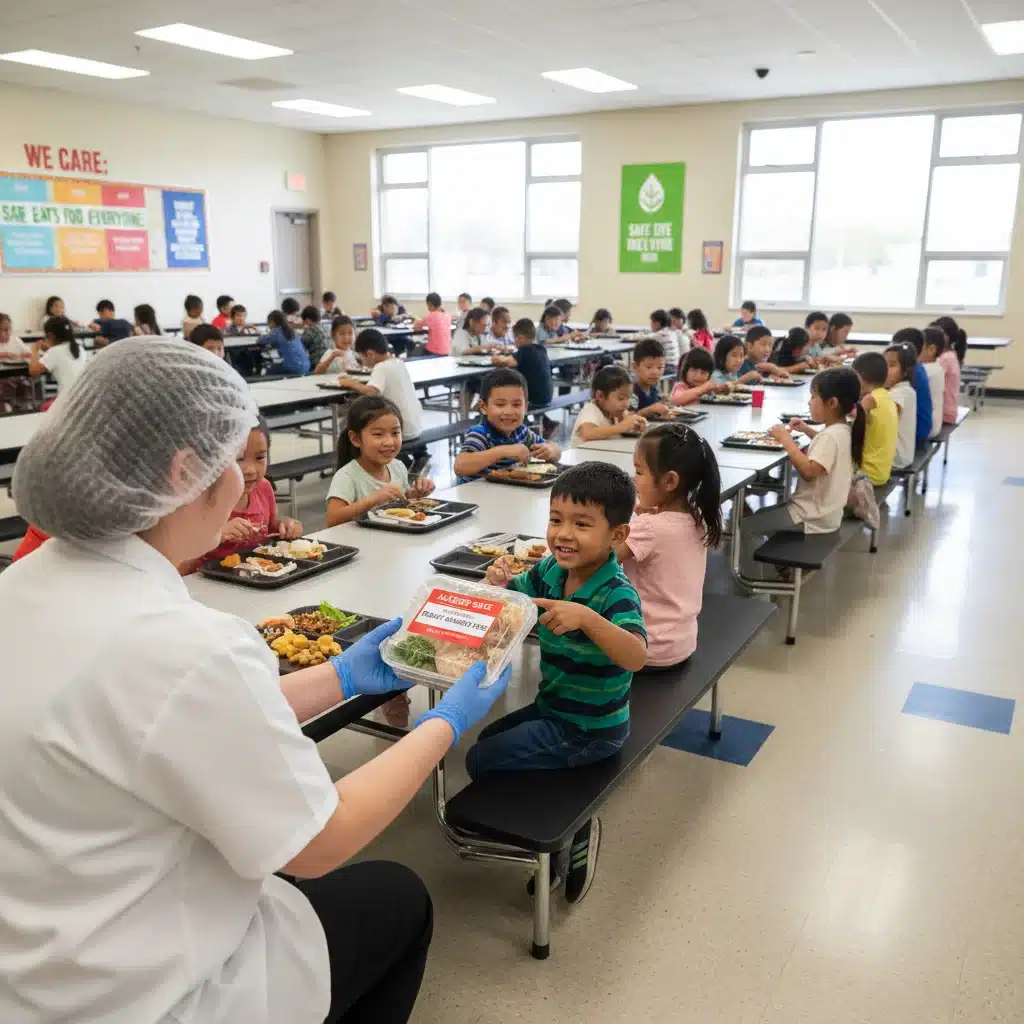
For children with food allergies, school and childcare settings require robust food allergy safety plans.
- Individualized Healthcare Plans (IHPs) and 504 Plans: Work with the school to develop a comprehensive IHP or 504 plan that outlines all necessary accommodations, including medication administration, emergency protocols, and allergen avoidance strategies.
- Educate School Staff: Ensure that all relevant staff – teachers, cafeteria workers, bus drivers, and administrative personnel – are aware of the child’s allergies and trained in emergency procedures.
- Allergy-Safe Zones: Many schools implement allergy-safe tables or classrooms where specific allergens are prohibited, minimizing risk for students with severe allergies.
- Communication with Parents of Other Children: Encourage open communication with other parents regarding classroom snacks and party food, promoting a shared responsibility for food allergy safety.
- Advocate for Allergy-Friendly Policies: Work with school administrators to implement and enforce clear, consistent allergy policies that protect all students.
Emerging Technologies and Innovations for Food Allergy Management
The pace of technological innovation is rapidly transforming food allergy safety. From smart devices to advanced food processing techniques, the future looks brighter for allergy sufferers.
Smart Devices and Wearables
- Epinephrine Auto-Injector Connectivity: Newer auto-injectors are equipped with Bluetooth connectivity, allowing them to pair with smartphones to provide real-time instructions, locate nearby emergency services, and alert caregivers.
- Allergen Detection Devices: Portable devices capable of detecting trace amounts of allergens in food are becoming more sophisticated and accessible, offering an extra layer of reassurance, particularly when dining out.
- Wearable Sensors: Research is ongoing into wearable sensors that can monitor physiological changes indicative of an allergic reaction, potentially providing early warnings.
Food Production and Labeling Innovations
- Blockchain for Supply Chain Transparency: Blockchain technology is being explored to create immutable records of food ingredients and processing, offering unparalleled transparency from farm to fork and enhancing food allergy safety.
- Advanced Allergen Removal Techniques: New methods for removing or deactivating allergens from food products are under development, potentially expanding safe food options for consumers.
- Personalized Nutrition Platforms: AI-driven platforms are emerging that can analyze an individual’s dietary needs and allergies to recommend safe and nutritious meal plans and products.
The Role of Advocacy and Community in 2026
Beyond individual and family efforts, collective action through advocacy and community support remains vital for advancing food allergy safety.
Advocating for Policy Change
Food allergy organizations and passionate individuals continue to lobby for stronger legislation, better labeling laws, and increased funding for research. Their work ensures that the needs of the food allergy community are heard at local, national, and international levels.
- Legislative Engagement: Supporting and participating in campaigns that push for clearer allergen labeling, mandatory staff training in food service, and improved emergency access to epinephrine in public spaces.
- Public Awareness Campaigns: Contributing to initiatives that educate the broader public about the seriousness of food allergies, reducing stigma and fostering a more inclusive society.
Building Supportive Communities
Connecting with others who understand the challenges of living with food allergies provides invaluable emotional and practical support.
- Online Forums and Social Media Groups: These platforms offer spaces for sharing experiences, asking questions, and getting advice from a global community.
- Local Support Groups: In-person meetings can provide a sense of belonging and opportunities for shared learning, particularly for parents navigating school and social events with their allergic children.
- Allergy-Friendly Events: Participating in or organizing events specifically designed to be allergy-safe allows individuals and families to enjoy social activities without the constant worry of allergen exposure. These events are crucial for fostering a sense of normalcy and inclusion, reinforcing the principles of food allergy safety in social settings.
Challenges and Future Outlook for Food Allergy Safety
While significant progress has been made, challenges remain in achieving universal food allergy safety. Disparities in access to care, ongoing issues with cross-contamination, and the psychological impact of living with food allergies are areas that require continued attention.
Addressing Disparities
Access to specialized allergy care, epinephrine auto-injectors, and allergy-friendly foods can be unequal, particularly in underserved communities. Future efforts must focus on ensuring equitable access to resources and education for all.
Mitigating Cross-Contamination Risks
Despite advancements, cross-contamination remains a persistent threat, especially in food manufacturing and food service. Continuous innovation in food processing and stricter adherence to protocols are essential to minimize this risk.
Mental Health and Well-being
The constant vigilance required to manage food allergies can take a toll on mental health. Support for anxiety, stress, and isolation associated with food allergies must be integrated into comprehensive care plans. This includes access to counseling and mental health professionals who understand the unique challenges faced by the food allergy community.
Conclusion: A Proactive Approach to Food Allergy Safety in 2026
Navigating food allergies in 2026 demands a proactive, informed, and collaborative approach. From staying updated on the latest scientific advancements and regulatory changes to implementing robust dining strategies and leveraging emerging technologies, every step contributes to enhancing food allergy safety. Families, individuals, and communities must work together to create environments where food allergies are understood, respected, and safely managed. By embracing education, fostering clear communication, and remaining prepared, we can ensure a safer and more inclusive future for everyone impacted by food allergies.
The journey of living with food allergies is continuous, but with the evolving tools, knowledge, and support systems available in 2026, it is a journey that can be undertaken with greater confidence and peace of mind. Let’s commit to making food allergy safety a priority, fostering a world where everyone can eat without fear.