Family Wellness Blueprint 2026: 3-Month Nutritional Standards

Achieving Optimal Family Wellness: A 3-Month Blueprint for Incorporating New Nutritional Standards in 2026
In an ever-evolving world, the pursuit of optimal health and well-being has taken center stage for families globally. As we look towards 2026, the emphasis on proactive health management and preventative nutrition becomes even more pronounced. This article introduces a comprehensive Family Wellness Blueprint designed to guide your household through a transformative 3-month journey, integrating new nutritional standards and fostering sustainable healthy habits. This isn’t just about diet; it’s about cultivating a lifestyle that prioritizes vitality, resilience, and happiness for every member of your family.
The concept of a Family Wellness Blueprint extends beyond mere meal planning. It encompasses education, active participation, and a deep understanding of how food impacts our physical and mental health. With the latest scientific advancements and dietary recommendations, 2026 brings updated insights into what constitutes truly optimal nutrition. This blueprint aims to demystify these new standards and provide actionable steps for their seamless integration into your daily family life.
Why a 3-month blueprint? Behavioral science suggests that it takes approximately 66 days for a new behavior to become automatic. A 3-month (approximately 90-day) plan offers ample time for new habits to form, solidify, and become an ingrained part of your family’s routine. It allows for gradual adjustments, learning, and adaptation, ensuring that the changes are sustainable and not overwhelming. Our goal is to empower your family to make informed choices that contribute to long-term health and a vibrant future.
This detailed guide will walk you through each month, outlining specific focuses, practical strategies, and resources to support your family on this exciting journey. From understanding macronutrients and micronutrients to exploring sustainable food choices and mindful eating practices, this blueprint covers all essential aspects of modern nutritional wellness. Let’s embark on this journey to elevate your family’s health and happiness in 2026 and beyond.
Month 1: Foundation and Awareness – Setting the Stage for Family Wellness
The first month of our Family Wellness Blueprint is dedicated to establishing a strong foundation. This involves raising awareness about current nutritional habits, understanding the ‘why’ behind new standards, and making initial, manageable changes that set the tone for the months to come. The keyword, Family Wellness Blueprint, will be a guiding principle throughout this foundational phase.
Week 1: Audit Your Current Eating Habits
Before making any changes, it’s crucial to understand where your family currently stands. Encourage everyone to participate in a ‘food journal’ for one week. This isn’t about judgment, but about observation. Note down everything consumed, including snacks and beverages. This exercise will reveal patterns, identify common processed food culprits, and highlight areas where nutritional intake might be lacking. Discuss these findings as a family, fostering an open and non-judgmental environment. This self-assessment is a vital first step in implementing the Family Wellness Blueprint.
Week 2: Understanding New Nutritional Standards for 2026
The landscape of nutrition is always evolving. In 2026, there’s an increased emphasis on plant-forward diets, gut health, personalized nutrition, and reducing added sugars and ultra-processed foods. Dedicate this week to learning about these new standards. Resources like reputable health organizations, registered dietitians’ blogs, and scientific journals can be invaluable. Focus on understanding:
- The importance of diverse plant-based foods (fruits, vegetables, legumes, whole grains).
- The role of fiber in gut health and overall well-being.
- Why reducing added sugars is critical for preventing chronic diseases.
- The benefits of healthy fats (avocado, nuts, seeds, olive oil).
- The impact of hydration on energy and bodily functions.
Engage children with age-appropriate explanations and fun facts about food. Turn learning into an adventure, not a chore. This knowledge will serve as the bedrock for your Family Wellness Blueprint.
Week 3: Kitchen Clean-Out and Pantry Makeover
Out with the old, in with the new! This week is about physically transforming your food environment. Go through your pantry, refrigerator, and freezer. Identify and remove items that don’t align with the new nutritional standards. This might include sugary cereals, excessive processed snacks, sugary drinks, and anything with a long list of unpronounceable ingredients. Replace these with healthier alternatives:
- Whole grains (oats, quinoa, brown rice, whole wheat pasta).
- Legumes (canned or dried beans, lentils).
- Nuts and seeds (almonds, walnuts, chia seeds, flax seeds).
- Frozen fruits and vegetables (for convenience).
- Healthy oils (olive oil, avocado oil).
- Herbs and spices (to add flavor without excess salt or sugar).
Involve the whole family in this process. Let children help choose new, healthy items at the grocery store. This active participation fosters ownership and excitement for the Family Wellness Blueprint.
Week 4: Mastering Meal Prepping and Healthy Snacking
The final week of Month 1 focuses on practical application. Introduce the concept of meal prepping – preparing components of meals in advance to save time and ensure healthy options are readily available. This could involve chopping vegetables, cooking a batch of grains, or preparing healthy protein sources. Also, establish a ‘healthy snack station’ with easy-to-grab options like fruit, vegetable sticks with hummus, yogurt, and nuts. This proactive approach significantly reduces the likelihood of resorting to unhealthy convenience foods. This hands-on experience is crucial for solidifying the initial steps of the Family Wellness Blueprint.
Month 2: Implementation and Exploration – Deepening Your Family’s Nutritional Journey
Month 2 of the Family Wellness Blueprint is dedicated to actively implementing the knowledge gained in Month 1 and exploring new culinary horizons. This phase emphasizes variety, mindful eating, and making healthier choices a natural part of daily life. The strategic integration of the keyword, Family Wellness Blueprint, reinforces the ongoing commitment to this lifestyle transformation.
Week 5: Embracing Plant-Forward Eating
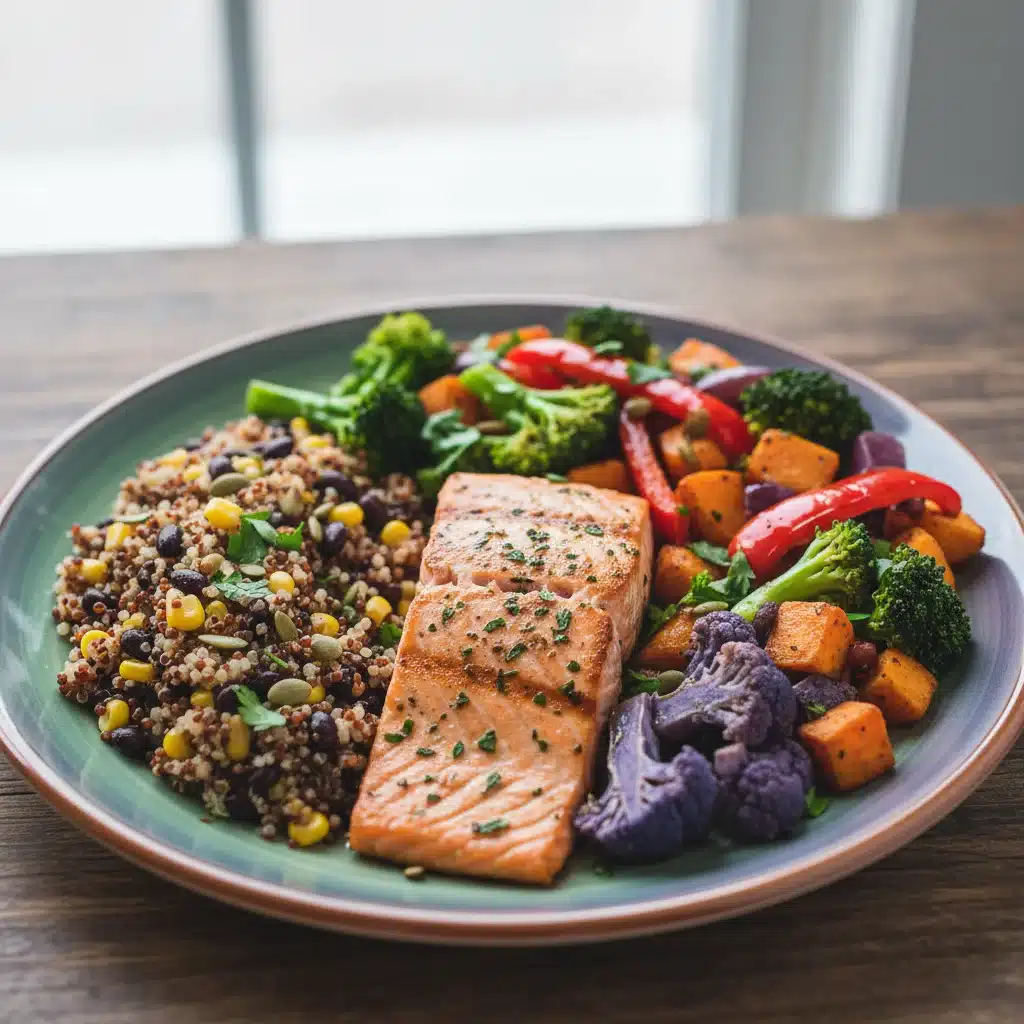
Building on the emphasis of diverse plant-based foods, this week challenges your family to incorporate more fruits, vegetables, legumes, and whole grains into every meal. Aim for at least one plant-based meal per day, or dedicate a ‘Meatless Monday’ to explore vegetarian or vegan dishes. Experiment with new vegetables and fruits. Encourage children to try a new produce item each week. Focus on colorful plates, as a wider array of colors often indicates a broader spectrum of nutrients. This shift towards plant-forward eating is a cornerstone of the 2026 nutritional standards and a key component of your Family Wellness Blueprint.
Week 6: Understanding Macronutrients and Portion Control
While calorie counting isn’t the focus, understanding the role of macronutrients (carbohydrates, proteins, fats) and practicing mindful portion control are vital. Educate your family on:
- Carbohydrates: Differentiating between complex (whole grains, vegetables) and simple (sugary drinks, white bread) carbohydrates, and their impact on energy levels.
- Proteins: The importance of lean protein sources (chicken, fish, beans, lentils, tofu) for growth, repair, and satiety.
- Fats: Identifying healthy fats (avocados, nuts, seeds, olive oil) and understanding their role in brain health and nutrient absorption.
Use visual cues for portion sizes (e.g., a deck of cards for protein, a cupped hand for grains). This week is about eating intelligently, not restrictively, fostering a balanced approach within the Family Wellness Blueprint.
Week 7: The Power of Hydration and Healthy Beverages
Often overlooked, proper hydration is fundamental to overall health. This week, make water your family’s primary beverage. Discuss the negative impacts of sugary drinks and artificial sweeteners. Experiment with infusing water with fruits and herbs for natural flavor. Set hydration goals for each family member and encourage regular water intake throughout the day. Explore healthy alternatives like unsweetened tea or sparkling water with a splash of fruit juice. Emphasizing hydration is a simple yet powerful addition to the Family Wellness Blueprint.
Week 8: Mindful Eating and Family Mealtime Rituals
Beyond what you eat, how you eat is equally important. This week focuses on mindful eating practices. Encourage your family to:
- Eat slowly and savor each bite.
- Pay attention to hunger and fullness cues.
- Minimize distractions during meals (no screens!).
- Engage in conversation and connect with each other.
Establish regular family meal times as a sacred space for connection and nourishment. Cooking together, setting the table, and sharing stories can transform meals into cherished rituals that strengthen family bonds and promote healthier eating habits. This mindful approach elevates the effectiveness of your Family Wellness Blueprint.
Month 3: Optimization and Sustainability – Cementing Your Family’s Healthy Future
The final month of the Family Wellness Blueprint is dedicated to refining your family’s new habits, exploring advanced nutritional concepts, and ensuring these positive changes are sustainable for the long term. This phase focuses on personalization, adaptability, and celebrating progress, all while reinforcing the core principles of the Family Wellness Blueprint.
Week 9: Exploring Gut Health and Fermented Foods
The gut microbiome plays a crucial role in overall health, influencing everything from digestion to immunity and mood. This week, delve into the world of gut health. Introduce fermented foods rich in probiotics, such as:
- Yogurt (plain, unsweetened).
- Kefir.
- Sauerkraut.
- Kimchi.
- Kombucha.
Discuss the benefits of a healthy gut and how these foods contribute to it. Experiment with incorporating these into meals or as snacks. Remember to start small and gradually increase intake. This advanced nutritional concept is a forward-thinking element of the Family Wellness Blueprint for 2026.
Week 10: Sustainable Food Choices and Reducing Food Waste
Our food choices not only impact our bodies but also the planet. This week, focus on sustainable eating practices. Discuss the importance of:
- Choosing local and seasonal produce.
- Reducing meat consumption (if applicable).
- Opting for ethically sourced and sustainable seafood.
- Minimizing food waste through proper storage, meal planning, and creative use of leftovers.
Visit a local farmer’s market as a family to connect with food producers and learn about seasonal offerings. Teaching children about the environmental impact of their food choices adds another layer of value to the Family Wellness Blueprint.
Week 11: Incorporating Movement and Physical Activity
While nutrition is paramount, physical activity is its indispensable partner in the pursuit of optimal wellness. This week, integrate more movement into your family’s daily routine. This doesn’t mean rigorous workouts, but rather finding enjoyable ways to be active together:
- Daily walks or bike rides.
- Playing sports in the park.
- Family dance parties.
- Hiking or exploring nature trails.
- Gardening.
The goal is to make physical activity a joyful and regular part of your family’s life, complementing the nutritional changes implemented through the Family Wellness Blueprint.

Week 12: Review, Reflect, and Plan for the Future
The final week is a crucial opportunity to review your family’s progress over the past three months. Reflect on the changes made, the challenges overcome, and the successes achieved. Celebrate your family’s commitment and newfound healthy habits. Discuss what worked well, what could be improved, and how to maintain these positive changes moving forward. Create a plan for continued growth and adaptation. This ongoing commitment ensures the long-term success of your Family Wellness Blueprint, making health a permanent fixture in your family’s life.
Overcoming Challenges and Staying Motivated
Implementing a Family Wellness Blueprint is a journey, not a destination, and it’s natural to encounter challenges along the way. Here are some strategies to help your family stay motivated and overcome common hurdles:
- Be Patient and Flexible: Not every day will be perfect. There will be slip-ups, and that’s okay. The key is to learn from them and get back on track without guilt. Flexibility is crucial, especially when navigating social events or busy schedules.
- Involve Everyone: When every family member feels a sense of ownership, they are more likely to participate and adhere to the plan. Let children help with meal planning, grocery shopping, and cooking.
- Educate, Don’t Dictate: Instead of simply telling family members what to eat, explain the ‘why’ behind healthy choices. Understanding the benefits can be a powerful motivator.
- Lead by Example: Children learn best by observing. Your commitment to the Family Wellness Blueprint will inspire them to follow suit.
- Make it Fun: Turn healthy eating and physical activity into enjoyable experiences. Experiment with new recipes, have themed dinner nights, or explore new parks and trails.
- Celebrate Small Victories: Acknowledge and celebrate every step of progress, no matter how small. This positive reinforcement can boost morale and encourage continued effort.
- Seek Support: Connect with other families on similar wellness journeys, join online communities, or consult with a registered dietitian if you need personalized guidance.
- Batch Cooking and Smart Snacking: Life gets busy. Having healthy meals and snacks prepped and ready to go can prevent resorting to less healthy convenience options during hectic times.
- Address Picky Eaters: For younger children, introduce new foods gradually and repeatedly. Don’t force them to eat something they dislike, but keep offering. Involve them in the cooking process to increase their willingness to try new things.
- Budget-Friendly Wellness: Healthy eating doesn’t have to be expensive. Focus on seasonal produce, legumes, whole grains, and home-cooked meals. Meal planning can also reduce food waste, saving money in the long run.
- Mindful Indulgence: The goal isn’t deprivation, but balance. Teach your family about mindful indulgence – enjoying treats in moderation and without guilt. This prevents feelings of restriction that can lead to overeating.
By addressing these challenges proactively and fostering a supportive environment, your family can successfully navigate the path to lasting wellness outlined in this Family Wellness Blueprint.
The Long-Term Impact of Your Family Wellness Blueprint
The 3-month journey outlined in this Family Wellness Blueprint is not merely a temporary diet or exercise regimen; it’s an investment in your family’s future. The habits formed, the knowledge gained, and the bonds strengthened during this period will have profound and lasting impacts on every aspect of your family’s life. This comprehensive approach to a Family Wellness Blueprint is designed to create a ripple effect that extends far beyond the initial 90 days.
Enhanced Physical Health
By consistently adhering to the new nutritional standards and incorporating regular physical activity, your family can expect to experience a multitude of physical health benefits. These include:
- Improved Energy Levels: A diet rich in whole, unprocessed foods provides sustained energy, reducing fatigue and promoting vitality.
- Stronger Immune Systems: Nutrient-dense foods supply the vitamins and minerals essential for a robust immune response, helping to ward off illnesses.
- Better Weight Management: Healthy eating habits and regular exercise naturally support a healthy weight, reducing the risk of obesity-related conditions.
- Reduced Risk of Chronic Diseases: Adopting a healthy lifestyle significantly lowers the likelihood of developing conditions like type 2 diabetes, heart disease, and certain cancers.
- Improved Digestion: Increased fiber intake from plant-based foods supports a healthy gut microbiome, leading to better digestive health.
- Better Sleep Quality: Regular physical activity and a balanced diet can contribute to more restful and restorative sleep for all family members.
These physical improvements contribute to a higher quality of life, allowing your family to engage more fully in activities they love.
Improved Mental and Emotional Well-being
The connection between nutrition, physical activity, and mental health is undeniable. A well-executed Family Wellness Blueprint can lead to significant improvements in mental and emotional well-being:
- Enhanced Mood: Nutrients play a crucial role in brain function and neurotransmitter production, which can positively impact mood and reduce symptoms of anxiety and depression.
- Increased Focus and Cognitive Function: A healthy diet supports optimal brain health, leading to better concentration, memory, and academic performance for children.
- Reduced Stress: Physical activity is a powerful stress reliever, and mindful eating practices can help foster a calmer, more present state of mind.
- Greater Self-Esteem and Body Image: Feeling healthier and more energetic can boost self-confidence in both children and adults.
- Stronger Family Bonds: Cooking and eating together, engaging in shared physical activities, and supporting each other through this wellness journey can significantly strengthen family relationships and communication.
The positive emotional environment fostered by a shared commitment to wellness creates a nurturing home where everyone feels supported and valued.
Sustainable Habits for Future Generations
Perhaps one of the most significant long-term impacts of this Family Wellness Blueprint is the legacy it creates. Children who grow up in a household that prioritizes healthy eating and active living are far more likely to carry these habits into adulthood and pass them on to their own families. You are not just changing your family’s present; you are shaping their future. By teaching them about food choices, cooking skills, and the importance of movement, you are equipping them with invaluable tools for a lifetime of health and happiness.
Moreover, the blueprint encourages a mindset of continuous learning and adaptation. As new scientific discoveries emerge, your family will be better prepared to understand and integrate these into their evolving wellness journey. The ability to make informed decisions about health becomes a lifelong skill, a testament to the comprehensive nature of the Family Wellness Blueprint.
In conclusion, embarking on this 3-month Family Wellness Blueprint for 2026 is an act of profound love and commitment to your family. It’s about more than just food; it’s about fostering a culture of health, resilience, and joy that will benefit every member for years to come. By taking these intentional steps, you are building a foundation for a healthier, happier, and more vibrant future for your entire household.