Navigating 2026 Federally Funded Childcare: Your Family’s Financial Guide
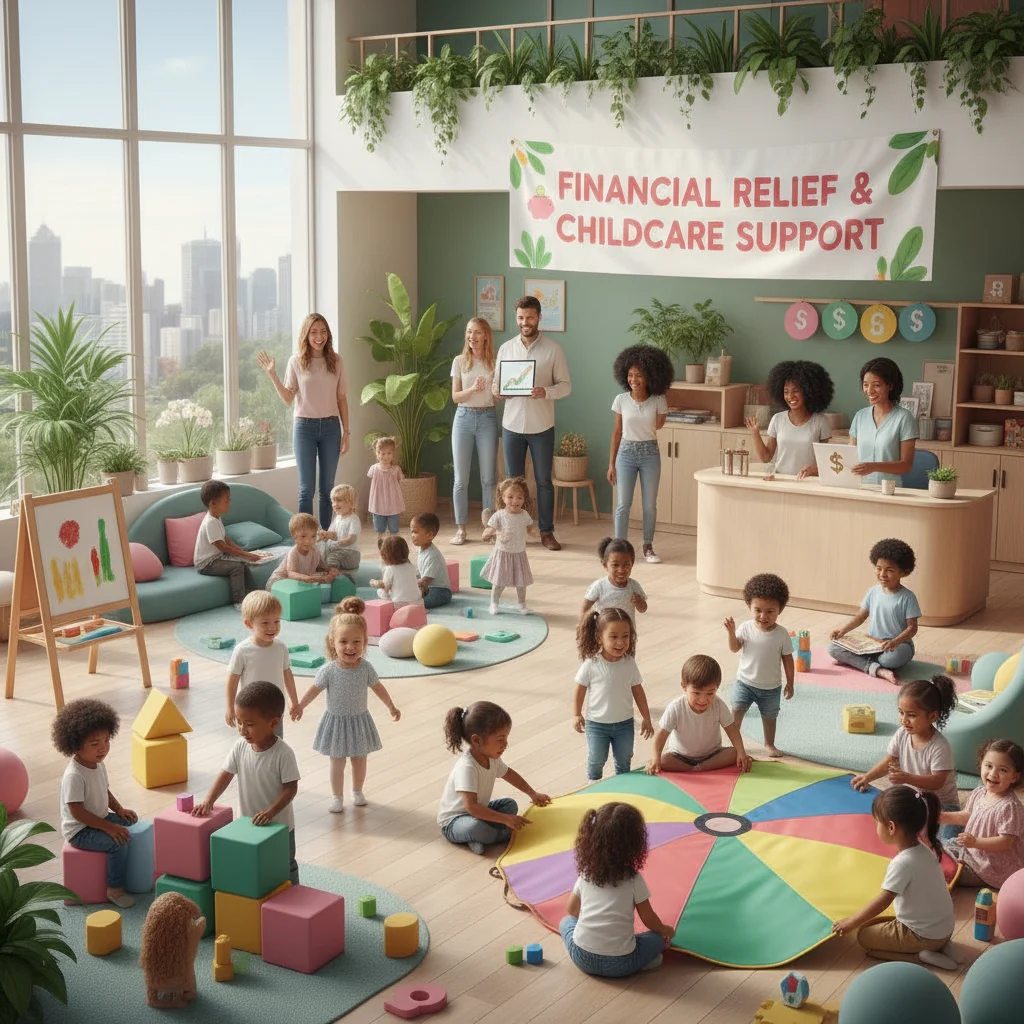
Navigating the 2026 Landscape of Federally Funded Childcare: What New Legislation Means for Your Family’s Budget
For millions of families across the United States, childcare costs represent one of the most significant financial burdens. As we look ahead to 2026, understanding the evolving landscape of federally funded childcare 2026 programs is not just beneficial, but essential for effective family budgeting and planning. Significant legislative changes and policy shifts are on the horizon, promising both opportunities and challenges for parents seeking affordable, high-quality care for their children.
The cost of childcare has steadily risen over the past decade, often surpassing housing or college tuition in many regions. This economic reality underscores the critical role that federal support plays in making childcare accessible. In this comprehensive guide, we will delve into the projected changes for federally funded childcare 2026, examining new legislation, eligibility criteria, and the direct financial impact these programs will have on your household budget. Our aim is to provide clarity and actionable insights, empowering you to navigate this complex system and secure the best possible support for your family.
Understanding the Current Childcare Crisis and Federal Response
Before we dive into the specifics of federally funded childcare 2026, it’s crucial to acknowledge the current state of childcare in the U.S. Many families face a ‘childcare desert’ – areas with insufficient licensed childcare slots – or are confronted with exorbitant costs that can consume a substantial portion of their income. This crisis impacts parents’ ability to work, hindering economic growth and perpetuating cycles of poverty.
Historically, the federal government has responded with various programs, most notably the Child Care and Development Block Grant (CCDBG). The CCDBG is the primary federal funding source for childcare subsidies to low-income families and for improving the quality of childcare for all children. While impactful, its funding levels have often been deemed insufficient to meet the widespread demand. Other programs, like Head Start and Early Head Start, target specific populations with comprehensive early learning and development services.
The push for enhanced federally funded childcare 2026 initiatives stems from a growing recognition that robust childcare infrastructure is not merely a social service but a vital economic imperative. Policymakers are increasingly aware that investing in early childhood education and care yields long-term benefits for children, families, and the economy as a whole.
Key Legislative Developments Shaping 2026 Childcare Funding
The road to 2026 is paved with ongoing legislative debates and potential new acts aimed at bolstering childcare support. While specific bills can shift, several key themes and proposed changes are consistently discussed in Washington:
- Increased CCDBG Funding: There’s a strong bipartisan push to significantly increase the allocation for the Child Care and Development Block Grant. Higher funding would allow more states to expand eligibility, reduce co-payments for families, and improve provider quality and compensation. This is a cornerstone of future federally funded childcare 2026 efforts.
- Universal Pre-Kindergarten Initiatives: Several proposals aim to establish or expand universal pre-kindergarten (UPK) programs nationwide. While the exact implementation varies by state, federal incentives and funding could make high-quality pre-K accessible to all 3- and 4-year-olds, significantly reducing childcare costs for families with children in this age group.
- Enhanced Child Tax Credit (CTC) with Childcare Components: Discussions continue around making the expanded Child Tax Credit, seen during the pandemic, permanent or introducing a new version that specifically ties benefits to childcare expenses. This could offer direct financial relief to millions of families.
- Support for Childcare Providers: Recognizing that the childcare crisis is also a workforce crisis, new legislation is likely to include provisions for better wages, training, and benefits for childcare workers. This aims to stabilize the childcare sector, reduce turnover, and improve the quality of care, which indirectly benefits families by ensuring more available and reliable options.
- Infrastructure Investments: Funding may also be directed towards improving childcare facilities, including expanding capacity, ensuring safety standards, and investing in technology to streamline administrative processes for both providers and families accessing federally funded childcare 2026.
Keeping an eye on these legislative developments through reliable news sources and government websites will be crucial for families planning their budgets for 2026 and beyond. These changes will directly influence the availability and affordability of federally funded childcare 2026 options.
Who Qualifies? Eligibility Criteria for Federally Funded Childcare in 2026
Eligibility for federally funded childcare 2026 programs will largely depend on a combination of factors, primarily income, family size, and state-specific regulations. While federal guidelines set a framework, states have significant flexibility in how they implement and administer these programs.
Income Thresholds
The primary determinant for most childcare subsidies, including those under CCDBG, is household income relative to the State Median Income (SMI) or the Federal Poverty Level (FPL). For 2026, it is anticipated that:
- CCDBG: Families are typically eligible if their income is at or below 85% of the State Median Income. Some states may set lower thresholds, but federal law allows for up to 85% SMI. Increased federal funding could encourage more states to raise their income ceilings, making more families eligible.
- Head Start/Early Head Start: These programs primarily serve families with incomes at or below the Federal Poverty Level. However, a percentage of enrollment slots are reserved for children with disabilities, homeless children, and children in foster care, regardless of income.
- Universal Pre-K: If universal pre-K programs gain federal traction, eligibility would likely be based on age (e.g., all 3- and 4-year-olds) rather than income, significantly broadening access.
It’s important to remember that these are general guidelines. Each state’s Child Care and Development Fund (CCDF) plan outlines its specific income eligibility requirements, family co-payment scales, and priorities for service. As 2026 approaches, states will update these plans in response to any new federal legislation or increased funding for federally funded childcare 2026 initiatives.
Work, Training, or Education Requirements
Many federally funded childcare 2026 programs require parents or guardians to be working, seeking employment, or participating in education or training activities. This ensures that the subsidies support families who need care to maintain employment or improve their economic self-sufficiency. There are usually exceptions for parents with disabilities or those caring for a disabled family member.
Child’s Age and Special Needs
Eligibility often depends on the child’s age, from infancy up to 13 years old, and sometimes older for children with special needs. Programs like Head Start are specifically for pre-school aged children. Families with children with disabilities may have expanded eligibility or access to specialized care options through federally funded childcare 2026 programs.
Residency and Other Factors
Applicants must typically be residents of the state where they are applying for services. Other factors, such as family homelessness, involvement with child protective services, or military status, can sometimes grant priority or special eligibility for certain programs.
To determine precise eligibility for federally funded childcare 2026, families should contact their state’s Child Care and Development Fund (CCDF) agency, often located within the Department of Social Services or a similar state-level human services department. These agencies will have the most up-to-date information as legislative changes solidify.
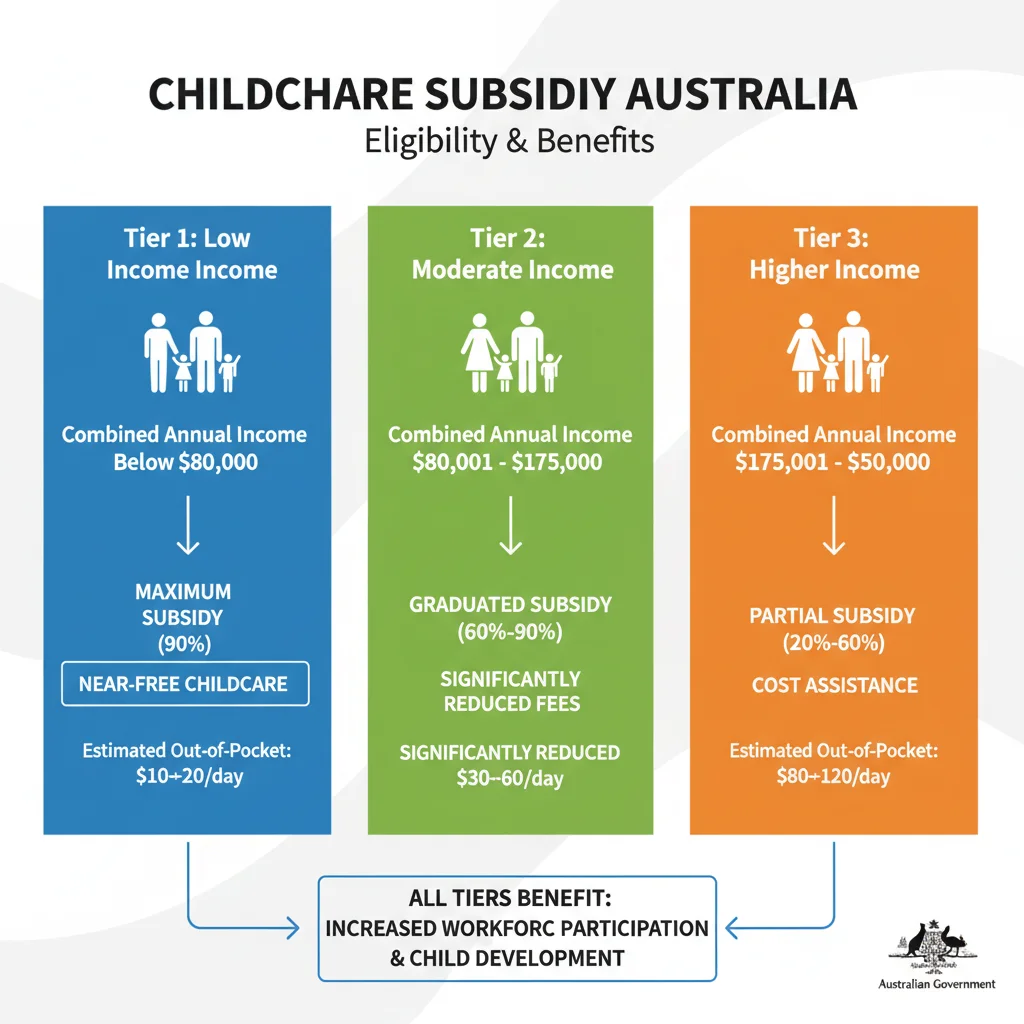
The Financial Impact: How 2026 Funding Affects Your Family’s Budget
The direct financial impact of expanded federally funded childcare 2026 programs can be transformative for families. Reduced childcare costs free up significant portions of a household budget, allowing for investments in other necessities, savings, or debt reduction.
Reduced Out-of-Pocket Expenses
The most immediate benefit is a reduction in the amount families pay for childcare. For families receiving subsidies, co-payments are typically based on a sliding scale, meaning lower-income families pay less. Increased federal funding can lower these co-payments across the board, making high-quality care more attainable without severe financial strain. For example, a family currently paying $1,200 a month for infant care might see their out-of-pocket cost drop to a few hundred dollars, or even zero, depending on their income and the state’s co-payment policy.
Access to Higher Quality Care
Beyond just affordability, federal funding often comes with quality mandates. Programs like CCDBG include provisions for improving health and safety standards, staff training, and curriculum development. This means that families not only get more affordable care but also access to higher quality environments that promote their child’s development. Investing in better care can lead to better educational outcomes for children, which has long-term financial benefits for families by fostering future success.
Increased Parental Workforce Participation
When childcare is affordable and reliable, parents – particularly mothers, who disproportionately bear the burden of childcare – are more likely to enter or remain in the workforce. This can lead to increased household income, greater financial stability, and enhanced career opportunities. The economic ripple effect of this increased participation is a key driver behind the push for robust federally funded childcare 2026.
Stimulating Local Economies
The childcare sector itself is a significant employer. Increased federal funding supports childcare businesses, allowing them to hire more staff, offer better wages, and expand their facilities. This creates jobs and stimulates local economies, further benefiting communities. The financial health of childcare providers is directly linked to the stability and availability of care options for families.
Long-Term Benefits for Child Development
While not a direct budget line item, the long-term financial benefits of early childhood education cannot be overstated. Children who attend high-quality early learning programs are more likely to succeed in school, have higher earning potential as adults, and are less likely to rely on public assistance. Investing in federally funded childcare 2026 is, therefore, an investment in the future economic well-being of families and the nation.
For families, the financial implications of these changes are profound. It means more disposable income, less stress about childcare costs, and the ability to make choices that best support their family’s economic and developmental goals. Staying informed about the specific policies that solidify for federally funded childcare 2026 will be key to maximizing these benefits.
How to Access Federally Funded Childcare Programs in 2026
Accessing federally funded childcare 2026 programs requires understanding the application process and knowing where to look for information. While specific procedures may vary by state and program, here’s a general roadmap:
1. Identify Your State’s Child Care Agency
The first step is to locate your state’s Child Care and Development Fund (CCDF) agency. This agency is typically responsible for administering federal childcare subsidies. A quick search for ‘[Your State] Child Care Assistance’ or ‘[Your State] CCDF’ should lead you to the relevant government website. This website will provide details on eligibility, application forms, and local contacts for federally funded childcare 2026.
2. Gather Required Documentation
Be prepared to provide documentation proving your eligibility. This usually includes:
- Proof of income (pay stubs, tax returns, employment verification)
- Proof of residency (utility bills, lease agreements)
- Proof of family size (birth certificates for children, guardianship papers)
- Proof of work, training, or education status (employer statements, school enrollment verification)
- Child’s birth certificate and immunization records
- Any relevant disability documentation
Having these documents organized beforehand will streamline the application process for federally funded childcare 2026.
3. Complete the Application
Applications can often be completed online, by mail, or in person at your local childcare resource and referral agency (CCR&R). These agencies are invaluable resources, offering guidance through the application process and helping you find approved childcare providers. They are the frontline for connecting families with federally funded childcare 2026 options.
4. Find an Approved Childcare Provider
Once approved for a subsidy, you’ll need to find a childcare provider that accepts the federal program. Your state’s CCDF agency or local CCR&R can provide a list of licensed and approved centers, family childcare homes, and other providers. It’s crucial to choose a provider that meets your family’s needs and maintains high-quality standards.
5. Understand Your Co-Payment
If you are approved for a subsidy, you will likely be responsible for a co-payment, which is a portion of the childcare cost you pay directly to the provider. The amount is determined by your income and family size on a sliding scale. Ensure you understand this amount and factor it into your budget.
6. Re-certification and Updates
Childcare assistance programs require periodic re-certification to confirm continued eligibility. Be diligent about submitting required paperwork on time. Also, report any changes in income, family size, or work/school status to avoid interruptions in your federally funded childcare 2026 benefits.

Challenges and Considerations for 2026
While the outlook for federally funded childcare 2026 is generally positive with increased investment, several challenges and considerations remain that families should be aware of:
Funding Volatility
Federal funding can be subject to political shifts and budget cycles. While current momentum suggests increased support, families should remain aware that future funding levels can be debated and adjusted, potentially impacting the scope of federally funded childcare 2026 programs.
Supply and Demand Imbalance
Even with increased funding, the number of available high-quality childcare slots may not immediately meet the demand, especially in childcare deserts. This means that even eligible families might face waiting lists for preferred providers. Early application and exploring multiple options are advisable.
Provider Quality and Choice
Not all childcare providers participate in federal subsidy programs. While federal initiatives push for quality improvements, families still need to do their due diligence to ensure the chosen provider meets their standards and their child’s needs. Resources like state licensing websites and local CCR&Rs can help in evaluating providers.
Navigating the Bureaucracy
The application process, while designed to be accessible, can still be complex and require significant documentation. Families may need to dedicate time and effort to gather all necessary paperwork and follow up on their applications for federally funded childcare 2026.
Impact of Inflation
Even with subsidies, the rising cost of living and inflation can continue to challenge family budgets. While federally funded childcare 2026 aims to alleviate a major expense, families will still need to manage other escalating costs for housing, food, and transportation.
The Future of Federally Funded Childcare Beyond 2026
The legislative efforts and increased focus on federally funded childcare 2026 are indicative of a broader, long-term shift in how the nation views early childhood education and care. There is a growing consensus that robust childcare infrastructure is not just a family issue but an economic and societal one.
Beyond 2026, we can anticipate continued advocacy for policies that:
- Stabilize and Expand the Childcare Workforce: Addressing the low wages and high turnover in the childcare sector will be crucial for sustaining quality and availability. Future legislation will likely include more direct support for childcare professionals.
- Integrate Early Learning with K-12 Systems: The push for universal pre-kindergarten may evolve into more seamless integration of early learning into the public education system, ensuring consistent quality and accessibility from birth through school age.
- Leverage Technology for Efficiency: Digital platforms for application, provider management, and communication will likely become more sophisticated, making it easier for families to access and manage their federally funded childcare 2026 benefits.
- Focus on Equity: Efforts will continue to ensure that childcare support reaches all families, especially those in underserved communities, rural areas, and those with children with special needs, addressing historical disparities in access and quality.
These forward-looking trends suggest that the investment in federally funded childcare 2026 is not a one-time initiative but part of a sustained commitment to building a stronger foundation for America’s children and families.
Conclusion: Preparing Your Family for 2026 and Beyond
The landscape of federally funded childcare 2026 is poised for significant transformation, offering a beacon of hope for countless families struggling with the high costs of care. New legislation, increased funding, and expanded eligibility criteria are all working towards making quality childcare more accessible and affordable. For your family, this translates into potential financial relief, greater workforce participation, and improved developmental outcomes for your children.
To fully capitalize on these changes, proactive engagement is key. Stay informed about legislative developments, understand the eligibility requirements for various programs, and be prepared to gather the necessary documentation for your applications. Utilize the resources available through your state’s Child Care and Development Fund (CCDF) agency and local Child Care Resource and Referral (CCR&R) services. These organizations are your best allies in navigating the system and connecting with approved providers.
While challenges such as funding volatility and supply-demand imbalances may persist, the overarching trend points towards a future where federally funded childcare 2026 plays an even more vital role in supporting family well-being and national economic prosperity. By staying informed and acting decisively, you can ensure your family is well-positioned to benefit from these crucial programs, securing a brighter, more financially stable future for your children.