Optimizing Family Nutrition in 2026: A 7-Day Meal Plan for Busy Households
In the whirlwind of modern life, ensuring your family receives optimal nutrition can feel like an Olympic sport. Between school runs, work commitments, extracurricular activities, and simply trying to maintain a semblance of order, healthy eating often takes a backseat. However, the importance of good family nutrition 2026 cannot be overstated. A well-nourished family is a healthier, happier, and more energetic family, better equipped to tackle daily challenges and thrive.
This comprehensive guide is designed to empower busy households with a practical, delicious, and easy-to-follow 7-day meal plan for 2026. We understand that time is a precious commodity, which is why our focus is on efficiency without compromising on taste or nutritional value. We’ll delve into the foundational principles of healthy family eating, provide actionable tips for meal prep, and present a week-long culinary journey that will simplify your life and elevate your family’s health.
The Evolving Landscape of Family Nutrition in 2026
The year 2026 brings with it new challenges and opportunities in the realm of nutrition. With increased awareness around sustainable food choices, plant-based options, and personalized dietary needs, families are seeking more tailored and environmentally conscious approaches to their meals. Our plan incorporates these modern considerations, offering flexibility and promoting a balanced intake of macronutrients and micronutrients essential for all ages.
Understanding the basic pillars of family nutrition 2026 is the first step. This includes a diverse array of whole grains, lean proteins, healthy fats, and an abundance of fruits and vegetables. Limiting processed foods, excessive sugars, and unhealthy fats remains a cornerstone of good health. We also acknowledge the growing trend of food allergies and sensitivities, and while our plan offers general guidance, we always recommend consulting with a healthcare professional or registered dietitian for personalized advice, especially for specific dietary restrictions.
Why a Meal Plan is Your Secret Weapon for Family Nutrition
For busy parents, a well-structured meal plan is more than just a list of recipes; it’s a strategic tool that saves time, reduces stress, minimizes food waste, and ultimately ensures better health outcomes for the entire family. Here’s why you need one:
- Time-Saving: No more last-minute scrambling or endless pondering over what to cook. Your plan is set, making grocery shopping and meal preparation much faster.
- Budget-Friendly: Planning helps you buy only what you need, reducing impulse purchases and food waste, which can significantly cut down your grocery bill.
- Nutritional Assurance: With a plan, you can consciously balance meals to ensure your family gets a wide range of nutrients throughout the week. This is key for robust family nutrition 2026.
- Reduced Stress: Knowing what’s for dinner removes a significant daily stressor, freeing up mental energy for other important tasks.
- Variety and Discovery: A meal plan encourages you to try new recipes and ingredients, expanding your family’s palate and preventing mealtime boredom.
- Portion Control: Planning meals often leads to more mindful eating and better portion control, which is beneficial for weight management and overall health.
Pre-Planning for Success: Essential Tips Before You Start
Before diving into the 7-day meal plan, a little preparation goes a long way. These tips will help you maximize efficiency and ensure a smooth week of healthy eating:
1. Involve the Family
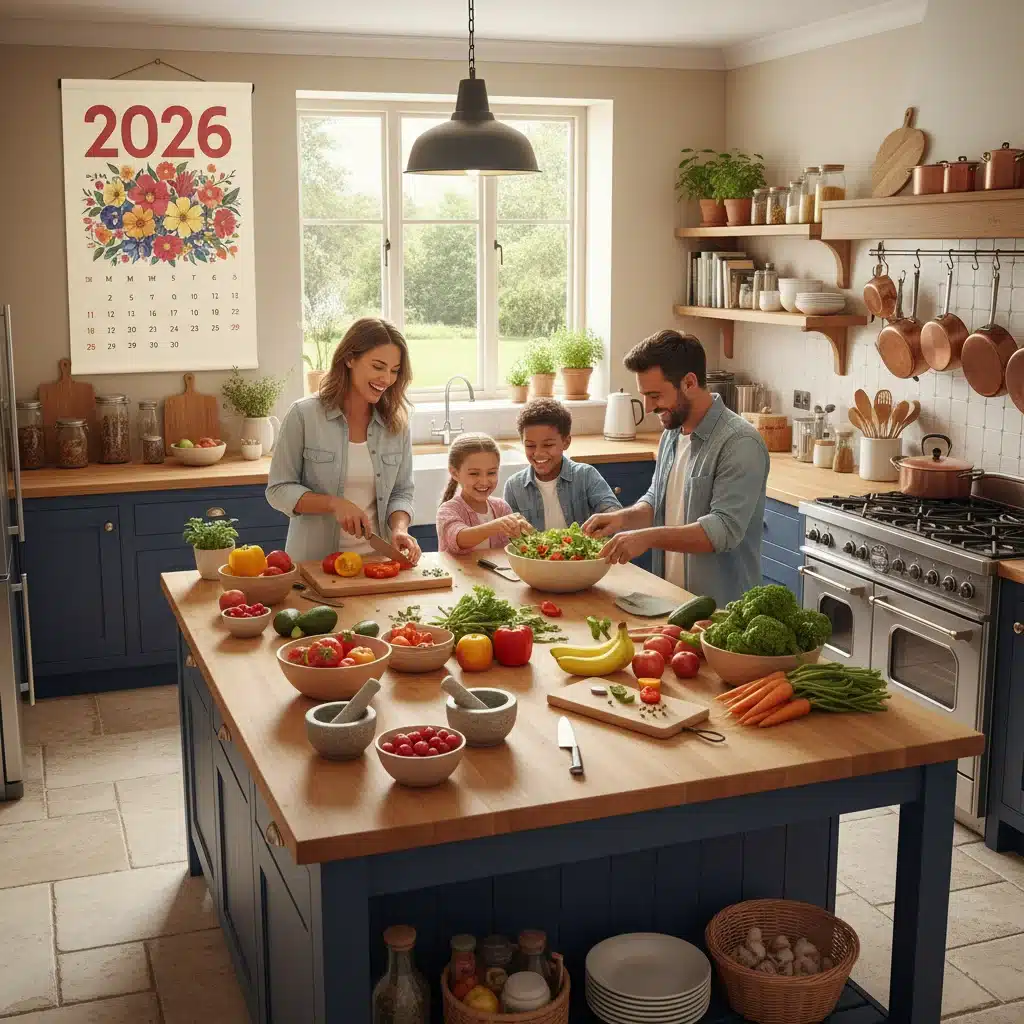
Encourage your children and partner to contribute ideas for meals. When kids feel they have a say, they are more likely to eat what’s served. This also teaches them about healthy food choices and the importance of balanced family nutrition 2026.
2. Check Your Pantry and Fridge
Before making your grocery list, take inventory of what you already have. This prevents duplicate purchases and helps you utilize ingredients before they expire.
3. Schedule Your Shopping
Dedicate a specific time each week for grocery shopping. Whether it’s an online order or a trip to the supermarket, sticking to a schedule makes it a routine rather than a chore.
4. Master Meal Prep
Dedicate a few hours, typically on a Sunday, to prep ingredients for the week ahead. This could include:
- Washing and chopping vegetables.
- Cooking grains like quinoa or brown rice.
- Grilling or baking a batch of chicken or fish.
- Making a large batch of salad dressing or a healthy dip.
This foresight drastically cuts down cooking time on busy weeknights, making family nutrition 2026 more achievable.
5. Invest in Good Containers
A set of high-quality, airtight food storage containers is invaluable for meal prepping and storing leftovers safely. Glass containers are often preferred for their durability and non-reactive nature.
6. Be Flexible
Life happens! Don’t be discouraged if you need to swap meals around or order takeout occasionally. The goal is progress, not perfection. Adjust your plan as needed to fit your family’s schedule and preferences.
The 7-Day Meal Plan for Optimal Family Nutrition in 2026
This meal plan is designed to be flexible and adaptable. Feel free to swap out proteins or vegetables based on your family’s preferences and what’s in season. The key is to maintain balance and variety.
Day 1: Mediterranean Monday
- Breakfast: Greek yogurt with berries, a sprinkle of granola, and a drizzle of honey.
- Lunch: Whole-wheat pita pockets filled with hummus, cucumber, tomatoes, and feta cheese.
- Dinner: Baked salmon with roasted asparagus and quinoa.
- Snacks: Apple slices with almond butter, a handful of olives.
Why it works: Rich in omega-3s, lean protein, and fiber, this day kicks off family nutrition 2026 with heart-healthy ingredients.
Day 2: Taco Tuesday Twist
- Breakfast: Scrambled eggs with spinach and whole-wheat toast.
- Lunch: Leftover baked salmon and quinoa salad.
- Dinner: Lean ground turkey tacos with whole-wheat tortillas, shredded lettuce, diced tomatoes, avocado, and a sprinkle of low-fat cheese.
- Snacks: Carrot sticks with guacamole, a small banana.
Why it works: A fun and customizable meal that gets everyone involved, packed with protein and fresh veggies.
Day 3: Wholesome Wednesday
- Breakfast: Oatmeal with mixed nuts and a touch of maple syrup.
- Lunch: Turkey and cheese roll-ups (using whole-wheat tortillas) with a side of bell pepper strips.
- Dinner: Chicken and vegetable stir-fry with brown rice. Use a variety of colorful vegetables like broccoli, carrots, snap peas, and bell peppers.
- Snacks: Rice cakes with cream cheese, a handful of grapes.
Why it works: A balanced day focusing on complex carbohydrates and a wide array of vitamins from the stir-fry, contributing significantly to optimal family nutrition 2026.

Day 4: Thrifty Thursday
- Breakfast: Whole-wheat pancakes with fresh fruit and a dollop of Greek yogurt.
- Lunch: Leftover chicken and vegetable stir-fry.
- Dinner: Lentil soup with a side of whole-grain bread. This is a budget-friendly, protein-packed, and comforting meal.
- Snacks: Hard-boiled egg, orange segments.
Why it works: Lentils are a powerhouse of plant-based protein and fiber, making this an economical and highly nutritious choice for family nutrition 2026.
Day 5: Fantastic Friday
- Breakfast: Smoothie made with spinach, banana, almond milk, and a scoop of protein powder (optional).
- Lunch: Tuna salad (made with Greek yogurt instead of mayo) on whole-wheat crackers with cherry tomatoes.
- Dinner: Homemade whole-wheat pizza with plenty of vegetable toppings (mushrooms, onions, bell peppers, olives) and lean protein (chicken or turkey pepperoni).
- Snacks: Edamame, a small handful of mixed nuts.
Why it works: A fun and customizable meal that allows for creativity and ensures a good intake of vegetables, ending the school/work week on a high note for family nutrition 2026.
Day 6: Super Saturday
- Breakfast: Whole-wheat waffles with fresh berries and a light syrup.
- Lunch: Large mixed green salad with grilled chicken or chickpeas, various veggies, and a light vinaigrette.
- Dinner: Lean beef or black bean burgers on whole-wheat buns with sweet potato fries and a side salad.
- Snacks: Cottage cheese with pineapple, air-popped popcorn.
Why it works: Saturday meals are often more relaxed. This plan offers hearty, satisfying options while maintaining nutritional balance, perfect for fueling weekend activities and supporting family nutrition 2026.
Day 7: Soulful Sunday
- Breakfast: Omelets or frittatas loaded with vegetables (onions, peppers, mushrooms) and a sprinkle of cheese.
- Lunch: Leftover burgers or salad from Saturday.
- Dinner: Roasted chicken with root vegetables (carrots, potatoes, parsnips) and a side of steamed green beans.
- Snacks: Fruit salad, rice cakes with avocado.
Why it works: A classic, comforting meal that’s easy to prepare and provides excellent lean protein and complex carbohydrates, setting the stage for another week of healthy family nutrition 2026.
Beyond the Plate: Holistic Approaches to Family Nutrition
While a meal plan is crucial, optimizing family nutrition 2026 involves more than just what’s on the plate. It’s about fostering a healthy relationship with food, encouraging mindful eating habits, and making nutrition an enjoyable part of family life.
1. Hydration is Key
Encourage water consumption throughout the day. Keep reusable water bottles handy and accessible for everyone. Limit sugary drinks, which contribute empty calories and can negatively impact health.
2. Mindful Eating Practices
Teach your family to eat slowly, savor their food, and listen to their body’s hunger and fullness cues. Eating together as a family, free from distractions like screens, can foster better communication and more mindful eating habits.
3. Smart Snacking
Snacks are an important part of family nutrition 2026, especially for growing children. Focus on nutrient-dense options like fruits, vegetables, nuts, seeds, and yogurt rather than highly processed snacks.
4. Educate and Empower
Involve children in the cooking process, from grocery shopping to meal preparation. Teach them about different food groups, where food comes from, and why certain foods are good for their bodies. This empowers them to make healthier choices as they grow.

5. Lead by Example
Children learn by observing. When parents prioritize healthy eating and an active lifestyle, children are more likely to adopt similar habits. Be a positive role model for family nutrition 2026.
6. Don’t Fear the Occasional Treat
A healthy diet doesn’t mean never enjoying treats. The 80/20 rule (80% healthy, 20% treats) is a good guideline. Depriving children completely can lead to unhealthy cravings and behaviors. Moderation is key.
Adapting the Meal Plan to Your Family’s Needs
This 7-day meal plan is a template. Feel free to customize it to fit your family’s unique tastes, dietary restrictions, and cultural preferences. Here are some ideas for adaptation:
- Vegetarian/Vegan Options: Easily swap animal proteins for plant-based alternatives like lentils, beans, tofu, tempeh, or seitan. Many recipes can be adapted by using vegetable broth and plant-based milks.
- Allergies and Sensitivities: Be diligent about reading food labels and substituting ingredients that trigger allergies. For example, gluten-free grains or dairy-free alternatives can be seamlessly integrated.
- Picky Eaters: Introduce new foods gradually and creatively. ‘Deconstructed’ meals (like tacos or stir-fries where components are separate) can be appealing. Don’t force-feed; offer healthy options and let children choose what they eat from those options. Patience is crucial for fostering good family nutrition 2026 habits.
- Budget Constraints: Focus on seasonal produce, bulk buying staples like grains and legumes, and utilizing affordable protein sources like eggs, beans, and chicken thighs. Meal prepping leftovers also significantly reduces costs.
- Time Constraints: Lean heavily on batch cooking and pre-chopped ingredients. Utilize slow cookers, instant pots, and sheet pan meals for minimal active cooking time.
Long-Term Benefits of Prioritizing Family Nutrition
Investing time and effort into family nutrition 2026 yields invaluable long-term benefits. A well-balanced diet supports:
- Improved Physical Health: Reduced risk of chronic diseases such as heart disease, type 2 diabetes, and certain cancers. Stronger immune systems and better bone health.
- Enhanced Cognitive Function: Better concentration, memory, and academic performance in children. Sustained mental clarity for adults.
- Better Mood and Energy Levels: Stable blood sugar levels prevent energy crashes and mood swings, contributing to overall well-being.
- Healthy Growth and Development: Essential nutrients are critical for children’s proper growth, development of organs, and brain function.
- Stronger Family Bonds: Cooking and eating together create opportunities for connection, communication, and shared experiences.
Conclusion: Making Family Nutrition in 2026 a Sustainable Reality
Optimizing family nutrition 2026 doesn’t have to be an overwhelming task. With a well-thought-out meal plan, strategic meal prep, and a commitment to healthy eating habits, busy households can achieve their nutritional goals with ease and enjoyment. This 7-day meal plan provides a solid foundation, but remember that consistency and flexibility are your greatest allies.
Embrace the journey of nourishing your family, one delicious and healthy meal at a time. The benefits extend far beyond the dinner table, contributing to a lifetime of health, happiness, and vitality for every member of your household. Start today, and make 2026 the year your family truly thrives on good nutrition!