Behavioral Therapy Trends 2026: ABA & Beyond for U.S. Parents

Behavioral Therapy Trends for 2026: What U.S. Parents Need to Know About ABA and Beyond
As we approach 2026, the landscape of behavioral therapy is continuously evolving, bringing with it new hope, innovative approaches, and refined methodologies for supporting children and families across the United States. For parents navigating the complexities of developmental challenges, understanding these emerging behavioral therapy trends is crucial. This comprehensive guide will delve into the advancements in Applied Behavior Analysis (ABA), explore complementary and holistic therapies, and highlight what U.S. parents can expect in the coming years. Our goal is to equip you with the knowledge needed to make informed decisions about your child’s care, ensuring they receive the most effective and compassionate support available.
The field of behavioral health is dynamic, driven by ongoing research, technological innovations, and a deeper understanding of individual needs. While ABA therapy remains a cornerstone for many, especially those on the autism spectrum, its application is becoming increasingly sophisticated. Beyond ABA, we are witnessing a surge in integrated care models, personalized interventions, and a greater emphasis on family involvement. These behavioral therapy trends reflect a broader shift towards holistic well-being, acknowledging that a child’s development is influenced by a multitude of factors, from their immediate environment to their emotional and social connections.
For U.S. parents, staying abreast of these developments can feel overwhelming. The sheer volume of information, coupled with the emotional investment in a child’s progress, makes it essential to have clear, reliable resources. This article aims to be one such resource, breaking down complex topics into digestible insights and offering practical advice. We will discuss how technology is enhancing therapy delivery, the growing importance of cultural competence, and the shift towards strength-based approaches. By understanding these behavioral therapy trends, parents can advocate more effectively for their children and participate more actively in their therapeutic journey.
The Evolution of ABA Therapy: More Personalized and Integrated
Applied Behavior Analysis (ABA) has long been recognized as an evidence-based intervention, particularly for individuals with Autism Spectrum Disorder (ASD). However, the ABA of 2026 is not the ABA of a decade ago. The field is undergoing significant transformation, moving towards more individualized, naturalistic, and client-centered approaches. This evolution is one of the most significant behavioral therapy trends parents should be aware of.
Individualized Treatment Plans
Gone are the days of one-size-fits-all ABA programs. Modern ABA emphasizes highly personalized treatment plans that are meticulously tailored to each child’s unique strengths, challenges, interests, and family values. This means a deeper dive into functional assessments to understand the ‘why’ behind behaviors, rather than just focusing on their reduction. Therapists are now prioritizing skill acquisition that directly enhances a child’s quality of life, independence, and social participation. This involves collaboration with parents to identify meaningful goals, ensuring that interventions are relevant and impactful in the child’s daily routines.
Naturalistic Teaching Strategies
Another prominent trend is the increased use of naturalistic teaching strategies (NTS). While discrete trial training (DTT) still has its place, NTS, such as Pivotal Response Treatment (PRT) and Natural Environment Teaching (NET), are becoming more prevalent. These methods integrate learning opportunities into everyday activities and play, making therapy more engaging, less restrictive, and more generalizable to real-world settings. For parents, this means therapy sessions might look more like structured play or everyday interactions, fostering intrinsic motivation and enjoyment for the child. This shift is vital in making ABA feel less clinical and more integrated into a child’s natural learning environment, aligning with positive behavioral therapy trends.
Emphasis on Social Validity and Client Dignity
The ethical considerations within ABA have also been a major focus of recent advancements. There’s a heightened emphasis on social validity, ensuring that the goals, procedures, and outcomes of therapy are meaningful and acceptable to the client and their family. Furthermore, client dignity and assent are paramount. This involves actively seeking a child’s cooperation and preferences, respecting their autonomy, and ensuring that therapy is conducted in a way that is respectful and empowering. These ethical refinements are crucial for building trust and fostering a positive therapeutic relationship, reflecting a maturation in behavioral therapy trends.
Integration with Other Therapies
One of the most exciting behavioral therapy trends is the increasing integration of ABA with other therapeutic modalities. Rather than operating in silos, ABA practitioners are collaborating more closely with speech-language pathologists, occupational therapists, physical therapists, and mental health professionals. This interdisciplinary approach ensures a more comprehensive and holistic support system for the child. For instance, an ABA program might incorporate strategies from speech therapy to improve communication skills or from occupational therapy to address sensory sensitivities. This integrated model provides a more cohesive and effective intervention plan, addressing all facets of a child’s development.
Beyond ABA: Emerging and Complementary Behavioral Therapy Trends
While ABA continues to evolve, the field of behavioral health is also witnessing the rise of various complementary and alternative therapies that are gaining traction for their potential to enhance overall well-being and address specific challenges. These behavioral therapy trends offer parents a broader spectrum of choices and opportunities for integrated care.
Cognitive Behavioral Therapy (CBT) for Children
CBT, traditionally used for adults, is increasingly being adapted and utilized effectively for children and adolescents. It helps children identify and challenge negative thought patterns and develop coping mechanisms for anxiety, depression, and anger management. For children with behavioral challenges that stem from emotional dysregulation, CBT can be a powerful tool, often used in conjunction with other behavioral interventions. It teaches children to understand the connection between their thoughts, feelings, and behaviors, empowering them to make more positive choices. This integration of cognitive strategies is a significant behavioral therapy trend.
Mindfulness and Stress Reduction Techniques
The benefits of mindfulness are not just for adults. Mindfulness-based interventions are being introduced to children to help them manage stress, improve focus, and regulate emotions. Techniques such as guided meditation, deep breathing exercises, and mindful movement can be incorporated into daily routines or used as specific therapeutic tools. For children who experience anxiety or sensory overload, mindfulness can provide valuable self-regulation strategies, contributing to a more balanced emotional state. This focus on internal regulation is an exciting development in behavioral therapy trends.
Play Therapy and Expressive Arts Therapy
Recognizing that play is a child’s natural language, play therapy remains a vital approach for helping children process emotions, resolve conflicts, and develop social skills. Expressive arts therapy, including art, music, and drama therapy, offers non-verbal outlets for children to communicate their feelings and experiences. These therapies are particularly beneficial for children who struggle with verbal expression or who have experienced trauma. They provide a safe and creative space for emotional exploration and healing, making them important behavioral therapy trends for holistic development.
Neurofeedback and Biofeedback
As technology advances, so do our understanding and ability to influence brain activity. Neurofeedback and biofeedback are emerging as promising tools in behavioral therapy. Neurofeedback trains individuals to self-regulate their brainwave patterns, which can help improve attention, reduce impulsivity, and manage anxiety. Biofeedback teaches control over physiological responses like heart rate and muscle tension. While still considered supplemental, these therapies offer non-pharmacological avenues for addressing underlying neurological patterns that contribute to behavioral challenges, representing cutting-edge behavioral therapy trends.
The Role of Technology in Behavioral Therapy in 2026
Technology is not just changing how we live; it’s revolutionizing how behavioral therapy is delivered and experienced. For 2026, technology will play an even more integral role in enhancing accessibility, personalization, and effectiveness, profoundly influencing behavioral therapy trends.
Telehealth and Remote Services
The pandemic significantly accelerated the adoption of telehealth, and it’s here to stay. Remote behavioral therapy services offer unparalleled accessibility, especially for families in rural areas, those with transportation challenges, or individuals with compromised immune systems. Telehealth platforms allow for virtual therapy sessions, parent training, and even group interventions, ensuring continuity of care regardless of geographical barriers. This widespread acceptance and refinement of telehealth are definitive behavioral therapy trends for the future.
AI and Data-Driven Personalization
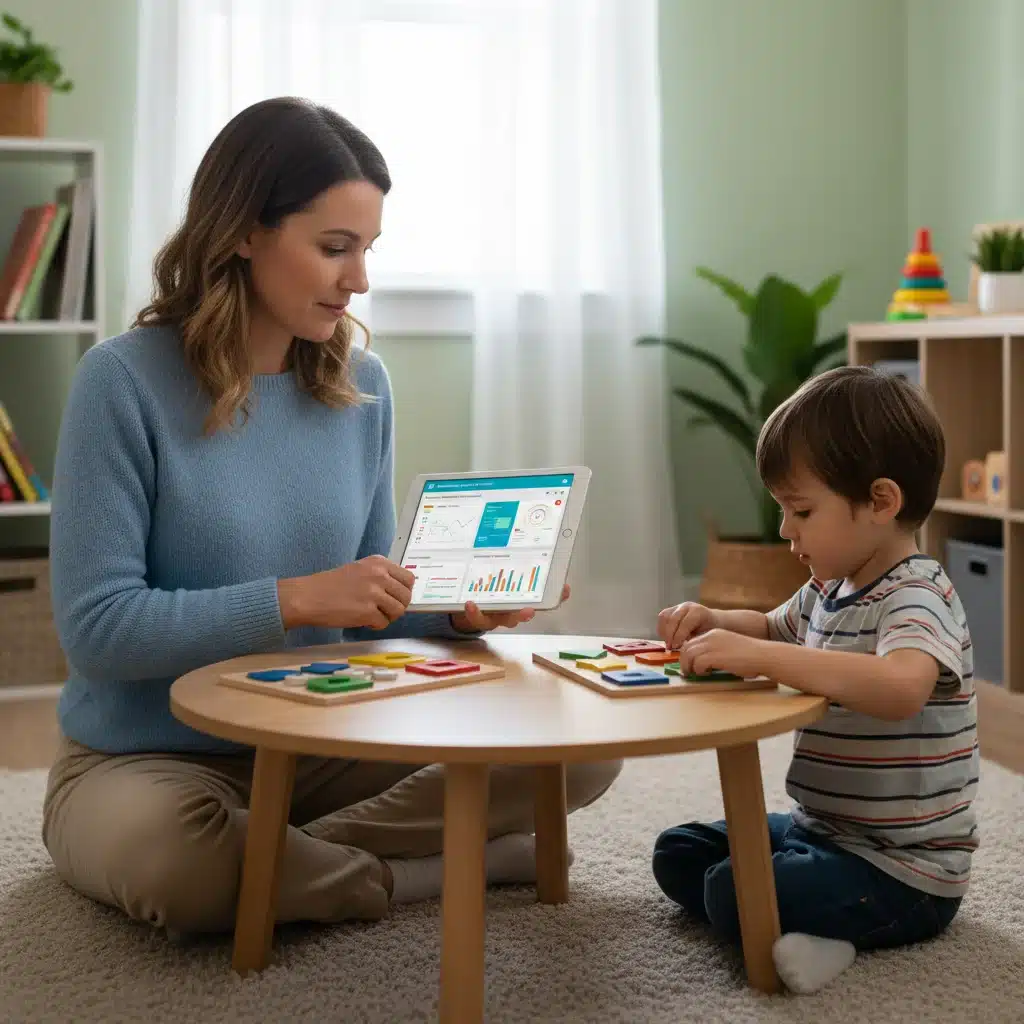
Artificial intelligence (AI) is beginning to transform how therapy is personalized and optimized. AI algorithms can analyze vast amounts of data from therapy sessions, progress reports, and even wearable devices to identify patterns, predict responses, and suggest tailored interventions. This data-driven approach allows therapists to make more informed decisions, refine treatment plans in real-time, and identify what strategies are most effective for a particular child. The ethical implications of data privacy are being carefully considered as this behavioral therapy trend gains momentum.
Virtual Reality (VR) and Augmented Reality (AR)
VR and AR are opening up new frontiers for therapeutic interventions. These immersive technologies can create safe, controlled environments for children to practice social skills, confront phobias, or learn coping strategies. For example, a child with social anxiety could practice interactions in a virtual classroom before facing a real one. VR can also be used for desensitization therapies, allowing children to gradually expose themselves to challenging stimuli in a supportive setting. These innovative tools are set to become significant behavioral therapy trends in experiential therapy.
Gamification and Therapeutic Apps
Engaging children in therapy can sometimes be a challenge. Gamification, the application of game-design elements and game principles in non-game contexts, is making therapy more fun and motivating. Therapeutic apps designed for smartphones and tablets offer interactive exercises, skill-building games, and progress tracking tools that children can use between sessions. These apps can reinforce learned behaviors, provide immediate feedback, and make the learning process enjoyable, thereby increasing engagement and adherence to treatment plans. This playful approach is a growing behavioral therapy trend.
The Importance of Family-Centered Care and Parent Training
In 2026, a critical aspect of effective behavioral therapy will be the continued emphasis on family-centered care. Recognizing that parents are a child’s first and most influential teachers, robust parent training and active family involvement are becoming non-negotiable behavioral therapy trends.
Empowering Parents as Co-Therapists
Modern behavioral therapy models view parents not just as recipients of information but as active partners and ‘co-therapists.’ Parent training programs are designed to equip parents with the knowledge, skills, and strategies needed to implement therapeutic techniques in the home and community. This includes understanding the principles of behavior, learning how to manage challenging behaviors, and fostering positive interactions. When parents are empowered, they can create a consistent and supportive environment that reinforces therapeutic gains, leading to better long-term outcomes. This empowerment is a cornerstone of effective behavioral therapy trends.
Support Networks and Community Resources
Beyond individual family training, there’s a growing recognition of the importance of building strong support networks for families. This includes facilitating connections with other parents facing similar challenges, providing access to community resources, and offering guidance on navigating educational and healthcare systems. Support groups, workshops, and online forums can provide invaluable emotional support, practical advice, and a sense of community, reducing feelings of isolation. This holistic approach to family support is a key behavioral therapy trend.
Cultural Competence and Diversity in Care
As the U.S. population becomes increasingly diverse, cultural competence in behavioral therapy is more important than ever. Therapists and programs are striving to understand and respect the cultural backgrounds, values, and beliefs of the families they serve. This means tailoring interventions to be culturally sensitive, using language-appropriate materials, and recognizing how cultural factors might influence a child’s behavior and a family’s approach to therapy. Providing culturally competent care ensures that therapy is not only effective but also respectful and relevant to each family, a vital aspect of future behavioral therapy trends.
Navigating the Future: What Parents Should Ask and Look For
With these behavioral therapy trends in mind, U.S. parents are better positioned to advocate for their children. Here are some key questions to ask and qualities to look for when seeking behavioral therapy services in 2026:
Questions to Ask Potential Providers:
- What is your approach to individualizing treatment? Look for providers who emphasize personalized plans based on comprehensive assessments.
- How do you incorporate naturalistic teaching strategies? Inquire about their use of play-based learning and integration into daily routines.
- What is your ethical framework regarding client dignity and assent? Ensure they prioritize the child’s comfort, preferences, and respect.
- How do you collaborate with other professionals (e.g., SLPs, OTs)? Seek providers who are part of an interdisciplinary team or actively seek collaboration.
- What role do parents play in the therapy process, and what training is provided? Look for robust parent training programs and active family involvement.
- How do you utilize technology in your practice (e.g., telehealth, data tracking, apps)? Understand their technological capabilities and how they enhance therapy.
- How do you ensure cultural competence in your services? Discuss how they address diversity and tailor care to cultural backgrounds.
- What are your outcome measures, and how do you track progress? Reputable providers will have clear ways to measure and report on a child’s progress.
Qualities to Look for in a Therapy Program:
- Evidence-Based Practices: Ensure the program utilizes interventions supported by scientific research.
- Qualified and Compassionate Staff: Look for certified professionals (e.g., BCBAs for ABA) who demonstrate empathy and a genuine connection with children.
- Flexibility and Adaptability: The program should be able to adjust to a child’s evolving needs and progress.
- Strong Communication: Regular and transparent communication between therapists and parents is crucial.
- Focus on Generalization: The program should aim for skills learned in therapy to be applicable across different environments and people.
- Positive Reinforcement Emphasis: A focus on reinforcing desired behaviors rather than solely punishing undesired ones.
- Holistic View: Acknowledgment of the child’s overall well-being, including emotional, social, and physical health.

Conclusion: A Brighter Future for Behavioral Therapy
The behavioral therapy trends for 2026 paint a hopeful picture for U.S. parents seeking support for their children. The field is moving towards more personalized, integrated, ethical, and technologically advanced approaches. ABA therapy is becoming more refined and humane, while complementary therapies offer broader avenues for holistic development. The increasing emphasis on family-centered care and parent empowerment ensures that interventions are not confined to clinic walls but extend into the child’s natural environment, fostering lasting change.
By understanding these evolving behavioral therapy trends, parents can become more informed advocates, asking the right questions and seeking out programs that align with the latest best practices. The future of behavioral therapy is one of collaboration, innovation, and a deep commitment to enhancing the lives of children and families. As we move forward, the focus remains on empowering children to reach their full potential, thrive in their communities, and lead fulfilling lives. The journey may be challenging, but with these advancements, the path to effective support is clearer and more promising than ever before.