Modern US Family Mental Health: 3 Innovative Approaches for 2026
Anúncios
Modern US Family Mental Health: 3 Innovative Approaches for 2026
The landscape of family life in the United States is constantly evolving, bringing with it new opportunities and unique challenges. As we look towards 2026, the imperative to prioritize family mental wellness has never been clearer. Modern families navigate a complex world marked by digital saturation, economic pressures, social shifts, and an ever-present need for connection. Traditional approaches to mental health, while valuable, often fall short in addressing the multifaceted needs of today’s households. This article delves into three innovative strategies poised to redefine and strengthen family mental wellness across the US, offering practical insights and forward-thinking solutions.
Anúncios
Understanding the current state of family mental wellness requires acknowledging the unique stressors impacting parents, children, and adolescents. From the pressures of academic achievement and social media comparison to the anxieties surrounding global events and economic stability, families are under immense strain. The COVID-19 pandemic, in particular, accelerated a growing awareness of mental health vulnerabilities and the critical need for accessible, effective support systems. Moving forward, the focus shifts from reactive crisis management to proactive, preventative, and holistic approaches that empower families to build resilience and foster emotional intelligence collectively.
The goal isn’t just to alleviate symptoms of distress but to cultivate an environment where every family member feels understood, valued, and equipped with the tools to navigate life’s inevitable ups and downs. This holistic view of family mental wellness encompasses emotional, psychological, and social well-being, recognizing that these elements are deeply interconnected within the family unit. By embracing innovation, we can move beyond conventional therapy models to integrate mental health support seamlessly into daily life, making it more approachable and sustainable for all.
Anúncios
1. Integrated Digital Wellness Platforms for Family Mental Wellness
In an increasingly digital world, it’s no surprise that technology offers both challenges and profound opportunities for family mental wellness. The first innovative approach centers on integrated digital wellness platforms designed specifically for families. These aren’t just individual meditation apps; they are comprehensive ecosystems that blend therapeutic content, interactive tools, and community features tailored to the family unit.
The Evolution of Digital Mental Health Tools
Historically, digital mental health tools were primarily aimed at individuals. However, the next generation of platforms recognizes the interconnectedness of family members’ mental health. These platforms provide personalized content for different age groups within the family – playful mindfulness exercises for young children, stress management techniques for teens, and communication skill-building modules for parents. The key is integration: a shared family dashboard might allow parents to track progress, access resources, and even participate in guided family activities together, fostering a collective journey towards improved well-being.
Key Features of Innovative Digital Platforms:
- Personalized Content Paths: Algorithms recommend age-appropriate and need-specific content, from anxiety reduction techniques to positive parenting strategies.
- Interactive Family Activities: Gamified exercises, guided family meditations, and communication prompts encourage collective engagement and bonding.
- Telehealth Integration: Seamless access to virtual family therapy sessions or individual consultations with licensed professionals, making support more accessible regardless of geographical location or busy schedules.
- Digital Detox Tools: Features that help families establish healthy screen time boundaries, promoting balanced digital consumption and reducing digital overload.
- Parental Support Networks: Forums and moderated communities where parents can share experiences, seek advice, and find solidarity, reducing feelings of isolation.
The beauty of these platforms lies in their ability to democratize access to mental health resources. Families in rural areas or those facing financial constraints often struggle to find specialized support. Digital platforms can bridge this gap, offering high-quality, evidence-based interventions at a fraction of the cost and with greater convenience. Moreover, by normalizing the discussion of mental health within a digital space, these tools help destigmatize seeking help, making it a natural part of daily life rather than an exception.
Consider a scenario where a family is struggling with communication. An integrated platform could offer modules on active listening, conflict resolution, and expressing emotions respectfully. Children might engage with animated stories illustrating these concepts, while parents practice new techniques through interactive exercises. The platform could even suggest ‘offline’ family challenges, encouraging real-world application of learned skills. This approach to family mental wellness leverages technology not as a distraction, but as a powerful enabler of connection and growth.
2. Community-Based Family Resilience Hubs
While digital solutions offer immense scalability, human connection remains irreplaceable. The second innovative approach focuses on establishing Community-Based Family Resilience Hubs. These are physical or hybrid spaces that serve as central points for mental health support, education, and community building, moving beyond the traditional clinic model to a more holistic, preventative, and integrated community approach.

Redefining Community Support
Imagine a local center that offers not just therapy, but also parenting workshops, youth mindfulness classes, financial literacy seminars, and even communal cooking sessions designed to foster connection. These hubs are designed to be welcoming, non-stigmatizing environments where families can access a range of services under one roof, promoting a sense of belonging and mutual support. They are built on the principle that mental health is not solely an individual issue but a collective responsibility, deeply influenced by social determinants and community resources.
Core Components of Resilience Hubs:
- Multi-Generational Programs: Activities and workshops catering to all age groups, from early childhood development programs focusing on emotional regulation to elder support groups that encourage intergenerational bonding.
- Peer Support Networks: Facilitated groups where parents, teens, or children facing similar challenges can connect, share experiences, and offer mutual support, reducing feelings of isolation and validating their experiences.
- Access to Diverse Therapies: Beyond traditional talk therapy, these hubs might offer art therapy, music therapy, nature-based interventions, and trauma-informed yoga, providing varied avenues for healing and expression.
- Skill-Building Workshops: Practical sessions on topics like stress management, effective communication, conflict resolution, digital literacy, and financial planning, empowering families with tangible tools for resilience.
- Culturally Competent Care: Staff and programs are intentionally designed to be culturally sensitive and responsive to the diverse backgrounds within the community, ensuring that support is relevant and respectful.
- Integration with Local Services: Collaboration with schools, healthcare providers, social services, and local businesses to create a seamless network of support, addressing holistic needs beyond just mental health.
These hubs are particularly vital in underserved communities where access to mental health professionals is scarce. By decentralizing mental health services and embedding them within the fabric of the community, they become more approachable and less intimidating. The emphasis is on prevention and early intervention, equipping families with coping mechanisms and resilience skills before crises escalate. For instance, a hub might offer free parenting workshops on managing childhood anxiety, empowering parents with strategies to support their children proactively.
Furthermore, these hubs foster a sense of collective efficacy. When families feel supported by their community, they are better able to navigate challenges. The shared experience of working towards improved family mental wellness strengthens social bonds, creates natural support systems, and builds a more resilient community as a whole. This innovative approach recognizes that a healthy family thrives within a healthy community, and actively works to cultivate both.
3. Personalized & Proactive Mental Health Screenings in Educational Settings
Early identification and intervention are cornerstones of effective mental health care. The third innovative approach focuses on implementing personalized and proactive mental health screenings within educational settings, from elementary schools to universities. This moves beyond reactive responses to behavioral issues and instead integrates mental health assessment as a regular, normalized part of a student’s educational journey, with a strong emphasis on family involvement.
Shifting from Reactive to Proactive Support
Traditionally, mental health support in schools often kicks in only when a student exhibits noticeable difficulties. This can lead to delays in intervention, allowing issues to escalate. The innovative model proposes regular, age-appropriate, and confidential mental health screenings for all students. These screenings would not be diagnostic tools but rather indicators of potential risk or need, triggering a pathway to supportive resources for the student and their family.
Key Elements of Proactive Screening Programs:
- Universal, Age-Appropriate Screenings: Standardized, validated tools administered periodically (e.g., annually) to all students, designed to identify early signs of anxiety, depression, trauma, or other mental health concerns.
- Privacy and Confidentiality Protocols: Robust systems to ensure student privacy and data security, building trust with students and families.
- Family-Centered Feedback and Support: When a screening indicates a potential need, families are engaged respectfully and provided with clear information, resources, and options for support, including connections to school-based counselors, community hubs, or digital platforms.
- Integrated Support Pathways: A clear, multi-tiered system of support within the school, ranging from universal social-emotional learning curricula for all students to targeted group interventions and individualized counseling for those identified with greater needs.
- Educator Training: Comprehensive training for teachers and school staff to recognize signs of mental distress, respond empathetically, and understand referral pathways, making them frontline advocates for student mental health.
- Parent Education and Engagement: Workshops and resources for parents to understand youth mental health, reduce stigma, and learn how to support their children’s emotional well-being effectively at home, reinforcing the concept of family mental wellness.
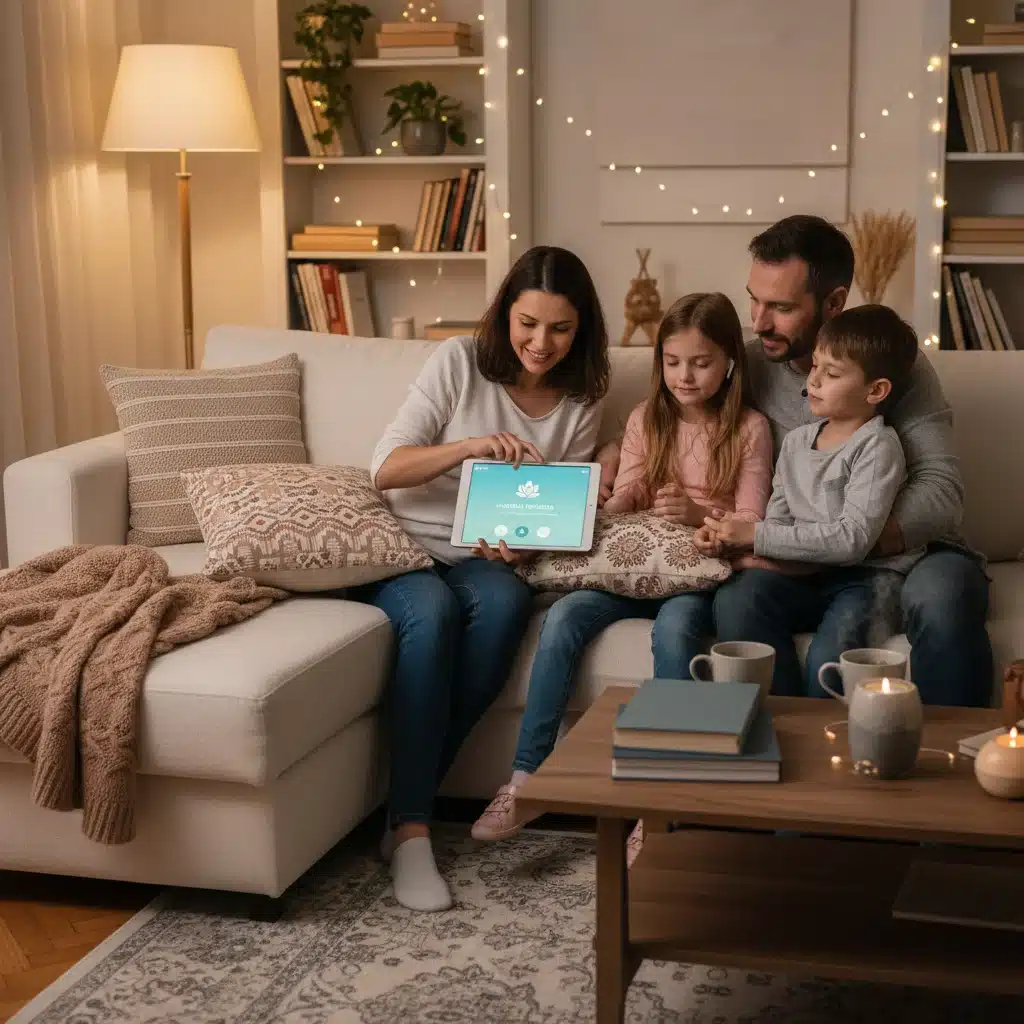
The personalization aspect comes from tailoring the follow-up. A student flagged for mild anxiety might be offered access to a school mindfulness group, while another with more pronounced symptoms could be connected with a school psychologist and their family referred to external therapeutic services. The goal is to provide the right level of support at the right time, preventing minor issues from becoming major crises.
This approach transforms schools into pivotal centers for family mental wellness. By embedding mental health support into the educational system, it normalizes conversations around mental health, reduces stigma, and ensures that no child or family falls through the cracks. It also empowers educators to be more effective in their roles by providing them with the tools and training to support the whole child, not just their academic performance. When schools, families, and communities work together, the impact on a child’s long-term mental health trajectory is profound.
The Role of Data and Ethics
Implementing such screening programs requires careful consideration of data privacy, ethical guidelines, and ensuring that screenings are used for support, not for labeling or punitive measures. Transparent communication with parents and students about the purpose and process of screenings is paramount to building trust and ensuring the program’s success. The data collected should inform school-wide mental health initiatives and policy, identifying broader trends and areas for resource allocation, while individual data remains confidential and used solely for providing tailored support.
The Future of Family Mental Wellness in the US
As we move towards 2026, the commitment to family mental wellness in the US must be unwavering. The innovative approaches discussed – integrated digital wellness platforms, community-based resilience hubs, and proactive mental health screenings in educational settings – represent a paradigm shift. They move us from a reactive, crisis-oriented model to one that is proactive, preventative, accessible, and deeply integrated into the daily lives of families.
These strategies are not mutually exclusive; in fact, their greatest strength lies in their potential to complement each other. A family might use a digital platform for daily mindfulness, attend workshops at a local resilience hub for skill-building, and benefit from early intervention identified through school screenings. This multi-pronged approach creates a robust safety net and a strong foundation for emotional health.
Implementing these innovations requires collaborative efforts from policymakers, healthcare providers, educators, technology developers, and community leaders. It demands investment in infrastructure, training, and research to ensure that these approaches are evidence-based, equitable, and sustainable. The potential return on this investment is immense: healthier families, more resilient communities, and a stronger, more emotionally intelligent society.
The conversation around mental health has evolved significantly, but the action must keep pace. By embracing these innovative approaches, the US can lead the way in fostering a culture of holistic family mental wellness, ensuring that every family has the resources and support they need to thrive in the complex world of 2026 and beyond. It’s an investment in our collective future, promising not just the absence of illness, but the flourishing of well-being for all.
Conclusion
The journey to enhanced family mental wellness is continuous, requiring adaptability and a willingness to embrace new solutions. The three innovative approaches discussed provide a roadmap for creating a more supportive, accessible, and preventative mental health ecosystem for US families by 2026. By leveraging technology wisely, strengthening community bonds, and embedding proactive support in educational environments, we can empower families to build lasting resilience, foster deeper connections, and navigate life’s challenges with greater emotional strength. The time for innovation in family mental health is now, paving the way for a brighter, healthier future for every household.