
Navigating the educational landscape for a child with special needs can often feel like deciphering a complex legal document written in a foreign language. For parents in the U.S., two acronyms frequently surface: IEP and 504 Plan. These are not merely administrative terms; they represent crucial legal frameworks designed to ensure that children with disabilities receive the support they need to thrive in an educational setting. However, understanding the distinctions between an IEP (Individualized Education Program) and a 504 Plan, especially in the context of 2026 educational standards and evolving interpretations, is paramount for effective advocacy.
Anúncios
This comprehensive guide aims to demystify the IEP vs 504 Plan debate, offering U.S. parents a detailed comparison, practical insights, and actionable advice to make informed decisions for their children. We will delve into the legal foundations, eligibility criteria, services provided, and the practical implications of each plan, ensuring you are well-equipped to champion your child’s educational journey.
The year 2026 brings with it a continued emphasis on inclusive education and individualized support, making it more important than ever for parents to grasp the nuances of these plans. While both are designed to support students with disabilities, their scope, legal underpinnings, and the types of services they offer differ significantly. A clear understanding of these differences is the first step toward securing the most appropriate and beneficial educational environment for your child.
Anúncios
Understanding the Legal Foundations: IDEA vs. Section 504
The fundamental distinction between an IEP and a 504 Plan lies in their originating legislation. This is not just a legal technicality; it dictates everything from eligibility to the types of services and protections afforded to your child.
The Individual with Disabilities Education Act (IDEA) and IEPs
The Individual with Disabilities Education Act (IDEA) is a federal law that ensures public schools provide free appropriate public education (FAPE) to children with disabilities nationwide. IDEA is a comprehensive statute that specifically addresses special education and related services. It mandates that eligible children receive an IEP, which is a legally binding document tailored to their unique educational needs.
IDEA covers 13 specific disability categories, including:
- Autism
- Deaf-blindness
- Developmental Delay
- Emotional Disturbance
- Hearing Impairment
- Intellectual Disability
- Multiple Disabilities
- Orthopedic Impairment
- Other Health Impairment (OHI)
- Specific Learning Disability (SLD)
- Speech or Language Impairment
- Traumatic Brain Injury
- Visual Impairment, including blindness
For a child to be eligible for an IEP, they must not only fall under one of these 13 categories but also require special education and related services due to their disability. This ‘need for special education’ is a critical component. If a child has a disability but can succeed in general education with minor accommodations, they might not qualify for an IEP under IDEA.
The core philosophy of IDEA is to provide specially designed instruction and related services to meet the unique needs of a child with a disability, preparing them for further education, employment, and independent living. This goes beyond mere access; it’s about educational benefit.
Section 504 of the Rehabilitation Act of 1973 and 504 Plans
Section 504 of the Rehabilitation Act of 1973 is a civil rights law that prohibits discrimination on the basis of disability in programs and activities receiving federal financial assistance. Public schools fall under this umbrella. Unlike IDEA, Section 504 is much broader in its definition of disability and its scope. It ensures that individuals with disabilities have equal access to programs and services.
Under Section 504, a person has a disability if they have a physical or mental impairment that substantially limits one or more major life activities. Major life activities include, but are not limited to, caring for oneself, performing manual tasks, seeing, hearing, eating, sleeping, walking, standing, lifting, bending, speaking, breathing, learning, reading, concentrating, thinking, communicating, and working. It also includes the operation of a major bodily function, including but not limited to, functions of the immune system, normal cell growth, digestive, bowel, bladder, neurological, brain, respiratory, circulatory, endocrine, and reproductive functions.
The key here is ‘substantially limits’ a major life activity. This definition is much broader than IDEA’s 13 categories. For example, a child with ADHD who doesn’t qualify for special education under IDEA might still qualify for a 504 Plan if their ADHD substantially limits their ability to learn or concentrate in a general education classroom. A child with severe allergies requiring an EpiPen, or a child recovering from a serious injury, might also qualify for a 504 Plan to ensure their health needs are accommodated.
The purpose of a 504 Plan is to provide accommodations that allow a child with a disability to access the general education curriculum and participate in school activities on an equal footing with their non-disabled peers. It’s about preventing discrimination and ensuring equal access, not necessarily providing specialized instruction.
Eligibility: Who Qualifies for What?
Understanding the eligibility criteria is often the most confusing part for parents. While both plans serve students with disabilities, the bar for an IEP is generally higher, focusing on the need for specialized instruction.
IEP Eligibility in Detail
To be eligible for an IEP in 2026, a child must meet a two-pronged test:
-
Diagnosis of one of the 13 IDEA disability categories: This requires a formal evaluation by qualified professionals (e.g., school psychologists, special education teachers, speech-language pathologists, occupational therapists).
-
The disability must adversely affect the child’s educational performance and require special education and related services: This is the crucial part. A child might have a diagnosis (e.g., ADHD under ‘Other Health Impairment’), but if they are thriving in the general education classroom with minor adjustments, they may not be deemed to ‘require special education’. Special education refers to specially designed instruction, which means adapting the content, methodology, or delivery of instruction to address the unique needs of a child that result from their disability.
The evaluation process for an IEP is comprehensive, involving observations, standardized tests, parent input, and review of existing data. It’s a team decision, involving parents, teachers, and specialists. If your child is struggling academically or behaviorally despite general education interventions, initiating an IEP evaluation is a critical step.
504 Plan Eligibility in Detail
Eligibility for a 504 Plan is broader and simpler:
A child must have a physical or mental impairment that substantially limits one or more major life activities. There is no requirement for the disability to adversely affect educational performance in the same way as IDEA, nor is there a requirement for ‘special education’. The focus is on ensuring equal access.
For example:
- A child with severe anxiety that makes it difficult to participate in class or take tests might qualify for a 504 Plan, even if their grades are not failing.
- A child with Type 1 Diabetes might need a 504 Plan for blood sugar monitoring, snack breaks, and emergency protocols, without needing specialized academic instruction.
- A child with dyslexia who can manage in general education with accommodations like extended time on tests and audiobooks might qualify for a 504 Plan. If the dyslexia is severe enough to require specially designed reading instruction, an IEP would be more appropriate.
The evaluation for a 504 Plan is generally less extensive than an IEP evaluation. It typically involves a review of existing information, such as medical diagnoses, teacher observations, and academic performance data. The decision is made by a team knowledgeable about the child, the meaning of the evaluation data, and the accommodation options.
Services and Accommodations: What Each Plan Offers
The core difference in what each plan provides is often the most significant consideration for parents.
What an IEP Provides
An IEP is a highly detailed, individualized document that outlines a child’s present levels of academic achievement and functional performance, annual goals, special education and related services, accommodations, modifications, and how progress will be measured. It is designed to provide ‘special education and related services’.
-
Special Education: This is specially designed instruction to meet the unique needs of the child. Examples include one-on-one tutoring, small group instruction, modified curriculum, or alternative teaching methods.
-
Related Services: These are supportive services required to help a child benefit from special education. Examples include speech-language pathology, occupational therapy, physical therapy, counseling services, psychological services, transportation, school health services, and social work services.
-
Accommodations: Changes to how a student learns or is tested, without changing the content. Examples: extended time on tests, preferential seating, audiobooks, visual aids, reduced distractions, frequent breaks.
-
Modifications: Changes to what a student is taught or expected to learn. This involves changing the curriculum or expectations. Examples: reduced assignments, simplified reading passages, different grading standards.
-
Placement: An IEP also specifies the educational setting, which can range from general education with support to a self-contained special education classroom, or even a specialized school. The law mandates that children be educated in the Least Restrictive Environment (LRE) to the maximum extent appropriate.
-
Transition Services: For students aged 16 and older (or younger in some states), IEPs include transition services to prepare them for life after high school, including post-secondary education, vocational training, employment, and independent living skills.
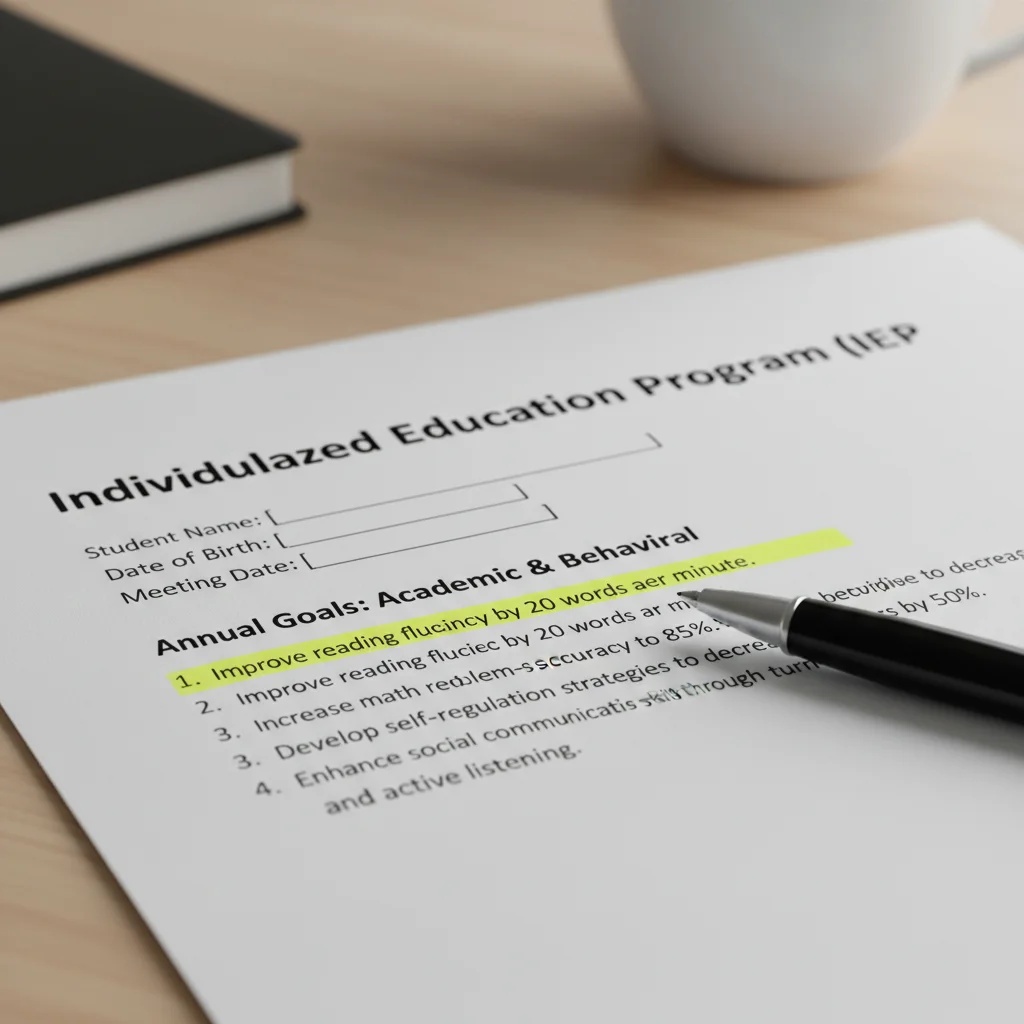
The IEP is reviewed at least annually, and a reevaluation for eligibility occurs at least every three years. Parents are integral members of the IEP team and have significant rights, including the right to participate in meetings, consent to services, and dispute decisions.
What a 504 Plan Provides
A 504 Plan primarily provides accommodations and related services to ensure a child with a disability has equal access to the general education curriculum and school environment. It does not provide ‘special education’ in the IDEA sense (i.e., specially designed instruction or curriculum modification), although it can include support services.
-
Accommodations: These are the cornerstone of a 504 Plan. They are adjustments to the learning environment or instructional methods that help a student access education. Examples are similar to those in an IEP: extended time on tests, preferential seating, use of a calculator, visual schedules, access to a quiet workspace, permission to carry medication, or a modified schedule.
-
Related Services: While not as extensive as IDEA’s related services, a 504 Plan can include services like school health services, transportation, or counseling if they are necessary to allow the child to participate in the general education program.
-
Accessibility: A 504 Plan can address physical accessibility needs, such as ramps, accessible restrooms, or specialized equipment.
A 504 Plan is typically reviewed annually, and reevaluation occurs periodically, though not necessarily every three years like an IEP. Parents have fewer formal procedural rights under Section 504 compared to IDEA, but they should still be involved in the development and review of the plan.
Key Differences: IEP vs 504 Plan Summary (2026 Perspective)
To summarize the distinctions between an IEP vs 504 Plan, here’s a comparative table reflecting the current understanding in 2026:
| Feature | IEP (Individualized Education Program) | 504 Plan |
|---|---|---|
| Legal Basis | Individuals with Disabilities Education Act (IDEA) | Section 504 of the Rehabilitation Act of 1973 |
| Purpose | Provide "Free Appropriate Public Education" (FAPE) through specialized instruction and related services to meet unique educational needs. | Prevent discrimination and ensure equal access to education and school activities for students with disabilities. |
| Eligibility | Must have one of 13 specific disabilities AND require special education and related services due to the disability adversely affecting educational performance. | Must have a physical or mental impairment that substantially limits one or more major life activities. Broader definition of disability. |
| What it Provides | Special education (specially designed instruction), related services, accommodations, modifications, and specific educational placement. | Accommodations, modifications (less common for curriculum content), and related services for equal access. No "special education" as defined by IDEA. |
| Document | Detailed, legally binding document with goals, services, progress monitoring. | Less formal document outlining accommodations. |
| Evaluation | Comprehensive, multi-disciplinary evaluation (academic, cognitive, social-emotional, physical). | Review of existing information, medical records, teacher observations. Less formal. |
| Parent Rights | Extensive procedural safeguards (notice, consent, due process, mediation). Parents are required members of the IEP team. | Fewer formal procedural safeguards than IDEA. Parents should be involved but are not legally required members of the team. |
| Funding | Federal funding for special education. | No specific federal funding for 504 plans; schools must use existing funds. |
| Review Cycle | Annual review; triennial reevaluation. | Periodic review (typically annual); reevaluation as needed. |
| Focus | Educational benefit through specialized instruction. | Equal access to general education. |
Making the Right Choice for Your Child: IEP vs 504 Plan
Deciding between an IEP and a 504 Plan is a critical decision that depends entirely on your child’s specific needs and how their disability impacts their education. It’s not about which plan is ‘better,’ but which is more appropriate.
When an IEP is Likely Necessary:
- Your child requires specially designed instruction to make progress in the general curriculum. This means they need changes to what is taught or how it’s taught, beyond simple accommodations.
- Your child needs intensive, ongoing related services like speech therapy, occupational therapy, or counseling that are integral to their educational progress.
- Your child’s disability falls under one of the 13 IDEA categories and significantly impacts their academic or functional performance, making it difficult for them to learn even with accommodations.
- You foresee a need for a highly structured, individualized educational program with specific, measurable goals and regular progress monitoring.
When a 504 Plan Might Be Sufficient:
- Your child has a disability that substantially limits a major life activity, but they can succeed in the general education classroom with accommodations. They do not require specially designed instruction.
- Your child’s primary need is for equal access to the school environment or activities, rather than specialized academic interventions.
- Your child has a medical condition (e.g., severe allergies, diabetes, asthma) or a temporary disability (e.g., broken limb requiring assistance) that requires specific accommodations to ensure their health, safety, and continued access to education.
- Your child has a disability (like ADHD or anxiety) that impacts their learning or behavior, but the impact is manageable with environmental adjustments or supports, rather than fundamental changes to the curriculum or teaching methods.
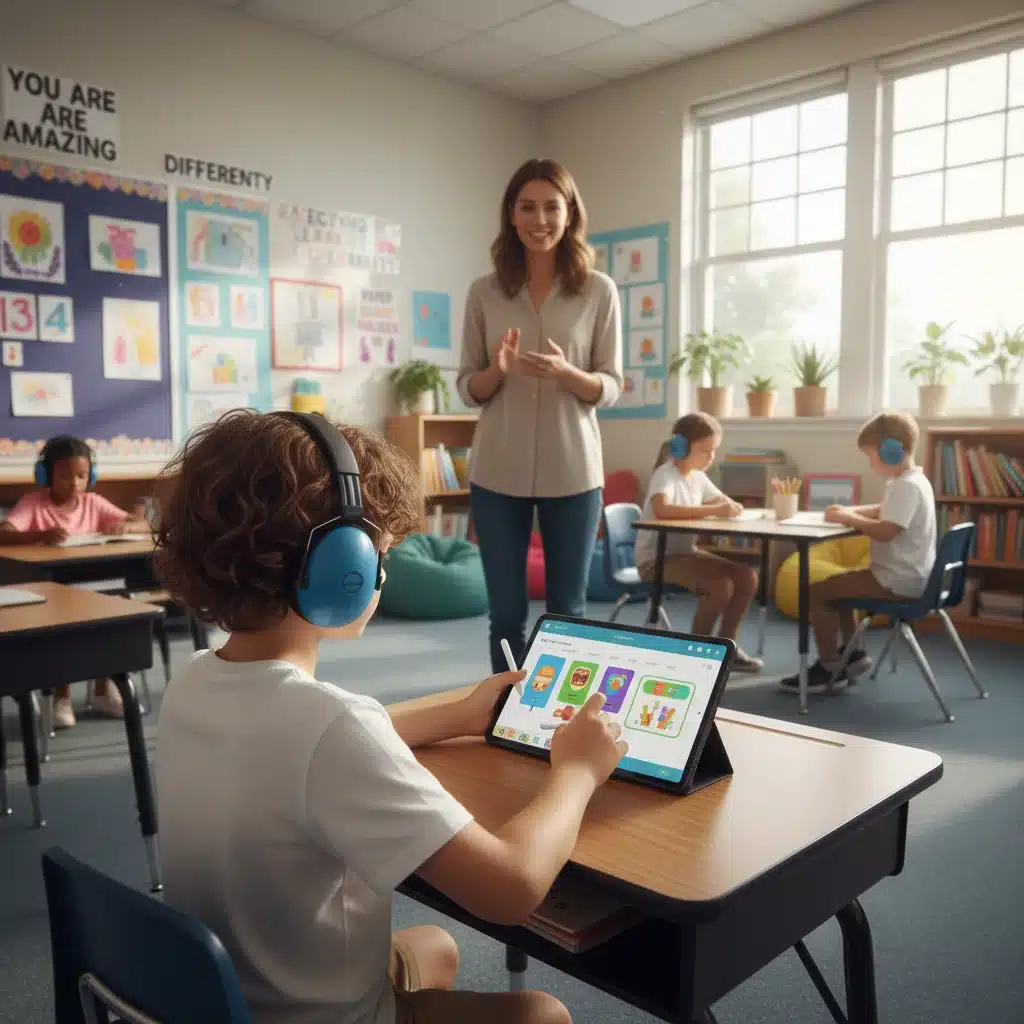
It’s also important to remember that a child can start on a 504 Plan and later transition to an IEP if their needs change or become more severe. Conversely, a child with an IEP might transition to a 504 Plan if their progress allows them to succeed with fewer specialized services.
Parent Advocacy: Your Role in the Process
Regardless of whether your child needs an IEP or a 504 Plan, your active involvement as a parent is crucial. Here are some advocacy tips for 2026:
-
Educate Yourself: Continuously learn about IDEA and Section 504. Laws and interpretations can evolve. Resources from parent training and information centers (PTIs) are invaluable.
-
Document Everything: Keep meticulous records of all communications (emails, phone calls), meetings, evaluations, and school responses. Date everything.
-
Communicate Clearly and Respectfully: Maintain open lines of communication with school staff. While advocating firmly, a collaborative approach often yields the best results.
-
Know Your Rights: Understand the procedural safeguards associated with both IDEA and Section 504. For IEPs, these are extensive; for 504s, they are less formal but still exist.
-
Request Evaluations in Writing: If you suspect your child needs special education or accommodations, put your request for an evaluation in writing to the school principal or special education director. This triggers specific timelines.
-
Prepare for Meetings: Before any meeting, make a list of your child’s strengths, challenges, current concerns, and desired outcomes. Bring any relevant documentation (medical reports, private evaluations).
-
Bring Support: You have the right to bring an advocate, a friend, or another family member to meetings for support and to take notes.
-
Don’t Be Afraid to Disagree: If you disagree with the school’s decision regarding eligibility or services, you have options for dispute resolution, including mediation or due process hearings for IEPs, and impartial hearings for 504 Plans.
-
Review Plans Regularly: Even if the plan is annual, monitor its implementation throughout the year. If something isn’t working, request a meeting to discuss adjustments.
Conclusion
The journey of parenting a child with special needs is unique and often challenging, but also incredibly rewarding. Understanding the intricacies of an IEP vs 504 Plan is a powerful tool in your advocacy arsenal. While both frameworks aim to support students with disabilities, their distinct legal foundations, eligibility criteria, and service offerings mean that one may be significantly more appropriate for your child than the other.
As we move further into 2026, the commitment to providing equitable and effective education for all students remains strong. By educating yourself, actively participating in the planning process, and advocating tirelessly for your child’s individual needs, you can ensure they receive the comprehensive support necessary to achieve their full potential in school and beyond. Remember, you are your child’s most important advocate, and an informed parent is an empowered parent.