AI in Childcare 2026: The Future of Early Learning
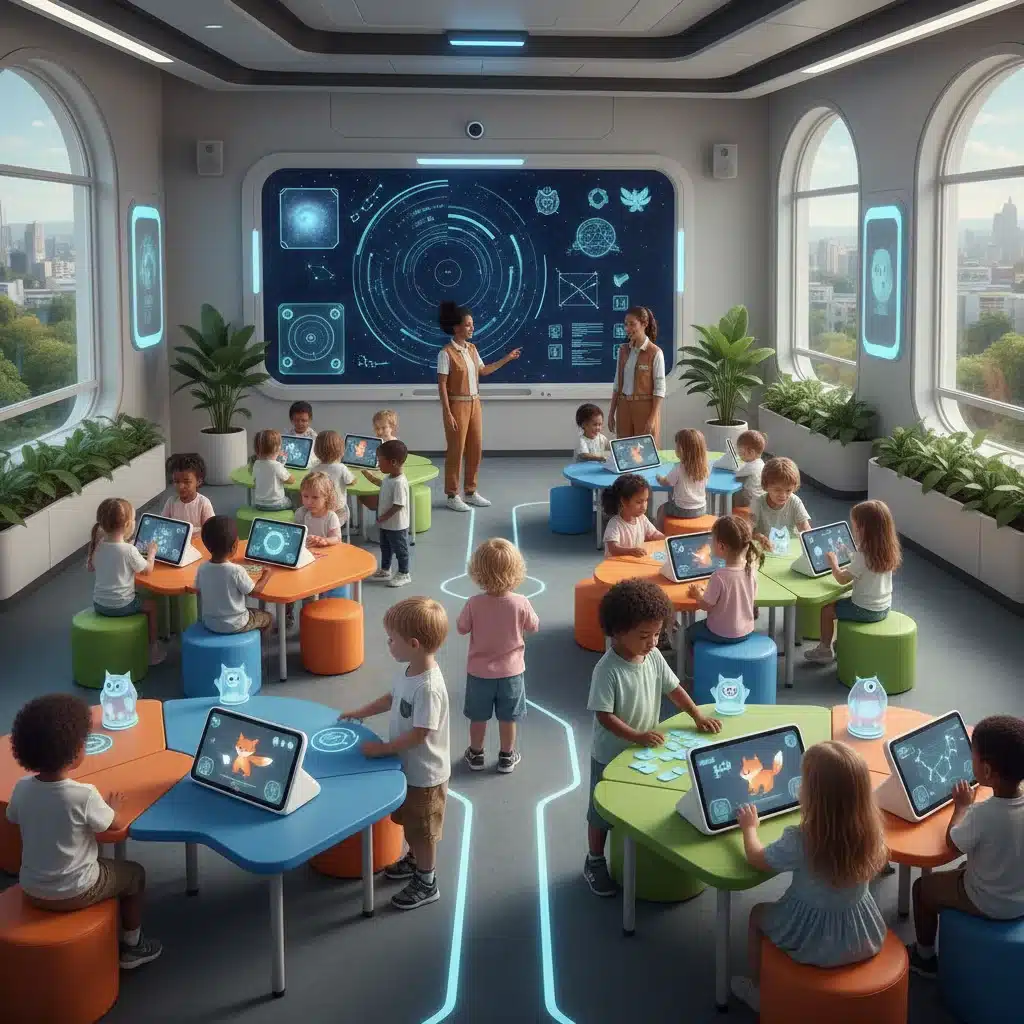
The landscape of early childhood education is on the cusp of a profound transformation, driven by the rapid advancements in artificial intelligence. Once considered a futuristic concept, AI is steadily making its way into our childcare centers, promising to revolutionize how our youngest learners acquire knowledge and develop critical skills. By 2026, an impressive 15% of top childcare centers are projected to have fully integrated AI-powered learning solutions, setting a new benchmark for educational excellence.
This isn’t merely about introducing screens into classrooms; it’s about harnessing the power of sophisticated algorithms to create personalized, adaptive, and highly engaging learning experiences for every child. From intelligent tutoring systems that adapt to individual learning paces to AI-driven administrative tools that free up educators’ time, the potential of AI Childcare Learning is vast and multifaceted. This deep dive will explore the current state, future trajectory, and the profound impact of AI on early childhood education, offering an insider’s look into this exciting revolution.
The Dawn of AI Childcare Learning: A Paradigm Shift
The integration of AI into childcare is not a singular event but a gradual, evolving process. It represents a significant paradigm shift from traditional, one-size-fits-all teaching methods to highly individualized, data-driven approaches. The core philosophy behind this shift is the recognition that every child is unique, possessing distinct learning styles, strengths, and areas for development. AI, with its capacity for complex data analysis and adaptive responses, is uniquely positioned to cater to this individuality.
Understanding the ‘Why’ Behind AI Adoption
Why are leading childcare centers so eager to adopt AI? The reasons are compelling and rooted in both pedagogical and operational benefits:
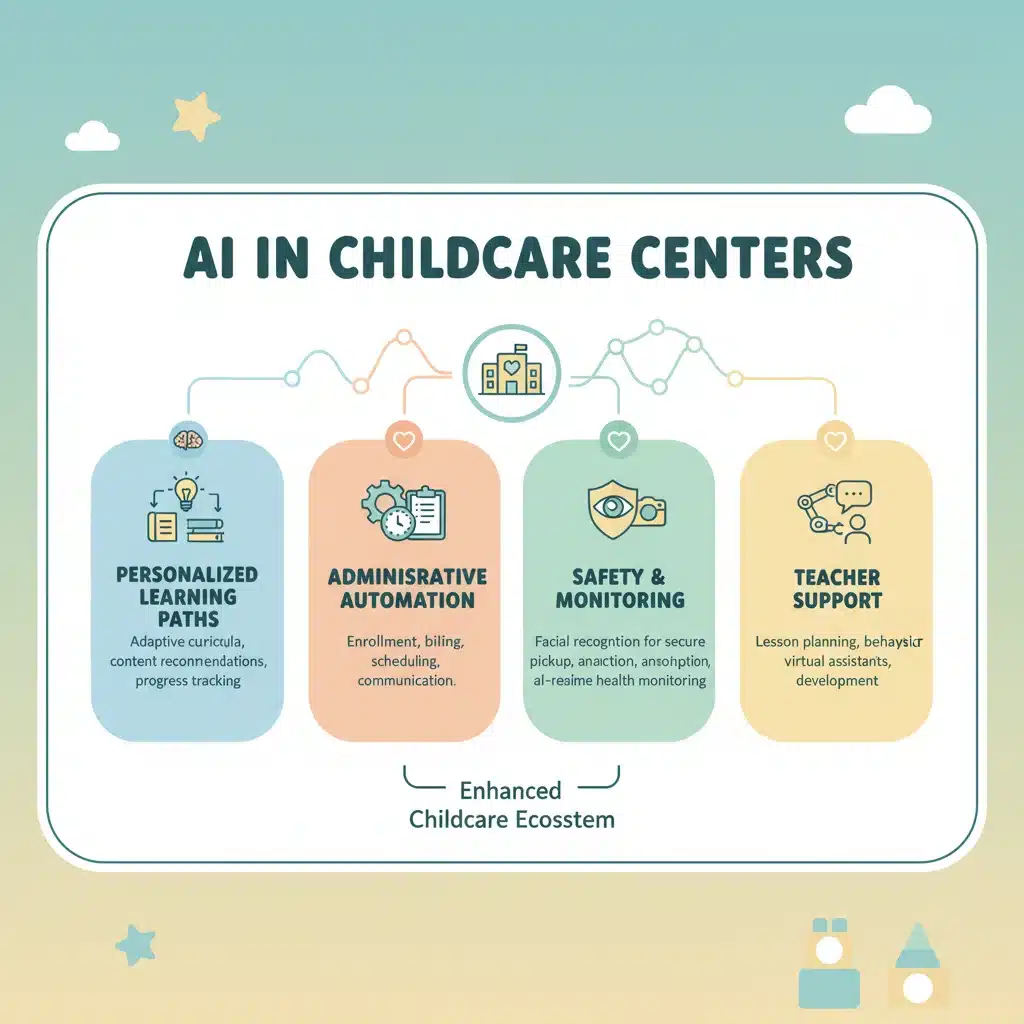
- Personalized Learning Paths: AI can analyze a child’s interactions, progress, and even emotional responses to tailor educational content and activities in real-time. This means a child struggling with phonics might receive additional, engaging exercises, while another excelling in math could be challenged with more advanced concepts, all without direct, constant teacher intervention. This level of personalization was previously unimaginable on a large scale.
- Enhanced Engagement and Motivation: AI-powered tools often incorporate gamification, interactive elements, and adaptive challenges that keep children deeply engaged. When learning feels like play, motivation skyrockets, leading to more effective knowledge retention and skill development.
- Early Identification of Learning Gaps: AI systems can detect patterns in a child’s learning behavior that might indicate potential difficulties or learning disabilities far earlier than traditional assessment methods. This early identification allows educators to intervene promptly, providing targeted support and preventing academic setbacks.
- Administrative Efficiency: Beyond direct learning, AI streamlines numerous administrative tasks, such as attendance tracking, progress reporting, scheduling, and even communication with parents. This frees up valuable time for educators, allowing them to focus more on direct interaction and instruction with children.
- Data-Driven Insights for Educators: AI platforms provide educators with rich, actionable data on each child’s learning journey. This data empowers teachers to make more informed decisions about curriculum adjustments, individual support plans, and overall classroom strategies.
The movement towards AI in early learning is not just a technological trend; it’s a strategic investment in the future of education, designed to optimize outcomes for both children and educators. The early adopters, the 15% of top childcare centers, are paving the way for what will likely become standard practice in the coming decade.
Key AI Technologies Powering Childcare Innovation
The term ‘AI’ encompasses a broad range of technologies. In the context of childcare, several specific AI applications are proving particularly impactful:
Machine Learning for Adaptive Content
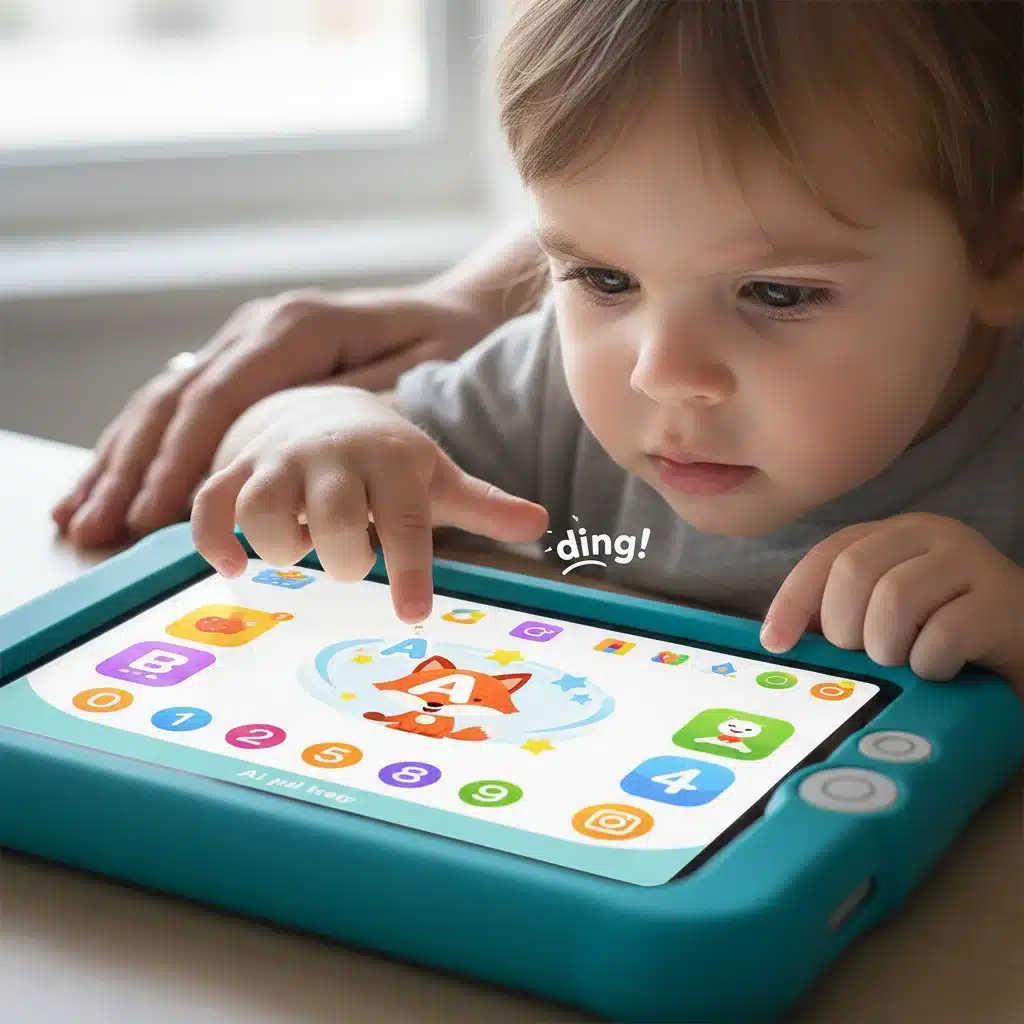
Machine learning is at the heart of personalized learning. Algorithms analyze vast amounts of data—from a child’s responses to questions, time spent on tasks, and accuracy rates—to understand their current skill level and learning style. Based on this analysis, the system can then dynamically adjust the difficulty, pace, and type of content presented. For instance, if a child consistently identifies colors correctly, the AI might introduce shapes or numbers, while if they struggle with a particular letter sound, it can provide more exercises focused on that specific phoneme.
Natural Language Processing (NLP) for Interactive Learning
NLP enables AI systems to understand, interpret, and generate human language. In childcare, this translates into interactive storytelling apps, virtual tutors that can respond to children’s questions, and voice-activated learning games. Imagine a child asking a digital character about dinosaurs, and the AI providing age-appropriate, accurate information in a friendly, engaging manner. This fosters curiosity and language development in a highly interactive way.
Computer Vision for Safety and Engagement Analysis
While more sensitive due to privacy concerns, computer vision technology is finding applications in enhancing safety and understanding engagement. In a controlled, ethical manner, it can be used to monitor children’s activities for safety hazards, identify signs of distress, or even analyze engagement levels with learning materials. For example, a system could alert a teacher if a child wanders into an unsupervised area or if a group of children appears disengaged from an activity, prompting timely intervention.
Robotics for Play-Based Learning
While less common in 2026, some pioneering centers are experimenting with child-friendly robots. These robots can serve as interactive companions, leading physical activities, telling stories, or even teaching basic coding concepts through play. The key is that these robots are designed to be intuitive, non-intimidating, and enhance social interaction rather than replace it.
Benefits Beyond the Classroom Walls
The impact of AI in childcare extends beyond the immediate learning environment, offering significant advantages for parents and the overall childcare ecosystem.
Enhanced Parent Communication and Involvement
AI-powered platforms can provide parents with real-time updates on their child’s progress, activities, and even daily routines. Imagine receiving an automated summary of your child’s learning achievements for the day, complete with insights into areas where they excelled or might need extra support. This level of transparency fosters greater parent involvement and strengthens the home-school connection.
Optimized Resource Allocation
By analyzing data on attendance, facility usage, and staff-to-child ratios, AI can help childcare centers optimize their operational efficiency. This includes better scheduling of staff, more effective allocation of learning resources, and even predictive maintenance for facilities. Such optimization can lead to cost savings and improved service quality.
Professional Development for Educators
AI tools aren’t just for children; they also serve as powerful aids for educators. By providing data on classroom performance and individual student needs, AI can highlight areas where teachers might benefit from additional training or new pedagogical strategies. This fosters a culture of continuous learning and improvement among childcare professionals.
Challenges and Ethical Considerations in AI Childcare Learning
While the benefits are clear, the integration of AI into such a sensitive domain as early childhood education is not without its challenges and ethical considerations. Addressing these proactively is crucial for successful and responsible adoption.
Data Privacy and Security
Collecting data on young children raises significant privacy concerns. Childcare centers must implement robust data encryption, anonymization techniques, and strict access controls. Parents need clear, transparent policies regarding what data is collected, how it’s used, and who has access to it. Building trust is paramount.
The Role of Human Interaction
A primary concern is that AI might replace the invaluable human element in early learning. Experts consistently emphasize that AI should serve as a tool to augment, not replace, human educators. The emotional, social, and developmental aspects of learning require direct human interaction, empathy, and guidance. AI should free up teachers to focus more on these critical aspects, not diminish them.
Bias in Algorithms
AI algorithms are only as unbiased as the data they are trained on. If training data reflects societal biases, the AI might inadvertently perpetuate them, leading to inequitable learning experiences. Developers and educators must work together to ensure AI systems are developed and implemented with fairness and inclusivity at their core.
Screen Time Concerns
The increased use of digital tools naturally brings concerns about excessive screen time for young children. Childcare centers must adopt a balanced approach, integrating AI tools thoughtfully within a broader curriculum that still emphasizes outdoor play, hands-on activities, and social interaction. AI should be a part of a diverse learning ecosystem, not its sole component.
Teacher Training and Adaptation
For AI tools to be effective, educators need comprehensive training on how to use them, interpret the data they provide, and integrate them seamlessly into their pedagogical practices. Resistance to new technology is natural, and adequate support and professional development are essential for successful adoption.
The Future is Now: What to Expect by 2026 and Beyond
The 15% of top childcare centers implementing AI-powered learning by 2026 are not just early adopters; they are pioneers shaping the future of early education. Their experiences will provide invaluable insights, best practices, and cautionary tales for the wider adoption of these technologies.
Wider Adoption and Democratization of AI Tools
As AI tools become more refined, affordable, and user-friendly, their adoption will spread beyond the top-tier centers. We can expect to see a democratization of these technologies, making personalized learning accessible to a broader range of childcare facilities, including those in underserved communities.
Sophisticated Predictive Analytics
Future AI systems will likely offer even more sophisticated predictive analytics, not just identifying current learning gaps but also predicting potential future challenges based on a child’s developmental trajectory. This could enable even more proactive and preventative interventions.
Integration with Smart Environments
Imagine childcare centers where AI is integrated into the physical environment itself. Smart sensors could monitor air quality, lighting, and noise levels, optimizing the learning environment. AI-powered toys could adapt their play patterns based on a child’s engagement, creating truly interactive physical experiences.
Ethical AI Frameworks and Regulations
As AI becomes more pervasive, there will be an increasing need for robust ethical AI frameworks and regulations specifically tailored for early childhood education. These frameworks will address issues of data privacy, algorithmic bias, and the appropriate balance between technology and human interaction, ensuring that AI serves the best interests of children.
Navigating the AI Revolution: A Guide for Childcare Providers
For childcare providers looking to embark on this journey, a strategic and thoughtful approach is key. It’s not about jumping on every new tech trend, but rather about identifying solutions that genuinely enhance the learning experience and operational efficiency.
Start Small, Think Big
Begin by piloting AI tools in specific areas, such as personalized literacy games or automated attendance tracking. Gather data, evaluate effectiveness, and solicit feedback from staff and parents. A phased implementation allows for adjustments and builds confidence.
Prioritize Teacher Training and Buy-in
Invest heavily in professional development. Teachers are the primary facilitators of learning, and their comfort and proficiency with AI tools are crucial. Involve them in the selection and implementation process to foster ownership and enthusiasm.
Focus on Child-Centric Design
When evaluating AI solutions, prioritize those designed specifically for young children, with intuitive interfaces, engaging content, and a strong emphasis on developmental appropriateness. The technology should adapt to the child, not the other way around.
Maintain a Human-First Approach
Always remember that AI is a tool to support, not supplant, human connection. Encourage a balanced approach where AI enhances learning but doesn’t diminish the vital role of educators, peer interaction, and hands-on exploration.
Engage with Parents
Educate parents about the benefits and safeguards of AI integration. Address their concerns transparently and involve them in the conversation about how technology is being used to support their child’s development.
The Transformative Power of AI Childcare Learning
The journey towards widespread AI integration in childcare is an exciting one, filled with immense potential to transform early learning for the better. The 15% of top childcare centers leading this charge are demonstrating that with careful planning, ethical consideration, and a focus on child-centric design, AI can indeed be a powerful ally in nurturing the next generation.
As we move towards 2026 and beyond, the collaboration between educators, technologists, parents, and policymakers will be essential to harness the full promise of AI while safeguarding the unique needs and vulnerabilities of young children. The future of AI Childcare Learning is not just about technology; it’s about creating richer, more equitable, and more effective learning environments where every child has the opportunity to thrive.
This revolution in early learning is not just coming; it’s already here, and its impact will resonate for generations to come. By embracing thoughtful innovation, we can ensure that AI serves as a catalyst for unprecedented growth and development in our childcare centers, preparing children not just for school, but for a future increasingly shaped by intelligence and innovation.