Maximizing Caregiver Benefits 2026: Medicaid & VA Updates
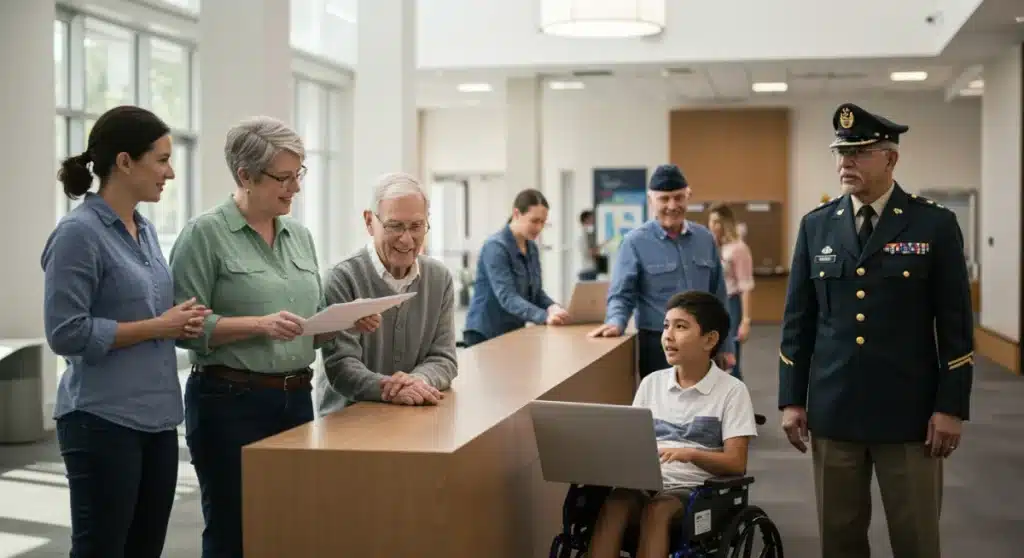
The 2026 updates to Medicaid and VA programs are poised to significantly reshape caregiver benefits, impacting over 1.5 million United States families by introducing new eligibility requirements and expanded support services.
For the 1.5 million families in the United States providing essential care, understanding the evolving landscape of support programs is not just beneficial, it’s crucial. This article delves into Maximizing Caregiver Benefits in 2026: Understanding the Latest Updates to Medicaid and VA Programs Affecting 1.5 Million United States Families, offering a comprehensive guide to navigating these significant changes.
Understanding the Evolving Landscape of Caregiver Support in 2026
The year 2026 marks a pivotal moment for caregiver support in the United States, with substantial revisions to both Medicaid and Veterans Affairs (VA) programs. These updates are designed to enhance the quality of life for both caregivers and their care recipients, recognizing the invaluable role caregivers play in our society. The changes reflect a growing societal acknowledgment of the often-unseen burdens and financial strains associated with providing long-term care.
As the demographic of the United States continues to shift towards an older population, the demand for informal caregiving is projected to increase. This section will explore the overarching philosophy behind these 2026 legislative adjustments and what they aim to achieve for the caregiving community.
The Rationale Behind the 2026 Reforms
The recent reforms are not arbitrary; they stem from years of advocacy and data highlighting critical gaps in caregiver support. Economic studies have consistently shown that unpaid caregiving saves the healthcare system billions of dollars annually, yet caregivers themselves often face financial hardship, emotional burnout, and limited access to resources. These updates seek to address these disparities.
- Economic Relief: Many updates focus on direct financial assistance or reimbursement for services, aiming to alleviate the out-of-pocket costs caregivers frequently incur.
- Improved Access to Respite Care: Provisions have been expanded to allow caregivers more opportunities for temporary relief, crucial for their mental and physical well-being.
- Enhanced Training and Education: New programs offer better access to training, empowering caregivers with the skills needed to provide specialized care, particularly for complex medical conditions.
The cumulative effect of these reforms is expected to create a more robust and responsive support system, fostering a healthier environment for both those who give care and those who receive it. Understanding these foundational shifts is the first step toward effectively navigating the new benefits available.
Key Updates to Medicaid Programs for Caregivers in 2026
Medicaid, a critical lifeline for millions, has undergone significant transformations for 2026, specifically targeting improvements in caregiver support. These changes are designed to broaden eligibility, increase financial assistance, and expand the range of services available to family caregivers. For many, these updates could mean the difference between struggling to provide care and having the necessary resources to sustain their efforts.
The emphasis is on person-centered care, allowing greater flexibility in how funds are utilized and recognizing the unique needs of each caregiving situation. This section will break down the most impactful changes within Medicaid.
Expanded Home and Community-Based Services (HCBS)
A cornerstone of the 2026 Medicaid updates is the significant expansion of Home and Community-Based Services. This allows individuals to receive care in their homes or communities rather than in institutional settings, often with family caregivers playing a central role. The expansion includes increased funding and broader definitions of what constitutes a covered service.
- Personal Care Services: Enhanced coverage for assistance with daily living activities, including bathing, dressing, and meal preparation.
- Attendant Care: Programs enabling care recipients to hire and manage their own care providers, often family members, with Medicaid funds.
- Environmental Modifications: Increased allowances for necessary home modifications to ensure safety and accessibility, such as ramps or grab bars.
These expansions are vital for allowing individuals to age in place and improving the overall quality of life for both care recipients and their family caregivers. The focus is on enabling a more dignified and comfortable care experience within familiar surroundings.
New Financial Support Mechanisms
Beyond service expansion, Medicaid in 2026 introduces new avenues for financial support directly benefiting caregivers. These mechanisms aim to compensate caregivers for their time and effort, acknowledging that caregiving often comes at the expense of paid employment or career advancement.
One notable change is the rollout of state-specific caregiver stipend programs, which provide direct payments to eligible family caregivers. While the specifics vary by state, the general intent is to offer a consistent income stream to those dedicating their lives to care. Furthermore, new tax credits and deductions linked to caregiving expenses are being piloted in several states, offering indirect financial relief. These financial updates are crucial for stabilizing the economic well-being of caregiving families.
VA Program Enhancements for Veteran Caregivers in 2026
Veterans and their caregivers have long relied on the comprehensive support offered by the Department of Veterans Affairs. In 2026, VA programs have seen significant enhancements, particularly for caregivers of disabled or aging veterans. These updates aim to streamline access to benefits, expand eligibility, and provide more robust support, recognizing the unique challenges faced by those caring for our nation’s heroes.
The VA’s commitment to supporting caregivers is evident in these new provisions, which focus on holistic care, including physical, emotional, and financial well-being. This section will detail the most relevant changes for veteran caregivers.
Expanded Program of Comprehensive Assistance for Family Caregivers (PCAFC)
The PCAFC is a flagship VA program, and its expansion in 2026 is one of the most anticipated updates. Eligibility criteria have been broadened to include veterans from all service eras, removing previous restrictions that limited participation to those injured after specific dates. This means more veteran caregivers will now qualify for the program’s substantial benefits.
- Monthly Stipends: Increased stipend amounts reflecting the intensity and hours of care provided, offering significant financial relief.
- Health Care Benefits: Enhanced access to VA healthcare services for primary family caregivers, including mental health support.
- Travel and Lodging: Expanded coverage for travel, lodging, and per diem expenses when accompanying veterans to appointments.
This expansion ensures that a larger population of family caregivers can access the critical support they need, fostering better outcomes for both veterans and their care providers. The streamlined application process also aims to reduce administrative burdens.
New Resources for Mental Health and Respite Care
Recognizing the immense emotional toll caregiving can take, the VA has significantly bolstered its mental health and respite care offerings for caregivers in 2026. New initiatives include specialized counseling services, support groups, and workshops tailored to the unique stresses of caring for a veteran.
Respite care options have also been diversified, providing caregivers with more flexible and accessible opportunities for temporary relief. This might include in-home respite services, short-term stays in community care facilities, or even funding for recreational activities to help caregivers recharge. These resources are vital for preventing caregiver burnout and ensuring long-term sustainability in caregiving roles.
Eligibility Criteria and Application Process for 2026 Benefits
Navigating the eligibility criteria and application processes for both Medicaid and VA caregiver benefits in 2026 can seem daunting, but understanding the specific requirements is key to successfully accessing these vital resources. While some general principles apply, it’s important to remember that specifics can vary, especially with state-level Medicaid programs.
This section will provide a detailed overview, offering clarity on who qualifies and the steps involved in applying, aiming to demystify what can often be a complex system for families.
Medicaid Eligibility for Caregivers
Medicaid eligibility for caregivers is primarily tied to the care recipient’s financial and medical needs. In 2026, many states have adjusted income and asset limits for care recipients to qualify for HCBS waivers, which are often the pathway for caregiver compensation. Furthermore, the care recipient must typically require a certain level of care, often assessed through a functional needs evaluation.
- Care Recipient’s Medical Need: A documented need for assistance with activities of daily living (ADLs) or instrumental activities of daily living (IADLs).
- Income and Asset Limits: Adherence to state-specific financial thresholds for the care recipient.
- Caregiver Relationship: Often, the caregiver must be a family member, though some programs allow non-family caregivers.
The application process usually involves an initial screening, followed by a detailed application, and then an assessment by a social worker or medical professional. It is advisable to gather all relevant financial and medical documentation beforehand to expedite the process.
VA Program Eligibility for Caregivers
For VA caregiver programs, eligibility is primarily determined by the veteran’s service-connected disability and their need for personal care. The 2026 updates have broadened the scope, but core requirements remain. The veteran must have a serious injury or illness incurred or aggravated in the line of duty, and require personal care services for at least six months.
The application typically involves a joint application from the veteran and the primary family caregiver, followed by a clinical assessment by a VA healthcare team. This assessment determines the veteran’s need for personal care and the caregiver’s ability to provide it. The VA also emphasizes caregiver training as a component of eligibility for certain programs.
Maximizing Your Benefits: Strategies for 2026
With the significant updates to Medicaid and VA programs in 2026, understanding how to strategically access and maximize your benefits is more important than ever. It’s not just about qualifying; it’s about making the most of every resource available to ensure optimal care for your loved one and sustainable support for yourself as a caregiver. Proactive planning and informed decision-making are crucial.
This section offers practical strategies and insights to help caregivers navigate the complexities of the new benefits landscape and secure the best possible outcomes.
Proactive Planning and Documentation
One of the most effective strategies for maximizing benefits is meticulous planning and documentation. Begin by thoroughly researching the specific programs available in your state for Medicaid and the latest VA directives. Keep detailed records of all caregiving activities, medical appointments, and related expenses. This documentation will be invaluable during the application process and for demonstrating ongoing need.
- Organize Records: Maintain a dedicated folder or digital system for all medical records, financial statements, and caregiving logs.
- Understand State Variations: Medicaid benefits can vary significantly by state; investigate your local program’s specifics.
- Seek Professional Advice: Consult with elder law attorneys or VA benefits specialists who can offer tailored guidance.
Being prepared with comprehensive information not only speeds up the application process but also helps in advocating for the fullest range of benefits you are entitled to under the 2026 guidelines.
Leveraging Community Resources and Support Networks
Beyond federal and state programs, maximizing caregiver benefits in 2026 also involves tapping into local community resources and support networks. Many non-profit organizations, local government agencies, and community centers offer supplementary services that can complement Medicaid and VA benefits. These can include transportation services, meal delivery, support groups, and educational workshops.
Engaging with other caregivers through support groups, both in-person and online, can also provide invaluable practical advice and emotional support. Sharing experiences and strategies can uncover additional resources or approaches that you might not have considered. A holistic approach that combines formal benefits with community support creates a stronger safety net for caregivers.
Anticipated Impact on 1.5 Million US Families
The 2026 updates to Medicaid and VA caregiver programs are not just bureaucratic adjustments; they represent a significant shift with the potential to profoundly impact over 1.5 million United States families. These changes are designed to alleviate the considerable financial, emotional, and physical burdens that often accompany caregiving, fostering greater stability and well-being for both caregivers and their loved ones.
Understanding the broad implications of these reforms is essential for appreciating their long-term significance. This section explores the anticipated positive outcomes and potential challenges families may encounter.
Positive Outcomes for Caregiving Families
The most immediate and tangible positive outcome will likely be enhanced financial stability for many caregiving families. Increased stipends, expanded reimbursement options, and new tax credits can significantly reduce the out-of-pocket costs associated with care, potentially allowing caregivers to reduce work hours or avoid leaving the workforce entirely. This financial relief can prevent families from falling into poverty due to caregiving responsibilities.
Furthermore, the expansion of respite care and mental health services is expected to lead to a reduction in caregiver burnout. When caregivers have opportunities to rest and receive emotional support, they are better equipped to provide high-quality care sustainably. This also contributes to improved health outcomes for care recipients, as their caregivers are less stressed and more present.
Potential Challenges and How to Address Them
While the updates are largely positive, families may still face challenges. Navigating the application processes, even with improvements, can be complex, and state-specific variations in Medicaid programs can add layers of confusion. There may also be initial delays in implementing new programs or processing applications as agencies adapt to the new guidelines.
- Information Overload: The sheer volume of new information can be overwhelming. Focus on official government websites and reputable advocacy groups for accurate details.
- Bureaucratic Hurdles: Be persistent and proactive in following up on applications. Keep detailed records of all communications.
- Advocacy: Join or form caregiver advocacy groups to share experiences and collectively address systemic issues that may arise.
Despite these potential hurdles, the overall outlook for caregiving families in 2026 is one of increased support and recognition. By staying informed and proactive, families can effectively overcome challenges and fully leverage the new benefits.
Future Outlook for Caregiver Benefits Beyond 2026
The 2026 updates to Medicaid and VA programs represent a significant step forward, but they are part of an ongoing evolution in caregiver support. The landscape of caregiving is dynamic, influenced by demographic shifts, economic factors, and medical advancements. Looking beyond 2026, there are clear trends and emerging discussions that will likely shape future policies and benefits for caregivers.
This section considers the long-term trajectory of caregiver support, offering insights into what families might expect and areas where continued advocacy will be crucial. The goal is to provide a forward-looking perspective on sustained support.
Emerging Trends and Policy Discussions
One major trend is the increasing integration of technology into caregiving. Telehealth services, remote monitoring, and AI-powered assistance tools are becoming more prevalent, potentially offering new avenues for support and efficiency. Future policies may focus on how to fund and integrate these technological solutions into existing benefit structures.
Furthermore, there’s a growing discussion around universal caregiver benefits, similar to social security, that would provide a baseline level of support regardless of the care recipient’s specific program eligibility. While such comprehensive reforms are still in early discussion phases, the 2026 updates lay groundwork by expanding the recognition of informal caregiving’s economic value.
- Technological Integration: Expect more benefits to include funding or access to digital caregiving tools and platforms.
- Workforce Development: Policies may focus on professionalizing the caregiving role, offering more training and career pathways.
- Long-term Care Insurance Reform: Continued debate on making long-term care insurance more accessible and affordable to reduce reliance on public programs.
These discussions indicate a continued national commitment to supporting caregivers, recognizing their indispensable contribution to public health and family well-being. Remaining engaged with these policy debates will be beneficial for caregivers.
Continued Advocacy and Adaptation
The progress seen in 2026 is largely due to sustained advocacy from caregiver organizations and family members. This advocacy will remain critical for shaping future policies. Caregivers must continue to voice their needs, share their experiences, and participate in policy discussions to ensure that future reforms are responsive and effective.
As programs evolve, caregivers will also need to remain adaptable, continuously learning about new benefits and adjusting their strategies to maximize support. The journey of caregiving is long, and the support systems designed to aid it will continue to change. Staying informed and connected will be the best approach for navigating these ongoing developments.
| Key Update | Brief Description |
|---|---|
| Medicaid HCBS Expansion | Broadens home and community-based services, increasing eligibility and available support for family caregivers. |
| VA PCAFC Eligibility | Expands the Program of Comprehensive Assistance for Family Caregivers to include veterans from all service eras. |
| New Financial Aid | Introduces state-specific caregiver stipends and potential tax credits for caregiving expenses. |
| Enhanced Respite Care | Both Medicaid and VA programs offer more diverse and accessible options for temporary caregiver relief. |
Frequently Asked Questions About 2026 Caregiver Benefits
The main changes involve expanded Home and Community-Based Services (HCBS), allowing more care to be provided at home. Additionally, some states are rolling out new financial support mechanisms, such as caregiver stipends and tax credits, to directly assist family caregivers with their expenses and time commitment.
The Program of Comprehensive Assistance for Family Caregivers (PCAFC) has expanded its eligibility. It now includes veterans from all service eras, removing previous date-specific restrictions. This means more veteran caregivers will qualify for monthly stipends, healthcare benefits, and other critical support services, significantly broadening access.
Yes, both Medicaid and VA programs introduce new or enhanced financial benefits. Medicaid, depending on the state, may offer direct caregiver stipends and tax credits. VA programs, through the expanded PCAFC, provide increased monthly stipends and cover travel and lodging expenses for caregivers accompanying veterans to appointments.
To apply, first research specific state Medicaid guidelines or VA program requirements. Gather all necessary medical and financial documentation. For Medicaid, typically apply through your state’s social services agency. For VA benefits, the veteran and caregiver usually submit a joint application to the VA, followed by a clinical assessment.
The 2026 updates are expected to significantly improve caregiver well-being by providing greater financial stability, increased access to respite care, and enhanced mental health support. These resources aim to reduce burnout, allow caregivers more personal time, and ultimately foster a more sustainable and less stressful caregiving environment for millions of families.
Conclusion
The 2026 updates to Medicaid and VA programs represent a landmark moment for caregiving in the United States. Designed to provide more robust financial, medical, and emotional support, these changes are poised to positively impact over 1.5 million families. By understanding the expanded eligibility, new financial mechanisms, and enhanced services, caregivers can effectively navigate these systems to maximize their benefits. Proactive planning, meticulous documentation, and continuous engagement with advocacy efforts will be crucial in ensuring that these vital resources translate into tangible improvements in the lives of those who dedicate themselves to caring for others. The future of caregiver support appears brighter, offering a more sustainable and recognized path for this indispensable segment of our society.