In the evolving landscape of elder care, caregivers face immense responsibilities, often juggling multiple tasks, appointments, and emotional demands. The good news is that advancements in caregiver technology tools are constantly emerging, offering innovative solutions to streamline daily routines, enhance communication, and provide much-needed support. As we look towards 2026, the integration of technology into caregiving is not just a convenience; it’s becoming an absolute necessity. This comprehensive guide will explore seven essential apps and tools that every caregiver should consider to optimize their journey and improve the quality of life for their loved ones.
The role of a caregiver is demanding, requiring patience, organization, and a deep understanding of the care recipient’s needs. From managing medication schedules to coordinating appointments and ensuring personal safety, the tasks can be overwhelming. This is where modern caregiver technology tools step in, transforming the way care is delivered and experienced. By leveraging these powerful resources, caregivers can reduce stress, prevent burnout, and dedicate more quality time to their loved ones.
The Evolving Role of Technology in Caregiving
The digital revolution has touched every aspect of our lives, and caregiving is no exception. What was once a field heavily reliant on manual processes and paper trails is now being revolutionized by smart devices, intuitive applications, and connected ecosystems. The goal of these caregiver technology tools is multifaceted: to improve efficiency, enhance safety, foster better communication, and ultimately, provide peace of mind for both caregivers and their families.
In 2026, we anticipate even more sophisticated and integrated solutions. Artificial intelligence (AI), machine learning (ML), and the Internet of Things (IoT) will continue to play a pivotal role, offering predictive insights, personalized care plans, and proactive alerts. Understanding and adopting these technologies early will give caregivers a significant advantage, ensuring they are well-equipped for the challenges and opportunities ahead.
1. Comprehensive Care Management Platforms: Your Central Hub
One of the most significant challenges for caregivers is keeping track of all the moving parts: medical records, appointments, contact information for doctors, family members, and emergency services. This is where comprehensive care management platforms prove invaluable. These caregiver technology tools act as a central hub for all care-related information, making it accessible and organized.
Key Features to Look For:
- Shared Calendars: Coordinate appointments, medication times, and family visits with ease. Multiple caregivers or family members can access and update the calendar, ensuring everyone is on the same page.
- Secure Document Storage: Keep medical records, insurance information, legal documents, and care plans securely stored and readily available.
- Task Management: Assign and track tasks for different caregivers, ensuring nothing falls through the cracks.
- Communication Hub: Integrated messaging features allow for seamless communication between family members, professional caregivers, and care recipients.
Why They Are Essential for 2026:
As care networks become more distributed and complex, a unified platform is crucial. These caregiver technology tools reduce administrative burden, minimize miscommunication, and free up valuable time that can be spent on direct care. Platforms like CareZone or CaringBridge (though the latter is more for communication) are evolving into full-fledged management systems, offering more robust features for complex care scenarios.
2. Smart Medication Management Systems: Ensuring Adherence
Medication management is a critical aspect of caregiving, often fraught with challenges. Missed doses, incorrect dosages, or accidental double-dosing can have serious health consequences. Smart medication management systems are among the most impactful caregiver technology tools designed to address these issues head-on.
Key Features to Look For:
- Automated Dispensers: Devices that dispense the correct medication at the scheduled time, often with audio and visual reminders. Some even have locking mechanisms to prevent over-dosing.
- App-Based Reminders: Smartphone apps that send notifications to both the care recipient and the caregiver, confirming medication has been taken.
- Inventory Tracking: Monitor medication refills and alert caregivers when supplies are running low.
- Reporting: Generate reports on medication adherence, which can be shared with healthcare providers.
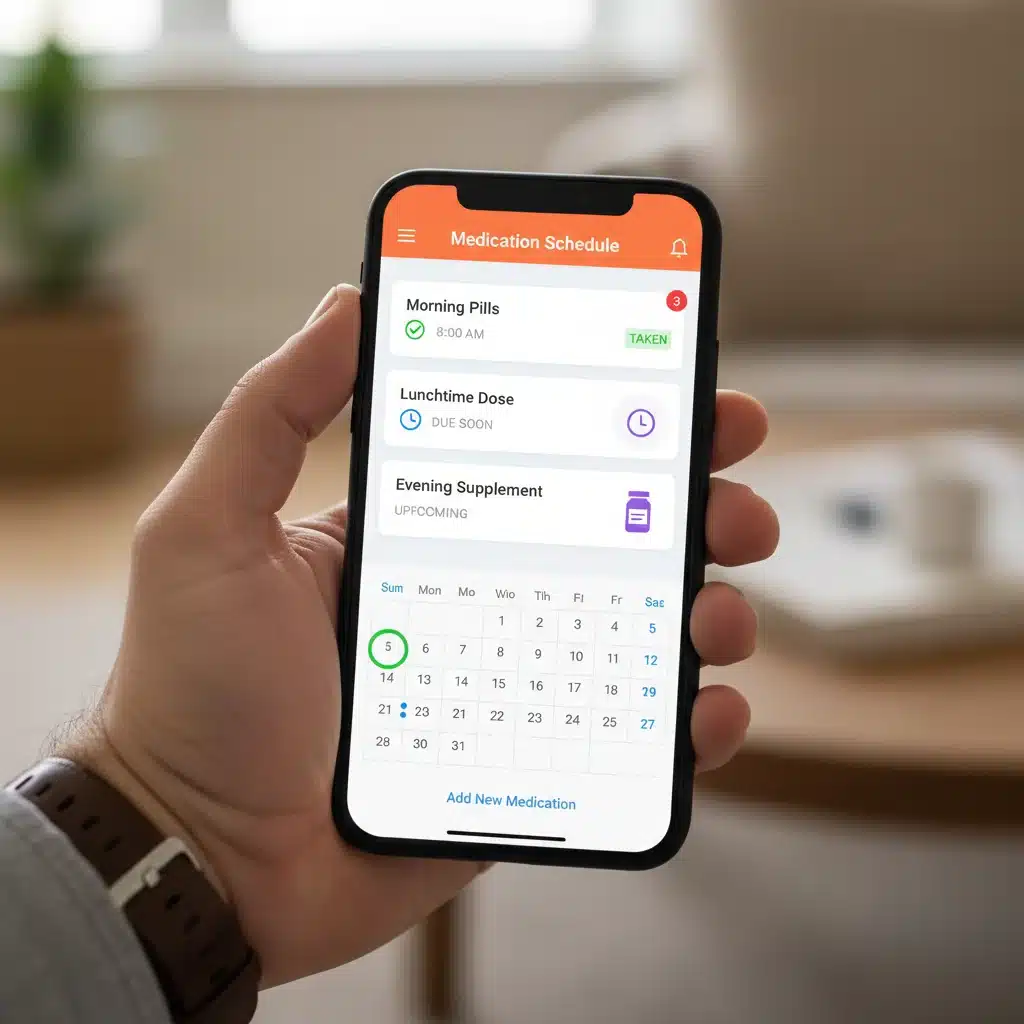
The integration of AI in these systems is leading to more personalized reminders based on daily routines and even potential drug interactions. These caregiver technology tools are not just about reminders; they create a safety net that significantly reduces the risk of medication errors, a common cause of hospitalizations among the elderly.
3. Remote Monitoring and Safety Devices: Peace of Mind from Afar
For caregivers who don’t live with their loved ones, or even those who do but need to step away, remote monitoring and safety devices offer invaluable peace of mind. These caregiver technology tools leverage IoT to keep an eye on safety and well-being without being intrusive.
Key Features to Look For:
- Medical Alert Systems (PERS): Wearable devices (pendants, watches) that allow the user to call for help in an emergency with the push of a button. Advanced versions include fall detection.
- Smart Sensors: Motion sensors, door/window sensors, and bed sensors can alert caregivers to unusual activity patterns or if a loved one leaves the house unexpectedly.
- Smart Cameras: Non-intrusive cameras with two-way audio can allow caregivers to check in visually and verbally, often with privacy features like scheduled activation or privacy zones.
- GPS Tracking: For individuals prone to wandering, GPS trackers can provide real-time location updates.
The Future of Remote Monitoring:
In 2026, expect these caregiver technology tools to become even more sophisticated, with predictive analytics that can detect subtle changes in behavior patterns that might indicate a health issue before it becomes critical. Imagine a system that learns a loved one’s sleep patterns and alerts you if they’ve been restless for several nights, or if they haven’t gotten out of bed by their usual time. This proactive approach to care is a game-changer.
4. Communication and Social Connection Apps: Bridging Distances
Social isolation can be a significant problem for seniors, impacting their mental and physical health. For caregivers, facilitating regular communication and social interaction is vital. Modern communication apps are powerful caregiver technology tools that help bridge geographical distances and foster connections.
Key Features to Look For:
- Video Calling Platforms: Easy-to-use interfaces for video calls (e.g., simplified versions of Zoom, FaceTime, Google Meet) that can be accessed via smart displays or tablets.
- Family Messaging Apps: Dedicated apps for family communication, often integrated with photo sharing and event planning.
- Virtual Activity Platforms: Apps offering online games, virtual tours, or group activities specifically designed for seniors to engage with others.
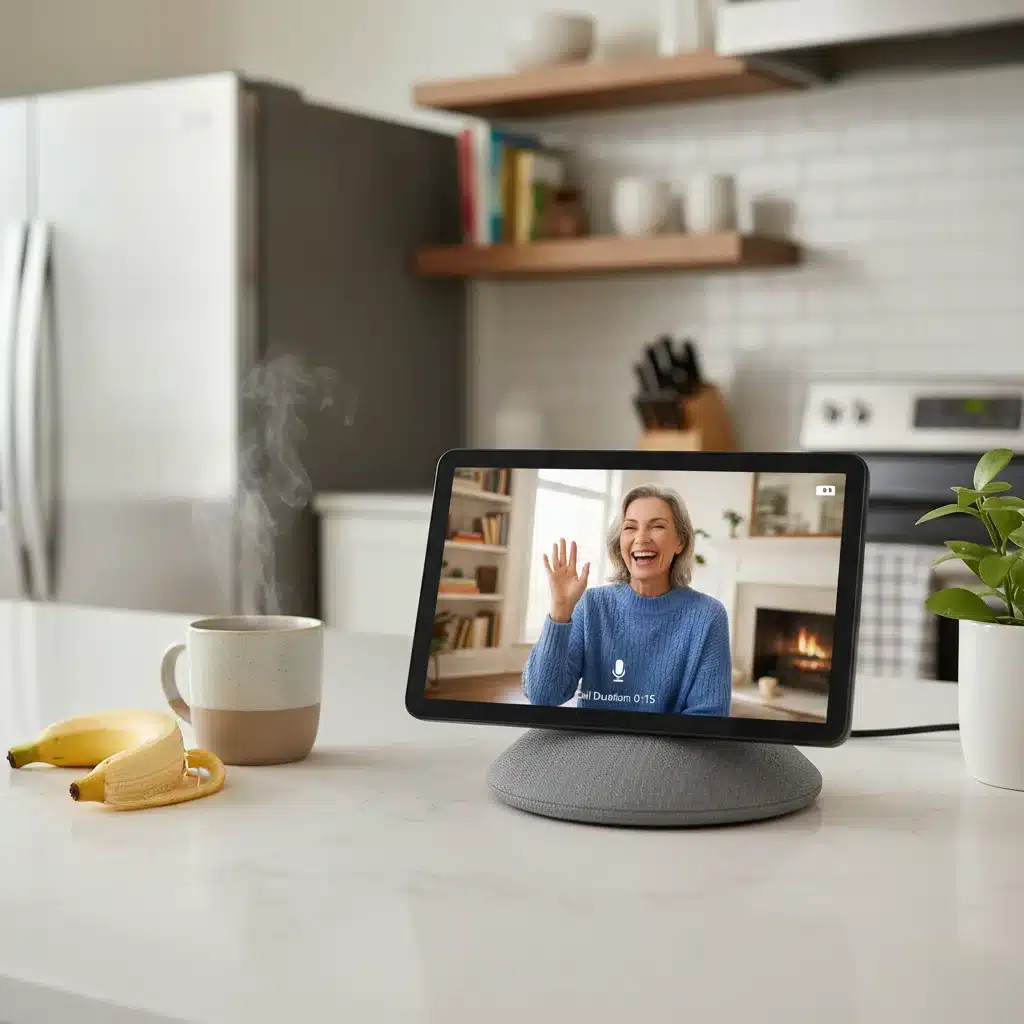
These caregiver technology tools not only allow caregivers to stay in touch but also empower seniors to maintain their social networks, reducing feelings of loneliness and depression. Simplified interfaces and voice-activated commands are making these technologies more accessible to individuals with varying levels of tech proficiency.
5. Telehealth and Virtual Care Platforms: Access to Medical Expertise
The pandemic significantly accelerated the adoption of telehealth, and it’s a trend that’s here to stay. Telehealth platforms are indispensable caregiver technology tools, offering convenient access to medical professionals without the need for travel, which can be challenging for many seniors and their caregivers.
Key Features to Look For:
- Virtual Doctor Visits: Consult with physicians, specialists, and therapists via video calls.
- Remote Patient Monitoring (RPM): Devices that collect vital signs (blood pressure, glucose levels, oxygen saturation) and transmit them directly to healthcare providers for review.
- Online Prescription Management: Request refills and manage prescriptions digitally.
- Mental Health Support: Access to virtual counseling and therapy sessions.
These caregiver technology tools not only save time and effort but also ensure continuity of care, especially for those in rural areas or with mobility issues. For caregivers, it means fewer trips to the doctor’s office and more efficient management of ongoing health conditions.
6. Caregiver Support and Wellness Apps: Nurturing the Nurturer
Caregiving is a selfless act, but it can take a significant toll on the caregiver’s own well-being. Burnout, stress, and isolation are common. Recognizing this, a growing number of caregiver technology tools are dedicated to supporting the caregivers themselves.
Key Features to Look For:
- Stress Reduction and Mindfulness Apps: Guided meditations, breathing exercises, and relaxation techniques tailored for caregivers.
- Support Group Forums: Online communities where caregivers can connect with peers, share experiences, and seek advice.
- Respite Care Locators: Apps that help caregivers find temporary relief services, allowing them to take a much-needed break.
- Educational Resources: Access to articles, webinars, and expert advice on various caregiving topics.
Investing in these caregiver technology tools is an investment in the sustainability of care. A well-supported caregiver is a more effective and compassionate caregiver. These apps provide a vital lifeline, reminding caregivers that they are not alone and offering practical strategies for self-care.
7. Smart Home Integration for Enhanced Living: The Connected Environment
Beyond individual apps, the concept of a smart home offers an integrated ecosystem of caregiver technology tools that can significantly enhance the safety, comfort, and independence of care recipients.
Key Features to Look For:
- Voice Assistants: Devices like Amazon Echo or Google Home can be used for reminders, hands-free calls, playing music, and controlling other smart devices.
- Smart Lighting: Automatically adjust lighting based on time of day or movement, reducing fall risks.
- Smart Thermostats: Maintain comfortable temperatures, often controllable remotely by caregivers.
- Smart Locks and Doorbells: Monitor who enters and leaves the home, and allow for remote access control.
The Holistic Smart Home:
In 2026, the integration of these caregiver technology tools will become even more seamless. Imagine a home where sensors detect a fall, automatically turn on lights, alert the caregiver, and even initiate a call to emergency services, all while a smart speaker reassures the individual. This level of interconnectedness creates a truly supportive and protective environment for seniors, enabling them to age in place with greater safety and dignity.
Implementing Caregiver Technology Tools: Best Practices
Adopting new technology can seem daunting, but with a strategic approach, it can be a smooth and rewarding process. Here are some best practices for integrating caregiver technology tools into your care routine:
- Assess Needs First: Before purchasing any tool, identify the specific challenges you and your loved one face. Is it medication adherence, communication, safety, or organization?
- Start Small: Don’t try to implement too many technologies at once. Introduce one or two tools, allow everyone to get comfortable, and then gradually expand.
- Involve the Care Recipient: Whenever possible, involve the senior in the decision-making process. Their comfort and willingness to use the technology are paramount.
- Prioritize User-Friendliness: Look for apps and devices with intuitive interfaces, large buttons, and clear instructions. Voice-activated options are often beneficial.
- Ensure Privacy and Security: Verify that any platform or device you use has robust privacy settings and data encryption to protect sensitive health information.
- Provide Training and Support: Offer clear instructions and patient guidance to your loved one. Be available to answer questions and troubleshoot issues.
- Regularly Review and Adapt: Technology evolves, and so do care needs. Periodically review the effectiveness of your tools and be open to trying new solutions as they emerge.
The Future of Caregiving with Technology
The journey of caregiving is deeply personal and incredibly vital. As we move closer to 2026, the landscape of care is being profoundly shaped by innovation. Caregiver technology tools are not replacements for human connection and compassion; rather, they are powerful enablers, designed to enhance the quality of care, lighten the load on caregivers, and empower seniors to live more independently and safely.
From smart medication dispensers to comprehensive care management platforms and intelligent home monitoring systems, these technologies offer a glimpse into a future where caregiving is more manageable, more connected, and more effective. By embracing these essential apps and tools, caregivers can navigate their challenging roles with greater confidence, efficiency, and peace of mind, ultimately fostering a better quality of life for everyone involved.
Embrace the future of caregiving today. Research these caregiver technology tools, consider which ones best fit your unique situation, and take the first step towards a more streamlined and supported caregiving journey.