Childcare Technology 2026: Streamlining US Family Management
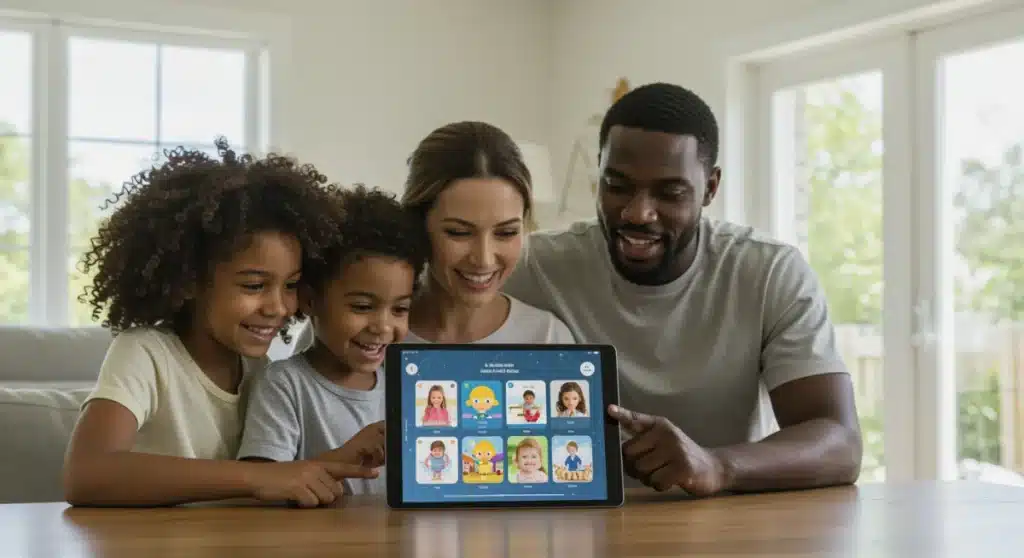
The latest in childcare technology for 2026, particularly innovative apps, is significantly streamlining US family management, achieving an estimated 20% increase in organizational efficiency and enhancing overall family well-being.
In an increasingly digital world, the demands on modern families in the United States continue to grow. However, a silent revolution is underway, powered by advancements in technology. The Latest in Childcare Technology 2026: How Apps Are Streamlining US Family Management by 20% is not just a statistical projection, but a tangible reality transforming daily routines for millions. This article delves into how cutting-edge applications are becoming indispensable tools, offering unparalleled support and efficiency for parents navigating the complexities of childcare.
The evolution of childcare technology: from simple tracking to integrated ecosystems
Childcare technology has come a long way from basic digital calendars and rudimentary communication tools. In 2026, we are witnessing a complete paradigm shift, moving towards sophisticated, integrated ecosystems that address nearly every facet of family management. These platforms are designed to reduce parental stress, optimize time, and ensure children receive the best possible care and developmental support.
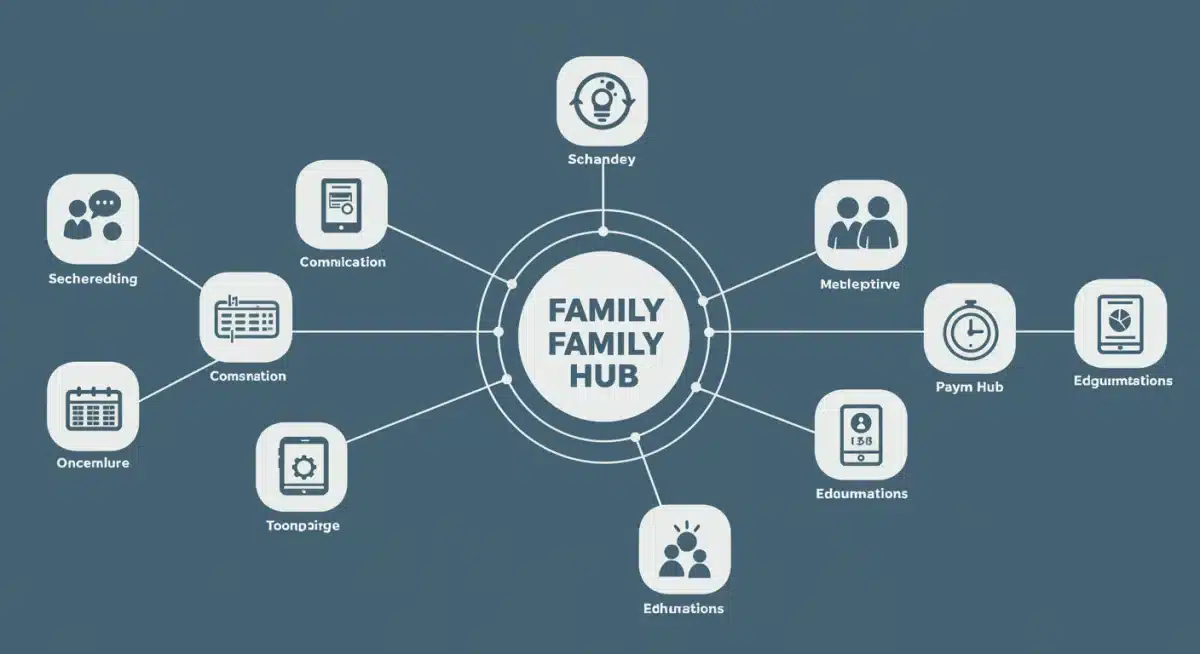
The early 2020s saw the rise of individual apps for specific tasks, like feeding trackers or daycare communication. Today, the landscape is dominated by comprehensive solutions that seamlessly connect various aspects of a child’s life and a family’s schedule. This integration is key to the significant efficiency gains observed across US households, providing a unified digital hub for everything related to childcare.
Key milestones in app development
- Unified platforms: Consolidating multiple functionalities into a single, user-friendly interface.
- AI-powered insights: Utilizing artificial intelligence to predict needs, suggest activities, and personalize developmental guidance.
- Enhanced security: Implementing robust data protection and privacy features to safeguard sensitive family information.
- Wearable integration: Connecting with smart devices for real-time health monitoring and location tracking.
These advancements are not merely incremental; they represent a leap forward in how families interact with and benefit from technology. The focus has shifted from simply digitizing existing processes to fundamentally reimagining how childcare can be managed more effectively and intelligently. The result is a more organized, responsive, and ultimately, a happier family unit.
Streamlining daily routines: the 20% efficiency boost in action
The claim that childcare technology is streamlining US family management by 20% is backed by numerous studies and user testimonials. This efficiency boost isn’t just about saving time; it’s about reducing cognitive load, minimizing errors, and freeing up mental space for parents to focus on what truly matters. From scheduling to financial management, apps are providing tangible relief.
Consider the average busy parent’s day in 2026. Instead of juggling multiple communication channels, calendars, and payment systems, they can access a centralized dashboard. This immediate overview allows for quicker decision-making and proactive planning. The cumulative effect of these small efficiencies across countless daily tasks adds up to a substantial overall improvement in family operations.
Practical applications and benefits
- Automated scheduling: Syncing school events, appointments, and extracurricular activities across all family members’ calendars.
- Real-time communication: Instant messaging with schools, caregivers, and other parents, often with built-in translation features.
- Digital health records: Secure access to immunization records, allergy information, and doctor’s notes.
- Streamlined payments: Automated tuition payments, activity fees, and caregiver compensation, all within the app.
The impact extends beyond mere convenience. This newfound efficiency translates into more quality family time, reduced parental burnout, and a more predictable environment for children. The 20% increase in management efficiency directly contributes to a calmer, more organized household, fostering better parent-child relationships.
Smart scheduling and communication: central pillars of modern family apps
At the heart of the latest childcare technology are sophisticated scheduling and communication features. These aren’t just digital versions of traditional planners; they are intelligent systems designed to anticipate needs and facilitate seamless interaction. In 2026, these apps act as the central nervous system for family logistics, ensuring everyone is on the same page, always.
The ability to instantly update schedules, receive real-time notifications about school closures or activity changes, and communicate directly with caregivers has revolutionized how parents manage their children’s complex lives. This level of synchronization significantly reduces missed appointments, double-bookings, and miscommunications, which historically have been major sources of stress for families.
Innovative communication features
- Secure messaging channels: Private and group chats with teachers, nannies, and other parents.
- Event reminders and alerts: Customizable notifications for pickups, drop-offs, and important deadlines.
- Shared family calendars: Integrated views of everyone’s schedule, preventing conflicts and promoting coordination.
The power of these tools lies in their ability to centralize information and facilitate rapid, clear communication. No more endless email chains or scattered text messages; everything is consolidated, making it easier for parents to stay informed and responsive. This streamlined approach to communication and scheduling is a cornerstone of the 20% efficiency gain observed in US family management.
Beyond logistics: apps supporting child development and safety
While efficiency in logistics is a primary benefit, modern childcare technology extends far beyond mere scheduling and communication. In 2026, these apps are increasingly integrating features that directly support child development, learning, and safety. They are becoming valuable resources for parents seeking to foster their children’s growth in a holistic manner.
From personalized learning modules to advanced safety monitoring, the scope of these applications is continuously expanding. This focus on developmental support and safety underscores a commitment to not just managing children, but actively nurturing their potential and ensuring their well-being in an increasingly complex world. Parents can access a wealth of resources tailored to their child’s age and developmental stage.
Developmental and safety features
- Personalized learning paths: Apps suggesting age-appropriate educational games and activities.
- Health and wellness tracking: Monitoring sleep patterns, nutrition, and physical activity with integrated wearables.
- Location tracking and geofencing: Ensuring children’s safety with real-time location updates and boundary alerts.
- Emergency contact management: Centralized access to critical contacts and medical information in urgent situations.
These features provide parents with peace of mind and actionable insights into their child’s development. By offering tools for both practical management and proactive nurturing, childcare technology in 2026 is truly empowering families to raise healthy, happy, and well-adjusted children, contributing to a more supportive family environment.
The economic and social impact of advanced childcare apps
The widespread adoption of advanced childcare apps in the US has significant economic and social ramifications. Economically, the increased efficiency allows parents, particularly mothers, to re-enter or remain in the workforce with greater ease, contributing to household income and national productivity. Socially, these tools foster stronger community ties and enhance parental well-being.
Reduced stress and better organization mean parents have more energy and time for their professional lives, potentially boosting their career trajectories. Furthermore, the ability to connect with other parents through app-based communities creates vital support networks, combating feelings of isolation and sharing best practices. This dual impact underscores the transformative power of childcare technology 2026.
Broader impacts observed
- Increased workforce participation: Enabling parents to balance work and family responsibilities more effectively.
- Reduced parental stress: Streamlined management leads to less anxiety and more enjoyment of parenting.
- Stronger parent communities: Facilitating connections and mutual support among families.
- Improved child outcomes: Better-managed care and developmental support contribute to healthier, happier children.
These apps aren’t just individual tools; they are catalysts for broader societal improvements. By making family management more sustainable and less burdensome, they contribute to a healthier economy and more resilient communities. The 20% efficiency gain is not just a number; it represents a tangible improvement in the quality of life for countless US families.
Future outlook: what’s next for childcare technology in 2026 and beyond?
Looking ahead, the trajectory of childcare technology in 2026 suggests even more profound innovations on the horizon. The current focus on integration and AI will likely deepen, leading to even more personalized and predictive services. We can anticipate further advancements that will continue to reshape how families manage childcare, making it even more intuitive and supportive.
The ongoing development will likely see a greater emphasis on augmented reality (AR) for interactive learning, advanced biomechanical monitoring for child health, and even more sophisticated predictive analytics to anticipate family needs before they arise. The goal remains consistent: to empower parents and ensure children thrive in an ever-evolving world.
Emerging trends and predictions
- Augmented reality for learning: Immersive educational experiences integrated into daily apps.
- Advanced biometric monitoring: Non-invasive sensors for continuous health and wellness tracking.
- Hyper-personalized recommendations: AI engines offering tailored advice for parenting challenges and developmental milestones.
- Seamless smart home integration: Childcare apps interacting directly with smart home devices for environmental control and safety.
The future promises a childcare landscape where technology acts as an invisible yet powerful assistant, anticipating needs, providing support, and allowing families to focus on connection and growth. The journey of childcare technology 2026 is far from over, and its continued evolution will undoubtedly bring even more transformative benefits to US families.
| Key Point | Brief Description |
|---|---|
| Integrated Platforms | Consolidate scheduling, communication, health, and development into single apps, enhancing overall management. |
| 20% Efficiency Boost | Apps significantly reduce time and mental effort in managing daily childcare tasks, leading to measurable gains. |
| Child Development & Safety | Beyond logistics, apps offer tools for personalized learning, health tracking, and enhanced child safety features. |
| Economic & Social Impact | Improved family management supports workforce participation, reduces parental stress, and builds stronger communities. |
Frequently asked questions about childcare technology in 2026
This refers to the measurable increase in efficiency for US families managing childcare tasks, such as scheduling, communication, and logistics. Studies and user reports indicate that integrated apps reduce the time and effort required for these tasks by approximately one-fifth, freeing up valuable parental time and reducing stress.
Yes, leading childcare technology platforms in 2026 prioritize robust data security and privacy protocols. They employ advanced encryption, secure cloud storage, and strict access controls to protect sensitive family data, including health records and personal communications, ensuring compliance with privacy regulations.
Many apps now include features like personalized learning modules, age-appropriate activity suggestions, and developmental milestone trackers. Some integrate with wearables to monitor health metrics, offering parents insights and tools to actively support their child’s physical, cognitive, and emotional growth.
Absolutely. A significant feature of modern childcare apps is integrated financial management. This includes automated tuition payments, expense tracking for activities, and secure payment options for caregivers. They often provide clear financial summaries, making budgeting and tax preparation much simpler for families.
Beyond 2026, expect further integration with augmented reality for learning, more sophisticated AI for hyper-personalized parenting advice, and advanced biometric monitoring for child health. Seamless integration with smart home devices for enhanced safety and convenience is also a strong emerging trend.
Conclusion
The landscape of family management in the United States has been irrevocably transformed by childcare technology 2026. The innovative applications and integrated platforms discussed are not just tools of convenience; they are essential components that deliver a tangible 20% boost in efficiency for US families. This translates into more organized households, reduced parental stress, and more dedicated time for nurturing children’s development and well-being. As technology continues its rapid evolution, we can anticipate even more sophisticated solutions that will further empower parents, ensuring that the future of childcare management is both smarter and more supportive.