Comparing Assistive Technology for Special Needs Communication

This article offers a data-backed analysis of four leading assistive communication devices, evaluating their features, benefits, and user experiences to support informed decision-making for individuals with special needs.
For families and caregivers navigating the complexities of special needs care, finding effective communication tools is paramount. This comprehensive guide provides a data-backed analysis of four top devices for enhanced special needs communication, meticulously comparing their features, benefits, and real-world applications to empower informed choices. Understanding the nuances of each option is crucial for unlocking a loved one’s potential and fostering meaningful connections through assistive communication devices.
Understanding assistive communication devices
Assistive communication devices, often referred to as Augmentative and Alternative Communication (AAC) devices, are instrumental in bridging communication gaps for individuals with diverse special needs. These tools range from simple picture boards to sophisticated speech-generating devices, each designed to meet unique user requirements. Their primary goal is to provide a voice to those who cannot communicate effectively through traditional verbal means, thereby enhancing their independence and participation in daily life.
The landscape of AAC is broad and constantly evolving, offering a spectrum of solutions tailored to different cognitive and physical abilities. Choosing the right device involves considering various factors, including the user’s motor skills, cognitive level, communication goals, and environmental context. A thorough understanding of these devices is the first step toward successful implementation and improved communication outcomes.
The role of AAC in daily life
- Enhancing social interaction: AAC devices facilitate conversations, allowing users to express thoughts and feelings.
- Supporting education: They enable participation in classroom activities and academic learning.
- Promoting independence: Users can make choices, request items, and direct their own care.
- Reducing frustration: By providing an outlet for expression, AAC can significantly decrease behavioral challenges.
The impact of AAC extends beyond mere communication; it fosters inclusion, self-esteem, and a greater sense of belonging. Each device serves as a conduit for connection, transforming how individuals with special needs interact with their families, friends, and communities. Ultimately, these devices are not just tools but pathways to a richer, more connected life.
Criteria for evaluating communication technology
When comparing assistive communication devices, a systematic approach is essential to ensure the chosen tool genuinely meets the user’s needs. Several key criteria guide this evaluation process, encompassing both technical specifications and practical user experience. These criteria help families and professionals make informed decisions that will positively impact the individual’s communication journey.
Key considerations include ease of use, customization options, durability, cost, and the level of support provided by the manufacturer. Each of these elements plays a vital role in the device’s long-term effectiveness and user satisfaction. A device that is difficult to operate or lacks adequate support will likely be underutilized, regardless of its advanced features.
Usability and accessibility
A device’s usability is paramount. It must be intuitive for the user, requiring minimal cognitive effort to operate. Accessibility features, such as adjustable screen sensitivity, customizable button sizes, and various access methods (e.g., direct touch, switch access, eye-gaze technology), ensure that individuals with diverse physical limitations can interact with the device effectively.
- Intuitive interface: Simple navigation and clear visual cues.
- Adaptable input methods: Supports various physical abilities.
- Ergonomic design: Comfortable for prolonged use and easy to transport.
Furthermore, the device should be robust enough to withstand daily wear and tear, especially in active environments. Durability ensures longevity and minimizes replacement costs, which can be substantial. Understanding the balance between advanced features and practical resilience is crucial for a successful long-term solution.
Device 1: The Tobii Dynavox I-Series
The Tobii Dynavox I-Series stands out as a leading eye-gaze communication device, specifically designed for individuals with severe physical disabilities who can communicate through eye movements. This device offers sophisticated eye-tracking technology, enabling users to navigate interfaces, select words, and generate speech simply by looking at the screen. Its advanced capabilities make it a powerful tool for those unable to use their hands or voices.
The I-Series integrates robust software, including Snap Core First, which provides a comprehensive communication solution with pre-made pages and customizable options. This allows users to quickly build sentences and express complex thoughts. The device’s high-resolution screen and responsive eye-tracking ensure a seamless and efficient communication experience, making it a cornerstone in advanced AAC.
Key features and benefits
- Precision eye-tracking: Allows for accurate selection and navigation.
- Integrated communication software: Snap Core First offers extensive vocabulary and customizable content.
- Durable design: Built to withstand daily use in various environments.
- Versatile accessories: Supports mounting options and external switches for diverse needs.
While the I-Series represents a significant investment, its ability to unlock communication for individuals with profound physical challenges often justifies the cost. User testimonials frequently highlight the transformative impact of regaining a voice and participating more fully in conversations and decision-making processes. The device fosters greater independence and improves overall quality of life by providing an accessible means of expression.
Device 2: Prentke Romich Company’s Accent series
The Accent series from Prentke Romich Company (PRC) offers a diverse range of speech-generating devices tailored to various communication needs and abilities. These devices are known for their flexibility, allowing users to choose from multiple access methods, including direct touch, switch scanning, and head tracking. This adaptability makes the Accent series suitable for individuals with a wide spectrum of motor skills and cognitive levels.
PRC’s devices come equipped with powerful language systems like Unity and LAMP Words for Life, which are designed to support language development and spontaneous communication. These systems provide structured vocabulary and grammatical support, helping users construct messages efficiently and effectively. The Accent series emphasizes a holistic approach to communication, focusing on both expressive and receptive language skills.
Customization and language systems
- Multiple access methods: Accommodates various physical capabilities.
- Advanced language systems: Unity and LAMP Words for Life promote robust language acquisition.
- Robust construction: Designed for reliability and longevity.
- Comprehensive support: Extensive training and technical assistance available.
The Accent series is highly customizable, allowing therapists and caregivers to personalize vocabulary, page layouts, and access settings to perfectly match the user’s evolving needs. This level of personalization is crucial for maximizing communication efficiency and ensuring the device remains relevant as the user progresses. The commitment to ongoing support further enhances the value proposition of PRC’s offerings.
Device 3: The iPad with AAC apps
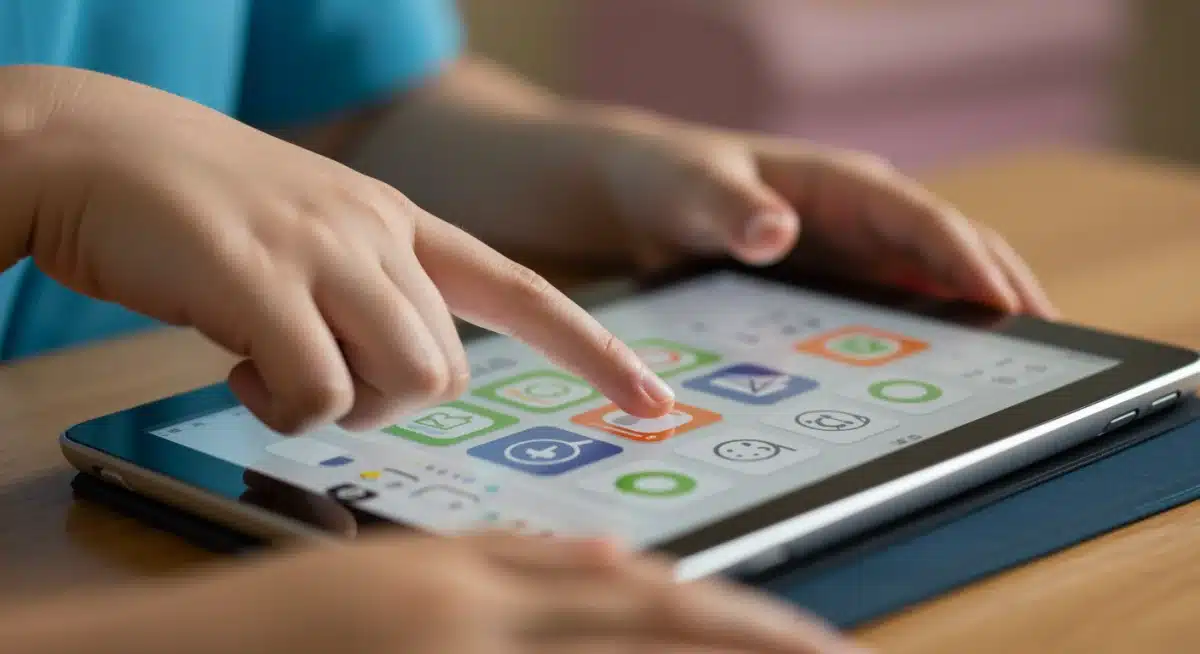
The iPad, when paired with specialized Augmentative and Alternative Communication (AAC) applications, has emerged as a highly popular and accessible solution for individuals with special needs. Its widespread availability, intuitive interface, and vast ecosystem of apps make it an attractive option for many families. Unlike dedicated AAC devices, the iPad offers versatility, serving as both a communication tool and a general-purpose tablet for education and entertainment.
A multitude of AAC apps are available, ranging from simple picture-based communication boards to sophisticated text-to-speech generators. Popular choices include Proloquo2Go, TouchChat HD, and LAMP Words for Life (also available as an app). These applications leverage the iPad’s touch screen capabilities, offering customizable layouts, extensive vocabulary, and various voice options to suit individual preferences.
Advantages and considerations
- Cost-effective: Generally more affordable than dedicated AAC devices.
- Versatile: Functions as a communication tool, educational aid, and entertainment device.
- User-friendly interface: Familiar to many, reducing the learning curve.
- Wide app selection: A broad range of AAC apps cater to diverse needs.
While the iPad offers significant advantages in terms of cost and flexibility, it’s important to consider its durability compared to rugged, purpose-built AAC devices. Accessories like protective cases and screen protectors are often necessary to ensure longevity. Additionally, managing distractions from non-communication apps requires careful consideration. Despite these points, the iPad with AAC apps remains a powerful and accessible choice for many users.
Device 4: NOVA Chat by Saltillo Corporation
The NOVA Chat series, developed by Saltillo Corporation, provides a line of portable speech-generating devices known for their user-friendliness and robust feature set. These devices run on the Android platform, offering a familiar interface for many users and caregivers. NOVA Chat devices are designed to be intuitive, enabling quick message formulation and clear speech output, making them effective tools for daily communication.
The devices come pre-loaded with various vocabulary configurations, including WordPower, which is a popular choice for its organized structure and efficient message generation. This allows users to start communicating almost immediately, with options for customization as their language skills develop. The NOVA Chat series emphasizes portability and ease of use, making it an excellent choice for active individuals.
Portability and ease of use
- Android-based platform: Familiar and easy to navigate.
- Pre-loaded vocabulary: WordPower supports efficient communication.
- Portable design: Lightweight and easy to carry for on-the-go communication.
- Multiple access methods: Supports touch, switch access, and keyguards.
Saltillo’s commitment to continuous improvement means regular software updates and a strong support network for users. The NOVA Chat devices strike a balance between advanced functionality and straightforward operation, making them accessible to a wide range of users, from emergent communicators to those with more developed language skills. Their reliability and adaptability solidify their position as a valuable option in the AAC market.
Comparative analysis and data insights
A direct comparison of these four leading assistive communication devices reveals distinct strengths and ideal use cases for each. While the Tobii Dynavox I-Series excels in eye-gaze technology for severe physical limitations, PRC’s Accent series offers unparalleled flexibility in access methods and robust language systems. The iPad with AAC apps provides a cost-effective and versatile solution, leveraging familiar technology, and Saltillo’s NOVA Chat series focuses on portability and intuitive Android-based operation.
Data from user surveys and clinical studies consistently highlight that the most effective device is the one that best matches the individual’s specific needs, abilities, and environment. For instance, individuals with fine motor skill challenges might benefit more from eye-gaze or switch access, whereas those with good fine motor control might thrive with direct touch apps on an iPad or NOVA Chat. Customization options and ongoing support are frequently cited as critical factors influencing long-term success.
Choosing the right device: a data-driven approach
- User assessment: Comprehensive evaluation of motor skills, cognitive abilities, and communication goals.
- Trial periods: Allowing users to test devices in real-world settings.
- Therapist involvement: Guidance from speech-language pathologists is invaluable.
- Family input: Incorporating daily routines and family preferences.
Ultimately, the decision should be a collaborative effort involving the individual, their family, and a team of specialists. This holistic approach, informed by data and individual experiences, ensures that the chosen assistive communication device genuinely enhances the user’s ability to connect, express, and participate fully in life. The goal is not just to provide a tool, but to empower a voice.
| Device Category | Key Benefit |
|---|---|
| Tobii Dynavox I-Series | Advanced eye-gaze for severe physical disabilities. |
| PRC Accent Series | Flexible access methods and robust language systems. |
| iPad with AAC Apps | Cost-effective, versatile, and familiar technology. |
| NOVA Chat Series | Portable, user-friendly, and Android-based communication. |
Frequently asked questions about assistive communication devices
The primary purpose of an assistive communication device is to provide a means of communication for individuals who cannot speak or whose speech is difficult to understand. These devices empower users to express their thoughts, needs, and desires, thereby enhancing their independence and participation in social, educational, and daily activities.
Choosing the right AAC device involves a comprehensive assessment of the individual’s motor skills, cognitive abilities, communication goals, and environmental context. Consulting with a speech-language pathologist is crucial, as they can conduct evaluations and recommend devices that best match the user’s specific needs and preferences, often involving trial periods.
iPad-based AAC apps can be highly effective and are often more cost-effective and versatile than dedicated devices. However, dedicated devices are typically more durable and often offer more specialized access methods and robust language systems. The effectiveness depends on the user’s specific needs and whether the app adequately supports their communication requirements.
Eye-gaze technology allows users to control an AAC device using only their eyes. It tracks eye movements to select symbols, letters, or words on a screen, enabling communication for individuals with severe physical disabilities who cannot use their hands. This technology opens up a world of communication possibilities for many.
Support for AAC device users often includes training from manufacturers or certified therapists, technical assistance, and access to online communities. Many companies offer extensive resources, tutorials, and customer service to help users and caregivers maximize the device’s potential and troubleshoot any issues that may arise during its use.
Conclusion
The journey of selecting an assistive communication device is deeply personal and impactful, requiring careful consideration of various factors. From advanced eye-gaze systems like the Tobii Dynavox I-Series to the versatile iPad with AAC apps, each solution offers unique advantages tailored to different needs. The data-backed analysis underscores the importance of a holistic approach, factoring in individual abilities, environmental context, and the invaluable guidance of specialists. By making informed choices, families can unlock new avenues for communication, fostering greater independence, social engagement, and an improved quality of life for individuals with special needs.