The 2026 Outlook for Employer-Sponsored Childcare: What Benefits to Expect and How to Advocate for More (RECENT UPDATES)
In today’s dynamic professional landscape, the conversation around work-life balance and employee well-being has never been more critical. A cornerstone of this discussion, and an increasingly vital factor for both employees and employers, is employer-sponsored childcare. As we look ahead to 2026, the demand for and evolution of these benefits are accelerating. This comprehensive guide delves into the anticipated landscape of employer childcare benefits, explores recent updates and trends, and provides actionable strategies for employees to effectively advocate for enhanced support within their organizations.
The challenges of balancing professional responsibilities with the demands of raising a family are profound. For many working parents, securing reliable, affordable, and high-quality childcare is a perpetual struggle, often impacting career progression, financial stability, and overall mental health. Recognizing this, forward-thinking employers are increasingly viewing childcare support not merely as a perk, but as a strategic imperative for attracting and retaining top talent, fostering productivity, and building a resilient, engaged workforce. The 2026 outlook for employer childcare benefits is shaped by these realities, alongside evolving societal expectations and economic pressures.
This article aims to provide a detailed understanding of what employees can realistically expect regarding employer-sponsored childcare in the coming years. We will examine the various forms these benefits can take, from on-site facilities to financial subsidies and flexible work arrangements. Furthermore, we’ll highlight recent legislative changes, corporate initiatives, and societal shifts that are influencing the expansion and refinement of these crucial supports. Crucially, we will also equip you with the knowledge and tools to effectively advocate for more comprehensive childcare options, ensuring your voice is heard and your needs are met in the workplace.
The Evolving Landscape of Employer-Sponsored Childcare
The concept of employers supporting employee childcare needs is not entirely new, but its scope and sophistication have grown significantly. Historically, such benefits were often limited to large corporations with the resources to build on-site facilities. However, the COVID-19 pandemic served as a catalyst, thrusting childcare challenges into the spotlight for nearly all working parents and, by extension, their employers. This period highlighted the fragility of existing childcare infrastructures and the direct link between childcare access and workforce participation. As a result, many companies, irrespective of size, began to re-evaluate their role in addressing this critical need.
Looking towards 2026, the trend is clear: employer childcare benefits are becoming a standard expectation rather than a niche offering. This shift is driven by multiple factors:
- Talent Attraction and Retention: In a competitive job market, comprehensive benefits packages, including robust childcare support, are powerful differentiators. Companies recognize that offering these benefits can significantly reduce turnover, improve employee morale, and attract a more diverse talent pool.
- Productivity and Engagement: When employees have reliable childcare, they experience less stress, fewer distractions, and are more likely to be present and focused at work. This directly translates to increased productivity and higher engagement levels.
- Diversity, Equity, and Inclusion (DEI): Childcare responsibilities disproportionately affect women and marginalized groups. Providing robust childcare benefits is a tangible way for companies to demonstrate their commitment to DEI, helping to level the playing field and ensure equitable opportunities for all employees.
- Government Incentives and Policy Shifts: While not uniformly widespread, there is growing momentum for government incentives and tax credits for employers who provide childcare solutions. These policies, where they exist, encourage more companies to invest in such benefits.
- Employee Advocacy: A more vocal and organized workforce is increasingly demanding better work-life supports, including childcare. This bottom-up pressure is a significant driver of change.
The variety of employer childcare benefits is also expanding. While on-site centers remain the gold standard for some, many companies are exploring more flexible and scalable solutions to meet diverse employee needs. This evolution reflects a growing understanding that a one-size-fits-all approach is insufficient.
Expected Employer Childcare Benefits in 2026
As we approach 2026, expect to see a more diverse and sophisticated array of employer childcare benefits. Here’s a breakdown of what employees can anticipate:
1. Direct Financial Assistance
- Childcare Subsidies/Vouchers: This is becoming a popular option, where employers provide direct financial contributions to help cover the cost of external childcare services. These can be a fixed amount per month or a percentage of childcare costs, often tiered based on income or family size.
- Dependent Care Flexible Spending Accounts (DCFSAs): While not directly funded by the employer, many companies facilitate these accounts, allowing employees to set aside pre-tax dollars for eligible childcare expenses. Some employers may even contribute to these accounts.
- Backup Care Programs: For those unexpected situations when regular childcare falls through, employers are increasingly offering subsidized or fully covered backup care options, either through partnerships with care providers or direct financial support. This is a critical benefit for preventing work disruptions.
2. On-Site and Near-Site Childcare Facilities
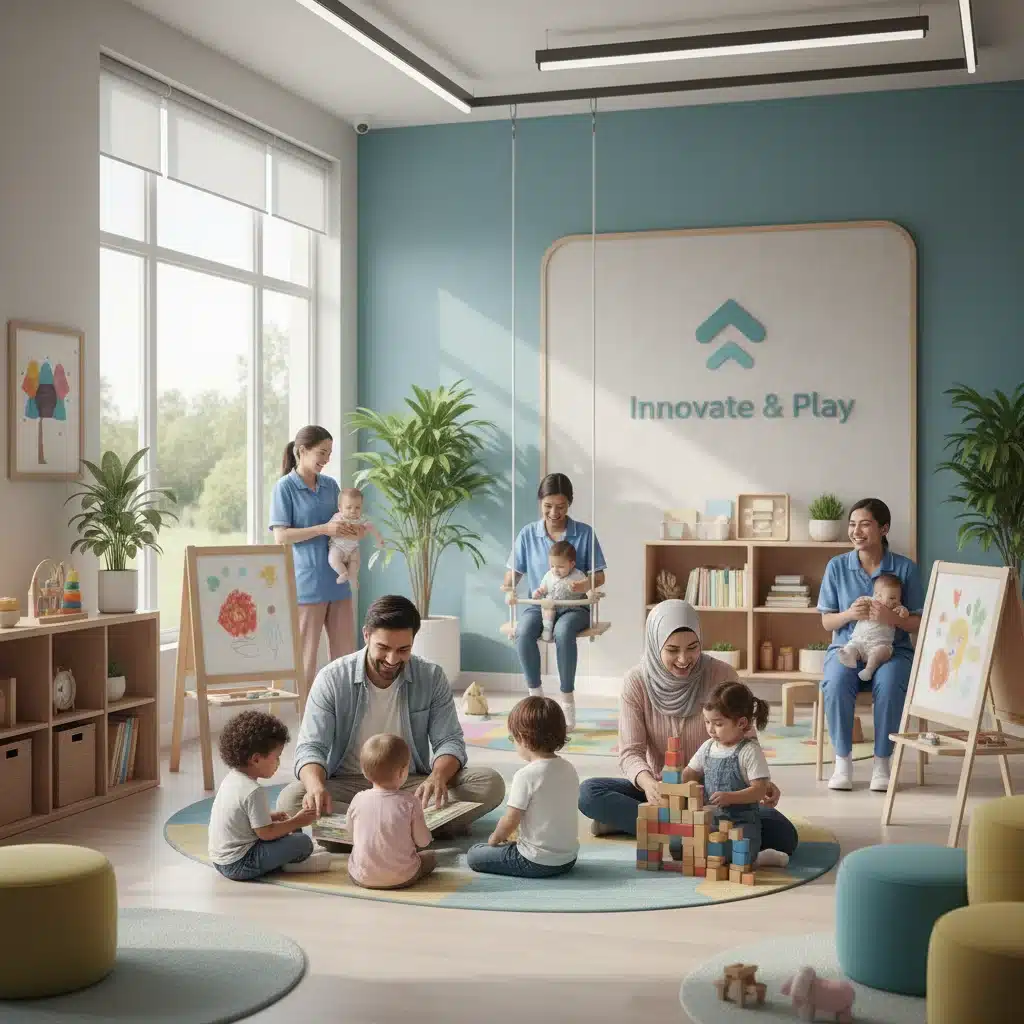
For larger organizations or those located in areas with limited childcare options, on-site or near-site childcare centers will continue to be a highly valued benefit. These facilities offer convenience, peace of mind, and often provide high-quality, education-focused care. The trend here will be towards more integrated services, potentially including early learning programs and extended hours to accommodate diverse work schedules.
3. Partnerships and Referrals
Many employers, especially small to medium-sized businesses, may not have the resources for direct financial assistance or on-site centers. Instead, they are forming partnerships with local childcare providers. These partnerships can offer employees:
- Preferred Enrollment/Guaranteed Slots: Access to coveted spots in high-quality daycare centers.
- Discounted Rates: Negotiated lower rates for childcare services.
- Referral Services: Assistance in finding suitable childcare options that meet their specific needs and budget.
4. Flexible Work Arrangements
While not a direct childcare benefit, flexible work arrangements are a powerful complementary support. The 2026 outlook indicates a continued emphasis on:
- Remote and Hybrid Work Options: Allowing parents more flexibility to manage childcare responsibilities alongside work.
- Flexible Hours/Compressed Workweeks: Enabling employees to adjust their schedules to accommodate school drop-offs, pickups, or other care needs.
- Part-Time Options: Offering opportunities for reduced hours without sacrificing career progression.
5. Parental Leave Enhancements
Beyond initial parental leave, some progressive employers are looking at expanding leave options for specific childcare needs, such as:
- Emergency Childcare Leave: Paid or unpaid leave for unexpected childcare emergencies.
- School Holiday/Summer Camp Subsidies: Support for childcare during non-school periods.
The key takeaway for 2026 is that employers are moving towards a more holistic view of support, understanding that a combination of these benefits often best serves their diverse workforce. The emphasis will be on flexibility, accessibility, and quality in all offerings related to employer childcare benefits.
Recent Updates and Influencing Factors
The landscape of employer childcare benefits is not static; it’s continually shaped by various forces. Recent updates and ongoing trends will significantly influence what we see in 2026:
1. Post-Pandemic Realities
The pandemic undeniably accelerated conversations around work-life balance and childcare. Many employees experienced firsthand the difficulties of working from home with children, or the stress of securing care when facilities closed. This collective experience has led to a permanent shift in expectations, with more employees prioritizing employers who offer tangible family support.
2. Legislative Momentum (Varying by Region)
While a comprehensive federal childcare policy remains elusive in many countries, there’s growing legislative momentum at state and local levels to incentivize employer-provided childcare. This includes:
- Tax Credits: Some states are offering tax credits to businesses that establish or contribute to childcare programs for their employees.
- Grant Programs: Government grants to help employers with the initial setup costs of on-site facilities or to subsidize childcare costs.
- Expanded Dependent Care Assistance Programs (DCAP): Discussions around increasing the maximum contribution limits for DCAPs, making them more impactful for families.
Staying informed about local legislation is crucial for both employers and employees to understand potential opportunities for enhancing employer childcare benefits.
3. Rise of Childcare Benefit Platforms
A new ecosystem of tech-enabled platforms is emerging to help employers administer childcare benefits more efficiently. These platforms can connect employees with vetted childcare providers, manage subsidies, facilitate backup care, and offer educational resources. This innovation makes it easier for companies of all sizes to offer comprehensive benefits without the administrative burden.
4. Focus on Early Childhood Education
There’s a growing recognition that childcare is not just about supervision but also about early childhood development. Employers are increasingly looking for partners and solutions that offer high-quality, education-focused programs, understanding the long-term benefits for children and the peace of mind for parents.
5. Economic Pressures and Inflation
The rising cost of living, particularly childcare, places immense financial strain on families. This economic reality makes employer contributions to childcare even more valuable and necessary. Companies that absorb some of these costs are seen as more supportive and understanding of their employees’ financial well-being.

How to Advocate for More Employer Childcare Benefits
Understanding the trends and expected benefits is one thing; actively shaping your workplace to offer more is another. Advocating for enhanced employer childcare benefits requires a strategic and well-researched approach. Here’s how you can make a compelling case:
1. Gather Data and Personal Stories
- Quantify the Need: Collect anonymous data within your organization (if possible, through internal surveys or HR) on how many employees have childcare needs, the costs they incur, and the impact on their work (e.g., missed days, reduced productivity due to stress). If internal data is unavailable, use national or industry-specific statistics.
- Personalize the Impact: While maintaining professionalism, share anonymized personal anecdotes (or your own, if comfortable) about the challenges faced due to inadequate childcare. Numbers are important, but human stories resonate deeply.
- Research Competitors: Investigate what similar companies in your industry or region are offering in terms of employer childcare benefits. This provides a benchmark and demonstrates what is feasible and competitive.
2. Understand Your Company’s Context
- Budget and Resources: Be realistic about your company’s financial capabilities. A small startup might not be able to build an on-site daycare, but they might be able to offer subsidies or partnerships.
- Company Culture and Values: Frame your advocacy in terms of how enhanced childcare benefits align with the company’s stated values (e.g., employee well-being, diversity, innovation).
- Key Decision-Makers: Identify who has the power to influence these decisions (HR, senior leadership, compensation committee) and tailor your message to their priorities.
3. Propose Specific Solutions
Instead of just highlighting problems, come prepared with well-researched, actionable solutions. Consider a tiered approach, suggesting different options based on feasibility:
- Low-Cost/High-Impact: Flexible work policies, expanded DCFSAs, referral services.
- Moderate Investment: Childcare subsidies, backup care programs, partnerships with local centers for discounted rates.
- Higher Investment: On-site or near-site childcare facilities (for larger organizations).
Present a clear business case for each suggestion, outlining the return on investment (ROI) in terms of employee retention, productivity gains, reduced absenteeism, and improved recruitment.
4. Build a Coalition
There is strength in numbers. Connect with other employees who share your concerns. A collective voice is far more impactful than individual requests. Consider:
- Employee Resource Groups (ERGs): If your company has a Parents’ ERG or a Women’s ERG, leverage these existing structures.
- Informal Networks: Connect with colleagues across different departments and levels to gauge support and build a united front.
5. Prepare a Professional Proposal
When you’re ready to present your case, do so in a well-structured, professional manner. Your proposal should include:
- Executive Summary: A brief overview of the problem, proposed solutions, and expected benefits.
- Problem Statement: Clearly articulate the challenges employees face due to inadequate childcare support.
- Proposed Solutions: Detail the specific employer childcare benefits you are advocating for.
- Business Case/ROI: Explain how these benefits will positively impact the company’s bottom line (e.g., reduced turnover costs, increased productivity).
- Implementation Considerations: Briefly touch upon how these benefits could be rolled out (e.g., phased approach, pilot program).
- Call to Action: Clearly state what you are asking for (e.g., a meeting to discuss further, a commitment to explore options).
6. Be Persistent and Patient
Organizational change takes time. Be prepared for multiple discussions and potential setbacks. Maintain a positive and collaborative attitude. Frame your advocacy as a partnership with management to create a better workplace for everyone.
The Business Case for Employer-Sponsored Childcare
For employers, investing in childcare benefits is not just an act of benevolence; it’s a sound business decision with a clear return on investment. The business case for robust employer childcare benefits is multifaceted and compelling:
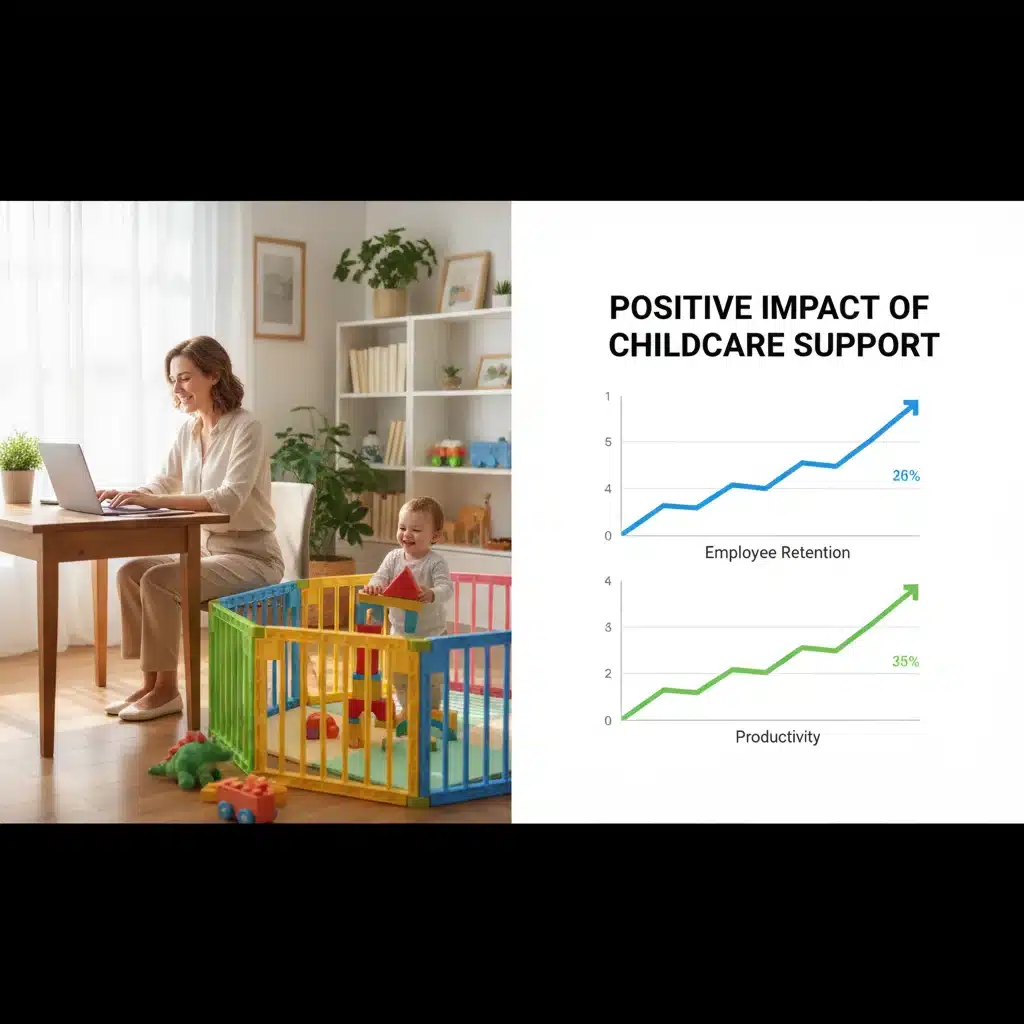
- Reduced Absenteeism: Unreliable childcare is a primary cause of employee absenteeism. When employees have stable, high-quality care, they are less likely to miss work, leading to more consistent operations and productivity.
- Lower Turnover Rates: The cost of replacing an employee can be substantial, often ranging from 50% to 200% of their annual salary. Childcare benefits significantly boost employee loyalty and reduce the likelihood of parents leaving the workforce or seeking employment elsewhere for better family support. This translates to substantial cost savings in recruitment and training.
- Enhanced Productivity: Employees who are not constantly worried about their children’s care are more focused, engaged, and productive. Reduced stress and improved mental well-being directly contribute to higher quality work and innovation.
- Improved Talent Attraction: In competitive industries, a comprehensive benefits package that includes childcare support is a powerful magnet for top talent, especially for experienced professionals who are often also parents.
- Greater Diversity and Inclusion: Childcare challenges disproportionately affect women and other underrepresented groups. By addressing these challenges, companies can foster a more diverse and inclusive workforce, which has been linked to better decision-making and financial performance.
- Stronger Employer Brand: Companies known for their family-friendly policies enjoy a positive public image, which can enhance their reputation among customers, investors, and potential employees.
- Tax Benefits and Incentives: As mentioned, various government incentives can help offset the cost of providing childcare benefits, making them even more financially viable for employers.
Presenting these tangible benefits to leadership is crucial when advocating for more support. Frame the discussion around how childcare benefits contribute to the company’s strategic goals and financial health, rather than solely as an employee perk.
Challenges and Considerations for 2026
While the outlook for employer childcare benefits is largely positive, there are still challenges that both employers and employees must consider:
- Cost: For many businesses, particularly smaller ones, the upfront and ongoing costs of implementing comprehensive childcare solutions can be a significant barrier.
- Scalability: Designing benefits that work for employees across different locations, income levels, and with varying childcare needs is complex.
- Quality and Regulation: Ensuring that any partnered or on-site childcare meets high standards of safety, education, and regulatory compliance is paramount.
- Equity: How to design benefits that are equitable for all employees, including those without children, or those with older children who may not directly benefit from traditional childcare support. This requires creative thinking around broader family support benefits.
- Changing Workforce Demographics: As the workforce evolves, so too will childcare needs. Companies must remain agile and responsive to these demographic shifts.
Addressing these challenges will require ongoing dialogue, innovative solutions, and a commitment from both employers and employees to find common ground. The goal is not just to offer benefits, but to offer the right benefits that truly support the diverse needs of the workforce.
Conclusion: A Brighter Future for Working Families
The 2026 outlook for employer childcare benefits is undeniably promising. The conversation has moved beyond mere discussion to concrete action, driven by a deeper understanding of the critical link between childcare access, employee well-being, and business success. Employers are increasingly recognizing that investing in their employees’ family lives is an investment in their own future.
For employees, this evolving landscape presents both opportunities and responsibilities. While companies are more receptive than ever to providing childcare support, proactive and strategic advocacy remains essential. By understanding the various forms of benefits, staying informed about recent developments, and effectively articulating the business case, employees can play a pivotal role in shaping a more supportive and family-friendly workplace.
As we move towards 2026, the aspiration is not just for more childcare benefits, but for better, more flexible, and more equitable solutions that truly empower working parents. The journey to achieving this requires collaboration, empathy, and a shared commitment to building workplaces where both careers and families can thrive. The future of work is intertwined with the future of family support, and employer childcare benefits will be at the forefront of this transformation.