Navigating 2026 Family Health Insurance: Key Updates for US Families

Navigating the 2026 Family Health Insurance Landscape: 3 Key Updates for US Families
The world of healthcare is in constant flux, and staying ahead of the curve is paramount, especially when it comes to securing the well-being of your loved ones. As we look towards 2026, significant changes and evolving trends in family health insurance 2026 are set to impact millions of households across the United States. Understanding these shifts is not just about compliance; it’s about making informed decisions that protect your family’s health and financial stability. This comprehensive guide will delve into the critical updates, explore the nuances of affordability, and equip you with the knowledge to navigate the complex terrain of family health insurance in 2026.
For many US families, health insurance is a cornerstone of their financial planning. It provides a safety net against unexpected medical emergencies, ensures access to preventive care, and contributes significantly to overall peace of mind. However, the intricacies of policies, premiums, deductibles, and network restrictions can be daunting. The year 2026 brings with it a fresh set of challenges and opportunities that demand attention. From potential legislative adjustments to shifts in market dynamics and technological advancements, the landscape of family health insurance 2026 is poised for evolution. Our aim is to demystify these changes, offering clear, actionable insights that empower you to choose the best possible coverage for your unique family needs.
This article will focus on three key updates that are anticipated to have the most profound impact on family health insurance 2026. We’ll examine how these changes might influence your choices, costs, and access to care. Whether you obtain your insurance through an employer, the Health Insurance Marketplace, or government programs, these insights will be invaluable as you prepare for the upcoming enrollment periods. By the end of this guide, you will have a clearer understanding of what to expect and how to strategically approach your family’s healthcare planning for the year ahead.
Key Update 1: Evolving Affordability Subsidies and Their Impact on Family Health Insurance 2026
One of the most significant factors influencing access to and affordability of family health insurance 2026 is the continued evolution of government subsidies. The Affordable Care Act (ACA) introduced premium tax credits (subsidies) to help individuals and families afford health insurance purchased through the Health Insurance Marketplace. Over the years, these subsidies have been enhanced and adjusted, playing a crucial role in making coverage accessible to a broader population.
Understanding the Current Subsidy Landscape
Historically, ACA subsidies were primarily available to individuals and families earning between 100% and 400% of the Federal Poverty Level (FPL). The American Rescue Plan Act (ARPA) of 2021 and subsequently the Inflation Reduction Act (IRA) of 2022 significantly expanded these subsidies. They eliminated the 400% FPL income cap, meaning that even higher-income families could qualify for assistance if their premiums exceeded a certain percentage of their household income. These enhanced subsidies were critical in reducing out-of-pocket costs for millions of Americans and improving the overall affordability of family health insurance 2026 options available on the Marketplace.
Anticipated Changes and Their Implications for 2026
As we approach 2026, the long-term status of these enhanced subsidies remains a topic of discussion and potential legislative action. While some provisions have been extended, there is always the possibility of further adjustments, renewals, or even expiration of certain enhancements. If the enhanced subsidies are not fully renewed or made permanent, families currently benefiting from them could see a significant increase in their premium costs. This would directly impact the affordability of family health insurance 2026 for many middle-income households who previously found Marketplace plans more accessible.
The implications of such changes are far-reaching. Families might need to re-evaluate their current plans, potentially opting for plans with higher deductibles or narrower networks to keep premiums manageable. This could lead to difficult choices between comprehensive coverage and budget constraints. On the other hand, sustained or further enhanced subsidies would continue to bolster access to affordable health insurance, allowing families to choose plans that better meet their healthcare needs without undue financial burden.
Strategies for Families to Prepare
To prepare for potential shifts in subsidy availability for family health insurance 2026, families should:
- Monitor Legislative Developments: Stay informed about any congressional discussions or decisions regarding the future of ACA subsidies. Organizations like the Kaiser Family Foundation and healthcare advocacy groups often provide excellent resources and updates.
- Understand Your Eligibility: Even if subsidies change, understanding your family’s income relative to the FPL will be crucial. Use the official HealthCare.gov calculator or state marketplace tools to estimate potential subsidy amounts based on current and projected income.
- Explore All Options During Open Enrollment: Do not simply re-enroll in your existing plan. During the 2026 Open Enrollment period, carefully compare all available plans on the Marketplace, paying close attention to premiums, deductibles, out-of-pocket maximums, and network providers, especially in light of any subsidy adjustments.
- Consider Employer-Sponsored Plans: If you have access to an employer-sponsored plan, compare its costs and benefits against Marketplace options, even if you’ve historically found Marketplace plans more affordable due to subsidies. The ‘family glitch’ fix, which addresses situations where employer plans are affordable for the employee but not for the family, could also be a factor in your decision-making for family health insurance 2026.
The landscape of affordability subsidies is a dynamic one, and its trajectory will significantly shape the choices and costs associated with family health insurance 2026. Proactive monitoring and careful planning will be essential for families seeking to optimize their healthcare expenditures.
Key Update 2: Telehealth Integration and Mental Health Parity in Family Health Insurance 2026
The COVID-19 pandemic accelerated the adoption of telehealth services, transforming how many families access healthcare. Simultaneously, there’s a growing recognition of the importance of mental health, leading to increased efforts towards mental health parity. Both of these trends are expected to solidify and expand their influence on family health insurance 2026.
The Rise of Telehealth as a Standard Offering
Telehealth, which includes virtual doctor visits, remote monitoring, and digital health platforms, has moved from a niche service to a mainstream component of healthcare delivery. For family health insurance 2026, this means several things:
- Expanded Coverage: Expect most, if not all, health insurance plans to fully integrate and cover a wide range of telehealth services. This includes not just urgent care but also routine check-ups, chronic disease management, and specialist consultations, making healthcare more convenient and accessible, especially for families with busy schedules or those in rural areas.
- Cost-Effectiveness: Telehealth can often be more cost-effective than in-person visits, potentially reducing out-of-pocket expenses for families. Some plans might even offer lower co-pays for virtual visits. This can be a significant advantage when managing healthcare budgets for your family.
- Technological Advancements: The technology supporting telehealth is continually improving, leading to better diagnostic capabilities and more engaging virtual interactions. This will enhance the quality of care received remotely for family health insurance 2026 beneficiaries.
However, families should still pay attention to the specifics of telehealth coverage. Some plans might have preferred telehealth providers, limitations on certain types of services, or require specific technology. When evaluating family health insurance 2026 options, inquire about the breadth of telehealth services covered and any associated costs.
Strengthening Mental Health Parity
Mental health parity laws aim to ensure that mental health and substance use disorder benefits are no more restrictive than medical and surgical benefits. While these laws have been in place for some time, enforcement and comprehensive implementation have been ongoing challenges. For family health insurance 2026, we anticipate a stronger push towards:
- Enhanced Enforcement: Federal and state regulators are likely to increase scrutiny to ensure plans are truly compliant with mental health parity requirements. This means fewer arbitrary limitations on mental health visits, fairer out-of-pocket costs, and broader access to mental health professionals.
- Integrated Care Models: Many plans are moving towards integrated care models where mental health services are better coordinated with physical health care. This holistic approach is particularly beneficial for families, as mental health issues often impact physical well-being and vice-versa.
- Increased Provider Networks: As awareness grows and parity is enforced, there’s a greater incentive for insurance companies to expand their networks of mental health providers, making it easier for families to find therapists, counselors, and psychiatrists who accept their insurance.
When selecting family health insurance 2026, families should actively check the mental health benefits. Look for clear information on coverage for therapy, counseling, medication management, and inpatient/outpatient mental health services. Understand the co-pays, deductibles, and whether there are any visit limits that could hinder access to necessary care.
The combined evolution of telehealth and mental health parity offers promising avenues for improving the overall health and well-being of families. These developments contribute to more comprehensive and accessible care options, making family health insurance 2026 a more robust safety net for diverse needs.
Key Update 3: Data-Driven Personalization and Preventive Care Emphasis in Family Health Insurance 2026
The healthcare industry is increasingly leveraging data analytics and technology to offer more personalized services and emphasize preventive care. This trend is expected to mature further by 2026, influencing how family health insurance 2026 plans are designed, marketed, and utilized.
Personalized Health Plans and Services
With advancements in data analytics and artificial intelligence, insurance providers are better equipped to understand the diverse needs of their enrollees. For family health insurance 2026, this could translate into:
- Tailored Plan Recommendations: Online tools and insurance navigators may offer more sophisticated recommendations for plans based on a family’s health history, typical healthcare usage, and specific needs (e.g., chronic conditions, anticipated pregnancies, pediatric care requirements). This moves beyond generic plan comparisons to more customized suggestions.
- Personalized Wellness Programs: Insurers might offer more personalized wellness programs and incentives. For example, a family with a history of cardiovascular disease might receive targeted resources for heart health, while another family might get programs focused on pediatric nutrition or stress management. These programs, often integrated with wearable tech, aim to encourage healthier lifestyles and reduce long-term healthcare costs.
- Proactive Health Management: Data can help identify individuals at higher risk for certain conditions, allowing insurers to offer proactive interventions or connect families with relevant specialists or support programs. This shift from reactive to proactive care can significantly benefit overall family health.
While personalization offers many benefits, families should also be mindful of data privacy and security. Understand how your health data is used and protected by your insurance provider. When exploring family health insurance 2026 options, inquire about personalized services and how they align with your family’s comfort level regarding data sharing.
Enhanced Focus on Preventive Care
Preventive care is universally recognized as a cornerstone of long-term health and a strategy for reducing future healthcare costs. For family health insurance 2026, the emphasis on preventive care is expected to strengthen further:
- Expanded No-Cost Preventive Services: The ACA mandated coverage for a wide range of preventive services without cost-sharing (deductibles, co-pays, or co-insurance). Expect this list to remain robust, and potentially even expand to include new screenings or vaccinations as medical science advances. For families, this means continued access to annual physicals, immunizations, well-child visits, and various screenings without direct out-of-pocket costs.
- Incentives for Healthy Behaviors: Insurance plans may increasingly offer incentives for engaging in healthy behaviors, such as participating in wellness programs, completing health risk assessments, or achieving certain health goals. These incentives could range from gift cards to premium discounts, making healthy choices financially rewarding for families.
- Integration with Primary Care: The role of primary care physicians (PCPs) in coordinating preventive care will become even more central. Strong relationships with PCPs will be crucial for families to navigate recommended screenings, vaccinations, and lifestyle modifications.
When reviewing family health insurance 2026 plans, pay close attention to the preventive care benefits. Ensure that all recommended screenings and services for every family member, from infants to adults, are covered at no additional cost. Understanding and utilizing these preventive benefits can significantly contribute to maintaining your family’s health and catching potential issues early.
Choosing the Right Family Health Insurance 2026 Plan: A Strategic Approach
With these key updates in mind, making an informed decision about your family health insurance 2026 plan requires a strategic approach. It’s not just about finding the cheapest premium; it’s about balancing cost with comprehensive coverage that meets your family’s specific needs.
Assess Your Family’s Healthcare Needs
Before diving into plan comparisons, take stock of your family’s anticipated healthcare needs for 2026. Consider:
- Current Health Conditions: Does anyone in your family have chronic conditions requiring regular medication, specialist visits, or ongoing therapy?
- Anticipated Events: Are you planning to expand your family? Do you have children who will need braces, glasses, or specific therapies?
- Usage Patterns: How often did your family visit the doctor or specialists in the past year? Do you frequently use urgent care or emergency services?
- Prescription Medications: What medications do your family members take regularly, and are they covered by the plan’s formulary?
- Mental Health Needs: Is mental health support a priority for any family member?
A clear understanding of these factors will help you narrow down the types of plans and benefits that are most important for your family health insurance 2026.
Understand Key Insurance Terms and Costs
Navigating insurance jargon is crucial. Familiarize yourself with:
- Premium: The monthly amount you pay for coverage.
- Deductible: The amount you must pay out-of-pocket before your insurance starts to cover costs (excluding preventive care).
- Co-payment (Co-pay): A fixed amount you pay for a covered healthcare service after you’ve met your deductible.
- Co-insurance: Your share of the costs of a healthcare service, calculated as a percentage of the allowed amount for the service, after you’ve met your deductible.
- Out-of-Pocket Maximum: The most you have to pay for covered services in a plan year. After you reach this amount, your health plan pays 100% of the costs.
- Network: The group of doctors, hospitals, and other healthcare providers that an insurance plan contracts with to provide services. Out-of-network care is often more expensive or not covered.
When comparing family health insurance 2026 plans, look beyond just the premium. A low premium might come with a high deductible or out-of-pocket maximum, which could be costly if your family has significant healthcare needs.
Explore All Available Avenues for Coverage
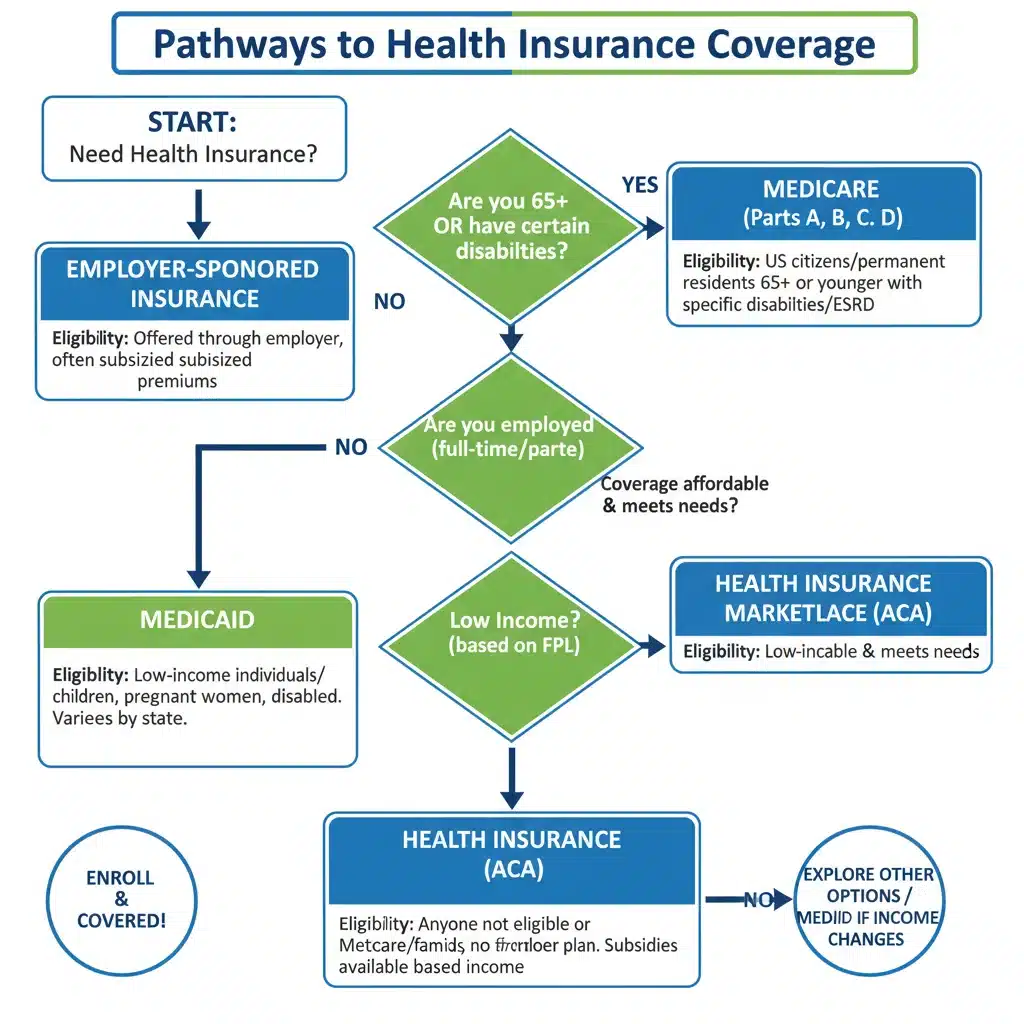
For family health insurance 2026, several avenues exist:
- Employer-Sponsored Plans: If available, these are often a good starting point due to employer contributions to premiums. Evaluate the plan’s benefits, costs, and network carefully.
- Health Insurance Marketplace (ACA Exchange): This is where individuals and families can purchase plans and potentially qualify for subsidies based on income. Even if you have an employer plan, it’s worth checking the Marketplace, especially if the employer plan is considered unaffordable for your family (the ‘family glitch’ fix).
- Medicaid and CHIP: These government programs provide low-cost or free health coverage for low-income individuals and families, and children. Eligibility varies by state and income level.
- Direct from Insurers: Some insurers offer plans directly outside the Marketplace. While these do not qualify for subsidies, they might be an option for those who don’t qualify for assistance or prefer specific plans.
During Open Enrollment, thoroughly investigate all options relevant to your family’s situation. Don’t assume your current plan or pathway is automatically the best for family health insurance 2026.

Leverage Resources and Seek Expert Advice
Don’t hesitate to use the resources available to you:
- Online Comparison Tools: Websites like HealthCare.gov (or your state’s equivalent) offer tools to compare plans side-by-side.
- Licensed Insurance Brokers/Navigators: These professionals can provide personalized guidance, help you understand complex plan details, and assist with enrollment, often at no cost to you. They are invaluable for decoding the intricacies of family health insurance 2026.
- Customer Service: If you have specific questions about a plan’s coverage for particular doctors, medications, or services, call the insurance company directly.
By taking a proactive and informed approach, you can confidently select a family health insurance 2026 plan that offers robust coverage, fits your budget, and provides the peace of mind your family deserves.
The Future of Family Health Insurance: Beyond 2026
While our focus has been on the immediate horizon of family health insurance 2026, it’s important to recognize that healthcare is an ever-evolving sector. The trends we’ve discussed – affordability, technological integration, and a focus on holistic well-being – are not isolated to a single year but represent ongoing transformations. Looking beyond 2026, we can anticipate further innovations and challenges that will continue to shape the landscape of family health coverage.
Continued Policy Debates and Legislative Influence
Healthcare policy remains a prominent topic in political discourse. Future legislative actions, whether at the federal or state level, could introduce new mandates, modify existing regulations, or alter funding mechanisms for health insurance programs. These debates will inevitably influence the cost, accessibility, and scope of family health insurance 2026 and subsequent years. Families should remain engaged and aware of how these policy discussions could impact their coverage options.
Technological Advancements and Digital Health
The integration of technology into healthcare will only deepen. Beyond telehealth, expect to see more widespread adoption of:
- Wearable Devices and Remote Monitoring: These technologies will play a larger role in preventive care and chronic disease management, providing real-time data that could influence personalized care plans and even premium structures for family health insurance 2026.
- Artificial Intelligence (AI) and Machine Learning: AI will continue to enhance diagnostics, personalize treatment plans, and streamline administrative processes, potentially leading to more efficient and effective healthcare delivery.
- Digital Health Platforms: Comprehensive digital platforms that integrate electronic health records, appointment scheduling, prescription management, and telehealth services will become more common, offering families a centralized hub for managing their health.
These technological shifts promise greater convenience and potentially better health outcomes, but they also raise questions about data privacy, digital literacy, and equitable access across different demographics.
Addressing Health Equity and Disparities
A growing focus within the healthcare sector is on addressing health equity and reducing disparities in access to care and health outcomes. For family health insurance 2026 and beyond, this could mean:
- Targeted Outreach and Enrollment: Efforts to reach underserved communities and ensure they have access to affordable health insurance options.
- Culturally Competent Care: Increased emphasis on providing healthcare services that are sensitive to the cultural backgrounds and linguistic needs of diverse family populations.
- Social Determinants of Health: Greater recognition by insurers and healthcare providers of the impact of social determinants (e.g., housing, food security, transportation) on health, potentially leading to new programs or partnerships to address these factors.
These initiatives aim to create a more inclusive and equitable healthcare system for all families.
The Evolving Role of Employers
Employer-sponsored health insurance, which covers a significant portion of US families, will also continue to evolve. Companies may explore new benefit designs, wellness programs, and cost-sharing models to manage rising healthcare expenses while still attracting and retaining talent. The integration of mental health and telehealth services in employer plans will likely become standard, reflecting broader trends in family health insurance 2026.
In conclusion, the journey through the healthcare landscape is continuous. While 2026 presents specific updates and considerations for family health insurance 2026, the underlying currents of policy change, technological advancement, and a growing emphasis on holistic and equitable care will continue to shape the future. By staying informed, proactive, and adaptable, families can confidently navigate these changes and secure the best possible health outcomes for themselves and their loved ones for years to come.