Family Vaccinations 2026: Essential Guide for Children’s Health

In an ever-evolving world, safeguarding our children’s health remains a paramount concern for every parent. As we look towards 2026 and beyond, the landscape of preventive medicine, particularly in the realm of family vaccinations 2026, continues to advance. New research, updated guidelines, and emerging health threats necessitate a proactive approach to understanding and adhering to recommended immunization schedules. This comprehensive guide aims to equip you with the most current information on family vaccinations, ensuring your children are protected against a myriad of preventable diseases.
The importance of vaccinations extends far beyond individual protection. It’s a collective effort that builds community immunity, often referred to as ‘herd immunity,’ which shields even the most vulnerable among us – infants too young to be vaccinated, individuals with compromised immune systems, and those who cannot receive certain vaccines for medical reasons. Understanding the ‘what’s new’ and ‘why it matters’ of family vaccinations 2026 is crucial for every family navigating the complexities of modern healthcare.
The Evolving Landscape of Family Vaccinations: What’s New for 2026?
Medical science is relentless in its pursuit of better health outcomes, and this is particularly evident in vaccine development. For family vaccinations 2026, several key updates and ongoing trends are shaping how we approach immunization. These changes are often driven by new disease patterns, improved vaccine technologies, and a deeper understanding of immune responses.
New Vaccine Approvals and Recommendations
As we approach 2026, anticipate potential new vaccine approvals or expanded recommendations for existing vaccines. These could include novel formulations for common diseases, or vaccines targeting pathogens that are currently difficult to prevent. For instance, research continues into broader-spectrum flu vaccines, improved RSV vaccines for infants and pregnant individuals, and potentially new vaccines for emerging infectious diseases that pose a global threat. Staying informed through your pediatrician and public health advisories is key to understanding these new additions to the family vaccinations 2026 landscape.
Refinements in Existing Vaccine Schedules
The Centers for Disease Control and Prevention (CDC) and other global health organizations regularly review and update immunization schedules. These revisions are not arbitrary; they are based on extensive data, epidemiological trends, and the latest scientific evidence. For family vaccinations 2026, parents might see adjustments to the timing of certain doses, or recommendations for additional boosters for specific age groups or risk populations. For example, the timing of HPV vaccine doses or meningococcal vaccines might be optimized for maximum efficacy and convenience.
Emphasis on Maternal Immunization
A growing area of focus in preventive healthcare is maternal immunization. Vaccinating pregnant individuals not only protects the mother but also provides crucial passive immunity to the newborn, offering a protective shield during the first few vulnerable months of life. Expect continued emphasis on vaccines like Tdap (tetanus, diphtheria, pertussis) and influenza during pregnancy, with potential new recommendations emerging for other diseases as research progresses. This strategy is a cornerstone of comprehensive family vaccinations 2026 planning.
The Role of Technology in Vaccine Delivery and Monitoring
Technological advancements are not just limited to vaccine development but also extend to their delivery and monitoring. Digital immunization records, AI-powered systems for tracking disease outbreaks, and even novel vaccine administration methods (e.g., microneedle patches) could become more prevalent by 2026. These innovations aim to improve vaccine accessibility, reduce discomfort, and enhance the efficiency of public health responses, all contributing to more effective family vaccinations 2026 programs.
Understanding the Core Childhood Immunization Schedule for 2026
While new developments are exciting, the bedrock of child health protection remains the established core immunization schedule. This schedule is a carefully orchestrated sequence of vaccines designed to protect children at the most critical stages of their development, when they are most vulnerable to serious infectious diseases. Familiarizing yourself with this schedule is a fundamental aspect of navigating family vaccinations 2026.
Key Vaccines and Their Importance
The standard childhood vaccination schedule typically includes protection against a range of diseases. Let’s revisit some of the most critical ones:
- Measles, Mumps, and Rubella (MMR): These highly contagious viral diseases can lead to severe complications, including pneumonia, encephalitis, and birth defects (in the case of rubella during pregnancy). The MMR vaccine is a cornerstone of childhood immunization.
- Diphtheria, Tetanus, and Pertussis (DTaP/Tdap): Diphtheria can cause breathing difficulties and heart failure. Tetanus is a serious bacterial infection that causes painful muscle spasms. Pertussis (whooping cough) is particularly dangerous for infants.
- Polio: Once a dreaded disease causing paralysis and death, polio has been virtually eradicated in many parts of the world thanks to vaccination efforts.
- Hepatitis B (HepB): Protects against a serious liver infection that can become chronic and lead to liver damage or cancer.
- Haemophilus influenzae type b (Hib): Prevents severe bacterial infections that can cause meningitis, pneumonia, and epiglottitis.
- Pneumococcal (PCV): Protects against various diseases caused by pneumococcal bacteria, including pneumonia, meningitis, and ear infections.
- Rotavirus: A common cause of severe diarrhea and vomiting in infants and young children.
- Varicella (Chickenpox): While often considered mild, chickenpox can lead to serious complications and severe discomfort.
- Human Papillomavirus (HPV): Crucial for preventing certain types of cancer, including cervical, anal, and oral cancers, later in life. This vaccine is often recommended for pre-teens.
- Influenza (Flu): Annual flu shots are vital for everyone six months and older, as flu strains change year to year.
- Meningococcal: Protects against serious bacterial meningitis and other infections caused by meningococcal bacteria.
For family vaccinations 2026, understanding the diseases these vaccines prevent is just as important as knowing the schedule itself. Each vaccine plays a unique role in building a robust immune defense for your child.
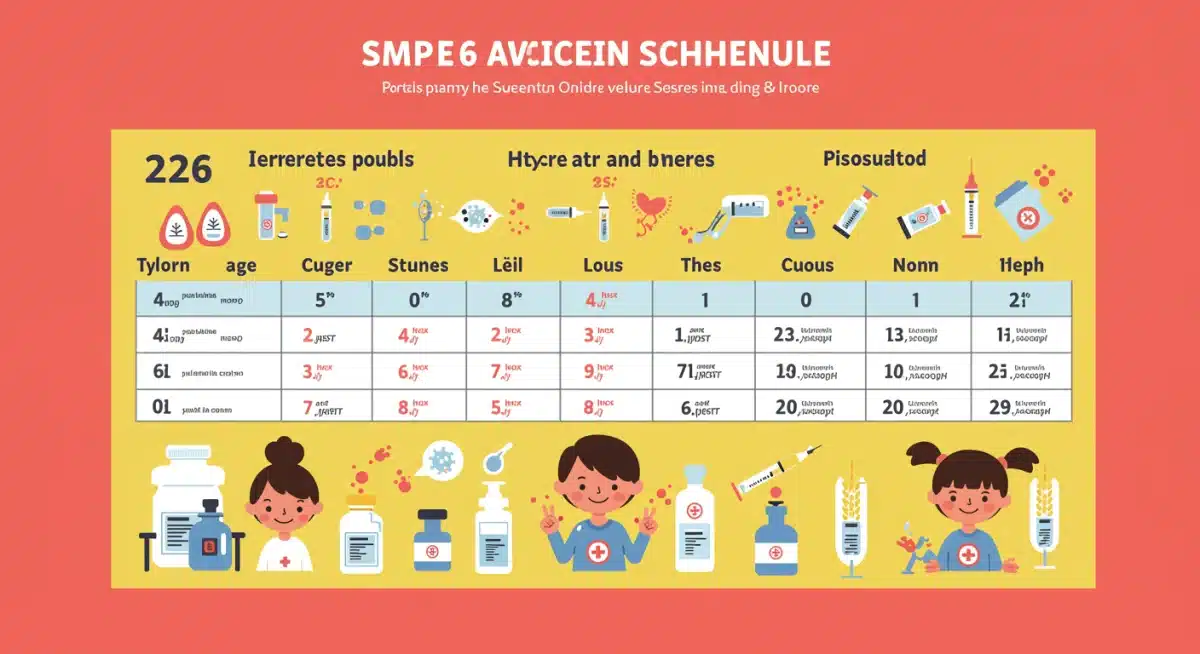
Navigating the 2026 Immunization Schedule
The exact timing of each vaccine dose is critical for optimal protection. Pediatricians follow guidelines set by health authorities like the CDC and the American Academy of Pediatrics (AAP). These schedules are designed to provide immunity at the earliest safe age, considering the mother’s antibodies and the child’s developing immune system. When discussing family vaccinations 2026 with your healthcare provider, don’t hesitate to ask for a detailed schedule tailored to your child’s specific needs and any catch-up vaccinations required.
Why Family Vaccinations Matter for Your Children’s Health and Beyond
The ‘why’ behind vaccinations is perhaps the most compelling aspect. It’s not just about protecting one child; it’s about fostering a healthier family, a more resilient community, and contributing to global health efforts. The benefits of family vaccinations 2026 are multifaceted and far-reaching.
Individual Protection: Preventing Serious Illnesses
The most direct benefit of vaccination is the protection it offers to the vaccinated individual. Vaccines significantly reduce the risk of contracting severe, life-threatening diseases. Before vaccines, diseases like polio, measles, and diphtheria caused widespread suffering, disability, and death. Today, thanks to high vaccination rates, many of these diseases are rare or eliminated in numerous regions. This individual protection is the primary driver for adhering to family vaccinations 2026 schedules.
Community Immunity: Protecting the Vulnerable
As mentioned earlier, community immunity (herd immunity) is a powerful concept. When a significant portion of the population is vaccinated, it creates a protective buffer that makes it difficult for infectious diseases to spread. This indirectly protects those who cannot be vaccinated, such as newborns, individuals undergoing chemotherapy, or those with severe allergies to vaccine components. By participating in family vaccinations 2026, you are not only protecting your own family but also acting as a responsible member of the broader community.
Economic and Social Benefits
Beyond health, vaccinations offer substantial economic and social advantages. Preventing illness means fewer doctor visits, hospitalizations, and lost work/school days for parents and children. This reduces healthcare costs and allows families to maintain their routines, contributing to overall societal productivity and well-being. The long-term impact of diseases like polio or measles, which can cause lifelong disability, is also mitigated, preventing significant burdens on individuals, families, and healthcare systems. These benefits underscore the importance of robust family vaccinations 2026 programs.
Long-Term Health Outcomes
Some vaccines, like the HPV vaccine, offer protection against cancers that may not develop until decades later. This foresight in preventive medicine highlights the profound long-term health benefits of childhood immunizations. Investing in family vaccinations 2026 is an investment in your children’s healthy future, free from preventable diseases and their potential long-term consequences.
Addressing Common Concerns and Misinformation about Vaccinations
In the age of information, it’s easy to encounter conflicting views and misinformation about vaccines. Addressing these concerns with accurate, evidence-based information is vital for making informed decisions about family vaccinations 2026.
Vaccine Safety: Rigorous Testing and Monitoring
Vaccines undergo extensive and rigorous testing before they are approved for public use. This includes multiple phases of clinical trials to assess their safety and efficacy. Once approved, vaccine safety is continuously monitored by health agencies worldwide. Serious adverse reactions to vaccines are extremely rare, far less common than the risks associated with contracting the diseases they prevent. The scientific consensus is overwhelmingly clear: vaccines are safe and effective. When discussing family vaccinations 2026, your pediatrician can provide detailed information on vaccine safety.
The Link Between Vaccines and Autism: A Debunked Myth
One of the most persistent and harmful myths surrounding vaccines is the purported link to autism. This claim originated from a fraudulent study that has been thoroughly debunked, retracted, and its author discredited. Numerous large-scale scientific studies have consistently found no link between vaccines (including the MMR vaccine) and autism. Relying on credible sources like the CDC, WHO, and major medical associations is crucial for accurate information regarding family vaccinations 2026.
Too Many Vaccines, Too Soon?
Some parents worry that giving multiple vaccines at once or early in life might overwhelm a child’s immune system. However, scientific evidence shows that children’s immune systems are remarkably robust and capable of responding to multiple challenges simultaneously. They are exposed to countless antigens daily, and vaccines present a tiny fraction of this exposure. The recommended schedule for family vaccinations 2026 is carefully designed to provide protection when it’s most needed, without compromising the immune system.
Natural Immunity vs. Vaccine-Induced Immunity
While natural infection can provide immunity, it often comes at a significant cost – the risk of severe illness, complications, and even death. Vaccine-induced immunity offers protection without the dangers of natural disease. For example, getting immunity from measles through infection carries a risk of pneumonia or encephalitis, whereas the MMR vaccine provides immunity safely. For family vaccinations 2026, vaccine-induced immunity is the safer, more predictable, and more controlled way to protect against infectious diseases.
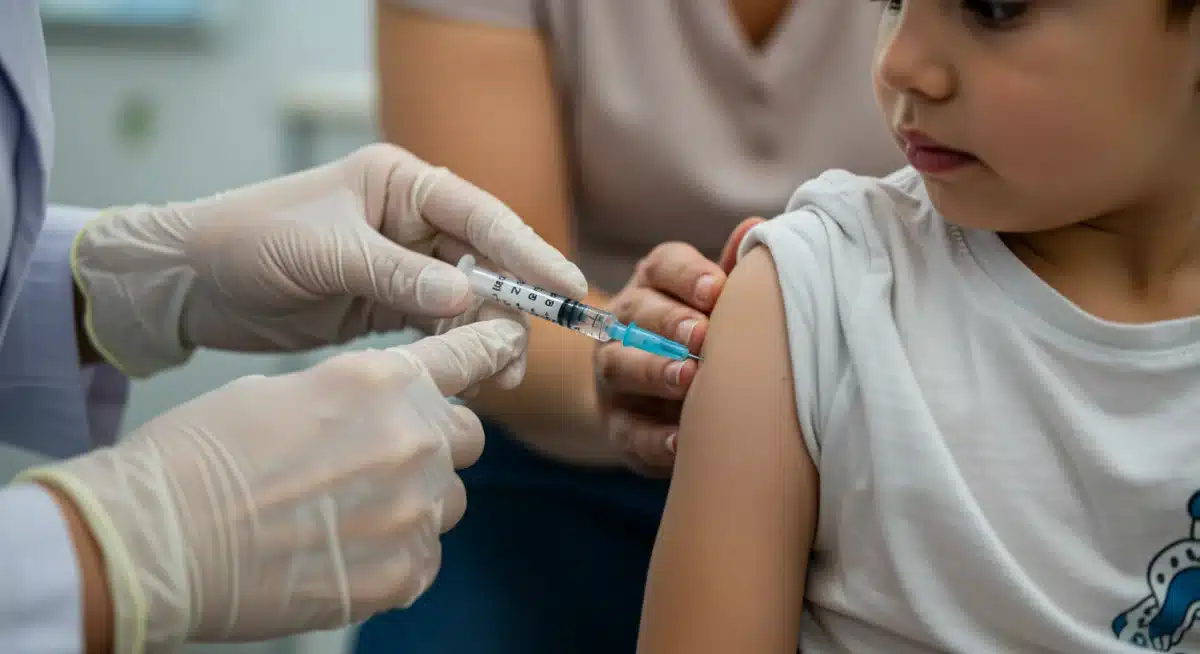
Preparing for Your Child’s Vaccination Appointments in 2026
Making vaccination appointments as smooth as possible benefits both children and parents. A little preparation can go a long way in easing anxieties and ensuring a positive experience for family vaccinations 2026.
Before the Appointment: What Parents Can Do
- Discuss with Your Pediatrician: If you have any questions or concerns about the upcoming family vaccinations 2026, schedule a time to talk with your pediatrician beforehand. They can provide personalized advice and address specific anxieties.
- Bring Records: Always bring your child’s immunization record to ensure it’s updated correctly.
- Comfort Items: For younger children, bring a favorite toy, blanket, or pacifier to provide comfort.
- Pain Management: Ask your pediatrician if it’s appropriate to give an over-the-counter pain reliever (like acetaminophen or ibuprofen) before or after the shot, following their guidance.
During the Appointment: Strategies for a Smoother Experience
- Stay Calm: Children often pick up on parental anxiety. Your calm demeanor can help reassure them.
- Distraction Techniques: Engage your child in conversation, sing a song, or point out interesting objects in the room. For older children, a game on a phone or tablet can be effective.
- Comfort Holds: Ask your healthcare provider about comfort holds that can help keep your child still and feel secure during the injection.
- Praise and Reward: Acknowledge your child’s bravery and offer a small reward or treat after the vaccination.
After the Appointment: What to Expect
It’s normal for children to experience mild side effects after vaccination. These are usually a sign that their immune system is building protection. Common side effects may include:
- Soreness, redness, or swelling at the injection site.
- Low-grade fever.
- Mild fussiness or fatigue.
These symptoms typically resolve within a day or two. If you have any concerns about your child’s reaction to a vaccine, always contact your pediatrician. Understanding these expectations is part of being prepared for family vaccinations 2026.
The Future of Family Vaccinations: What Else to Anticipate?
The field of vaccinology is dynamic. Looking beyond 2026, we can envision a future where vaccine technology becomes even more sophisticated and targeted.
Universal Vaccines and Broader Protection
Researchers are working on ‘universal’ vaccines that could offer protection against multiple strains of a virus (like a universal flu vaccine) or even multiple different pathogens with a single shot. This could simplify immunization schedules and enhance global protection, significantly impacting future family vaccinations 2026 and beyond.
Therapeutic Vaccines
While most vaccines are preventive, there’s growing research into therapeutic vaccines designed to treat existing diseases, such as certain cancers or chronic infections. While still largely experimental for general public use, this area holds immense promise for future medical advancements.
Personalized Vaccinations
The rise of precision medicine might eventually lead to more personalized vaccination strategies, tailored to an individual’s genetic profile, immune status, and lifestyle. This could optimize vaccine efficacy and further minimize potential side effects, representing a significant shift in how we approach family vaccinations 2026 and beyond.
Conclusion: Prioritizing Family Vaccinations for a Healthier Future
As we navigate the complexities of modern health, the message remains clear: family vaccinations 2026 are an indispensable tool for protecting our children, our families, and our communities. By staying informed about new recommendations, understanding the science behind vaccines, and addressing concerns with credible information, parents can confidently make the best health decisions for their children.
The collective effort of high vaccination rates has transformed public health, eradicating diseases that once caused widespread devastation. Let’s continue this legacy by prioritizing family vaccinations 2026 and ensuring that every child has the opportunity to grow up healthy and thrive. Engage with your healthcare provider, ask questions, and be an advocate for evidence-based preventive care. Your commitment to immunization is a commitment to a healthier, safer future for all.