Federal Safety Standards for Home-Based Childcare: January 2026 Updates
Urgent Alert: New Federal Safety Standards for Home-Based Childcare Effective January 2026 – What You Need to Know (RECENT UPDATES)
The Impending Shift: Understanding New Federal Safety Standards for Home-Based Childcare
The landscape of home-based childcare is on the cusp of a significant transformation. As of January 2026, a new set of federal safety standards will come into full effect, bringing with them a renewed focus on the well-being and developmental support of children in these vital settings. For current and prospective home childcare providers, understanding these new regulations is not merely a recommendation; it’s an absolute necessity. These updates are designed to elevate the quality of care, enhance safety protocols, and ensure that every child in a home-based environment receives the best possible foundation for growth and learning. This comprehensive guide will delve into the specifics of these federal safety standards, offering clarity on the changes, their implications, and actionable steps providers can take to ensure full compliance well before the January 2026 deadline.
The federal government’s initiative to standardize and strengthen safety measures in home-based childcare reflects a growing recognition of the crucial role these settings play in the early childhood education ecosystem. Home-based childcare often offers a unique, nurturing, and family-like environment that many parents seek. However, the regulatory oversight for these programs has historically varied widely across states and even localities. The introduction of unified federal safety standards aims to address these inconsistencies, establish a baseline of quality and safety nationwide, and provide parents with greater assurance regarding the care their children receive. This move is a proactive step towards creating a more robust, equitable, and safe childcare infrastructure across the country, directly impacting countless families and home childcare providers.
Why These New Home Childcare Standards Matter: A Deeper Dive
The implementation of new federal safety standards for home-based childcare is a monumental step forward for several reasons. Primarily, these standards are rooted in extensive research and best practices in early childhood development and child safety. They are not arbitrary rules but rather carefully considered guidelines designed to mitigate risks, promote healthy development, and ensure a stimulating environment for children. For providers, this means an opportunity to enhance their professional standing, improve the quality of their services, and demonstrate an unwavering commitment to child welfare. For parents, it offers increased peace of mind, knowing that the home childcare setting they choose meets a stringent national benchmark for safety and quality.
Beyond safety, these new home childcare standards also aim to foster a more consistent educational experience for children. While home-based care is often celebrated for its flexibility and individualized attention, the new regulations will likely introduce more structured guidelines around curriculum, developmental assessments, and caregiver qualifications. This doesn’t mean transforming home environments into institutional classrooms, but rather ensuring that even in a home setting, children are exposed to age-appropriate learning opportunities that contribute to their cognitive, social, emotional, and physical development. The ultimate goal is to create a system where every child, regardless of their childcare setting, has access to high-quality care that prepares them for future academic and life successes.
Key Areas of Focus: What Do the January 2026 Updates Entail?
While the full detailed guidelines are extensive, several key areas stand out as central to the new federal safety standards for home-based childcare. These areas will require significant attention and potential adjustments from providers. Understanding these core components is the first step towards successful compliance.
1. Enhanced Health and Safety Protocols
This is arguably the most critical component of the new regulations. Expect more stringent requirements around:
- Emergency Preparedness: Comprehensive emergency plans for various scenarios (fire, natural disasters, medical emergencies), including evacuation routes, communication protocols, and regular drills.
- First Aid and CPR Certification: All primary caregivers and potentially all adults present during operating hours will likely need updated, certified training in pediatric first aid and CPR.
- Medication Administration: Stricter guidelines for storing, administering, and documenting medication for children, including parental consent and proper record-keeping.
- Sanitation and Hygiene: Detailed protocols for handwashing, cleaning, sanitizing toys and surfaces, and food preparation to prevent the spread of illness. This will likely include specific requirements for diaper changing areas and food handling.
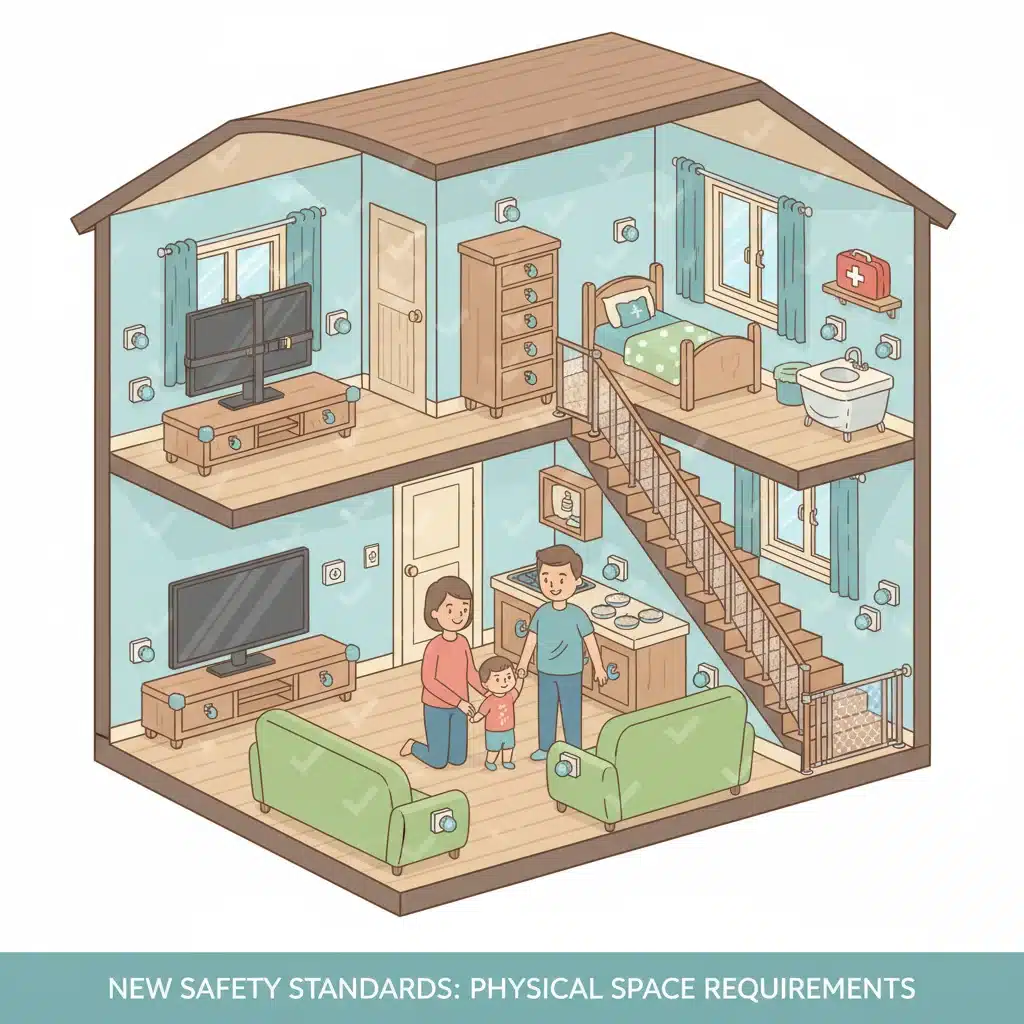
- Indoor and Outdoor Safety: Requirements for child-proofing the home (e.g., outlet covers, cabinet locks, secure furniture), safe outdoor play areas (e.g., fencing, age-appropriate equipment, supervision ratios), and regular safety inspections.
- Hazardous Materials: Strict rules for storing cleaning supplies, chemicals, and other hazardous materials out of reach of children.
2. Staffing and Training Requirements
The qualifications and ongoing professional development of caregivers are central to providing high-quality care. The new home childcare standards will likely introduce:
- Background Checks: Universal and thorough background checks for all individuals living in the home or regularly present during childcare hours, including fingerprinting and checks against child abuse and neglect registries. This is a significant area where federal standards aim to close gaps that previously existed.
- Minimum Training Hours: Specific annual training hour requirements covering topics such as child development, positive behavior management, nutrition, health and safety, and recognizing and reporting child abuse and neglect.
- Caregiver-to-Child Ratios and Group Sizes: While home-based care typically has smaller groups, federal standards may introduce more specific and potentially lower ratios, especially for infants and toddlers, to ensure adequate supervision and individualized attention.
- Professional Development: Encouragement or requirements for ongoing professional development in early childhood education, potentially through accredited courses or workshops.
3. Physical Environment and Space Requirements
The physical setting of home-based childcare is crucial for safety and development. Expect guidelines on:
- Adequate Space: Minimum square footage per child for indoor and outdoor play areas.
- Ventilation and Lighting: Requirements for appropriate ventilation, natural light, and safe artificial lighting.
- Sleeping Areas: Safe sleeping arrangements for infants (e.g., separate cribs, no loose bedding) and designated quiet rest areas for older children.
- Accessibility: Considerations for children with special needs, ensuring the environment is inclusive where possible.
- Fire Safety: Working smoke detectors, carbon monoxide detectors, and readily accessible fire extinguishers.
4. Program Activities and Curriculum
While maintaining the unique charm of home-based care, the new home childcare standards will likely encourage or mandate:
- Age-Appropriate Activities: A balanced daily schedule that includes opportunities for active play, quiet time, creative expression, and early literacy/numeracy.
- Developmental Screening: Recommendations or requirements for regular developmental screenings to identify potential delays early.
- Positive Guidance: Policies promoting positive behavior management techniques, prohibiting harsh discipline.
5. Nutrition and Food Service
Ensuring children receive healthy and safe food is paramount:
- Meal and Snack Requirements: Adherence to federal nutrition guidelines for meals and snacks, ensuring a balanced diet.
- Allergy Management: Strict protocols for identifying and managing food allergies, including communication with parents and emergency plans.
- Safe Food Preparation: Guidelines for safe food handling, storage, and preparation to prevent foodborne illnesses.

Navigating Compliance: A Step-by-Step Guide for Home Childcare Providers
The January 2026 deadline might seem distant, but proactive preparation is key to ensuring a smooth transition and full compliance with the new home childcare standards. Here’s a step-by-step guide to help providers navigate this process:
Step 1: Stay Informed and Access Official Resources
The first and most crucial step is to actively seek out and understand the official guidelines. Rely only on reputable sources. Regularly check websites of:
- Federal Agencies: The Administration for Children and Families (ACF), Office of Child Care (OCC).
- State Licensing Bodies: Your state’s department responsible for childcare licensing, as they will be implementing and enforcing these federal standards at the local level.
- Professional Organizations: National Association for Family Child Care (NAFCC), National Association for the Education of Young Children (NAEYC), and other state-level childcare associations often provide summaries, workshops, and support.
Subscribe to newsletters, attend informational webinars, and download all relevant documents as they become available. Early access to information is your biggest asset.
Step 2: Conduct a Self-Assessment of Your Current Program
Once you have a clear understanding of the new home childcare standards, conduct a thorough self-assessment of your current home-based childcare program. Create a checklist based on the new requirements and systematically go through each item. Identify areas where you are already compliant and, more importantly, pinpoint areas that require significant changes or improvements. This assessment should cover:
- Physical space (indoors and outdoors)
- Safety equipment and protocols
- Emergency plans
- Caregiver qualifications and training records
- Curriculum and daily activities
- Health and hygiene practices
- Record-keeping and documentation
Step 3: Develop an Action Plan with Timelines
Based on your self-assessment, create a detailed action plan. Break down the necessary changes into manageable tasks and assign realistic deadlines. For example:
- Month 1-3: Focus on understanding regulations, attending webinars, and updating emergency plans.
- Month 4-6: Address physical environment changes (e.g., installing child-proof locks, securing furniture, purchasing new safety equipment).
- Month 7-9: Enroll in required training (First Aid, CPR, professional development hours), update background checks.
- Month 10-12: Review and revise policies and procedures, inform parents of changes.
Having a clear timeline will help you track progress and avoid feeling overwhelmed as the January 2026 deadline approaches.
Step 4: Invest in Necessary Upgrades and Training
Compliance with the new federal safety standards may require financial investment. Budget for:
- Safety Equipment: Fire extinguishers, smoke detectors, carbon monoxide detectors, first-aid kits, child-proofing supplies.
- Facility Modifications: Minor renovations to meet space or safety requirements.
- Training Costs: Enrollment fees for CPR, First Aid, and other professional development courses.
- Background Checks: Fees associated with comprehensive background checks for all adults in the home.
Explore grants, subsidies, or loan programs that might be available through state or federal channels to support childcare providers in making these necessary upgrades. Many states offer resources to help providers meet new regulations.
Step 5: Update Policies and Procedures
Your program’s policies and procedures manual is a critical document. It communicates your operational guidelines to parents and staff. Ensure it clearly reflects all the new federal safety standards. This includes:
- Revised emergency protocols
- Updated health and hygiene policies
- New medication administration procedures
- Revised discipline and behavior management strategies
- Updated parent communication guidelines
- New enrollment and termination policies reflecting federal requirements
Communicate these updates clearly and transparently with enrolled families. Provide them with copies of the revised policies and ensure they understand any changes that might affect their child’s care.
Step 6: Engage with Your Community and Peers
You are not alone in this transition. Connect with other home childcare providers, either through local associations, online forums, or informal networks. Sharing experiences, challenges, and solutions can be incredibly valuable. Peer support can provide practical tips, emotional encouragement, and a sense of camaraderie during a period of significant change. Consider forming a study group to review the new regulations together or share resources for training and compliance.
Step 7: Prepare for Inspections and Ongoing Monitoring
Understand that with new federal safety standards come more rigorous inspections and ongoing monitoring. Maintain meticulous records of:
- Child attendance and health information
- Staff training and certifications
- Safety drills and inspections
- Medication logs
- Menu plans and allergy information
Being organized and having all documentation readily available will make inspection processes smoother and demonstrate your commitment to compliance. Regular self-audits can help ensure you are consistently meeting all requirements.
Benefits of Embracing the New Home Childcare Standards
While the prospect of adapting to new regulations can seem daunting, embracing these federal safety standards offers numerous benefits for home childcare providers, the children in their care, and the broader community.
For Providers:
- Enhanced Professionalism: Meeting higher standards elevates your status as a childcare professional.
- Increased Trust and Reputation: Compliance signals to parents that you prioritize safety and quality, strengthening your reputation and attracting more families.
- Improved Child Outcomes: Better safety measures and structured learning environments contribute to healthier, happier, and more developmentally supported children.
- Reduced Liability: Adherence to federal guidelines can help protect you from potential legal issues related to child safety.
- Access to Resources: Often, compliance with federal standards opens doors to federal funding, training opportunities, and support programs.
For Children:
- Safer Environments: Direct protection from hazards and illnesses.
- Better Health: Improved nutrition and hygiene practices.
- Optimal Development: Access to age-appropriate activities and well-trained caregivers who understand child development.
- Consistent Care: A more standardized level of quality across different home-based settings.
For Parents:
- Peace of Mind: Assurance that their child is in a safe, nurturing, and regulated environment.
- Informed Choices: Clearer benchmarks for comparing and selecting home childcare providers.
- Higher Quality Care: Confidence that their child is receiving care that meets national best practices.
Challenges and Considerations for Home Childcare Providers
Despite the undeniable benefits, implementing these new home childcare standards will not be without its challenges. Providers, especially those operating on a tight budget or in older homes, may face significant hurdles.
Financial Strain:
The cost of renovations, safety equipment, and ongoing training can be substantial. Small home-based operations may struggle to absorb these costs without increasing fees, which could, in turn, impact affordability for families. Advocacy for federal and state funding to support providers in meeting these requirements will be crucial.
Administrative Burden:
Increased record-keeping, policy updates, and reporting requirements can add a significant administrative load, especially for providers who are often solely responsible for all aspects of their business.
Training Access and Time:
Finding accessible and affordable training programs that fit into a childcare provider’s already demanding schedule can be difficult. Rural areas, in particular, may have limited options.
Balancing Home and Business:
For home-based providers, their workplace is also their personal living space. Implementing stringent federal safety standards can sometimes feel intrusive or challenge the home-like atmosphere that parents and children often value. Finding a balance between compliance and maintaining the unique character of home-based care will be an ongoing consideration.
Looking Ahead: The Future of Home-Based Childcare
The January 2026 deadline for new federal safety standards for home-based childcare marks a pivotal moment. While the transition will require effort and adaptation, the long-term benefits of a more standardized, safe, and high-quality childcare system are immense. This initiative represents a collective commitment to investing in our youngest generation and supporting the dedicated professionals who care for them.
For home childcare providers, this is an opportunity not just to comply, but to excel. By proactively engaging with the new regulations, seeking support, and continuously striving for excellence, you can solidify your role as an invaluable resource in your community. The future of home-based childcare, guided by these new federal safety standards, promises a more secure, enriching, and developmentally sound environment for every child.
Start your preparation today. Your diligence now will ensure a seamless transition and contribute to the continued success and growth of your home childcare program, benefiting countless children and families for years to come. The journey to January 2026 is a shared one, and with adequate information and support, the home-based childcare sector is poised for a brighter, safer future.