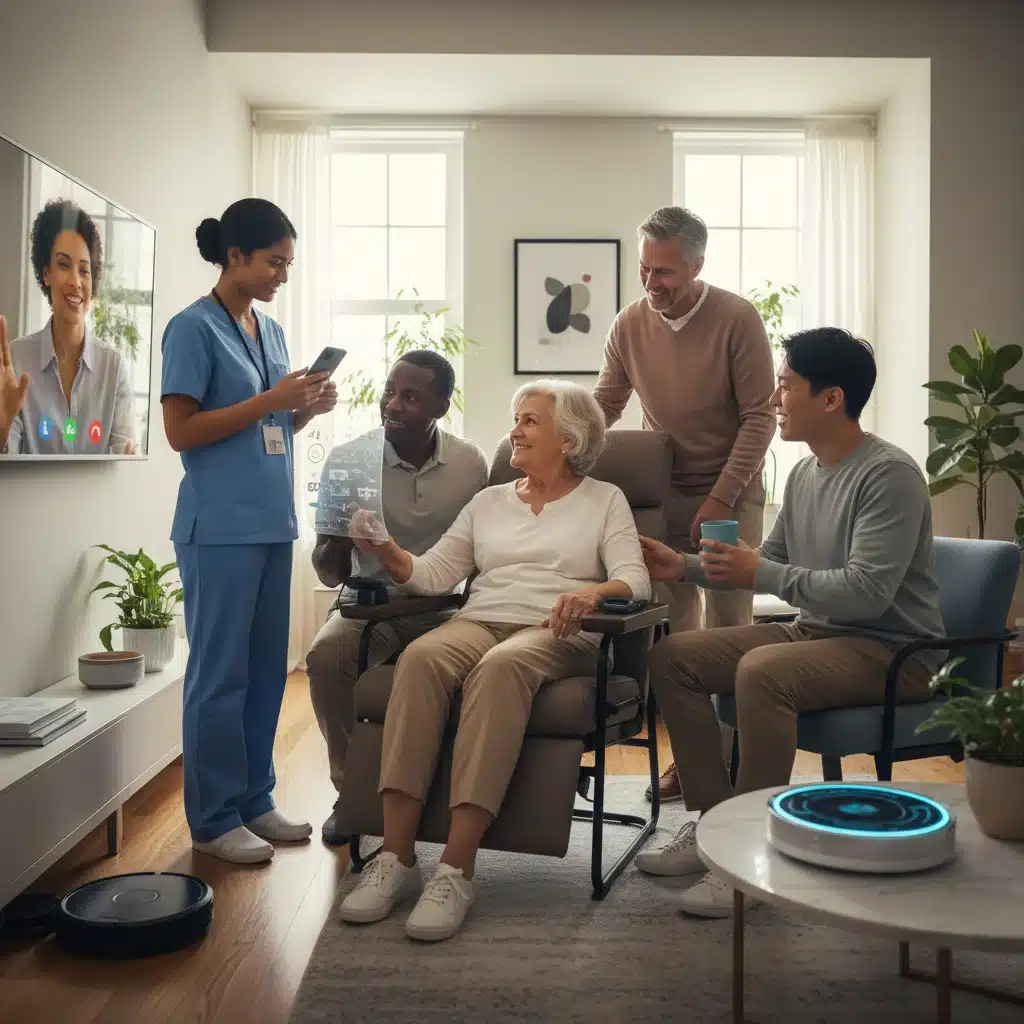
The Future of Caregiving: Key Trends, Challenges, and Opportunities in 2026
The landscape of caregiving is undergoing a profound transformation, driven by an aging global population, technological advancements, and shifting societal expectations. As we approach 2026, understanding the pivotal trends shaping the Future of Caregiving is not just beneficial, but essential for caregivers, families, healthcare providers, and policymakers alike. This comprehensive article will delve into the critical shifts defining the caregiving sector, explore the challenges they present, and highlight the remarkable opportunities emerging for innovation and improved support.
Anúncios
Caregiving, a role deeply rooted in compassion and commitment, has historically been a demanding endeavor. However, the coming years promise a blend of intensified complexities and unprecedented solutions. From the integration of artificial intelligence into daily care routines to the growing recognition of caregiver burnout, the dynamics are evolving rapidly. Our aim is to provide a clear roadmap for navigating this intricate future, ensuring that those who provide care are adequately supported and those who receive it experience enhanced quality of life.
Demographic Shifts: The Aging Population and Its Impact
One of the most significant drivers of the evolving Future of Caregiving is the undeniable demographic shift towards an older global population. By 2026, the proportion of individuals aged 65 and over will continue to rise dramatically in many developed and developing nations. This demographic phenomenon, often referred to as the ‘silver tsunami,’ has profound implications for caregiving resources and infrastructure.
Anúncios
The increase in life expectancy, while a testament to advancements in medicine and public health, also means a greater prevalence of chronic conditions and age-related disabilities requiring long-term care. This isn’t just about more elderly individuals; it’s about more individuals living longer with complex health needs. Consequently, the demand for both informal (family) and formal (professional) caregivers is escalating at an unprecedented rate. This trend places immense pressure on existing healthcare systems, workforce availability, and financial resources.
Furthermore, the ‘sandwich generation’ – adults caring for both their aging parents and their own children – will continue to grow, experiencing heightened levels of stress and financial strain. This demographic reality necessitates innovative approaches to support these individuals, recognizing their dual responsibilities and the vital role they play in the overall care ecosystem. Understanding these demographic shifts is the foundational step in preparing for the Future of Caregiving.
Technological Innovations Revolutionizing Care Delivery
Technology is poised to be a game-changer in the Future of Caregiving, offering solutions that enhance efficiency, improve safety, and provide greater independence for care recipients. The integration of various technological tools will redefine how care is delivered and managed.
Telehealth and Remote Monitoring
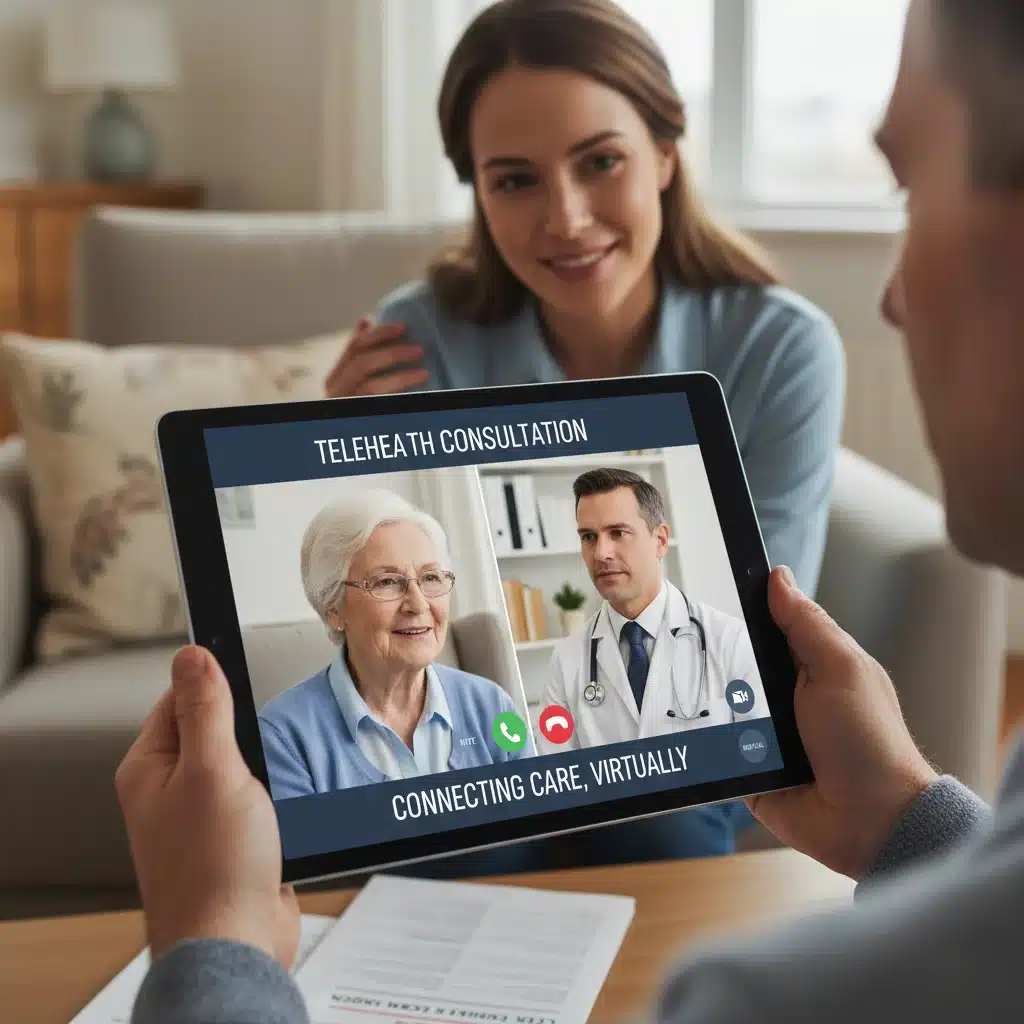
Telehealth has moved beyond a temporary pandemic solution to become a cornerstone of modern care. By 2026, virtual consultations, remote monitoring devices, and digital health platforms will be standard components of care plans. These technologies allow for timely interventions, reduce the need for frequent in-person visits, and provide peace of mind for both caregivers and care recipients. Wearable sensors can track vital signs, activity levels, and even fall detection, alerting caregivers to potential issues before they become critical. This proactive approach is crucial for maintaining health and preventing hospitalizations.
Artificial Intelligence (AI) and Robotics
AI-powered tools are emerging to assist with various aspects of care. From smart home devices that learn routines and remind individuals to take medication, to AI-driven analytics that predict health declines, these innovations promise a more personalized and predictive approach to care. Robotics, while still in nascent stages for direct personal care, are being explored for tasks like lifting, mobility assistance, and companionship, particularly in institutional settings to augment human care.
Digital Care Management Platforms
Centralized digital platforms are streamlining communication and coordination among multiple caregivers, family members, and healthcare professionals. These platforms allow for shared care plans, medication schedules, appointment tracking, and secure messaging, significantly reducing administrative burden and improving continuity of care. The ability to access and update information in real-time ensures everyone involved is on the same page, a critical factor in complex care scenarios.
The Evolving Role of the Caregiver: Professionalization and Support
The Future of Caregiving also entails a significant evolution in the role of caregivers themselves. With increasing demands and complexities, there’s a growing recognition of the need for greater professionalization, training, and robust support systems for both paid and unpaid caregivers.
Increased Demand for Skilled Care Professionals
As care needs become more specialized, the demand for highly skilled care professionals will intensify. This includes individuals trained in geriatric care, dementia care, palliative care, and complex medical management. There will be a greater emphasis on continuous education, certification, and career pathways to attract and retain talent in the care sector. Governments and healthcare organizations are recognizing the need to invest in workforce development to meet future demands.
Addressing Caregiver Burnout and Mental Health
Caregiver burnout remains a pervasive issue, impacting the physical and mental health of millions. In 2026, there will be a heightened focus on implementing comprehensive support programs, including respite care, counseling services, peer support groups, and mental health resources. Employers are also beginning to offer more flexible work arrangements and benefits to support employees with caregiving responsibilities. Acknowledging and actively mitigating burnout is crucial for the sustainability of the caregiving ecosystem.
Financial and Legal Support for Family Caregivers
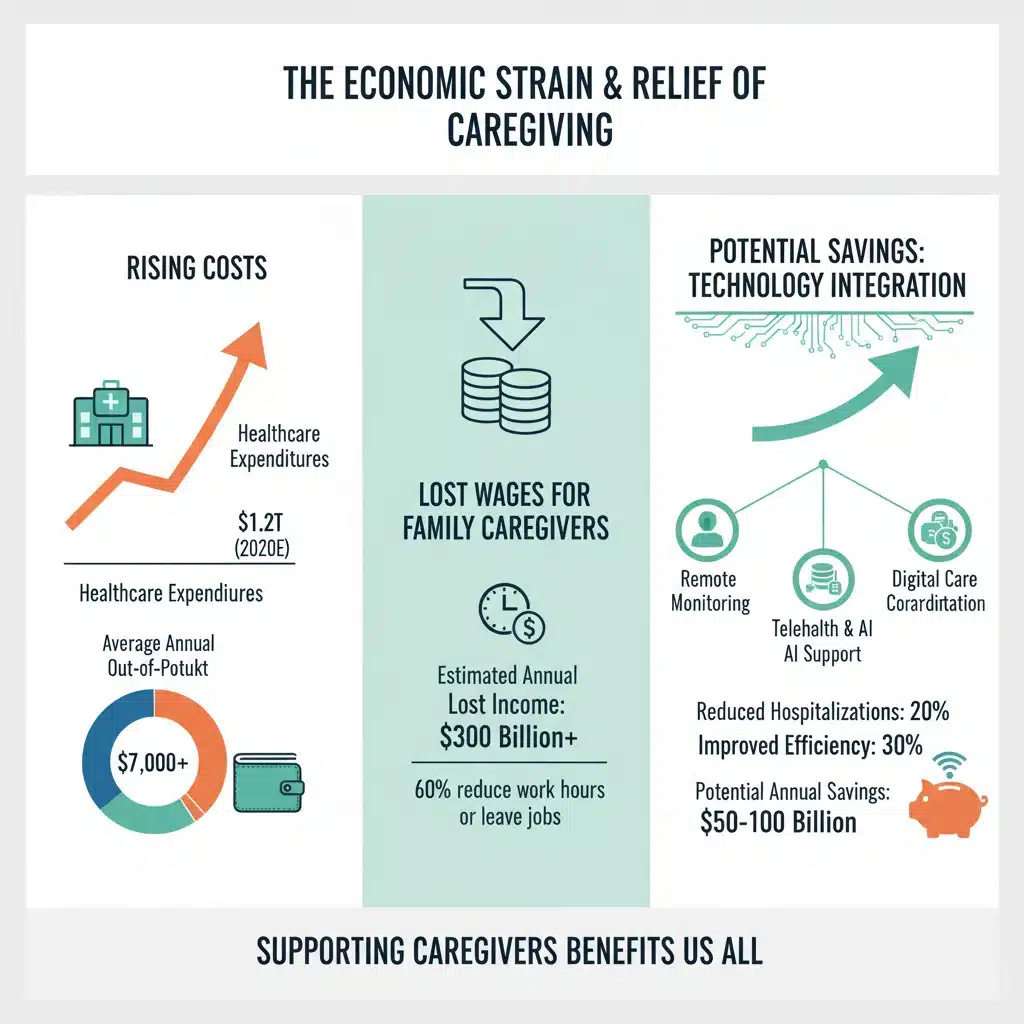
The financial strain on family caregivers is immense, often leading to lost wages, reduced savings, and increased out-of-pocket expenses. Advocacy efforts will continue to push for policies that provide financial relief, such as tax credits, direct payments, and expanded eligibility for caregiver stipends. Legal frameworks will also evolve to better protect and empower family caregivers, recognizing their invaluable contribution to society. These measures are vital to ensure the long-term viability of family-provided care.
Challenges on the Horizon for the Future of Caregiving
While the Future of Caregiving holds promise, it is not without its significant challenges. Addressing these hurdles proactively will be critical to building a resilient and effective care system.
Funding and Affordability of Care
The rising costs of long-term care, coupled with an increasing demand, pose a substantial financial challenge. Many families struggle to afford quality care, leading to difficult choices and potential compromises on care standards. Public and private funding models will need to be re-evaluated and innovated to ensure equitable access to care. This includes exploring new insurance products, government subsidies, and community-based funding initiatives. Without sustainable funding, even the most advanced care solutions will remain out of reach for many.
Workforce Shortages and Retention
Despite the growing demand, the caregiving sector continues to face chronic workforce shortages. Factors contributing to this include low wages, demanding work conditions, lack of career progression, and insufficient training opportunities. Attracting and retaining a skilled care workforce will require significant investment in fair compensation, improved working conditions, professional development, and societal recognition of the value of care work. Immigration policies may also need to be adjusted to address labor gaps in some regions.
Ethical Considerations of Technology in Care
As technology becomes more integrated into care, ethical questions surrounding privacy, data security, autonomy, and the potential for dehumanization will become more prominent. Ensuring that technology enhances rather than replaces human connection, and that personal data is protected, will require careful regulation and thoughtful implementation. Striking the right balance between technological efficiency and human dignity is paramount in shaping the Future of Caregiving.
Opportunities for Innovation and Growth
Despite the challenges, the Future of Caregiving presents numerous opportunities for innovation, growth, and positive change. These opportunities lie in leveraging technology, fostering community, and rethinking traditional care models.
Personalized and Integrated Care Models
The shift towards more personalized and integrated care models will gain momentum. This means moving away from one-size-fits-all approaches to care plans tailored to individual needs, preferences, and cultural backgrounds. Integrated care involves seamless coordination across different healthcare providers, social services, and family caregivers, ensuring a holistic approach to well-being. This person-centered approach will lead to better outcomes and higher satisfaction.
Community-Based and Age-Friendly Initiatives
Building stronger, more supportive communities will be vital. This includes developing age-friendly cities and neighborhoods that promote accessibility, social engagement, and local support networks. Community-based care models, such as adult day centers, shared living arrangements, and volunteer programs, can provide crucial supplementary support, reduce isolation, and offer respite for family caregivers. These initiatives empower individuals to age in place with dignity and connection.
Preventative Care and Wellness Focus
A greater emphasis on preventative care and wellness will emerge as a strategy to mitigate the demand for intensive long-term care. This involves promoting healthy lifestyles, early detection of chronic diseases, and proactive health management. Investing in preventative measures can improve overall health outcomes, reduce healthcare costs in the long run, and enhance the quality of life for older adults, thereby influencing the nature of care needed in the Future of Caregiving.
The Role of Policy and Government in Shaping the Future
Government policies and legislative frameworks will play a critical role in shaping the Future of Caregiving. Proactive policy-making can address many of the challenges and unlock the opportunities discussed.
Investment in Care Infrastructure
Governments must prioritize investment in care infrastructure, including funding for long-term care facilities, home care services, and community support programs. This involves not only financial resources but also strategic planning to ensure that care services are accessible, affordable, and high-quality across all regions.
Support for Caregiver Training and Education
Policies that support comprehensive training, certification, and ongoing education for both professional and family caregivers are essential. This includes developing standardized curricula, offering financial incentives for training, and recognizing caregiving as a valuable profession. Empowering caregivers with knowledge and skills is fundamental to improving care outcomes.
Regulatory Frameworks for Technology
As technology advances, governments will need to establish robust regulatory frameworks that ensure the ethical and secure use of AI, robotics, and telehealth in care settings. These regulations must balance innovation with patient safety, privacy, and autonomy, building public trust in technological solutions for care.
Preparing for 2026: Actionable Steps for Stakeholders
To effectively navigate the Future of Caregiving, various stakeholders must take proactive steps:
- For Families and Informal Caregivers: Seek out support networks, explore available technologies for assistance, prioritize self-care, and advocate for policy changes that benefit caregivers. Plan early for future care needs and understand financial implications.
- For Healthcare Providers and Organizations: Invest in technology infrastructure, train staff in digital literacy and specialized care areas, develop integrated care models, and prioritize caregiver support within their services.
- For Policymakers and Governments: Develop comprehensive national care strategies, increase funding for care services and caregiver support, implement policies that attract and retain care workers, and create ethical guidelines for technology in care.
- For Technology Developers: Focus on user-friendly, accessible, and affordable solutions that genuinely enhance care, prioritize data security and privacy, and involve caregivers and care recipients in the design process.
Conclusion: A Collaborative Path Forward for the Future of Caregiving
The Future of Caregiving in 2026 is complex, presenting both formidable challenges and exciting opportunities. The convergence of an aging population, rapid technological advancements, and evolving societal expectations demands a collaborative and proactive response from all stakeholders. By embracing innovation, investing in our care workforce, and fostering supportive communities, we can build a care ecosystem that is resilient, compassionate, and capable of meeting the needs of generations to come.
The journey ahead requires foresight, empathy, and a collective commitment to valuing and supporting those who provide care, and ensuring dignity and quality of life for those who receive it. The time to shape this future is now, ensuring that the critical role of caregiving is recognized, respected, and revolutionized for the better.