Advanced Communication Techniques: Improve Care Recipient Interactions in 3 Weeks
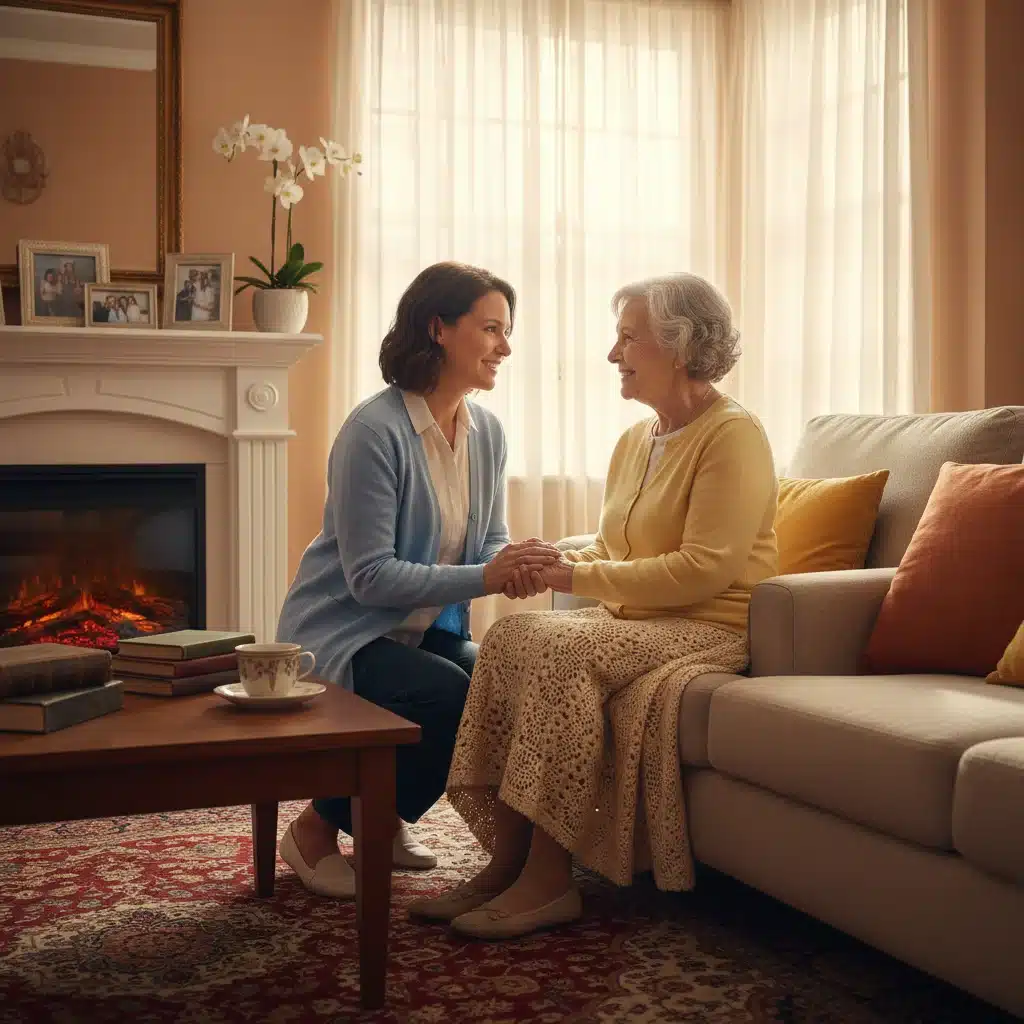
In the intricate world of caregiving, effective communication isn’t merely a skill; it’s the bedrock upon which trust, dignity, and genuine connection are built. For many caregivers, navigating the complexities of their care recipients’ needs, emotions, and sometimes, their resistance, can be incredibly challenging. While basic communication skills are a good starting point, truly transforming interactions and fostering a positive care environment requires a deeper dive into advanced communication techniques. This comprehensive guide will equip you with practical, actionable strategies to significantly improve your care recipient communication in just three weeks, leading to more harmonious relationships and enhanced well-being for everyone involved.
The journey of caregiving is often fraught with moments of frustration, misunderstanding, and emotional strain. Whether you’re caring for an elderly parent, a spouse with a chronic illness, or a client with cognitive impairments, the quality of your interactions directly impacts the quality of care provided. Poor communication can lead to increased anxiety, resistance to care, feelings of isolation for the care recipient, and burnout for the caregiver. Conversely, mastering advanced communication techniques can unlock a profound level of understanding, cooperation, and mutual respect, turning daily tasks into meaningful exchanges.
This article is designed as a three-week practical program. Each week will introduce a set of related advanced communication techniques, building upon the previous week’s foundation. By the end of this journey, you will not only possess a robust toolkit of communication strategies but also a deeper empathy and insight into the unique communication needs of your care recipient.
Week 1: Foundations of Empathetic Engagement and Active Listening
The first step towards mastering advanced communication is to solidify the foundational pillars of empathetic engagement and active listening. These aren’t just buzzwords; they are deliberate practices that shift the dynamic from simply hearing to truly understanding.
Day 1-2: Cultivating Radical Empathy
Empathy is the ability to understand and share the feelings of another. Radical empathy goes a step further, requiring us to actively imagine ourselves in the care recipient’s shoes, considering their life experiences, fears, and perspectives without judgment. This is particularly crucial when dealing with individuals who may be experiencing cognitive decline, pain, or emotional distress.
- Practice Perspective-Taking: Before approaching a conversation or task, take a moment to consider what it might feel like from their point of view. How would you feel if you couldn’t articulate your needs? If you were dependent on others? This mental exercise can dramatically alter your approach and tone.
- Validate Feelings, Not Necessarily Facts: A care recipient might express frustration about something that seems illogical to you. Instead of correcting them, validate their emotion. “I can see you’re feeling very frustrated right now,” is far more effective than, “There’s no reason to be frustrated.”
- Observe Non-Verbal Cues: Pay close attention to body language, facial expressions, and tone of voice. These often convey more than words, especially if verbal communication is limited.
Day 3-4: The Art of Active Listening
Active listening is a cornerstone of effective care recipient communication. It involves fully concentrating on what is being said, rather than just passively hearing the message. This means giving your full attention, both verbally and non-verbally.
- Eliminate Distractions: Put away your phone, turn off the TV, and make eye contact. Signal that they have your undivided attention.
- Reflect and Paraphrase: After they speak, briefly summarize what you heard in your own words. For example, “So, if I understand correctly, you’re saying you’d prefer to wear the blue shirt today because it’s more comfortable?” This confirms understanding and shows you’re engaged.
- Ask Open-Ended Questions: Instead of questions that elicit a ‘yes’ or ‘no’ response, ask questions that encourage them to elaborate. “How are you feeling about that?” or “What would make you more comfortable?” are good examples.
- Resist the Urge to Interrupt or Offer Solutions Immediately: Sometimes, people just need to be heard. Allow them to express themselves fully before interjecting.
Day 5-7: Building Rapport Through Shared Experience and Presence
Rapport is the foundation of a trusting relationship. It’s about finding common ground and being fully present in the moment.
- Find Common Interests: Discover what they enjoy – music, old movies, gardening, sports. Engaging in conversations about these topics can create a bridge and make care interactions feel less transactional.
- Share Appropriately: Briefly sharing a relevant personal experience (without making it about you) can foster connection. “I remember when I used to love gardening too, it’s such a peaceful activity.”
- Be Fully Present: This goes beyond active listening. It means being mindful of your own state, breathing, and focusing entirely on the interaction. Your presence communicates respect and value.
- Use Humor (Appropriately): A lighthearted moment or a shared laugh can significantly reduce tension and build warmth, but always be sensitive to their mood and personality.
Week 2: Mastering Non-Verbal Cues and Validation Techniques
Having established a foundation of empathy and active listening, Week 2 focuses on refining your understanding and use of non-verbal communication and powerful validation techniques. These are critical advanced communication techniques that often go overlooked but carry immense weight.
Day 8-9: Decoding and Utilizing Non-Verbal Communication
Non-verbal cues – body language, facial expressions, gestures, and tone of voice – often convey more than spoken words. Becoming adept at both reading and using these cues can transform your interactions.
- Observe Body Language: Is the care recipient tense or relaxed? Are their arms crossed (defensive) or open? Are they avoiding eye contact? These can signal discomfort, fear, or openness.
- Match and Mirror (Subtly): Subtly mirroring a care recipient’s posture or gestures can create a sense of connection and understanding, but do so naturally, not robotically.
- Maintain Appropriate Eye Contact: Too much can be intimidating, too little can seem disinterested. Aim for comfortable, intermittent eye contact that conveys engagement.
- Use Your Own Body Language: Approach with an open posture, gentle gestures, and a calm demeanor. A warm smile and a relaxed stance can instantly put someone at ease.
- Pay Attention to Tone and Volume: Your tone of voice can convey empathy, patience, or frustration. Keep your voice calm, clear, and at an appropriate volume, especially if hearing is an issue.
Day 10-11: The Power of Validation
Validation is the act of acknowledging and accepting another person’s thoughts, feelings, and behaviors as understandable, even if you don’t agree with them. It’s not about approval, but about recognition. This is a crucial advanced communication technique for de-escalating difficult situations and building trust.
- Acknowledge Their Reality: Even if their reality differs from yours (e.g., in dementia), acknowledge it. “I understand you’re upset that you can’t find your keys, it’s very frustrating when things go missing.”
- Reflect Feelings: Verbally express the emotion you perceive. “It sounds like you’re feeling very worried about that.”
- Legitimize Their Experience: Let them know their feelings are normal given their circumstances. “It’s perfectly understandable that you’d feel angry about having to rely on others.”
- Don’t Argue or Correct: Validation is not the time for debate. The goal is to make them feel heard and understood.
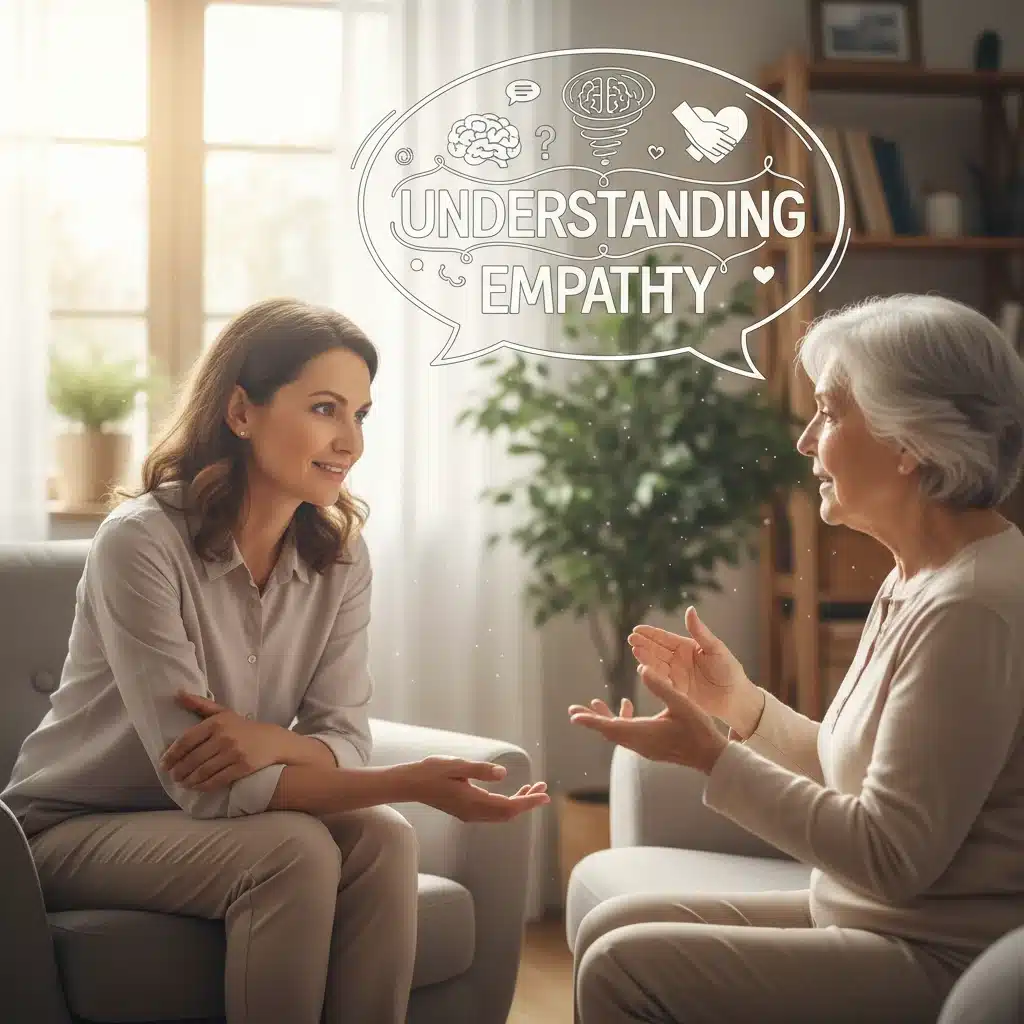
Day 12-14: Empathetic Silence and Pausing
In our fast-paced world, silence can feel uncomfortable. However, empathetic silence and strategic pausing are powerful advanced communication techniques in caregiving. They provide space for reflection, processing, and allow the care recipient to lead the conversation.
- Allow for Processing Time: Individuals with cognitive impairments or those in pain may need more time to formulate their thoughts and responses. Resist the urge to fill the silence.
- Create Space for Emotion: Silence can give the care recipient permission to express difficult emotions without feeling rushed or judged.
- Signal Patience: A comfortable silence communicates patience and a willingness to wait for their input, fostering a sense of control for the care recipient.
- Use Pauses for Emphasis: When you do speak, strategic pauses can emphasize important points and give them time to absorb the information.
Week 3: Navigating Difficult Conversations and Conflict Resolution
The final week delves into the most challenging aspects of care recipient communication: handling resistance, addressing sensitive topics, and resolving conflicts. These advanced communication techniques are essential for maintaining a positive care environment even in the face of adversity.
Day 15-16: Addressing Resistance with Compassion and Choice
Resistance to care is common and can stem from a variety of factors: fear, loss of control, misunderstanding, or a desire for independence. Direct confrontation often exacerbates the issue. Instead, use these techniques:
- Identify the Root Cause: Try to understand why they are resisting. Is it fear of pain? A feeling of being rushed? A desire for autonomy? Asking “What’s making this difficult for you right now?” can offer insights.
- Offer Choices (Even Small Ones): When possible, give the care recipient a sense of control by offering limited choices. “Would you like to wear the red shirt or the blue shirt?” or “Would you prefer to shower now or in an hour?” This shifts the dynamic from demand to collaboration.
- Use “I” Statements: Frame your needs or concerns using “I” statements rather than accusatory “You” statements. “I’m concerned about your skin health if we don’t change the dressing” is more effective than “You always refuse to let me change your dressing.”
- Break Tasks into Smaller Steps: A large task can feel overwhelming. Break it down and focus on one small step at a time, celebrating each completion.
- Distraction and Redirection: If resistance is high and the task isn’t urgent, sometimes a temporary distraction or redirection to a more pleasant topic can be effective, allowing you to re-approach the task later.
Day 17-18: Communicating Sensitive Information
There will be times when you need to convey difficult news or discuss sensitive topics, such as changes in health, financial matters, or end-of-life planning. These situations demand particular sensitivity and skill.
- Choose the Right Time and Place: Ensure privacy, minimize distractions, and pick a time when both you and the care recipient are relatively calm and rested.
- Be Direct but Gentle: Avoid euphemisms, but deliver information with compassion. “I have some difficult news to share about your recent test results” is clearer than vague statements.
- Use Clear, Simple Language: Avoid medical jargon or overly complex explanations. Explain things in terms they can easily understand.
- Allow for Emotional Response: Be prepared for a range of emotions – anger, sadness, fear. Allow them to express these feelings without judgment. Offer comfort and support.
- Check for Understanding: Ask open-ended questions to ensure they have grasped the information. “What are your thoughts on what I’ve just told you?” or “What questions do you have?”
- Collaborate on Next Steps: Whenever possible, involve them in decisions about their care or future, even if it’s just asking for their preferences.
Day 19-21: Conflict Resolution and De-escalation
Conflicts are inevitable in any close relationship, and caregiving is no exception. Learning to de-escalate tensions and resolve disagreements constructively is a vital advanced communication technique.
- Stay Calm and Regulate Your Own Emotions: Your emotional state can be contagious. If you become agitated, it’s likely the care recipient will too. Take a deep breath, step back if needed, and re-approach when you are calm.
- Identify the Core Issue: Often, arguments are not about the surface issue but a deeper unmet need or fear. Try to uncover what’s truly bothering them.
- Use “I” Statements to Express Your Feelings and Needs: Clearly articulate your perspective without blaming. “I feel overwhelmed when I have to ask you multiple times to take your medication, and I need your cooperation to ensure your health.”
- Practice Collaborative Problem-Solving: Instead of imposing solutions, involve the care recipient in finding a resolution. “How can we work together to make this easier for both of us?”
- Know When to Take a Break: If a conversation is becoming too heated or unproductive, suggest taking a break and revisiting the topic later. “Let’s take a few minutes to cool down and we can talk about this again in an hour.”
- Apologize When Appropriate: If you’ve made a mistake or contributed to the conflict, a sincere apology can go a long way in repairing the relationship.

Integrating Advanced Communication Techniques into Daily Practice
Mastering these advanced communication techniques isn’t about memorizing a script; it’s about internalizing a new way of interacting. Here are some tips for making these practices a natural part of your daily caregiving routine:
- Self-Reflection and Journaling: At the end of each day, take a few minutes to reflect on your interactions. What went well? What could have been handled differently? What did you learn about your care recipient’s communication style?
- Seek Feedback (If Possible): If appropriate, you might gently ask the care recipient, or another trusted family member, for feedback on your communication.
- Continue Learning: The field of caregiving and communication is always evolving. Read books, attend workshops, and seek out resources that can further enhance your skills.
- Practice Self-Care: Effective communication requires emotional and mental energy. Ensure you are taking care of your own well-being to avoid burnout and maintain your capacity for empathy and patience.
- Be Patient with Yourself and the Care Recipient: Change takes time. There will be good days and bad days. Celebrate small victories and don’t get discouraged by setbacks. Consistency is key.
- Role-Playing and Visualization: Mentally rehearse difficult conversations or challenging scenarios. Visualize yourself using the techniques effectively.
The Transformative Impact of Enhanced Care Recipient Communication
The benefits of implementing these advanced communication techniques extend far beyond smoother daily interactions. They foster a deeper, more meaningful connection between caregiver and care recipient, leading to a cascade of positive outcomes:
- Increased Trust and Cooperation: When care recipients feel truly heard and understood, they are more likely to trust their caregivers and cooperate with care plans.
- Reduced Anxiety and Stress: For both parties, clear and empathetic communication reduces feelings of frustration, anxiety, and stress associated with caregiving challenges.
- Enhanced Dignity and Autonomy: By offering choices, validating feelings, and involving care recipients in decisions, caregivers uphold their dignity and sense of self-worth.
- Improved Quality of Life: A positive communication environment contributes significantly to the care recipient’s overall quality of life, fostering emotional well-being and reducing feelings of isolation.
- Prevention of Misunderstandings: Active listening and clarification techniques minimize misinterpretations, leading to more efficient and effective care.
- Stronger Relationships: Ultimately, these techniques build stronger, more resilient relationships, transforming the caregiving journey into a more rewarding experience for everyone involved.
Conclusion: A Three-Week Journey to Communication Mastery
Embarking on this three-week journey to master advanced communication techniques is an investment that will yield invaluable returns. By dedicating yourself to cultivating radical empathy, honing your active listening skills, decoding non-verbal cues, practicing powerful validation, and navigating conflicts with grace, you will fundamentally transform your interactions with care recipients. This isn’t just about improving tasks; it’s about enriching lives, fostering deeper connections, and creating an environment where compassion and understanding flourish. Remember, every conversation is an opportunity to connect, to understand, and to provide care that truly honors the individual. Start today, and witness the profound positive changes in your caregiving journey.