Innovative Childcare Models 2026: A Comparative Analysis for Working Parents
Beyond the Basics: Comparing 3 Innovative Childcare Models Emerging in 2026 for Working Parents
For working parents, the quest for quality, flexible, and affordable childcare is a perennial challenge. The traditional models, while foundational, often struggle to keep pace with the evolving demands of modern professional life and the latest understanding of child development. As we look towards 2026, a new wave of innovative childcare models is poised to redefine how families approach early childhood care and education. These emerging approaches promise greater flexibility, enhanced developmental outcomes, and a more integrated family-work balance. This comprehensive article delves into three distinct and groundbreaking childcare models, offering a detailed comparison to help working parents navigate the future of childcare and make informed decisions for their families.
The landscape of childcare is shifting dramatically, driven by technological advancements, changing work cultures, and a deeper appreciation for personalized learning environments. Parents today are not just seeking supervision; they are looking for partners in their children’s growth, institutions that understand the nuances of early brain development, and systems that can adapt to their often unpredictable schedules. This demand has fueled the development of models that move beyond the conventional daycare or nanny services, introducing concepts that prioritize adaptability, community, and bespoke educational experiences.
Understanding these emerging trends is crucial. The choices made in early childhood care have profound long-term impacts on a child’s social, emotional, cognitive, and physical development. Moreover, the right childcare solution can significantly alleviate parental stress, improve job satisfaction, and contribute to overall family well-being. This article aims to be a beacon for working parents, shedding light on the most promising innovative childcare models on the horizon.
The Need for Innovation in Childcare
Before we dive into the specific models, it’s important to understand *why* innovation in childcare is so desperately needed. The traditional 9-to-5 daycare model, while effective for many, often presents significant limitations. Rigid schedules clash with remote work, flexible hours, or shift work. High costs can be prohibitive for middle-income families, and the lack of personalized attention in large group settings can be a concern for parents focused on individual child development. Furthermore, the pandemic highlighted the fragility of existing childcare infrastructures and accelerated the search for more resilient and adaptable solutions.
Working parents face a unique set of challenges. The pressure to excel professionally often collides with the desire to provide the best possible start for their children. This balancing act requires childcare solutions that are not just safe, but also enriching, flexible, and supportive of both the child’s needs and the parent’s career demands. The innovative childcare models discussed here are direct responses to these multifaceted needs, aiming to bridge the gaps left by conventional approaches.
Moreover, the understanding of early childhood development has evolved significantly. We now know that the first few years of life are critical for brain development, making high-quality early learning experiences paramount. These new models are often designed with a strong pedagogical foundation, incorporating research-backed methods to foster cognitive, social, emotional, and physical skills in children from a young age.
Model 1: The Hyper-Flexible, Tech-Integrated Micro-Centers
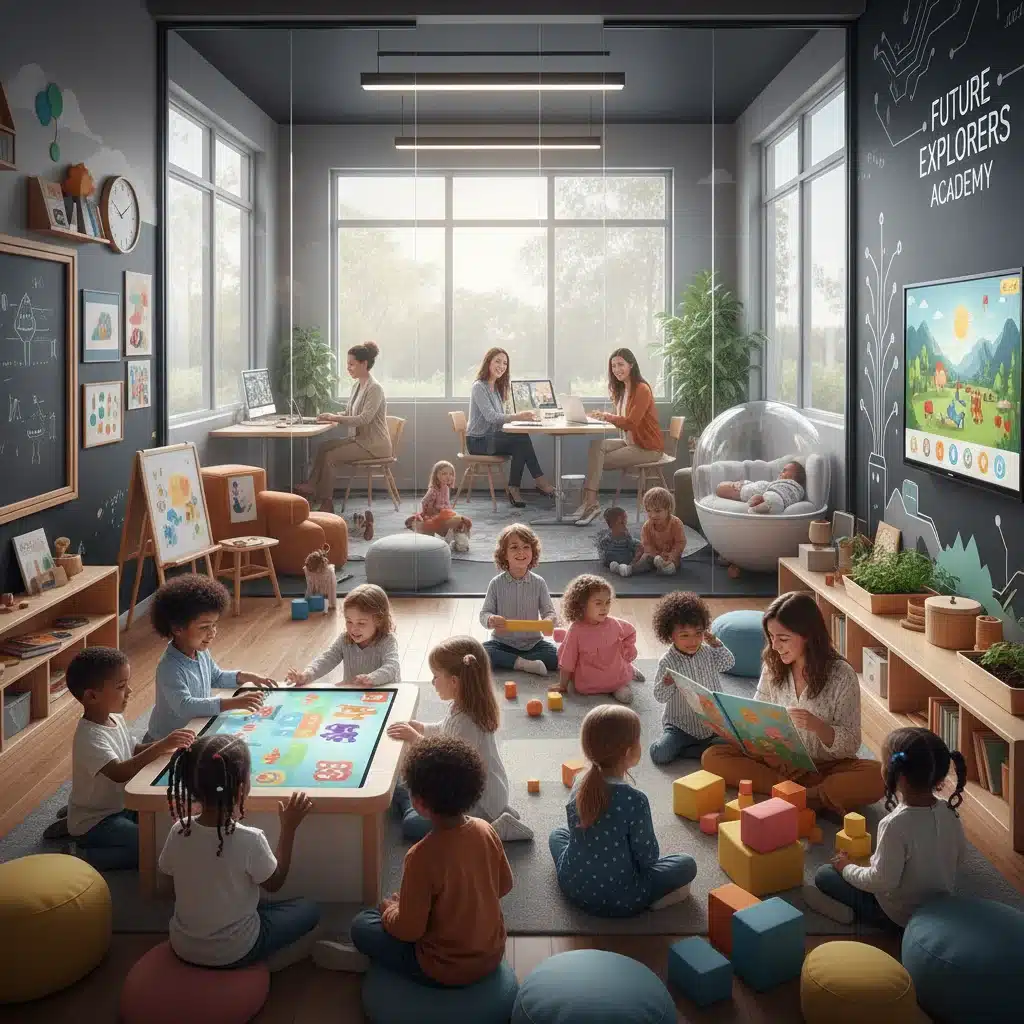
One of the most exciting developments in innovative childcare models is the emergence of hyper-flexible, tech-integrated micro-centers. These centers are designed to cater specifically to the dynamic schedules of modern working parents, offering unparalleled adaptability and convenience. Unlike traditional daycares with fixed hours, micro-centers operate with a pay-as-you-go or subscription-based model, allowing parents to book slots for a few hours, a half-day, or a full day, often with short-notice options.
Key Features and Benefits:
- Unmatched Flexibility: Parents can book childcare slots through a dedicated app, adjusting schedules as their work demands change. This is ideal for freelancers, remote workers, or those with non-traditional working hours.
- Small Group Sizes: Micro-centers typically have a lower child-to-staff ratio, fostering a more personalized and attentive environment. This allows educators to focus on individual child needs and interests, promoting deeper engagement and learning.
- Technology Integration: Beyond scheduling, technology plays a crucial role in communication, curriculum delivery, and progress tracking. Parents receive real-time updates, photos, and reports on their child’s activities and developmental milestones via secure platforms. Some centers even incorporate educational tech tools into their learning programs.
- Community Hubs: Often located within co-working spaces, community centers, or mixed-use developments, these micro-centers can also serve as community hubs, offering workshops for parents, networking opportunities, and family events.
- Curated Educational Programs: Despite their flexibility, these centers often boast specialized educational programs, focusing on areas like STEM, arts, or language immersion, tailored to small groups.
Challenges and Considerations:
- Cost: While flexible, the specialized nature and lower ratios can sometimes translate to higher per-hour costs compared to traditional daycare, though the pay-as-you-go model can be cost-effective for part-time needs.
- Consistency: For children who thrive on routine, the variable schedule might require careful management by parents to ensure a sense of stability.
- Availability: Depending on demand, securing last-minute slots might sometimes be challenging, especially in highly populated urban areas.
The hyper-flexible, tech-integrated micro-center model represents a significant leap forward in addressing the practical needs of working parents while prioritizing individualized child development. It’s a testament to how technology can enhance, rather than replace, human connection in early childhood education.
Model 2: The Nature-Based & Community-Led Cooperatives
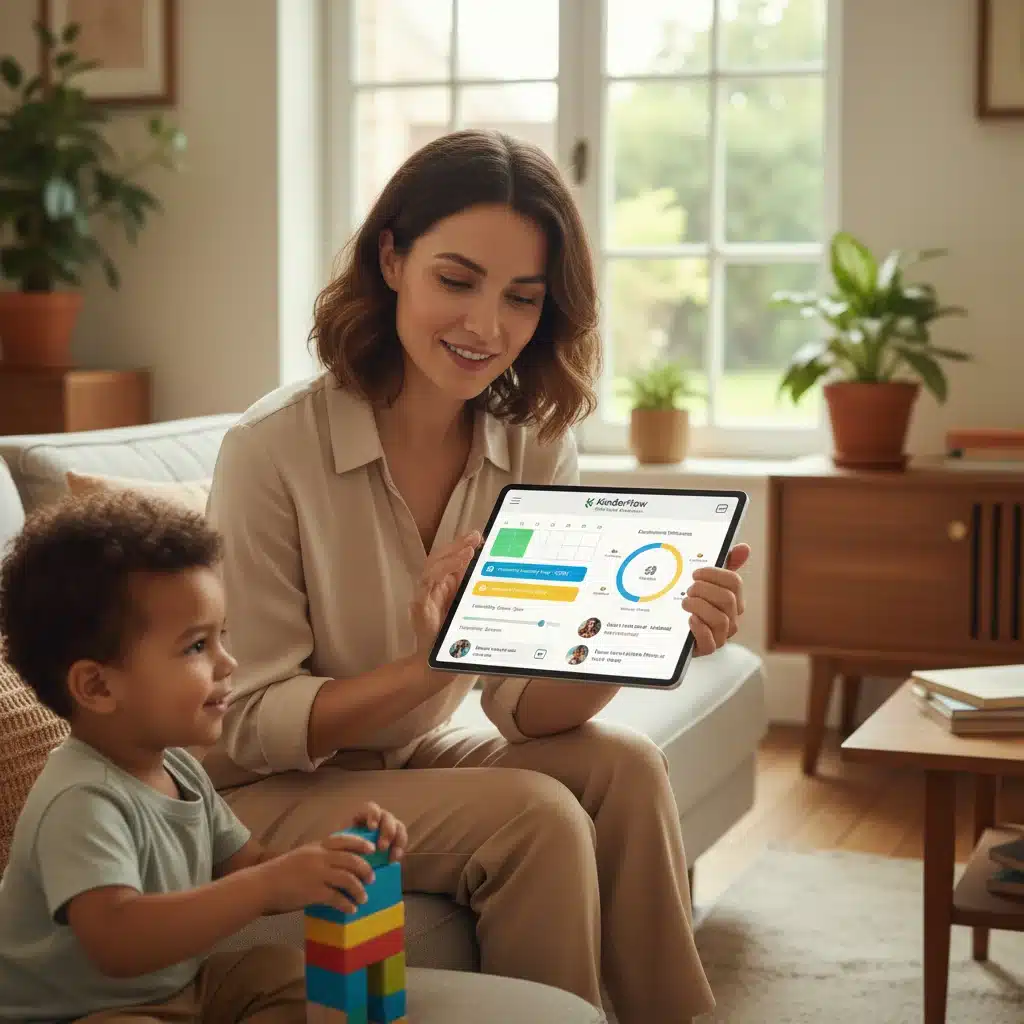
Moving to a more community-centric approach, the nature-based and community-led cooperative model is gaining traction as an increasingly popular option among innovative childcare models. These cooperatives are often parent-run or heavily involve parent participation, fostering a strong sense of community and shared responsibility. The hallmark of this model is its emphasis on outdoor learning, connecting children with nature, and promoting holistic development through experiential education.
Key Features and Benefits:
- Nature-Immersive Learning: A significant portion of the day is spent outdoors, regardless of weather, allowing children to explore, discover, and learn directly from the natural environment. This approach is known to boost physical health, cognitive development, and creativity.
- Strong Community Bonds: Parents are actively involved in the cooperative’s operations, from governance to volunteering. This fosters a tight-knit community, offering mutual support, shared resources, and a collective investment in the children’s well-being.
- Holistic Development: Beyond academics, there’s a strong focus on developing life skills, resilience, problem-solving, and social-emotional intelligence through unstructured play, risk-taking in safe environments, and collaborative activities.
- Affordability: Due to parental involvement and often non-profit structures, these cooperatives can be more affordable than commercial childcare options, making high-quality, nature-based education accessible to more families.
- Child-Led Pedagogy: Many nature-based cooperatives adopt a child-led approach, where interests and curiosity drive the learning process, allowing for deeper engagement and a love for discovery.
Challenges and Considerations:
- Parental Involvement: The cooperative nature requires significant time commitment from parents, which might be challenging for those with demanding careers or limited free time.
- Weather Dependency: While embracing the outdoors, extreme weather conditions can sometimes limit activities or require robust contingency plans.
- Location Specificity: These models often require access to suitable natural spaces, making them more prevalent in certain geographical areas than others.
- Scalability: The highly personalized and community-driven nature can make scaling these models difficult, limiting their widespread availability.
The nature-based and community-led cooperative offers a refreshing alternative for parents who prioritize outdoor education, community engagement, and a more hands-on approach to their children’s early years. It’s a return to foundational principles of learning through play and connection with the world around us.
Model 3: Personalized Learning Pods & Microschools
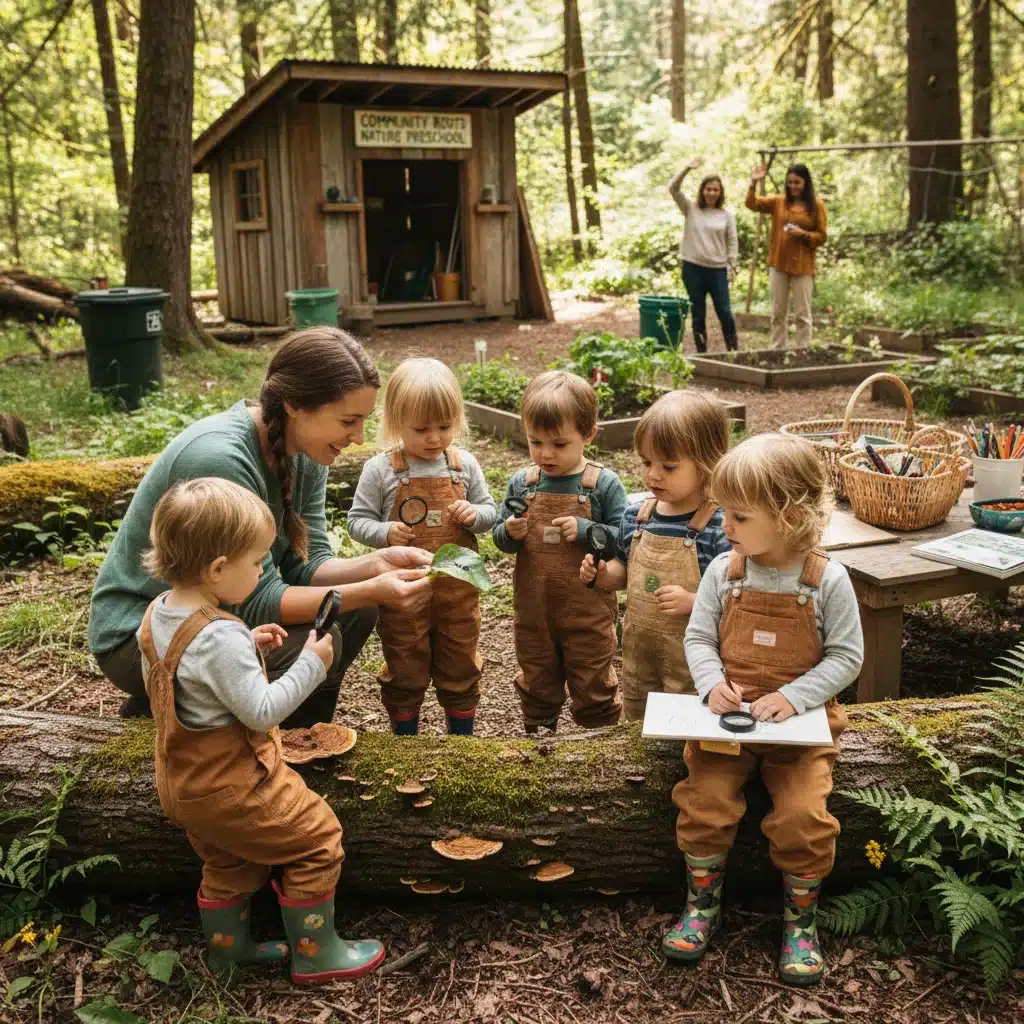
The third of our innovative childcare models, gaining significant traction post-pandemic, is the rise of personalized learning pods and microschools. These are small, often privately organized educational groups, typically consisting of 5-15 children, led by a dedicated educator. They offer a highly customized learning experience, blending elements of homeschooling with professional instruction, and often focus on specific pedagogical philosophies or specialized curricula.
Key Features and Benefits:
- Customized Curriculum: Learning pods can tailor their curriculum to the specific needs, interests, and learning styles of the children within the group. This allows for accelerated learning in some areas and additional support in others, far beyond what a traditional classroom can offer.
- High Educator-to-Child Ratio: With small group sizes, children receive significant individualized attention, fostering strong relationships with their educator and peers, and allowing for targeted instruction.
- Flexible Scheduling & Location: Pods can be hosted in a rotating schedule at different families’ homes, in dedicated community spaces, or even virtually. Schedules can be adapted to accommodate family needs, offering more flexibility than traditional schooling.
- Specialized Focus: Many microschools and pods specialize in particular educational philosophies (e.g., Montessori, Reggio Emilia, Waldorf), STEM, arts, or project-based learning, attracting parents who seek a specific approach to education.
- Safety and Stability: The small, consistent group size can offer a sense of stability and a controlled environment, which can be particularly appealing to parents concerned about health and safety.
Challenges and Considerations:
- Cost: Due to the highly personalized nature and low student-to-teacher ratio, learning pods can be significantly more expensive than traditional childcare or schooling, often requiring families to pool resources.
- Logistics and Organization: Organizing a pod requires significant coordination among participating families, including finding an educator, agreeing on curriculum, and managing schedules and locations.
- Socialization Scope: While offering deep peer relationships within the pod, children might have fewer opportunities for broader social interaction compared to larger settings. Parents often supplement with extracurricular activities.
- Quality Control: As pods are often parent-initiated, the quality of education can vary widely depending on the educator hired and the curriculum chosen.
Personalized learning pods and microschools offer an elite, tailored educational experience for those who can afford the investment and are willing to engage in the organizational aspects. They represent a powerful move towards bespoke education in the early years.
Comparative Analysis: Choosing the Right Innovative Childcare Model
Now that we’ve explored each of these innovative childcare models in detail, let’s compare them across key dimensions that matter most to working parents:
Flexibility & Adaptability:
- Hyper-Flexible, Tech-Integrated Micro-Centers: ⭐⭐⭐⭐⭐ (Highest flexibility, ideal for unpredictable schedules)
- Nature-Based & Community-Led Cooperatives: ⭐⭐ (Lower flexibility due to shared responsibilities, but can be adapted within the community framework)
- Personalized Learning Pods & Microschools: ⭐⭐⭐⭐ (High flexibility in scheduling and location, but requires group consensus)
For parents whose work demands frequent schedule changes or who work non-traditional hours, the micro-centers offer an unparalleled solution. Learning pods also provide good flexibility, but it’s contingent on the agreement of all participating families. Cooperatives, while fostering community, often require more structured parental involvement.
Developmental Focus & Educational Approach:
- Hyper-Flexible, Tech-Integrated Micro-Centers: ⭐⭐⭐⭐ (Strong focus on curated, often specialized educational programs with tech integration; personalized attention due to small ratios)
- Nature-Based & Community-Led Cooperatives: ⭐⭐⭐⭐⭐ (Holistic development through nature immersion, experiential learning, and social-emotional growth; child-led pedagogy)
- Personalized Learning Pods & Microschools: ⭐⭐⭐⭐⭐ (Highly customized curriculum, individualized attention, specialized pedagogical philosophies)
All three models offer significant advantages over traditional childcare in terms of developmental focus. Micro-centers leverage technology and small groups for targeted learning. Cooperatives excel in fostering a deep connection with nature and building resilience. Learning pods provide the ultimate in personalized educational pathways, catering to very specific learning needs and styles.
Cost-Effectiveness & Accessibility:
- Hyper-Flexible, Tech-Integrated Micro-Centers: ⭐⭐⭐ (Can be more expensive per hour, but cost-effective for part-time needs; accessibility depends on urban density)
- Nature-Based & Community-Led Cooperatives: ⭐⭐⭐⭐ (Generally more affordable due to parental involvement and non-profit structure; accessibility depends on community organization and natural spaces)
- Personalized Learning Pods & Microschools: ⭐⭐ (Highest cost, often requiring significant financial investment from families; accessibility limited by cost and organizational capacity)
Cost remains a significant factor for many families. Cooperatives often present the most budget-friendly option due to their shared responsibility model. Micro-centers can be efficient for flexible, part-time care, but full-time can accumulate costs. Learning pods, while offering bespoke education, are typically the most expensive, making them less accessible to the general population.
Community & Parental Involvement:
- Hyper-Flexible, Tech-Integrated Micro-Centers: ⭐⭐⭐ (Offers community aspects like parent workshops, but primary focus is on convenience)
- Nature-Based & Community-Led Cooperatives: ⭐⭐⭐⭐⭐ (Highest parental involvement, strong community building, shared governance)
- Personalized Learning Pods & Microschools: ⭐⭐⭐⭐ (Significant parental involvement in organization and decision-making, strong bonds within the small group of families)
For parents seeking a deep sense of community and direct involvement in their child’s educational environment, the cooperative model is unmatched. Learning pods also foster strong bonds among participating families. Micro-centers offer community opportunities but typically do not require the same level of direct parental participation.
The Future of Childcare: A Hybrid Approach?
As these innovative childcare models continue to evolve, it’s plausible that we’ll see hybrid approaches emerge, blending the best features of each. Imagine a micro-center that integrates nature-based learning principles or a learning pod that utilizes a flexible booking system for supplementary care. The key takeaway for working parents is that the options are expanding, moving beyond a one-size-fits-all solution.
The increasing recognition of diverse family structures, work arrangements, and educational philosophies is driving this exciting evolution. Policy makers, educators, and innovators are working to create a childcare ecosystem that is more responsive, equitable, and developmentally appropriate for all children.
When considering these models, parents should reflect on several factors:
- Your Work Schedule: How flexible or unpredictable is it?
- Your Child’s Personality: Do they thrive on routine, or are they adaptable? Do they love the outdoors?
- Your Budget: What are you realistically able to afford?
- Your Values: What educational philosophy resonates most with your family? How much parental involvement are you seeking?
- Geographic Location: Are these models available in your area?
Conclusion: Empowering Working Parents with Choice
The emergence of these three innovative childcare models in 2026 offers a promising future for working parents. From the hyper-flexible, tech-integrated micro-centers that cater to dynamic professional lives, to the deeply communal and nature-focused cooperatives, and the highly customized learning pods and microschools, there’s a growing spectrum of choices designed to meet diverse family needs.
This comparison aims to equip you with the knowledge to critically evaluate these options. No single model is universally superior; the ‘best’ choice is deeply personal and depends on your unique family circumstances, values, and financial situation. By understanding the features, benefits, and challenges of each, working parents can make more empowered decisions, ensuring their children receive enriching care while successfully navigating their professional responsibilities.
As the world continues to change, so too will the demands on families. These innovative approaches to childcare are not just trends; they are foundational shifts towards a more supportive, flexible, and child-centric future, promising a better balance for working parents and brighter beginnings for the next generation.