Pediatric Dental Care 2026: Cavity Reduction and New Preventative Measures
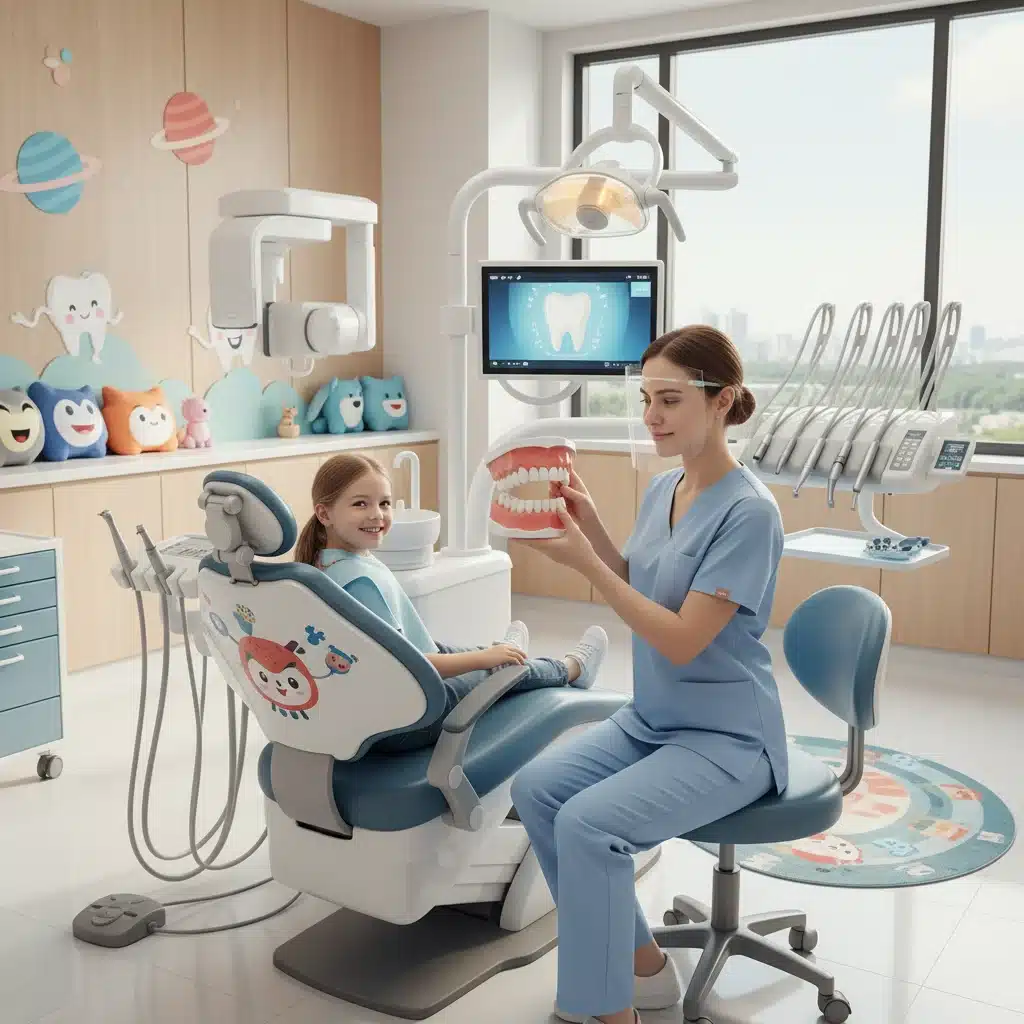
Welcome to an exciting glimpse into the future of pediatric dental care! As we approach 2026, the dental community is buzzing with innovations set to revolutionize how we approach children’s oral health. The primary goal? A significant reduction in childhood cavities – a persistent challenge that affects millions of young lives globally. This comprehensive guide will explore the cutting-edge advancements, preventative strategies, and emerging technologies that promise to make healthier smiles a reality for the next generation.
The Urgent Need for Advanced Pediatric Dental Care
Despite remarkable progress in dental science, childhood tooth decay remains the most common chronic disease among children, outranking asthma and hay fever. This isn’t just about pain and discomfort; untreated cavities can lead to serious health issues, including infections, malnutrition, speech problems, and impaired growth. Moreover, poor oral health in childhood often sets the stage for dental problems in adulthood, creating a lifelong cycle of dental issues.
The economic burden is also substantial, with billions spent annually on treating preventable dental conditions. Recognizing this multifaceted problem, researchers, dentists, and public health officials have intensified their efforts to develop more effective, accessible, and child-friendly preventative measures. The shift in pediatric dental care is not just about treatment; it’s about proactive prevention, early intervention, and empowering families with the knowledge and tools to maintain optimal oral hygiene from an early age.
Understanding the Cavity Crisis in Children
To appreciate the innovations, it’s crucial to understand the root causes of childhood cavities. Dental caries, or cavities, result from a complex interplay of factors:
- Dietary Habits: Frequent consumption of sugary foods and drinks provides fuel for harmful oral bacteria.
- Poor Oral Hygiene: Inadequate brushing and flossing allow plaque to accumulate, leading to acid attacks on tooth enamel.
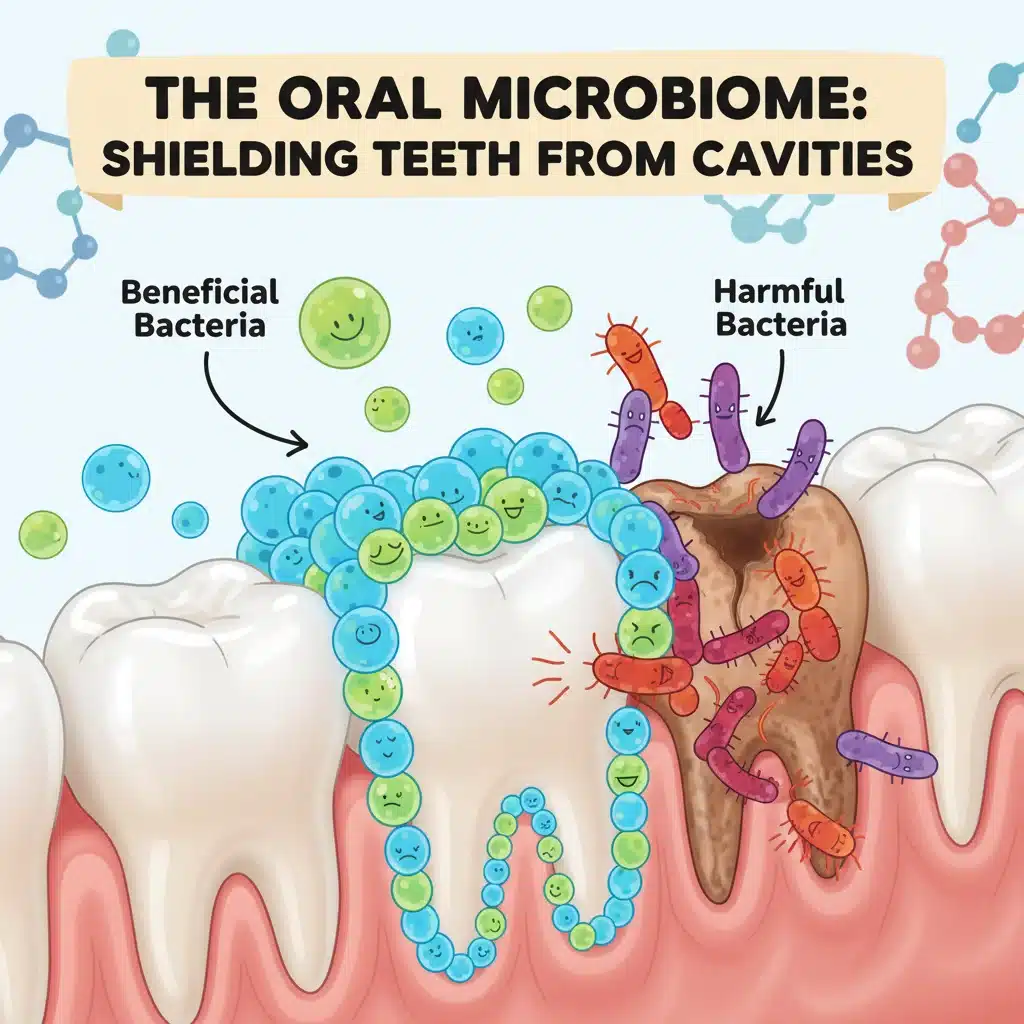
- Bacterial Imbalance: Specific bacteria, primarily Streptococcus mutans, thrive in acidic environments and produce acids that demineralize tooth structure.
- Enamel Susceptibility: Some children naturally have weaker enamel, making them more prone to decay.
- Lack of Fluoride Exposure: Fluoride strengthens enamel and helps remineralize early lesions, but many children don’t receive adequate exposure.
- Limited Access to Dental Care: Socioeconomic factors often limit access to regular dental check-ups and preventative treatments.
The goal for 2026 is to address these factors more comprehensively and effectively, moving beyond traditional methods to embrace a holistic and technologically advanced approach to pediatric dental care.
Breakthroughs in Preventative Pediatric Dental Care for 2026
The next few years promise exciting developments that will reshape preventative pediatric dental care. Here’s a look at some of the most impactful innovations:
1. Enhanced Topical Fluoride Applications and Varnish Technologies
Fluoride has long been the cornerstone of cavity prevention. However, new formulations and application methods are making it even more effective:
- Silver Diamine Fluoride (SDF) Expansion: While not entirely new, SDF’s application is becoming more widespread. SDF can halt the progression of existing cavities and prevent new ones, particularly useful in young children or those with limited access to restorative care. New research is focusing on aesthetic improvements to address the temporary staining it causes.
- Advanced Fluoride Varnishes: Next-generation fluoride varnishes offer improved adhesion to tooth surfaces, longer release times, and higher fluoride concentrations, providing extended protection against acid erosion and demineralization. These are becoming easier for general practitioners to apply, increasing accessibility.
- Fluoride-Releasing Restorations: New composite and glass ionomer restorative materials are being developed that not only fill cavities but also continuously release fluoride into the surrounding tooth structure, offering a dual benefit of repair and prevention.
2. Personalized Oral Microbiome Management
The oral cavity is home to trillions of microorganisms, forming a complex ecosystem known as the oral microbiome. An imbalance in this ecosystem can lead to disease. Future pediatric dental care will increasingly focus on managing this balance:
- Probiotic Therapies: Specific strains of beneficial bacteria are being identified and developed into lozenges, chewing gums, and oral rinses. These probiotics aim to outcompete cavity-causing bacteria, creating a healthier oral environment. Personalized probiotic regimens, based on a child’s unique oral microbiome profile, are on the horizon.
- Prebiotics: These are non-digestible food ingredients that selectively stimulate the growth and activity of beneficial bacteria. Integrating prebiotics into children’s diets or oral care products could help foster a protective microbiome.
- Diagnostic Tools for Microbiome Analysis: Advanced genetic sequencing and diagnostic kits will allow dentists to analyze a child’s oral microbiome, identifying specific bacterial imbalances and tailoring preventative strategies accordingly. This personalized approach is a game-changer for pediatric dental care.
3. Smart Toothbrushes and AI-Powered Oral Hygiene Coaching
Technology is making daily oral hygiene more engaging and effective for children:
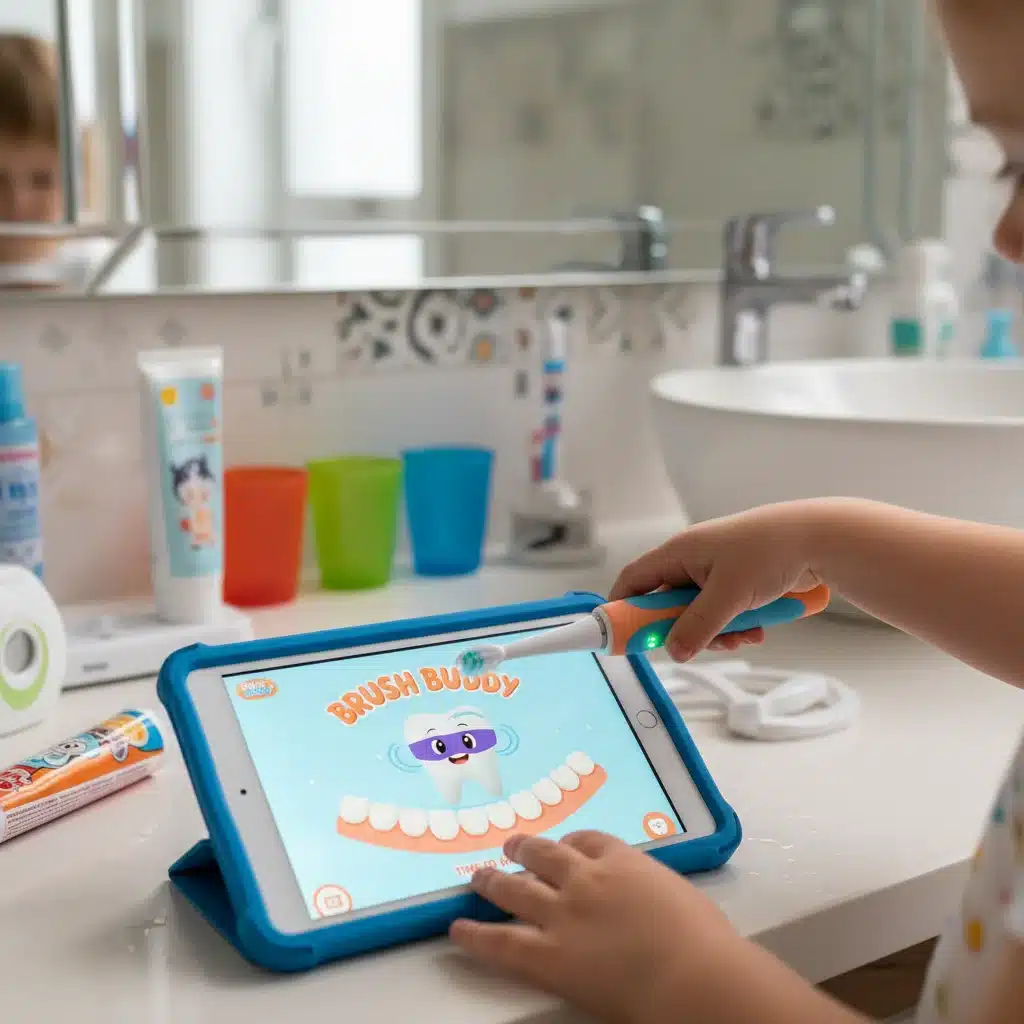
- AI-Powered Brushing Guides: Smart toothbrushes equipped with sensors connect to smartphone apps, providing real-time feedback on brushing technique, pressure, duration, and coverage. AI algorithms analyze this data to offer personalized coaching, making brushing a fun and interactive game for kids.
- Gamified Oral Hygiene: These apps often incorporate gamification elements, rewarding children for consistent and effective brushing, fostering good habits from an early age.
- Teledentistry for Monitoring: Parents can share brushing data with their pediatric dental care provider, allowing for remote monitoring and timely interventions.
4. Advanced Dental Sealants and Bioactive Materials
Dental sealants protect the chewing surfaces of back teeth, where most cavities occur. New developments are making them even better:
- Bioactive Sealants: These sealants not only provide a physical barrier but also release beneficial ions like fluoride, calcium, and phosphate, actively strengthening the enamel and promoting remineralization.
- Improved Adhesion and Durability: Research is leading to sealants with enhanced bond strength and longevity, reducing the need for frequent reapplication.
- Self-Healing Materials: While still in early stages, the concept of self-healing dental materials that can repair microscopic damage to enamel before it becomes a cavity is a promising area for future pediatric dental care.
The Role of Early Intervention and Education in Pediatric Dental Care
Prevention is most effective when it starts early. The future of pediatric dental care places a strong emphasis on educating parents and caregivers, and initiating preventative measures even before a child’s first tooth erupts.
Antenatal and Perinatal Oral Health Education
The journey to a healthy smile begins before birth. Expectant mothers’ oral health directly impacts their child’s future dental health. New initiatives will focus on:
- Maternal Oral Health Programs: Educating pregnant women about the importance of their own oral hygiene, the link between maternal and child oral health, and safe dental treatments during pregnancy.
- Reducing Vertical Transmission: Informing parents about how cavity-causing bacteria can be transmitted from caregiver to child, and strategies to minimize this risk.
Infant Oral Health Programs
The recommendation for a child’s first dental visit by age one or six months after the first tooth erupts is becoming increasingly critical. These early visits are not about drilling and filling, but about:
- Risk Assessment: Identifying factors that put an infant at high risk for cavities.
- Parental Guidance: Providing specific advice on diet, cleaning techniques (e.g., wiping gums, brushing with a tiny smear of fluoridated toothpaste), and pacifier use.
- Anticipatory Guidance: Preparing parents for developmental milestones related to oral health, such as teething and transitioning to solid foods.
Community-Based Preventative Programs
Reaching children in diverse communities requires innovative approaches:
- School-Based Sealant Programs: Expanding access to sealants through school programs, which have proven highly effective in reducing decay rates.
- Mobile Dental Units: Bringing pediatric dental care directly to underserved areas, offering screenings, fluoride treatments, and educational resources.
- Telehealth Consultations: Utilizing virtual platforms for initial consultations, parental guidance, and follow-up appointments, especially for families in rural or remote areas.
Technological Advancements in Detection and Treatment
While prevention is paramount, early and accurate detection of cavities remains vital. New technologies are making this process more precise and less invasive.
1. Advanced Caries Detection Systems
- Fluorescence-Based Diagnostics: Devices that use specific wavelengths of light to detect early demineralization, often before it’s visible to the naked eye or on X-rays. This allows for earlier intervention and non-invasive treatments.
- AI-Enhanced Radiography: Artificial intelligence algorithms can analyze dental X-rays with greater accuracy, identifying subtle signs of decay that might be missed by the human eye, improving diagnostic precision in pediatric dental care.
- Optical Coherence Tomography (OCT): A non-invasive imaging technique that provides high-resolution, cross-sectional images of tooth structure, allowing for detailed assessment of enamel and dentin without radiation.
2. Minimally Invasive Dentistry (MID)
The philosophy of MID is to preserve as much healthy tooth structure as possible. This is particularly important in pediatric dental care where primary teeth still have a long way to go before exfoliation.
- Air Abrasion: A gentle alternative to the dental drill for removing small areas of decay, often without the need for anesthesia.
- Ozone Therapy: Using ozone gas to disinfect and remineralize early carious lesions.
- Resin Infiltration: A technique to treat early white spot lesions by infiltrating them with a resin, preventing further progression without drilling.
- Biomimetic Restorations: Materials and techniques that mimic the natural structure and function of tooth tissue, encouraging the tooth’s natural healing processes.
Challenges and the Path Forward in Pediatric Dental Care
While the outlook for pediatric dental care in 2026 is overwhelmingly positive, several challenges remain. The successful implementation of these innovations requires a concerted effort from all stakeholders.
Addressing Health Disparities
Access to advanced pediatric dental care and preventative technologies must be equitable. Efforts need to be made to ensure that these breakthroughs benefit all children, regardless of their socioeconomic background or geographic location. This involves:
- Policy Changes: Advocating for policies that support universal access to preventative dental services.
- Funding for Community Programs: Securing resources for initiatives that bring care to underserved populations.
- Cultural Competency: Training dental professionals to provide culturally sensitive care that respects diverse backgrounds and beliefs.
Parental Engagement and Education
The success of many preventative strategies hinges on active parental involvement. Continuous education campaigns are crucial to inform parents about:
- Dietary Choices: The impact of sugar and acidic foods on dental health.
- Proper Brushing Techniques: How to effectively clean their child’s teeth from infancy.
- The Importance of Regular Check-ups: Emphasizing that dental visits are for prevention, not just treatment.
- Understanding New Technologies: Explaining the benefits of smart toothbrushes, probiotics, and advanced fluoride treatments.
Integration of Oral Health into General Healthcare
A holistic approach to child health requires integrating oral health into overall medical care. Pediatricians and other healthcare providers can play a vital role in:
- Early Screenings: Conducting basic oral health screenings during well-child visits.
- Fluoride Varnish Application: Applying fluoride varnish in medical settings, especially for very young children who may not yet see a dentist.
- Referrals: Ensuring timely referrals to pediatric dental care professionals.
Research and Development
Continued investment in research is essential to further advance pediatric dental care. This includes:
- Longitudinal Studies: Tracking the long-term effectiveness of new preventative measures.
- Biomaterial Science: Developing even more advanced, biocompatible, and durable dental materials.
- Genetic Research: Exploring genetic predispositions to dental caries and developing targeted interventions.
The Vision for 2026: A 30% Reduction in Cavities
The ambitious goal of reducing childhood cavities by 30% by 2026 is within reach, thanks to the confluence of these exciting developments. This reduction would translate into:
- Less Pain and Suffering: Children experiencing fewer dental emergencies and chronic discomfort.
- Improved Overall Health: Better nutrition, speech development, and reduced risk of systemic infections.
- Enhanced Quality of Life: Children able to eat, speak, and smile with confidence.
- Reduced Healthcare Costs: Shifting resources from expensive treatments to cost-effective prevention.
- A Healthier Future: Laying the groundwork for excellent oral health into adulthood.
Achieving this vision requires collaboration: dental professionals adopting new techniques, parents actively participating in their children’s oral hygiene, policymakers supporting public health initiatives, and researchers continuing to push the boundaries of dental science. The future of pediatric dental care is bright, promising a generation of children with healthier, cavity-free smiles.
Practical Steps for Parents and Caregivers Today
While we look forward to 2026, there are immediate steps parents and caregivers can take to protect their children’s oral health and embrace the spirit of advanced pediatric dental care:
- Start Early: Begin cleaning your baby’s gums even before teeth erupt. Once teeth appear, brush twice daily with a tiny smear (rice grain size) of fluoridated toothpaste for children under three, and a pea-sized amount for ages three to six.
- Schedule First Dental Visit: Take your child to the dentist by their first birthday or within six months of their first tooth erupting.
- Limit Sugary Foods and Drinks: Reduce the frequency of sugary snacks and beverages. Offer water between meals.
- Ensure Fluoride Exposure: Check if your community water is fluoridated. Discuss fluoride supplements or professional fluoride applications with your dentist.
- Consider Sealants: Ask your pediatric dental care provider about dental sealants for your child’s molars once they come in.
- Lead by Example: Practice good oral hygiene yourself, as children often mimic their parents’ habits.
- Stay Informed: Keep abreast of new developments in pediatric dental care and discuss them with your dental professional.
The Power of Consistency
The most advanced technologies and preventative measures are only effective when consistently applied. Establishing a routine of good oral hygiene, regular dental visits, and a healthy diet forms the bedrock of lifelong oral health. As we move towards 2026, the emphasis on consistency, combined with revolutionary advancements, will be the driving force behind achieving a significant reduction in childhood cavities.
Conclusion: A Brighter Future for Pediatric Dental Care
The landscape of pediatric dental care is on the cusp of a transformative era. The innovations emerging by 2026, from personalized microbiome management to AI-powered brushing coaches and advanced bioactive materials, offer unprecedented opportunities to safeguard children’s oral health. The ambitious target of a 30% reduction in cavities is not merely a statistical goal; it represents a commitment to a future where fewer children experience dental pain, where healthy smiles are the norm, and where foundational oral health contributes to overall well-being. By embracing these advancements and fostering a collaborative environment among families, dental professionals, and communities, we can collectively pave the way for a generation with stronger, healthier, and happier smiles.