Preventing Childhood Illnesses 2026: A Parent’s Guide to Reducing Sick Days by 30%
As parents, one of our greatest concerns is the health and well-being of our children. The relentless cycle of sniffles, coughs, and fevers can be exhausting, not only for the little ones but for the entire family. Every sick day means missed school, missed work, and often, a general sense of unease. But what if there was a way to significantly reduce the frequency of these common childhood illnesses? In 2026, with advancements in understanding pediatric health and proactive prevention strategies, it’s more achievable than ever. This comprehensive guide is designed to equip parents with the knowledge and tools to effectively reduce their children’s sick days by up to 30%, focusing on robust childhood illness prevention.
The journey to a healthier childhood begins with understanding the enemy: common illnesses. From the ubiquitous common cold and influenza to more specific infections like strep throat, ear infections, and stomach bugs, children are exposed to a myriad of pathogens in their daily lives. Schools, daycares, and playgrounds, while essential for development, can also be hotbeds for germ transmission. However, by implementing a multi-faceted approach that encompasses hygiene, nutrition, vaccination, and environmental awareness, we can build a formidable defense for our children’s immune systems.
This article delves deep into practical, evidence-based strategies that every parent can adopt. We’ll explore the critical role of handwashing, the power of a balanced diet, the latest on vaccination schedules, and how to create a germ-resistant home environment. Our goal is to empower you with actionable insights that not only reduce illness but also foster a foundation of lifelong health for your children. Get ready to transform your approach to pediatric health and enjoy more vibrant, active days with your little ones.
The Foundation of Health: Mastering Hand Hygiene for Childhood Illness Prevention
It might seem simple, but effective handwashing is arguably the single most impactful strategy in childhood illness prevention. Germs are everywhere, and children, with their exploratory nature, are constantly touching surfaces and then their faces, creating a direct pathway for pathogens to enter their bodies. Teaching and reinforcing proper hand hygiene from an early age can drastically cut down on the transmission of colds, flu, stomach viruses, and many other infectious diseases.
Why Handwashing is So Crucial
Think about a typical day for a child. They touch toys, door handles, school desks, playground equipment, and interact closely with other children. Each interaction can expose them to a host of bacteria and viruses. When these germs are then transferred to their eyes, nose, or mouth, infection can easily occur. Regular and thorough handwashing breaks this chain of transmission. Studies consistently show that proper hand hygiene can reduce respiratory illnesses by 16-21% and diarrheal diseases in children by 30-50%.
Teaching Proper Handwashing Techniques
It’s not just about a quick rinse. Effective handwashing requires a specific technique:
- Wet: Start by wetting hands with clean, running water (warm or cold).
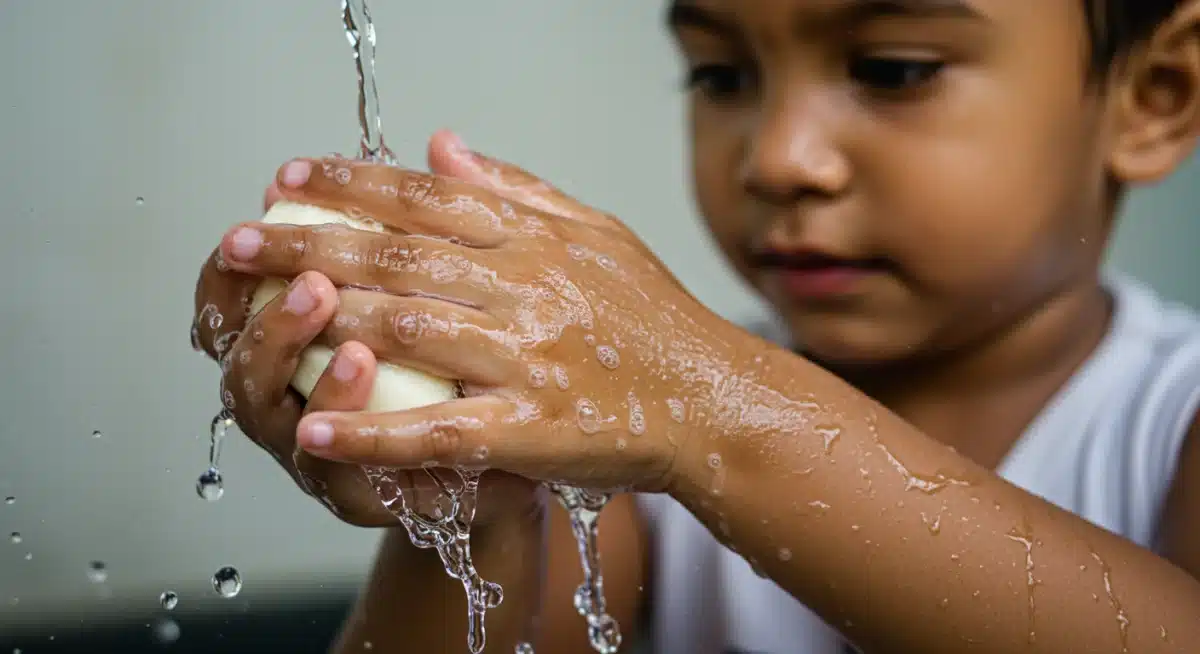
- Lather: Apply soap and lather thoroughly, rubbing hands together. Make sure to get the backs of hands, between fingers, and under nails.
- Scrub: Scrub for at least 20 seconds. A good tip for children is to sing the ‘Happy Birthday’ song twice, or another favorite short song.
- Rinse: Rinse hands well under clean, running water.
- Dry: Dry hands using a clean towel or air dryer.
When to Wash Hands
Establishing a routine is key. Children should wash their hands:
- Before eating or handling food.
- After using the toilet.
- After blowing their nose, coughing, or sneezing.
- After touching animals or pets.
- After playing outdoors.
- Before and after visiting someone who is sick.
- Upon returning home from school, daycare, or any public place.
Hand Sanitizers: A Backup, Not a Replacement
While soap and water are always preferred, alcohol-based hand sanitizers (with at least 60% alcohol) can be a good alternative when soap and water are not readily available. However, they are not as effective at removing all types of germs, especially norovirus or Clostridium difficile, and they don’t remove visible dirt. Teach children to apply a dime-sized amount, rub their hands together until dry, and ensure all surfaces are covered.
By making handwashing a fun and consistent habit, parents can significantly bolster their childhood illness prevention efforts, leading to fewer sick days and a healthier family.
Boosting Immunity Through Nutrition: Fueling Childhood Illness Prevention
A strong immune system is a child’s best defense against illness. And the cornerstone of a robust immune system is good nutrition. What children eat directly impacts their body’s ability to fight off infections. A diet rich in vitamins, minerals, and antioxidants provides the necessary building blocks for immune cells and processes. Conversely, diets high in processed foods, sugar, and unhealthy fats can weaken the immune response, making children more susceptible to illness.
Key Nutrients for Immune Health
- Vitamin C: A powerful antioxidant, Vitamin C is essential for immune cell function. Found in citrus fruits, strawberries, bell peppers, broccoli, and kiwi.
- Vitamin D: Crucial for immune regulation. Sunlight is the primary source, but it’s also found in fortified milk, fatty fish (salmon, tuna), and some fortified cereals. Many children, especially in northern climates or with limited sun exposure, may benefit from supplements, but consult a pediatrician first.
- Zinc: Vital for the development and function of immune cells. Good sources include lean meats, nuts, seeds, beans, and whole grains.
- Probiotics: Healthy gut bacteria play a significant role in immune health. Yogurt with live and active cultures, kefir, and fermented foods can introduce beneficial bacteria.
- Omega-3 Fatty Acids: Possess anti-inflammatory properties that can support immune function. Found in fatty fish, flaxseeds, chia seeds, and walnuts.
- Iron: Essential for oxygen transport and immune cell proliferation. Red meat, poultry, beans, lentils, and fortified cereals are good sources.
Practical Strategies for Healthy Eating
- "Eat the Rainbow": Encourage a wide variety of fruits and vegetables of different colors. Each color often signifies different vitamins and antioxidants.
- Limit Processed Foods and Sugary Drinks: These offer little nutritional value and can contribute to inflammation, hindering immune function.
- Hydration is Key: Water helps transport nutrients, regulate body temperature, and flush out toxins. Encourage water throughout the day.
- Healthy Snacking: Offer nutrient-dense snacks like fruit, vegetable sticks with hummus, nuts, or yogurt instead of sugary treats.
- Involve Children in Meal Prep: Children are more likely to eat what they help prepare. Make it a fun family activity.
By prioritizing a nutrient-rich diet, parents can lay a strong foundation for their children’s immune systems, making childhood illness prevention a delicious and healthy endeavor.

The Shield of Protection: Vaccinations in Childhood Illness Prevention
Vaccinations are one of the most significant public health achievements, offering unparalleled protection against a range of serious and potentially life-threatening diseases. For effective childhood illness prevention, adhering to the recommended immunization schedule is paramount. Vaccines work by introducing a weakened or inactive form of a pathogen, allowing the immune system to build antibodies without the child actually getting sick. This prepares the body to fight off future infections more effectively.
Understanding the Vaccination Schedule
The Centers for Disease Control and Prevention (CDC) and other health organizations provide comprehensive vaccination schedules for children from birth through adolescence. These schedules are carefully developed based on scientific evidence to provide optimal protection at critical developmental stages. Key vaccinations include:
- Measles, Mumps, and Rubella (MMR): Protects against highly contagious viral diseases.
- Diphtheria, Tetanus, and Pertussis (DTaP): Guards against serious bacterial infections, including whooping cough.
- Polio (IPV): Prevents poliomyelitis, a disabling and life-threatening disease.
- Hepatitis A and B: Protects against viral infections of the liver.
- Varicella (Chickenpox): Prevents a common, highly contagious viral rash.
- Human Papillomavirus (HPV): Protects against certain types of cancer.
- Influenza (Flu Shot): Recommended annually for all children six months and older to prevent seasonal flu, which can be severe.
- Pneumococcal (PCV): Protects against bacterial infections that can cause pneumonia, meningitis, and ear infections.
- Rotavirus: Prevents severe diarrhea and vomiting in infants.
Addressing Vaccine Concerns
It’s natural for parents to have questions about vaccines. Reputable sources like the CDC, the American Academy of Pediatrics (AAP), and your child’s pediatrician are the best places to find accurate, evidence-based information. Discuss any concerns you have with your healthcare provider. The overwhelming scientific consensus is that vaccines are safe and effective, and the benefits far outweigh the minimal risks. Widespread vaccination not only protects the vaccinated child but also contributes to "herd immunity," safeguarding those who are too young or medically unable to be vaccinated.
Keeping up-to-date with vaccinations is a critical, proactive step in ensuring robust childhood illness prevention and protecting the health of your family and community.
Creating a Germ-Resistant Environment: Home and Beyond
While personal hygiene and nutrition are vital, the environment in which children live and play also significantly impacts their susceptibility to illness. Creating a clean, healthy, and germ-resistant environment is another cornerstone of effective childhood illness prevention.
At Home: A Sanctuary from Germs
- Regular Cleaning and Disinfecting: Focus on high-touch surfaces like doorknobs, light switches, remote controls, countertops, and toys. Use appropriate cleaning agents and disinfectants regularly, especially during cold and flu season.
- Ventilation: Open windows periodically to allow fresh air to circulate, reducing the concentration of airborne germs.
- Managing Sick Family Members: If someone in the household is sick, implement stricter hygiene measures. Isolate them if possible, ensure they use separate towels, and disinfect shared spaces more frequently.
- Laundry Care: Wash bedding, towels, and clothing regularly, especially if someone has been sick.
- Pet Hygiene: Ensure pets are clean and vaccinated, and teach children to wash hands after playing with animals.
In Public Spaces: Navigating Germ Hotspots
- Public Transportation and Stores: Encourage children to avoid touching their faces, and use hand sanitizer after touching communal surfaces.
- Schools and Daycares: Inquire about their cleaning protocols and illness policies. Ensure your child understands the importance of not sharing personal items like hats, combs, or water bottles.
- Playgrounds: While outdoor play is beneficial, remember that playground equipment can harbor germs. Encourage handwashing or sanitizing after playtime.
Reducing Exposure to Environmental Toxins
Beyond germs, exposure to certain environmental toxins can also impact a child’s immune system. Minimize exposure to:
- Secondhand Smoke: A major irritant and immune suppressor. Ensure your home and car are smoke-free.
- Indoor Air Pollutants: Use air purifiers if necessary, and ensure good ventilation to reduce allergens, mold, and chemical fumes from cleaning products.
By being mindful of their surroundings and taking proactive steps to maintain cleanliness, parents can significantly enhance their childhood illness prevention strategies, providing a safer and healthier environment for their children.
The Power of Rest and Stress Management for Immunity
In our fast-paced world, it’s easy to overlook the fundamental importance of adequate sleep and stress management, not just for adults, but especially for children. These two factors play a critical, often underestimated, role in childhood illness prevention by directly influencing immune system function.
Sleep: The Immune System’s Recharge Time
During sleep, the body produces and releases cytokines, proteins that target infection and inflammation, effectively creating an immune response. Lack of sleep can decrease the production of these protective cytokines and infection-fighting antibodies. Children, particularly, need substantial amounts of sleep for their growth, development, and immune health. The recommended sleep durations vary by age:
- Infants (4-12 months): 12-16 hours (including naps)
- Toddlers (1-2 years): 11-14 hours (including naps)
- Preschoolers (3-5 years): 10-13 hours (including naps)
- School-aged children (6-12 years): 9-12 hours
- Teenagers (13-18 years): 8-10 hours
Tips for Promoting Healthy Sleep:
- Consistent Sleep Schedule: Go to bed and wake up around the same time every day, even on weekends.
- Relaxing Bedtime Routine: A warm bath, reading a book, or quiet play can signal to the body that it’s time to wind down.
- Optimal Sleep Environment: Ensure the bedroom is dark, quiet, and cool.
- Limit Screen Time: Avoid screens (phones, tablets, TVs) at least an hour before bedtime, as the blue light can disrupt melatonin production.
- Avoid Caffeine and Heavy Meals: Especially in the hours leading up to bedtime.
Stress Management: A Quiet Immune Suppressor
While we often think of stress as an adult problem, children experience stress too, from academic pressures to social dynamics and family changes. Chronic stress can suppress the immune system, making children more vulnerable to illness. When the body is under stress, it releases hormones like cortisol, which, in excess, can reduce the effectiveness of the immune response.
Helping Children Manage Stress:
- Open Communication: Encourage children to talk about their feelings and concerns.
- Healthy Outlets: Promote physical activity, creative play, or hobbies as ways to release tension.
- Mindfulness and Relaxation Techniques: Simple breathing exercises or guided meditations can be beneficial for older children.
- Limit Over-scheduling: Ensure children have downtime and aren’t constantly rushing from one activity to another.
- Model Calm Behavior: Children often mirror their parents’ coping mechanisms.
By prioritizing sufficient rest and teaching healthy coping mechanisms for stress, parents can significantly strengthen their children’s immune systems, making these often-overlooked aspects powerful tools in childhood illness prevention.
When to Seek Medical Attention and Managing Minor Illnesses
Despite the best childhood illness prevention strategies, children will inevitably get sick from time to time. Knowing when to manage symptoms at home and when to seek professional medical advice is crucial for their well-being and for preventing minor ailments from escalating.
Managing Minor Illnesses at Home
For common colds, mild fevers, and minor stomach upsets, supportive care at home is often sufficient:
- Rest: Encourage plenty of rest to allow the body to recover.
- Hydration: Offer clear fluids like water, electrolyte solutions, or diluted juice to prevent dehydration, especially with fever or vomiting.
- Fever Reduction: For discomfort due to fever, acetaminophen (Tylenol) or ibuprofen (Advil, Motrin) can be used according to age and weight guidelines. Always consult your pediatrician for proper dosing. Never give aspirin to children due to the risk of Reye’s syndrome.
- Symptom Relief: Saline nasal drops or a humidifier can help with congestion. A spoonful of honey (for children over 1 year) can soothe a cough.
- Comfort: Provide comfort and reassurance.
When to Call the Doctor or Seek Emergency Care
It’s important to recognize warning signs that indicate a need for professional medical attention. Always contact your pediatrician if your child exhibits any of the following:
- High Fever: For infants under 3 months, any fever (rectal temperature over 100.4°F or 38°C) warrants immediate medical attention. For older children, a fever over 103°F (39.4°C) or a fever that lasts more than 2-3 days.
- Difficulty Breathing: Rapid breathing, wheezing, shortness of breath, or retractions (skin pulling in between ribs or at the neck).
- Severe Pain: Unexplained severe headache, earache, sore throat, or abdominal pain.
- Persistent Vomiting or Diarrhea: Especially if it leads to signs of dehydration (dry mouth, decreased urination, lethargy, no tears).
- Rash with Fever: Some rashes, especially when accompanied by fever, can indicate serious infections.
- Extreme Lethargy or Irritability: If your child is unusually sleepy, difficult to wake, or inconsolably irritable.
- Stiff Neck, Sensitivity to Light: Could be signs of meningitis.
- Seizure: Seek immediate emergency care.
- Signs of Allergic Reaction: Swelling of the face or throat, hives, difficulty breathing.
- Any other concerns: Trust your parental instincts. If something feels wrong, it’s always best to consult a healthcare professional.
Having a good relationship with your pediatrician and knowing when to reach out is a vital part of comprehensive childhood illness prevention and management. Don’t hesitate to call if you are unsure or worried.
Conclusion: A Healthier Future for Our Children
The goal of reducing common childhood illnesses by up to 30% in 2026 is an ambitious yet entirely achievable one for parents dedicated to their children’s well-being. By embracing a holistic approach to childhood illness prevention, we can significantly improve our children’s health, reduce disruption to family life, and foster an environment where they can thrive.
We’ve explored the multi-faceted strategies that form the bedrock of this prevention plan: meticulous hand hygiene, a nutrient-dense diet that fuels a strong immune system, timely vaccinations that offer a powerful shield against severe diseases, the creation of germ-resistant home and public environments, and the often-underestimated importance of adequate rest and effective stress management. Each of these components plays a crucial role, and together, they form a robust defense against the myriad of pathogens children encounter daily.
Remember, consistency is key. Integrating these practices into daily routines will not only make them second nature for your children but will also model healthy habits that will benefit them throughout their lives. Educate your children about why these practices are important, involve them in the process, and make health a family priority. Celebrate small victories, like a week with no sniffles, or a child proudly demonstrating proper handwashing.
While no strategy can completely eliminate every illness, by diligently applying the principles outlined in this guide, you are actively taking steps to build a stronger, more resilient immune system for your child. You are reducing their exposure to germs, empowering their bodies to fight off infections more effectively, and ultimately, ensuring they spend more time learning, playing, and simply being happy, healthy children. Here’s to fewer sick days and a brighter, healthier future for your entire family in 2026 and beyond!