Screen Time Impact: Family Health & Sleep Quality 2026
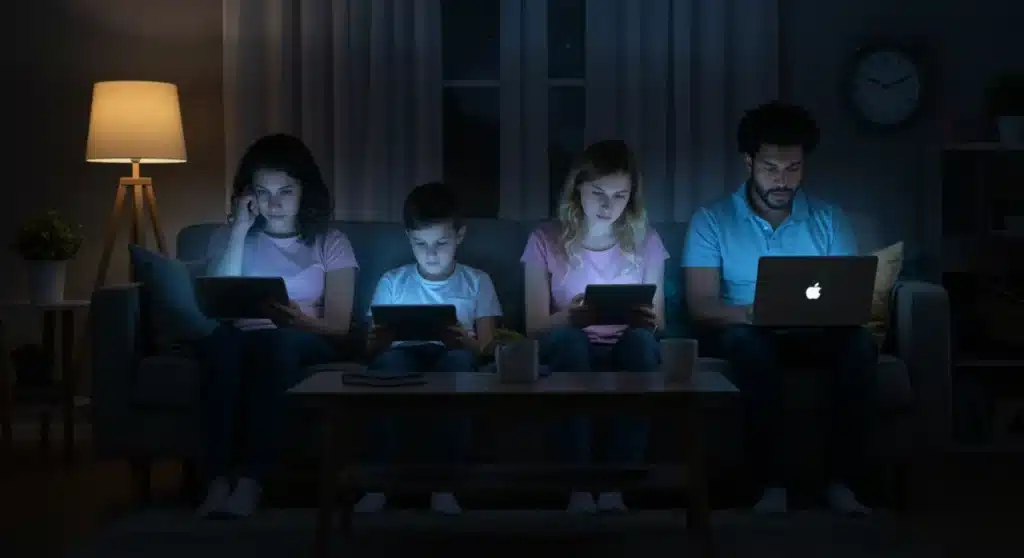
The Profound Screen Time Impact on Family Health and Sleep Quality by 2026: Practical Solutions to Limit Exposure and Improve Sleep Quality by 20%
In our increasingly digital world, screens have become ubiquitous, permeating every aspect of our lives from work and education to entertainment and social connection. While offering undeniable benefits, the escalating presence of digital devices also raises significant concerns, particularly regarding their long-term effects on family health and sleep quality. As we look towards 2026, understanding the nuanced screen time impact is more critical than ever. This comprehensive guide delves into the challenges posed by excessive screen exposure and provides actionable, practical solutions designed to help families limit their digital footprint and improve sleep quality by a significant 20%.
The average individual now spends several hours a day interacting with screens, a figure that has only been exacerbated by recent global shifts towards remote work and online learning. For families, this translates into a complex landscape where children and adults alike are constantly tethered to smartphones, tablets, computers, and televisions. While the convenience and connectivity are undeniable, the hidden costs are beginning to surface, impacting everything from cognitive development and mental health to physical well-being and, crucially, sleep patterns. Our goal is to equip you with the knowledge and tools to navigate this digital age responsibly, fostering healthier habits that will benefit your family for years to come.
Understanding the Current Landscape of Screen Time Impact on Families
Before we delve into solutions, it’s essential to grasp the current realities of screen time within family units. Research consistently shows a rising trend in screen usage across all age groups. Children, in particular, are exposed to screens at increasingly younger ages, often exceeding recommended guidelines. This early and prolonged exposure sets a precedent for habits that can be challenging to break later in life. Parents, too, are caught in this digital web, often juggling work demands, social connections, and personal entertainment on their devices, inadvertently modeling similar behaviors for their children.
The sheer volume of content available, from educational apps to captivating video games and endless social media feeds, makes it difficult for both children and adults to disengage. This constant stimulation creates a cycle where the brain becomes accustomed to high levels of engagement, making it harder to relax and unwind when screens are removed. This heightened state of arousal is a primary contributor to the negative screen time impact on sleep quality, a critical area we will explore in detail.
Moreover, the types of content consumed play a significant role. Passive consumption, such as watching videos, differs from interactive engagement, like video calls or educational games. While some forms of screen time can be beneficial for learning and connection, the majority of recreational screen use often involves passive viewing or highly stimulating activities that can overstimulate the brain, especially before bedtime. Understanding these distinctions is the first step in formulating effective strategies to mitigate the negative screen time impact.
Physical Health Repercussions of Excessive Screen Time
The physical health implications of excessive screen time are multi-faceted and concerning. Sedentary behavior, a direct consequence of prolonged screen use, contributes to a rise in childhood obesity rates and associated health issues such as type 2 diabetes and cardiovascular problems. When children and adults spend hours glued to screens, they are not engaging in physical activity, which is vital for healthy development and maintaining a healthy weight. This lack of movement has a significant screen time impact on overall physical well-being.
Beyond obesity, ocular health is another major concern. Staring at screens for extended periods can lead to digital eye strain, characterized by symptoms like dry eyes, blurred vision, headaches, and neck and shoulder pain. The blue light emitted by screens is particularly implicated in these issues, and its effects extend beyond eye strain, influencing circadian rhythms, which we will discuss further in relation to sleep. Musculoskeletal problems, such as poor posture and repetitive strain injuries, are also becoming more prevalent due to the way individuals position themselves while using devices.
Furthermore, the increased use of screens often displaces other healthy habits. Time spent outdoors, engaging in creative play, or participating in sports diminishes, leading to a reduction in exposure to natural light and physical exercise, both of which are crucial for physical and mental health. The long-term consequences of these trends, if left unaddressed, could contribute to a generation with higher rates of chronic health conditions by 2026 and beyond.
Mental and Emotional Well-being: A Growing Concern
The mental and emotional screen time impact is perhaps one of the most complex and widely discussed areas. While digital platforms can offer avenues for connection and information, excessive use, particularly of social media, has been linked to increased rates of anxiety, depression, and feelings of inadequacy, especially among adolescents. The curated, often unrealistic, portrayals of life on social media can foster comparison and diminish self-esteem, leading to a negative feedback loop.
For younger children, too much screen time can interfere with the development of crucial social-emotional skills. Face-to-face interactions are vital for learning non-verbal cues, empathy, and conflict resolution. When these interactions are replaced by digital engagement, children may struggle to develop these foundational skills, potentially impacting their relationships and emotional regulation as they grow. The immediate gratification offered by many digital platforms can also diminish patience and the ability to cope with boredom or frustration.
Moreover, the constant notification alerts and the pressure to be ‘always on’ can contribute to a state of chronic stress and overwhelm. This digital overload can make it difficult for individuals to disconnect and truly relax, perpetuating a cycle of mental fatigue. Addressing this mental and emotional screen time impact requires a conscious effort to create boundaries and foster a healthier relationship with technology.
The Critical Link: Screen Time Impact on Sleep Quality
One of the most significant and often overlooked consequences of excessive screen time is its detrimental effect on sleep quality. Sleep is fundamental for physical restoration, cognitive function, and emotional regulation. When sleep is compromised, all other aspects of health suffer. The screen time impact on sleep is multifaceted, primarily involving two key mechanisms: blue light emission and mental stimulation.
Blue Light and Circadian Rhythms
Digital screens emit blue light, a specific wavelength of light that is naturally abundant during daylight hours. Blue light plays a crucial role in regulating our circadian rhythm, the body’s internal clock that dictates our sleep-wake cycle. Exposure to blue light during the day helps us stay alert and focused. However, when we are exposed to blue light in the evening, particularly in the hours leading up to bedtime, it sends a powerful signal to our brain that it is still daytime. This signal can suppress the production of melatonin, the hormone responsible for inducing sleepiness.
Even small amounts of blue light exposure in the evening can significantly delay the onset of sleep and reduce the quality of sleep. For children, whose brains are still developing and whose circadian rhythms are particularly sensitive, this effect can be even more pronounced. The disruption to melatonin production means it takes longer to fall asleep, and the sleep obtained may be less restorative, leading to daytime fatigue, irritability, and decreased cognitive performance. This direct screen time impact on melatonin is a primary driver of sleep problems in the digital age.
Mental Stimulation and Sleep Onset
Beyond blue light, the content consumed on screens itself can be highly stimulating, making it difficult for the brain to wind down before sleep. Engaging with fast-paced video games, emotionally charged social media content, thrilling movies, or even work-related emails can keep the brain in an active, alert state. This mental arousal, combined with the blue light effect, creates a perfect storm for sleep disruption.
When the brain is actively processing information, solving problems, or experiencing heightened emotions, it is not in the relaxed state necessary for sleep onset. This is particularly true for children and adolescents, who may find it challenging to transition from highly stimulating digital activities to a calm bedtime routine. The constant flow of information and the fear of missing out (FOMO) can also contribute to a restless mind, making it harder to achieve the mental quietude required for deep, restorative sleep. Addressing this mental stimulation is key to mitigating the negative screen time impact on sleep.
Projecting to 2026: The Future of Screen Time Impact
Looking ahead to 2026, it’s clear that screen time will continue to be an integral part of our lives. The trend towards increased digital integration in education, work, and social spheres is unlikely to reverse. Therefore, the challenge is not to eliminate screens entirely, but to develop sustainable strategies for healthy digital engagement. If current trends continue unchecked, we can anticipate a further exacerbation of the negative screen time impact on family health and sleep quality. We might see higher rates of digital eye strain, musculoskeletal issues, and mental health challenges such as anxiety and depression directly linked to screen overuse.
Moreover, the long-term effects of chronic sleep deprivation, a direct consequence of poor sleep hygiene due to excessive screen time, could become more pronounced. This includes increased risks for chronic diseases, impaired immune function, and significant impacts on cognitive development and academic performance in children. The gap between those who manage screen time effectively and those who don’t could widen, creating further societal disparities in health and well-being. Proactive measures are essential to steer this trajectory in a positive direction.
However, 2026 also presents an opportunity. With increased awareness, technological advancements (e.g., better blue light filtering, adaptive screen technologies), and a greater understanding of digital well-being, families can be empowered to make informed choices. The goal of improving sleep quality by 20% is ambitious but achievable, requiring a concerted effort from individuals, families, educators, and even technology developers to foster healthier digital habits. The focus must shift from mere consumption to mindful and purposeful engagement.
Practical Solutions to Limit Screen Exposure and Improve Sleep Quality by 20%
Achieving a 20% improvement in sleep quality and significantly reducing the negative screen time impact requires a multi-pronged approach. These solutions are practical, adaptable, and designed to integrate seamlessly into family life, promoting a healthier relationship with technology.
1. Establish Clear Screen Time Boundaries and Rules
The first step is to create explicit rules regarding screen time for all family members. This isn’t just for children; adults also benefit from setting boundaries. These rules should cover:
- Time Limits: Decide on a reasonable daily or weekly limit for recreational screen time. For younger children, this might be 1-2 hours; for adolescents, it could be more, but still with clear cut-off points.
- Screen-Free Zones: Designate certain areas of the home as screen-free, such as the dining table, bedrooms, and perhaps even the car during family outings. This encourages face-to-face interaction and reduces constant digital presence.
- Content Restrictions: Discuss and agree upon age-appropriate content. Utilize parental controls and monitor what children are accessing.
- Consistent Enforcement: Consistency is key. All caregivers should be on the same page regarding rules and consequences for non-compliance.
Implementing these boundaries helps to reduce overall screen exposure, laying the groundwork for mitigating the screen time impact on daily life.
2. Implement a Digital Sunset Before Bedtime
This is perhaps the most crucial strategy for improving sleep quality. Aim for at least 60-90 minutes of screen-free time before bed for everyone in the family. During this period, all digital devices – phones, tablets, laptops, and even televisions – should be turned off and ideally kept out of the bedroom. This practice:
- Reduces Blue Light Exposure: Allows the body to naturally produce melatonin, facilitating sleep onset.
- Promotes Mental Wind-Down: Gives the brain time to decompress from stimulating content, transitioning into a more relaxed state.
- Encourages Alternative Activities: Opens up opportunities for calming bedtime routines like reading physical books, listening to quiet music, taking a warm bath, or engaging in gentle conversation.
Making the bedroom a screen-free sanctuary is a powerful step towards a 20% improvement in sleep quality. Consider investing in traditional alarm clocks to avoid using phones as a wake-up device in the bedroom.
3. Model Healthy Digital Habits as Parents
Children are keen observers, and parental behavior significantly influences their own habits. To effectively reduce the screen time impact, parents must lead by example:
- Put Your Phone Away: During family meals, conversations, or playtime, consciously put your phone away and give your full attention.
- Observe Your Own Screen Time: Be mindful of your own digital consumption. Are you constantly checking notifications? Are you using devices late into the evening? Adjusting your habits can inspire your children.
- Talk About Digital Well-being: Have open conversations with your children about healthy screen use, the benefits of unplugging, and the potential pitfalls of excessive digital engagement.
Authentic modeling is far more effective than simply dictating rules, creating a positive family culture around technology use. This collective effort enhances the overall screen time impact strategy.
4. Prioritize Offline Activities and Hobbies
To reduce screen time, it’s essential to fill the void with engaging and enriching offline activities. Encourage and facilitate:
- Outdoor Play: Promote activities like cycling, hiking, playing in the park, or simply spending time in nature.
- Creative Pursuits: Encourage drawing, painting, playing musical instruments, writing, or crafting.
- Reading: Foster a love for reading physical books. Make regular trips to the library a family event.
- Family Time: Dedicate time for board games, puzzles, cooking together, or family walks.
By providing appealing alternatives, families can naturally reduce their reliance on screens and foster a more balanced lifestyle. This diversification of activities naturally lessens the negative screen time impact.
5. Optimize Screen Settings and Environments
While reducing screen time is paramount, when screens are used, optimize their settings to minimize negative effects:
- Blue Light Filters: Utilize night mode or blue light filtering apps on devices, especially in the evening. Many devices now have built-in options that shift screen colors to warmer tones.
- Screen Brightness: Reduce screen brightness, particularly in dimly lit environments, to lessen eye strain.
- Ergonomics: Ensure proper posture and viewing distances to prevent musculoskeletal issues and digital eye strain. The 20-20-20 rule (every 20 minutes, look at something 20 feet away for 20 seconds) can help reduce eye fatigue.
- Ambient Lighting: Use screens in well-lit rooms to reduce contrast and eye strain.
These adjustments can help mitigate some of the physical screen time impact when device use is unavoidable.
6. Create a Family Media Plan
A family media plan is a personalized strategy that outlines how your family will use media and technology. It’s a dynamic document that can evolve as children grow. Key elements include:
- Goals: What are your family’s goals for media use? (e.g., learning, connection, entertainment).
- Rules: Specific rules for screen time, content, and device usage.
- Consequences & Rewards: What happens when rules are broken or followed?
- Review Schedule: Plan to revisit and adjust the plan regularly (e.g., quarterly or annually).
Resources like the American Academy of Pediatrics offer templates for creating family media plans. This collaborative approach ensures everyone has a voice and buys into the strategy for managing the screen time impact.
Measuring Progress and Sustaining Changes
To truly achieve a 20% improvement in sleep quality and a reduced negative screen time impact, it’s helpful to measure progress. This doesn’t mean becoming obsessive, but rather being mindful of changes.
- Sleep Tracking: While not advocating for more screens, some simple sleep tracking apps (used briefly in the morning) or even a sleep journal can help identify patterns and improvements in sleep duration and quality.
- Behavioral Observations: Notice changes in family dynamics, children’s moods, and overall energy levels. Are there fewer arguments about devices? Is everyone more engaged during family time?
- Regular Check-ins: Hold family meetings to discuss what’s working, what’s challenging, and what adjustments need to be made. This fosters a sense of shared responsibility.
Sustaining these changes requires ongoing commitment and flexibility. Life happens, and there will be times when screen rules are bent. The key is to get back on track quickly and consistently reinforce the healthier habits. The long-term benefits to family health and sleep quality are well worth the effort.
Conclusion: A Balanced Digital Future by 2026
The screen time impact on family health and sleep quality is a pressing issue that demands our attention. By 2026, families have the opportunity to redefine their relationship with technology, moving towards a more balanced and mindful approach. The strategies outlined – establishing clear boundaries, implementing digital sunsets, modeling healthy habits, prioritizing offline activities, optimizing screen settings, and creating a family media plan – provide a robust framework for achieving this goal.
The aspiration to improve sleep quality by 20% is not just a numerical target; it represents a commitment to enhanced well-being, improved cognitive function, stronger family bonds, and a healthier lifestyle for everyone. It’s about reclaiming precious hours of rest and fostering an environment where physical, mental, and emotional health can thrive, unhindered by excessive digital noise.
Embracing these practical solutions requires effort, patience, and consistency. However, the rewards – a family that is more connected, better rested, and healthier both physically and mentally – are immeasurable. Let’s work towards a future where technology serves us, rather than dominates us, ensuring that the screen time impact on our families is overwhelmingly positive by 2026 and beyond.