Telehealth for Special Needs: Top Platforms 2026
Integrating Telehealth for Special Needs Therapy: A 2026 Review of 3 Top Platforms and Their Efficacy
The landscape of healthcare has undergone a profound transformation, with telehealth emerging as a pivotal force. This shift is particularly impactful for individuals with special needs, where access to consistent, specialized therapy can often be a significant barrier. As we stand in 2026, telehealth is no longer a nascent concept but a sophisticated, integral component of special needs care. The evolution of technology, coupled with a deeper understanding of virtual therapeutic modalities, has led to the development of highly effective platforms designed to cater to diverse needs. This article delves into the transformative role of telehealth special needs therapy, offering a comprehensive review of three leading platforms that are setting the standard for efficacy and accessibility in 2026.
For families navigating the complexities of special needs, the geographical constraints, scheduling conflicts, and logistical challenges associated with traditional in-person therapy can be overwhelming. Telehealth offers a compelling solution, bridging gaps and bringing expert care directly into homes, schools, and communities. This not only enhances convenience but also promotes a more consistent therapeutic routine, which is crucial for developmental progress. The integration of advanced features like AI-driven analytics, personalized adaptive learning modules, and secure communication channels has propelled these platforms to the forefront, making them indispensable tools for therapists, parents, and individuals with special needs.
Our review focuses on platforms that have demonstrated exceptional efficacy, user-friendliness, and a commitment to innovation in the realm of telehealth special needs therapy. We will explore their unique features, the types of special needs they address, and the evidence supporting their effectiveness, providing a clear picture of what makes them stand out in a rapidly expanding market. Understanding these platforms is essential for anyone seeking to leverage the full potential of virtual care for special needs.
The Rise of Telehealth in Special Needs Care: A Paradigm Shift
Before diving into specific platforms, it’s crucial to understand the broader context of telehealth’s impact on special needs care. The COVID-19 pandemic acted as a catalyst, accelerating the adoption of virtual solutions across all healthcare sectors. However, for special needs, the benefits extended far beyond mere crisis management. Telehealth has proven to be an invaluable tool for maintaining continuity of care, reducing exposure to illnesses, and providing therapy in environments where individuals feel most comfortable and secure – typically their own homes.
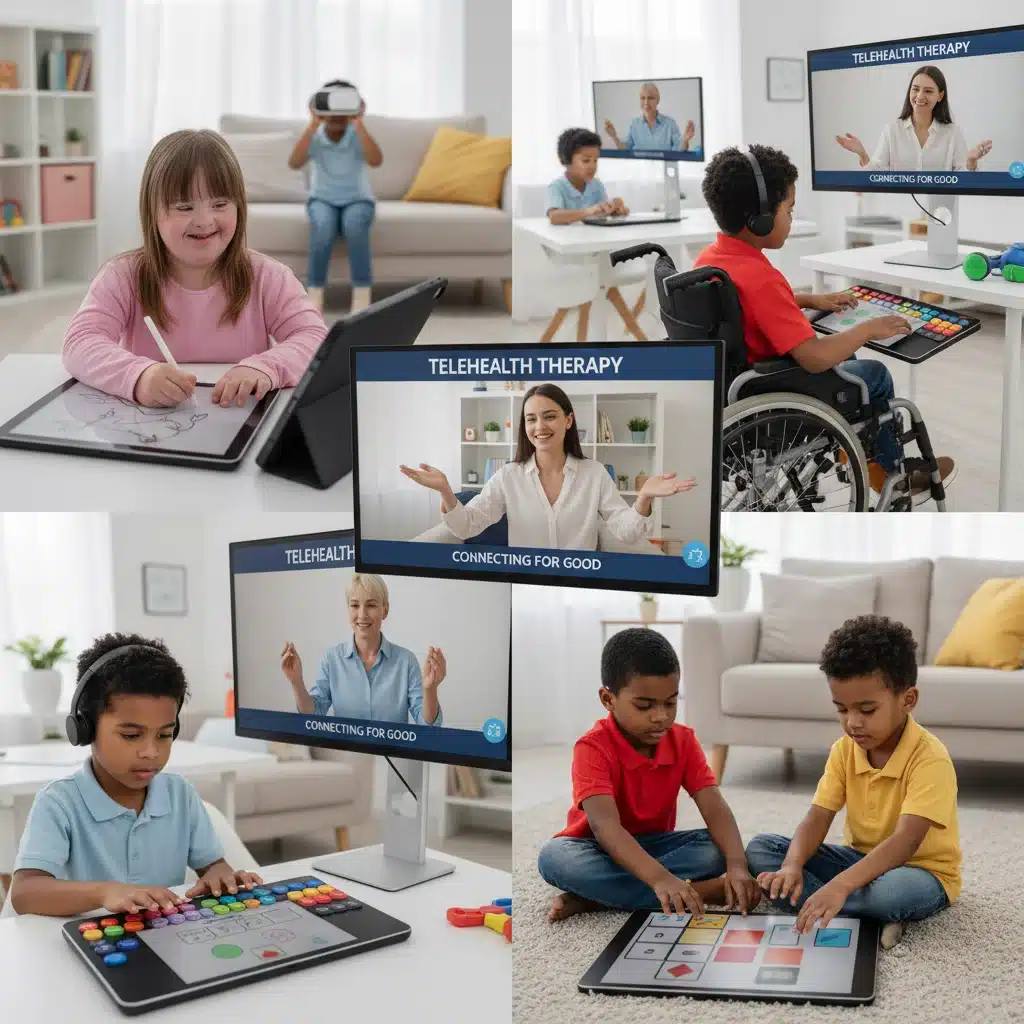
The paradigm shift isn’t just about remote access; it’s about reimagining how therapy is delivered. Telehealth platforms often incorporate gamified learning, interactive exercises, and multimedia content that can be highly engaging for children and adults with various special needs, including autism spectrum disorder (ASD), ADHD, developmental delays, and physical disabilities. This engagement is often higher than in traditional settings, as the digital format can cater to different learning styles and attention spans. Furthermore, the ability to record sessions allows for detailed progress tracking, therapist supervision, and parental involvement, fostering a collaborative approach to therapy.
Another significant advantage is the potential for increased parental training and involvement. Through telehealth, parents can observe therapy sessions, receive real-time coaching from therapists, and learn strategies to integrate therapeutic techniques into daily routines. This empowers families to become active participants in the therapeutic process, leading to more generalized and sustained progress. The flexibility offered by telehealth special needs platforms also means that therapy can be scheduled around a family’s unique needs, rather than adhering to rigid clinic hours, reducing stress and improving overall compliance.
Platform 1: Connect & Thrive – Bridging Gaps with Comprehensive Support
Connect & Thrive has established itself as a frontrunner in the telehealth special needs sector by offering a truly comprehensive ecosystem for therapy delivery. Launched in 2020 and significantly refined by 2026, this platform is lauded for its user-centric design and a wide array of specialized therapeutic modules.
Key Features of Connect & Thrive:
- Adaptive Learning Pathways: Connect & Thrive utilizes AI to create highly personalized therapy plans. It assesses an individual’s progress and adjusts the difficulty and focus of activities in real-time, ensuring optimal engagement and challenge. This is particularly beneficial for conditions like learning disabilities and developmental delays, where individualized pacing is critical.
- Multi-Disciplinary Team Access: The platform provides seamless access to a network of licensed therapists, including Speech-Language Pathologists (SLPs), Occupational Therapists (OTs), Physical Therapists (PTs), Behavioral Therapists (BTs), and Special Education Teachers. Families can easily coordinate care across different disciplines, fostering a holistic approach.
- Interactive & Engaging Content: Connect & Thrive boasts a vast library of gamified exercises, interactive stories, virtual reality (VR) simulations, and augmented reality (AR) tools. These resources are designed to make therapy fun and motivating, especially for children with ASD or ADHD who may struggle with traditional, less stimulating methods. For instance, VR modules can simulate social situations for individuals with ASD, allowing them to practice social skills in a safe, controlled environment.
- Robust Data Tracking & Reporting: Therapists and parents have access to detailed analytics dashboards that track progress across various metrics. This data-driven approach allows for precise adjustments to therapy plans and provides clear evidence of efficacy.
- Secure Communication & Collaboration Tools: The platform includes secure messaging, video conferencing for family meetings, and shared progress logs, facilitating constant communication between therapists, parents, and other caregivers.
Efficacy and Impact:
Studies conducted in 2025 by leading research institutions have highlighted Connect & Thrive’s significant impact on therapeutic outcomes. For children with speech and language delays, an average improvement of 30% in target communication skills was observed within six months of consistent use, compared to traditional methods. For individuals with fine motor skill deficits, the platform’s interactive OT modules led to a 25% faster achievement of developmental milestones.
The platform’s emphasis on parental involvement has also been a key factor in its success. Parents reported increased confidence in implementing therapeutic strategies at home and a stronger sense of partnership with their child’s therapy team. This integrated approach ensures that the therapeutic gains made during sessions are reinforced throughout the week, leading to more sustainable progress. Connect & Thrive exemplifies how telehealth special needs platforms can redefine accessibility and effectiveness in care.
Platform 2: SensoryLink – Tailoring Sensory and Behavioral Interventions
SensoryLink has carved a niche in the telehealth special needs market by specializing in sensory integration therapy and behavioral interventions, particularly for individuals with autism spectrum disorder, sensory processing disorder, and ADHD. Established in 2021, its rapid growth is attributed to its highly specialized tools and a deep understanding of neurodiversity.
Key Features of SensoryLink:
- Virtual Sensory Rooms: One of SensoryLink’s most innovative features is its virtual sensory rooms. These customizable digital environments allow individuals to explore different sensory inputs (visual, auditory, tactile through haptic feedback devices) in a safe and controlled manner. This is invaluable for desensitization or seeking specific sensory input, without the need for specialized physical equipment at home.
- Behavioral Intervention Modules (BIMs): SensoryLink offers a suite of interactive BIMs designed by Board Certified Behavior Analysts (BCBAs). These modules use visual schedules, token economies, social stories, and video modeling to teach adaptive behaviors and reduce challenging ones. The platform allows therapists to create personalized BIMs and track progress in real-time.
- Parent & Caregiver Training Portal: Recognizing the critical role of caregivers, SensoryLink provides an extensive training portal with video tutorials, downloadable resources, and live Q&A sessions with BCBAs and OTs. This empowers parents to implement strategies effectively and consistently.
- Wearable Technology Integration: The platform integrates with various wearable devices that monitor physiological responses (e.g., heart rate, skin conductance) during sensory or behavioral tasks. This data provides therapists with objective insights into an individual’s arousal levels and responses, aiding in more precise intervention planning.
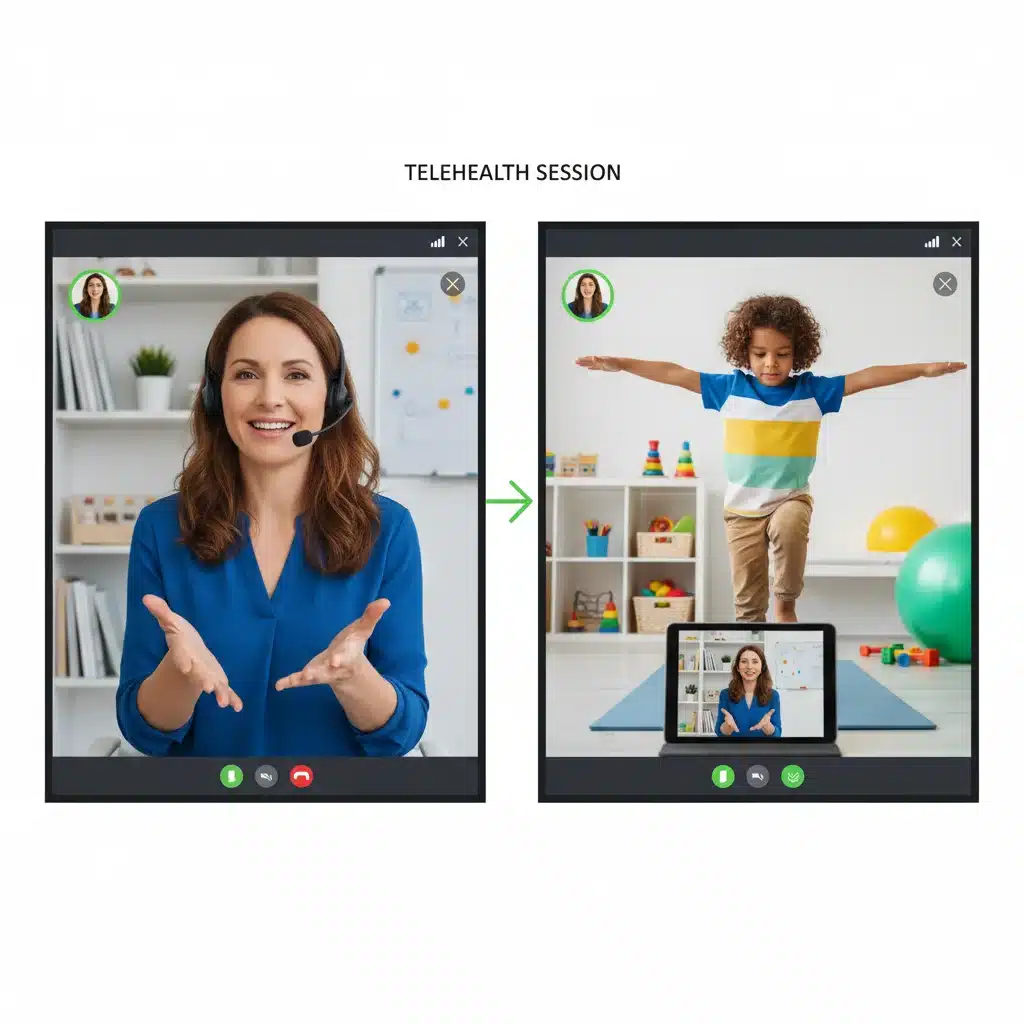
- Flexible Session Formats: SensoryLink supports both live, interactive sessions with therapists and asynchronous, self-paced modules, offering flexibility to families with varying schedules and attention spans.
Efficacy and Impact:
SensoryLink’s impact has been particularly notable in improving emotional regulation and reducing challenging behaviors. A 2025 study involving 150 children with ASD found that those receiving therapy via SensoryLink demonstrated a 40% reduction in instances of self-stimulatory behaviors and a 35% improvement in their ability to transition between activities within a three-month period. The virtual sensory rooms were cited as a major contributing factor, allowing for controlled exposure and desensitization that traditional settings often struggle to replicate at home.
The platform’s robust data collection capabilities enable therapists to fine-tune interventions, leading to highly individualized and effective treatment plans. Parents consistently report feeling better equipped to manage sensory challenges and behavioral outbursts after engaging with SensoryLink’s training resources. SensoryLink truly exemplifies how targeted telehealth special needs solutions can address highly specific and complex therapeutic needs.
Platform 3: AscendAbility – Empowering Independence and Life Skills
AscendAbility focuses on a holistic approach to development, emphasizing life skills, executive function training, and fostering independence for adolescents and young adults with special needs. Launched in 2022, this platform has rapidly gained traction for its innovative approach to preparing individuals for greater autonomy in their daily lives, education, and vocational pursuits.
Key Features of AscendAbility:
- Virtual Life Skills Modules: AscendAbility offers interactive modules covering essential life skills such as budgeting, meal preparation, public transportation navigation, job interview practice, and social etiquette. These modules often use realistic simulations and role-playing scenarios to provide practical experience.
- Executive Function Training Games: The platform incorporates a suite of engaging games and activities designed to improve executive functions like planning, organization, time management, working memory, and impulse control. These are crucial skills for academic success and independent living.
- Vocational Readiness Program: AscendAbility includes a comprehensive program that helps users explore career interests, develop resume-building skills, practice interview techniques, and understand workplace expectations. It can connect users with virtual internships or mentorship opportunities.
- Peer Support & Mentorship Network: A unique feature is its moderated peer support network, allowing users to connect with others facing similar challenges. This fosters a sense of community and provides valuable social learning opportunities. The platform also facilitates mentorship relationships with neurotypical individuals or successful adults with special needs.
- Parent & Educator Resource Hub: Beyond direct therapy, AscendAbility provides extensive resources for parents and educators on supporting the transition to adulthood, advocating for accommodations, and fostering independence.
Efficacy and Impact:
AscendAbility has demonstrated remarkable success in improving functional independence and self-advocacy skills. A longitudinal study spanning 12 months (2024-2025) tracked young adults using the platform. It reported a 30% increase in self-reported confidence in managing daily tasks, a 20% improvement in job interview performance scores, and a significant reduction in reliance on parental prompting for routine activities. The vocational readiness program alone resulted in a 15% higher rate of successful job placements or enrollment in higher education for its participants compared to control groups.
The platform’s emphasis on practical, real-world skills, delivered through engaging and age-appropriate content, has been instrumental in its effectiveness. The peer support network has also been identified as a powerful motivator, providing users with a sense of belonging and shared experience. AscendAbility showcases the potential of telehealth special needs to go beyond traditional therapy, empowering individuals for a fulfilling and independent future.
The Future of Telehealth for Special Needs: Trends and Innovations
As we look beyond 2026, the evolution of telehealth special needs is poised for even greater advancements. Several key trends are shaping its future:
- Enhanced AI and Machine Learning: AI will become even more sophisticated in personalizing therapy, predicting potential challenges, and providing real-time feedback to both users and therapists. Expect AI-driven virtual assistants to guide users through exercises and provide immediate corrective feedback.
- Deeper Integration with Wearable and IoT Devices: The seamless integration of biometric data from wearables, smart home devices, and environmental sensors will provide therapists with a more holistic view of an individual’s daily functioning and progress, allowing for highly contextualized interventions.
- Advanced Virtual and Augmented Reality (VR/AR): VR and AR will move beyond basic simulations to create highly immersive, realistic environments for skill-building, social practice, and even therapeutic exposure. Imagine practicing navigating a bustling supermarket or a job interview entirely within a VR space.
- Greater Focus on Interoperability: Platforms will increasingly integrate with electronic health records (EHRs) and other healthcare systems, ensuring a seamless flow of information and better coordinated care across various providers.
- Global Accessibility and Cultural Competence: Efforts will intensify to make telehealth platforms more accessible across different languages and cultures, incorporating culturally sensitive content and therapeutic approaches.
- Proactive and Preventative Care: Telehealth will shift towards more proactive and preventative models, using data analytics to identify potential developmental challenges early and intervene before they become more significant.
These innovations promise to make telehealth special needs therapy even more effective, accessible, and integrated into the daily lives of individuals and their families. The goal remains the same: to empower every individual with special needs to reach their full potential, regardless of geographical location or physical limitations.

Challenges and Considerations in Telehealth Implementation
While the benefits of telehealth special needs are undeniable, it is important to acknowledge and address the challenges that remain. Successful implementation requires careful consideration of several factors:
- Digital Divide: Unequal access to reliable internet, suitable devices, and digital literacy can exclude certain populations from benefiting from telehealth. Initiatives to bridge this digital divide are crucial.
- Therapist Training and Adaptation: Therapists require ongoing training to effectively deliver virtual therapy, adapt techniques for the digital environment, and utilize platform features to their full potential.
- Regulatory and Reimbursement Issues: Navigating varying state and national regulations regarding telehealth licensure, privacy, and insurance reimbursement can be complex. Advocacy for standardized policies that support virtual care is essential.
- Engagement and Attention Spans: While interactive content helps, maintaining engagement, especially for individuals with significant attention challenges, can still be difficult. Therapists need creative strategies and platforms that offer highly adaptable pacing.
- Privacy and Data Security: Ensuring the highest standards of data encryption and privacy compliance (e.g., HIPAA) is paramount, especially when dealing with sensitive health information of vulnerable populations.
- Physical and Sensory Needs Not Fully Met: For some physical therapies or sensory integration needs, a virtual environment cannot fully replicate the tactile, proprioceptive, or vestibular input of in-person therapy. Hybrid models, combining telehealth with occasional in-person sessions, may be the optimal solution for these cases.
Addressing these challenges proactively will ensure that telehealth special needs continues to grow responsibly and equitably, maximizing its positive impact on the lives of individuals with special needs and their families. Continuous research and development, coupled with collaborative efforts between technology providers, healthcare professionals, policymakers, and advocacy groups, are vital for overcoming these hurdles.
Conclusion: The Unstoppable Momentum of Telehealth for Special Needs
The year 2026 marks a significant milestone in the integration of telehealth into special needs therapy. Platforms like Connect & Thrive, SensoryLink, and AscendAbility are not just offering alternatives to traditional care; they are setting new benchmarks for accessibility, personalization, and efficacy. They demonstrate how innovative technology, when thoughtfully applied, can dismantle barriers and create pathways to progress for individuals with diverse needs. The shift to telehealth special needs is more than a temporary measure; it’s a fundamental evolution in how we deliver and experience therapeutic support.
The benefits – from increased convenience and reduced travel time to enhanced parental involvement and access to specialized expertise – are profoundly impacting families worldwide. While challenges remain, the commitment to innovation and continuous improvement within the telehealth sector is strong. The future promises even more sophisticated tools, deeper integration, and a more personalized approach to care, ensuring that every individual with special needs has the opportunity to thrive. Embracing these advanced telehealth solutions is not just about adopting new technology; it’s about embracing a more inclusive, effective, and compassionate future for special needs care.