2026 CDC Pediatric Guidelines: Essential Parent’s Guide
Anúncios
Understanding the 2026 CDC Guidelines for Pediatric Health: What Every US Parent Needs to Know
As parents, our children’s health is our utmost priority. Staying informed about the latest medical recommendations is crucial for ensuring their well-being. The Centers for Disease Control and Prevention (CDC) regularly updates its guidelines for pediatric health, and the upcoming 2026 CDC Pediatric Guidelines are set to introduce significant updates that every US parent should be aware of. This comprehensive guide will break down the key changes, implications, and actionable steps you can take to keep your child healthy and thriving.
The CDC’s guidelines are the gold standard for pediatric care in the United States, influencing everything from routine check-ups and vaccinations to developmental screenings and illness prevention. These recommendations are developed by leading experts based on the latest scientific research and public health data. Understanding the 2026 CDC Pediatric Guidelines is not just about compliance; it’s about empowering yourself with the knowledge to make informed decisions for your child’s future.
Anúncios
This article aims to be your definitive resource, covering everything from vaccine schedules and developmental milestones to nutrition, safety, and mental health. We will explore how these new guidelines might impact your family, offering practical advice and dispelling common misconceptions. Prepare to dive deep into the world of pediatric health and equip yourself with the insights needed to navigate the evolving landscape of child care in the US.
The Foundation: What Are the CDC Pediatric Guidelines?
Before delving into the specifics of the 2026 CDC Pediatric Guidelines, it’s essential to understand the foundational role the CDC plays in public health. The CDC is the leading national public health agency of the United States. It conducts and supports health promotion, prevention, and preparedness activities in the United States, with the goal of improving overall public health. For pediatric health, the CDC collaborates with organizations like the American Academy of Pediatrics (AAP) and the Advisory Committee on Immunization Practices (ACIP) to formulate comprehensive recommendations.
Anúncios
These guidelines are not static; they are living documents that evolve with new scientific discoveries, emerging health threats, and advancements in medical understanding. This dynamic nature ensures that children receive the most current and effective care possible. The guidelines cover a vast array of topics pertinent to child health, including but not limited to:
- Immunization Schedules: Detailed recommendations for vaccines from birth through adolescence.
- Developmental Screenings: Tools and timelines for monitoring a child’s cognitive, social, emotional, and physical development.
- Preventive Care: Advice on nutrition, physical activity, oral health, and injury prevention.
- Infectious Disease Management: Protocols for diagnosing, treating, and preventing common childhood illnesses.
- Mental and Behavioral Health: Guidance on identifying and addressing mental health concerns in children and adolescents.
The 2026 CDC Pediatric Guidelines will build upon these existing frameworks, refining and introducing new elements to address contemporary health challenges and opportunities. For parents, understanding these guidelines means being proactive in their child’s healthcare journey, fostering a partnership with their pediatrician, and ensuring their child has the best possible start in life.
Key Updates Expected in the 2026 CDC Pediatric Guidelines
While the full scope of the 2026 CDC Pediatric Guidelines will be revealed closer to their official release, based on current trends, ongoing research, and public health priorities, we can anticipate several key areas of focus. These updates are likely to reflect advancements in medical science, address emerging health concerns, and refine existing recommendations to optimize child health outcomes.
Vaccination Schedule Adjustments
Vaccinations remain one of the most effective public health interventions. The 2026 CDC Pediatric Guidelines are expected to include updates to the recommended immunization schedule. This could involve:
- New Vaccine Recommendations: As new vaccines are developed and approved, they may be integrated into the routine schedule. This could include expanded age ranges for existing vaccines or recommendations for novel pathogens.
- Dose Spacing and Timing Revisions: Based on new efficacy and safety data, there might be adjustments to the intervals between vaccine doses or the age at which certain vaccines are administered.
- Catch-up Schedule Modifications: Guidelines for children who fall behind on their vaccinations are continuously refined to ensure they can safely and effectively catch up.
It’s vital for parents to stay current with these changes, as adherence to the recommended immunization schedule is critical for protecting children from preventable diseases. Pediatricians will be the primary source for individualized guidance on these updates.
Enhanced Developmental Screening Protocols
Early identification of developmental delays or disorders is paramount for timely intervention and improved outcomes. The 2026 CDC Pediatric Guidelines are likely to emphasize and potentially expand upon existing developmental screening recommendations. This may include:
- Refined Screening Tools: Introduction of more sensitive or specific screening tools for conditions like autism spectrum disorder, ADHD, and other neurodevelopmental challenges.
- Increased Screening Frequency: Recommendations for more frequent screenings at specific age intervals, particularly during critical developmental windows.
- Focus on Social-Emotional Development: Greater emphasis on assessing social-emotional milestones, given their profound impact on overall well-being and academic success.
Parents should actively participate in these screenings, communicate any concerns to their pediatrician, and understand that early intervention can make a significant difference in a child’s life.

Nutrition and Physical Activity Guidelines
Childhood obesity and related health issues continue to be a public health concern. The 2026 CDC Pediatric Guidelines will likely reinforce and update recommendations related to nutrition and physical activity, possibly incorporating new research on:
- Dietary Recommendations: More specific guidance on healthy eating patterns, limiting processed foods, sugar intake, and promoting nutrient-dense diets across different age groups.
- Physical Activity Targets: Revised recommendations for daily physical activity, including structured play and reducing sedentary screen time, tailored to various developmental stages.
- Addressing Food Insecurity: Potential inclusion of guidance or resources for addressing food insecurity, recognizing its impact on child health and development.
These guidelines aim to empower parents to foster healthy habits from an early age, laying the groundwork for a lifetime of well-being.
Mental and Behavioral Health Focus
The growing awareness of mental health challenges in children and adolescents means the 2026 CDC Pediatric Guidelines will undoubtedly place a stronger emphasis on this area. Anticipated updates include:
- Universal Mental Health Screenings: Recommendations for routine mental health screenings at specific ages, similar to physical health check-ups.
- Early Identification of Risk Factors: Guidance on identifying early warning signs of anxiety, depression, and other mental health conditions.
- Integration of Mental Health Support: Encouragement for pediatricians to integrate mental health support and referrals into primary care settings.
Parents are encouraged to openly discuss any concerns about their child’s emotional or behavioral health with their pediatrician, as early intervention is critical.
Environmental Health and Safety
Protecting children from environmental hazards and ensuring their safety are ongoing priorities. The 2026 CDC Pediatric Guidelines may offer updated advice on:
- Lead Exposure: Revised screening recommendations or preventative measures for lead poisoning, especially in older homes.
- Air and Water Quality: Guidance on protecting children from pollutants and ensuring access to clean air and water.
- Child Safety: Updates on injury prevention, including car seat recommendations, safe sleep practices, and preventing accidental ingestions.
These guidelines reflect the CDC’s commitment to creating safe and healthy environments for all children.
Navigating the 2026 CDC Pediatric Guidelines: A Parent’s Action Plan
Understanding the upcoming 2026 CDC Pediatric Guidelines is the first step; implementing them effectively is the next. Here’s a practical action plan for parents to ensure their child benefits from these updated recommendations.
1. Partner with Your Pediatrician
Your pediatrician is your most valuable resource in navigating the 2026 CDC Pediatric Guidelines. They are trained to interpret and apply these recommendations to your child’s unique health profile. Schedule regular well-child visits and use these appointments to:
- Discuss Updates: Ask your pediatrician about the latest guidelines and how they apply to your child’s age and health status.
- Address Concerns: Bring up any questions or concerns you have about your child’s development, behavior, or health.
- Personalized Advice: Receive tailored advice on vaccinations, nutrition, safety, and any specific health challenges your child might face.
A strong partnership with your pediatrician ensures that your child receives comprehensive and individualized care that aligns with the most current medical standards.
2. Stay Informed About Immunizations
Vaccinations are a cornerstone of pediatric health. As the 2026 CDC Pediatric Guidelines may introduce changes to the vaccine schedule, it’s crucial to:
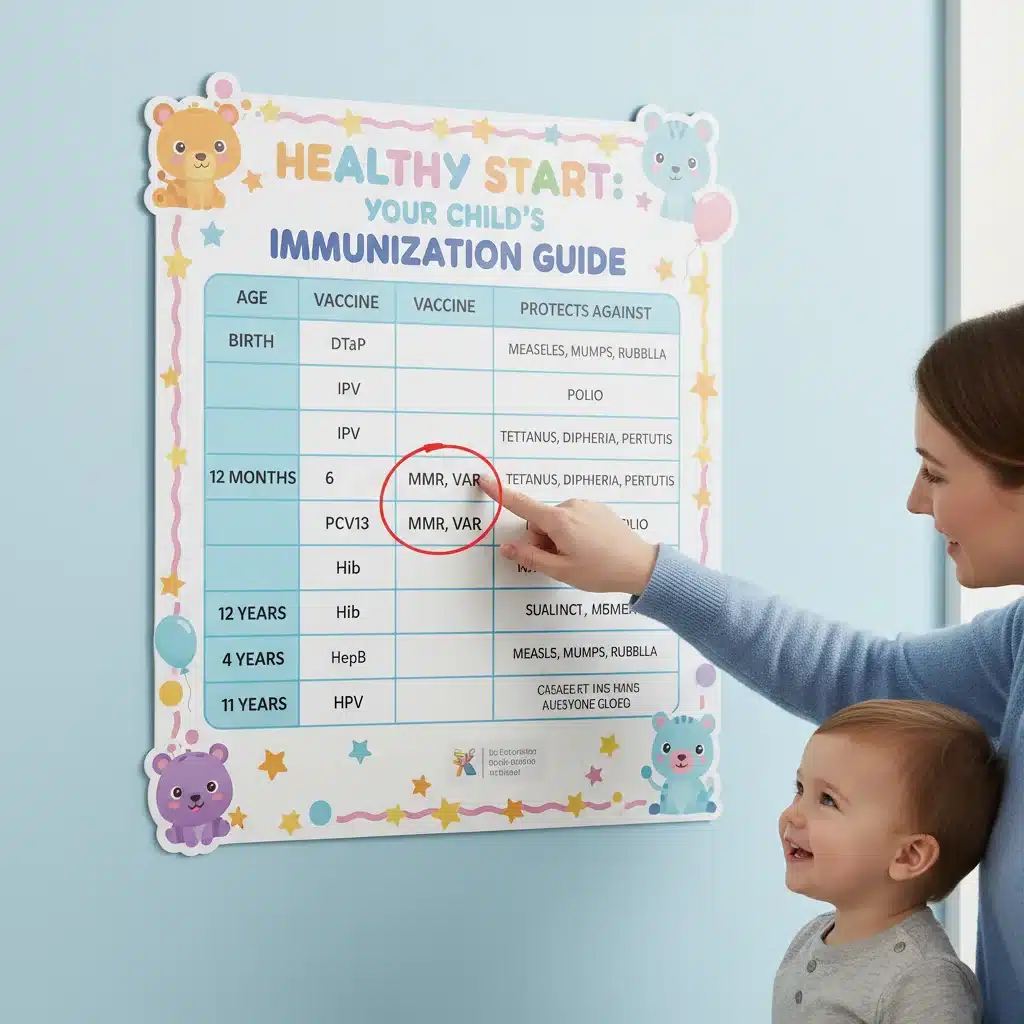
- Keep Records: Maintain an accurate record of your child’s immunizations. This will help your pediatrician track compliance and identify any missed doses.
- Understand the Schedule: Familiarize yourself with the recommended vaccination schedule for your child’s age group.
- Ask Questions: Don’t hesitate to ask your pediatrician about the purpose, safety, and efficacy of each vaccine. Understanding the science behind immunizations can alleviate concerns.
Adhering to the recommended vaccine schedule is one of the most impactful ways to protect your child and your community from preventable diseases.
3. Monitor Developmental Milestones
The 2026 CDC Pediatric Guidelines will likely emphasize enhanced developmental screenings. As a parent, you are often the first to notice any deviations in your child’s development. Be observant and proactive:
- Learn Milestones: Educate yourself on typical developmental milestones for different age groups (e.g., CDC’s "Learn the Signs. Act Early." program).
- Observe and Document: Keep notes on your child’s development, especially if you notice any delays in communication, motor skills, social interaction, or cognitive abilities.
- Communicate with Your Doctor: Share your observations and concerns with your pediatrician during well-child visits. Early intervention is key for addressing developmental delays.
Trust your parental instincts; if something feels off, discuss it with a healthcare professional.
4. Prioritize Nutrition and Active Lifestyles
Healthy eating and regular physical activity are fundamental for a child’s growth and development. The 2026 CDC Pediatric Guidelines will reinforce these aspects:
- Balanced Diet: Offer a variety of fruits, vegetables, whole grains, and lean proteins. Limit sugary drinks, processed foods, and unhealthy fats.
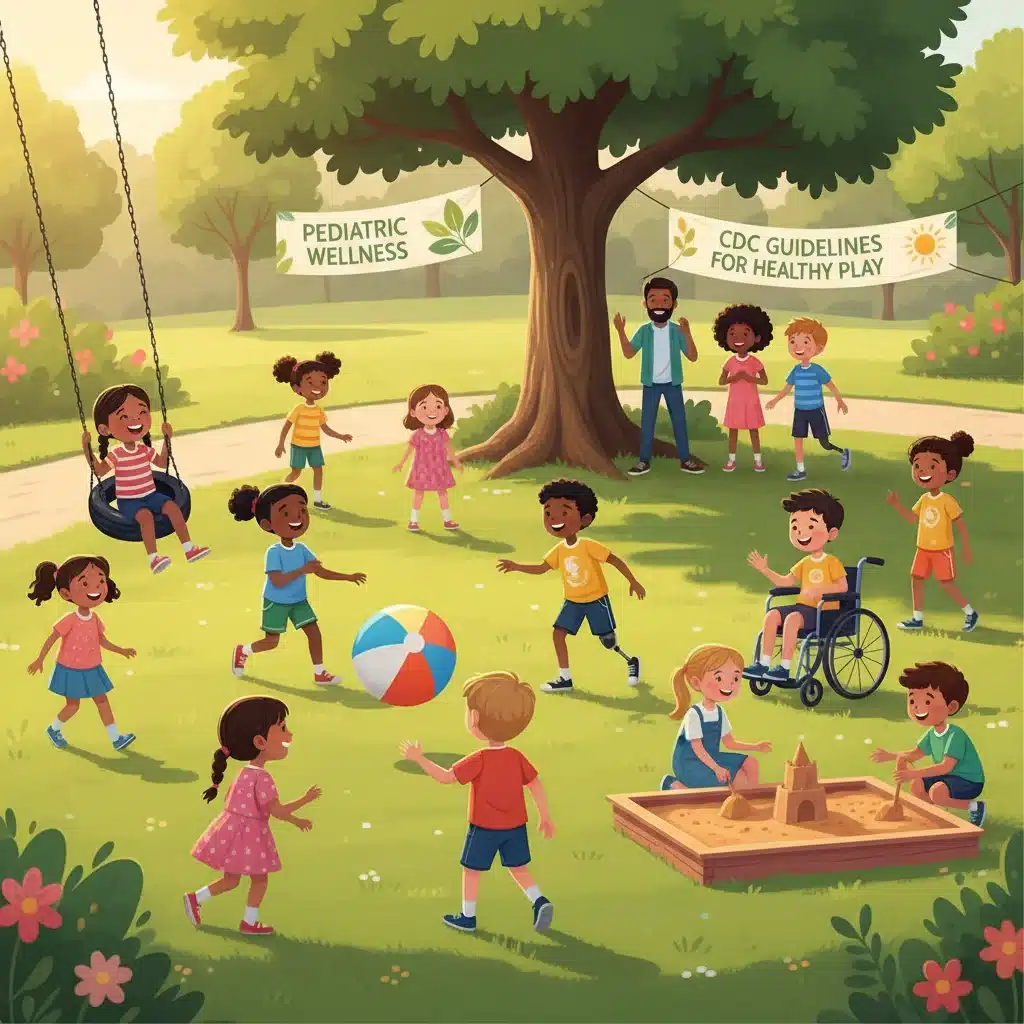
- Active Play: Encourage daily physical activity appropriate for your child’s age. This could include outdoor play, sports, or simply walking and running.
- Limit Screen Time: Follow age-appropriate recommendations for screen time to promote physical activity and healthy sleep patterns.
By modeling healthy behaviors, you can instill lifelong habits in your children.
5. Focus on Mental and Emotional Well-being
With an increased focus on mental health in the 2026 CDC Pediatric Guidelines, parents have a crucial role to play:
- Open Communication: Foster an environment where your child feels comfortable discussing their feelings and challenges.
- Observe Changes: Pay attention to significant changes in your child’s mood, behavior, sleep patterns, or academic performance.
- Seek Support: If you have concerns, don’t hesitate to seek professional help from your pediatrician, a child psychologist, or a counselor.
Supporting your child’s mental health is just as important as their physical health.
6. Ensure a Safe Environment
Safety guidelines are continuously updated to protect children from injuries and environmental hazards. Stay vigilant:
- Childproof Your Home: Regularly assess and childproof your home to prevent accidents.
- Car Seat Safety: Ensure your child is in the correct car seat for their age and size, and that it is installed properly.
- Supervision: Provide constant supervision, especially around water, roads, and other potential hazards.
- Environmental Awareness: Be aware of potential environmental risks in your area, such as lead paint in older homes or local air quality alerts.
Preventive safety measures are key to protecting your child from harm.
The Broader Impact of the 2026 CDC Pediatric Guidelines
The 2026 CDC Pediatric Guidelines are not just a set of recommendations for individual families; they have a far-reaching impact on public health, healthcare systems, and society as a whole. Understanding this broader context can help parents appreciate the significance of these updates.
Impact on Healthcare Providers
Pediatricians, family doctors, and other healthcare professionals will be directly affected by the 2026 CDC Pediatric Guidelines. They will need to:
- Update Knowledge: Stay current with the latest research and recommendations through continuous medical education.
- Adjust Practices: Modify their clinical practices, including screening protocols, vaccination administration, and counseling strategies, to align with the new guidelines.
- Educate Parents: Play a crucial role in educating parents about the changes and addressing their questions and concerns.
The CDC provides extensive resources and training for healthcare providers to facilitate a smooth transition and ensure consistent application of the guidelines.
Public Health Implications
At a population level, the 2026 CDC Pediatric Guidelines contribute to:
- Disease Prevention: By promoting high vaccination rates and early detection of illnesses, the guidelines help reduce the incidence and spread of infectious diseases.
- Improved Child Development: Enhanced developmental screenings and interventions can lead to better long-term outcomes for children with developmental delays or disorders.
- Reduced Health Disparities: By providing universal recommendations, the guidelines aim to ensure that all children, regardless of socioeconomic status or geographic location, have access to optimal preventive care.
- Healthier Future Generations: Investing in pediatric health through these guidelines contributes to a healthier, more productive adult population.
These guidelines are a testament to the ongoing commitment to public health and the well-being of the nation’s children.
Societal Benefits
A healthy child population has numerous benefits for society:
- Economic Productivity: Healthier children grow into healthier adults, leading to a more robust workforce and reduced healthcare costs in the long run.
- Educational Attainment: Children who are physically and mentally healthy are better able to learn and succeed in school.
- Stronger Communities: Healthy families and children contribute to stronger, more resilient communities.
The 2026 CDC Pediatric Guidelines are an investment in the future, recognizing that the health of our children is fundamental to the health of our society.
Looking Ahead: Preparing for 2026 and Beyond
The release of the 2026 CDC Pediatric Guidelines will mark another significant step forward in pediatric healthcare. For US parents, the most important takeaway is the need for continuous engagement and proactive health management for their children. While the specifics are still being finalized, the overarching themes of prevention, early intervention, and holistic child development will undoubtedly remain central.
As we approach 2026, stay tuned for official announcements from the CDC and discuss any emerging information with your pediatrician. Utilize reliable resources such as the CDC website, the American Academy of Pediatrics (AAP), and your local health department to get accurate and up-to-date information. Remember, knowledge is power, especially when it comes to your child’s health.
By embracing the spirit of the 2026 CDC Pediatric Guidelines – a commitment to evidence-based care, preventive measures, and comprehensive support – you can play an active role in nurturing your child’s health and helping them reach their full potential. Your dedication to staying informed and acting on these recommendations will ensure that your child receives the best possible start in life, setting them on a path toward lifelong health and well-being.
The journey of parenting is filled with countless decisions, and navigating healthcare recommendations can sometimes feel overwhelming. However, with the guidance of the CDC and the support of your pediatrician, you can confidently make choices that will positively impact your child’s health for years to come. Let’s work together to ensure every child in the US benefits from the most advanced and effective pediatric care available.