2026 Transition to Adult Services for Special Needs
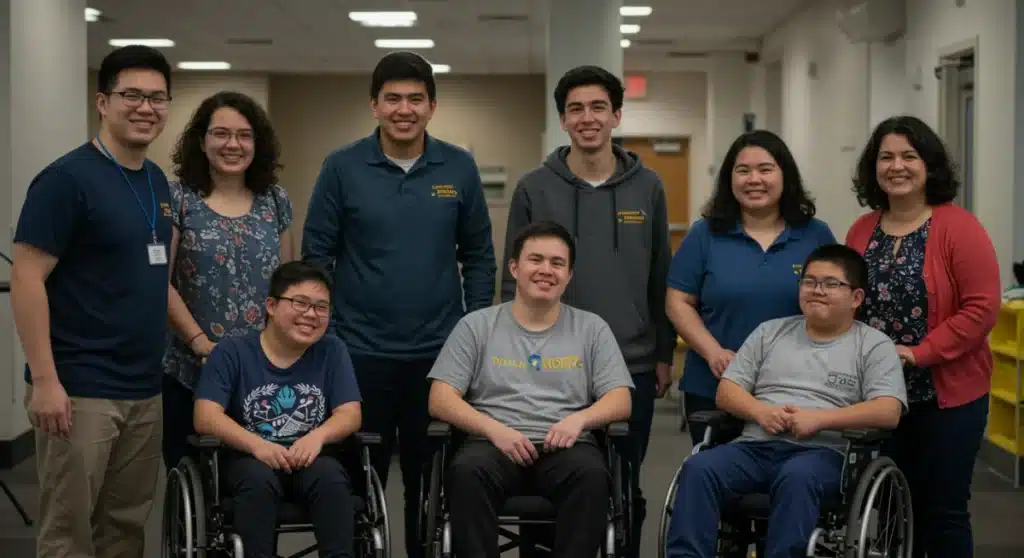
Effective preparation for the 2026 transition to adult services for individuals with special needs involves comprehensive planning, understanding evolving legal frameworks, and leveraging available community resources to ensure a seamless and supportive continuum of care.
Preparing for the 2026 Special Needs Transition to adult services is a critical milestone for individuals with disabilities and their families. This period presents both challenges and opportunities, demanding thoughtful planning and a clear understanding of the evolving landscape of support systems. As we approach 2026, families must become proactive advocates, navigating complex legal frameworks, financial considerations, and the array of available services to ensure a smooth and empowering journey into adulthood.
Understanding the 2026 Landscape for Adult Services
The year 2026 marks a significant period for the transition to adult services for individuals with special needs in the United States. Federal and state-level initiatives are continually being refined, impacting eligibility criteria, service availability, and funding mechanisms. Understanding these changes is paramount for families and caregivers to effectively plan for the future.
This evolving landscape necessitates a proactive approach. Families should engage with local and national advocacy groups to stay informed about policy shifts and legislative updates. Early engagement ensures that individuals can access the most appropriate and beneficial services as they age out of pediatric systems.
Key Policy Shifts and Their Impact
Several legislative adjustments are anticipated or already in motion, which will influence how adult services are structured and delivered. These changes often aim to promote greater independence and community integration for individuals with disabilities.
- Medicaid Waiver Programs: Ongoing modifications to Medicaid Home and Community-Based Services (HCBS) waivers are expected, potentially expanding eligibility or altering service definitions.
- Employment First Initiatives: Increased emphasis on competitive, integrated employment will shape vocational training and job placement services, moving away from segregated workshops.
- Technology Integration: Greater adoption of assistive technology and telehealth services is projected to enhance access to care and support independence.
Staying abreast of these policy shifts allows families to anticipate potential changes in service delivery and adjust their transition plans accordingly. It also empowers them to advocate for policies that best serve their loved ones.
Developing an Individualized Transition Plan (ITP)
A well-structured Individualized Transition Plan (ITP) is the cornerstone of a successful transition to adult services. This plan should be person-centered, reflecting the individual’s unique strengths, preferences, interests, and needs. It’s a living document that evolves as the individual grows and their goals shift.
The ITP process typically begins around age 14-16, integrated within the Individualized Education Program (IEP) in school settings. However, it extends far beyond academic considerations, encompassing all aspects of adult life.
Components of a Comprehensive ITP
An effective ITP covers various domains to ensure a holistic approach to adult life. These areas include education, employment, independent living, community participation, and healthcare. Each component requires specific goals and strategies to achieve them.
- Educational Goals: Identifying post-secondary education or vocational training opportunities that align with the individual’s interests and abilities.
- Employment Objectives: Exploring pathways to integrated employment, including job coaching, internships, and supported employment services.
- Independent Living Skills: Developing practical skills such as budgeting, meal preparation, transportation, and self-advocacy.
Collaboration among the individual, family, educators, service providers, and medical professionals is essential to create a truly meaningful and actionable ITP. Regular reviews and adjustments ensure the plan remains relevant and effective.
Navigating Legal and Financial Considerations
The transition to adulthood involves significant legal and financial planning to protect the individual’s interests and ensure long-term stability. Understanding guardianship, power of attorney, special needs trusts, and government benefits is crucial for families.
These legal and financial tools provide a framework for decision-making and resource management, safeguarding the individual’s future while maintaining eligibility for essential support programs.
Essential Legal Frameworks and Protections
Families must consider various legal mechanisms to ensure the well-being and financial security of their loved one. These decisions are highly personal and should be made with the guidance of legal professionals specializing in special needs law.
- Guardianship vs. Supported Decision-Making: Exploring options for legal authority, from full guardianship to less restrictive supported decision-making models that empower the individual.
- Power of Attorney: Designating trusted individuals to make financial or medical decisions on behalf of the person with special needs when they cannot.
- Advance Directives: Establishing preferences for medical care, ensuring the individual’s wishes are respected in future healthcare decisions.
Establishing these legal protections early on provides peace of mind and clarity, helping to prevent potential complications down the line. It ensures that decisions are made in the individual’s best interest.
Securing Financial Stability and Benefits
Financial planning for individuals with special needs is complex, often requiring the strategic use of trusts and government benefits to avoid disqualification from essential programs. The goal is to maximize resources while adhering to strict eligibility requirements.
Understanding the interplay between various federal and state programs is key to creating a sustainable financial plan for the future.
Key Financial Planning Strategies
Several financial instruments and government programs are designed to support individuals with special needs without jeopardizing their eligibility for vital aid. Consulting with a financial planner specializing in special needs is highly recommended.
- Special Needs Trusts (SNTs): Establishing an SNT allows assets to be held for the benefit of the individual without counting against their eligibility for means-tested government benefits like SSI and Medicaid.
- ABLE Accounts: Achieving a Better Life Experience (ABLE) accounts offer a tax-advantaged savings option for individuals with disabilities, allowing funds to be used for qualified disability expenses.
- SSI and Medicaid: Navigating the application processes and understanding the income and asset limits for Supplemental Security Income (SSI) and Medicaid is fundamental.
Proactive financial planning ensures that resources are allocated effectively, providing for current and future needs while preserving access to critical government assistance programs.

Fostering Community Integration and Social Connections
Beyond formal services, successful adult transitions prioritize community integration and the development of robust social connections. Meaningful engagement in community life contributes significantly to an individual’s quality of life, well-being, and sense of belonging.
Opportunities for social interaction, recreation, and civic participation should be actively sought and supported, moving beyond isolated settings.
Strategies for Meaningful Community Engagement
Encouraging participation in community activities and developing social skills are vital for a fulfilling adult life. These efforts should be person-centered, reflecting the individual’s interests and preferences.
- Inclusive Recreational Programs: Exploring local parks and recreation departments for adaptive sports, arts, and social clubs designed for individuals with diverse abilities.
- Volunteer Opportunities: Identifying volunteer roles that align with the individual’s strengths and interests, fostering a sense of purpose and contribution.
- Peer Support Groups: Connecting with groups that provide opportunities for individuals with special needs to build friendships and share experiences.
Community integration is not merely about presence but about active participation and the development of reciprocal relationships. Support systems should facilitate these connections, empowering individuals to be valued members of their communities.
Healthcare Transition and Adult Medical Services
The shift from pediatric to adult healthcare services is a critical, yet often overlooked, aspect of the transition process. Pediatricians typically manage care until age 18 or 21, after which individuals must transition to adult healthcare providers. This requires careful planning to ensure continuity of care and access to specialists.
Families need to identify adult specialists, transfer medical records, and prepare the individual for greater self-advocacy in their healthcare decisions. The 2026 landscape may see further integration of telehealth and remote monitoring, impacting how these transitions occur.
Ensuring Seamless Healthcare Continuity
A structured approach to healthcare transition minimizes disruption and ensures that all medical needs continue to be met. This involves communication between pediatric and adult providers and empowering the individual to manage their own health.
- Identifying Adult Specialists: Researching and connecting with adult physicians and specialists who have experience with the individual’s specific conditions.
- Medical Records Transfer: Systematically transferring comprehensive medical records to new providers, ensuring a complete history is available.
- Self-Advocacy Training: Educating the individual on their medical conditions, medications, and the importance of communicating their needs to healthcare professionals.
Proactive planning for healthcare transition is essential to maintain the individual’s health and well-being. It involves a collaborative effort among the individual, family, and medical teams to ensure all aspects of care are addressed.
Leveraging Technology and Innovation in 2026
As we move towards 2026, technological advancements are playing an increasingly pivotal role in supporting individuals with special needs during their transition to adulthood and throughout their adult lives. From assistive devices to digital platforms, technology offers innovative solutions for communication, independence, employment, and social engagement.
Families and service providers should actively explore and integrate these tools to enhance the quality of life and opportunities available to individuals with disabilities. The digital landscape is constantly evolving, offering new possibilities for personalized support.
Emerging Technologies for Adult Services
The rapid pace of technological innovation means that new tools and platforms are continually becoming available. Staying informed about these advancements can unlock significant benefits for individuals with special needs.
- Augmentative and Alternative Communication (AAC) Devices: Advanced AAC systems provide enhanced communication options for individuals with verbal challenges, fostering greater independence and social interaction.
- Smart Home Technology: Devices like voice assistants, smart sensors, and automated systems can support independent living by assisting with daily tasks, safety, and environmental control.
- Virtual Reality (VR) and Augmented Reality (AR) for Training: VR/AR applications offer immersive and safe environments for vocational training, life skills practice, and social skill development, preparing individuals for real-world scenarios.
- Telehealth and Remote Monitoring: These services expand access to medical care, therapy, and behavioral support, especially beneficial for individuals in remote areas or those with mobility limitations.
Embracing technology requires ongoing education and adaptation, but the potential for increased independence, improved communication, and enhanced access to services makes it an invaluable component of modern transition planning. It’s about empowering individuals to navigate their world with greater autonomy and connectivity.
| Key Aspect | Brief Description |
|---|---|
| Transition Planning | Proactive development of Individualized Transition Plans (ITPs) covering education, employment, and living skills. |
| Legal & Financial | Securing guardianship, special needs trusts, and navigating government benefits. |
| Community Integration | Fostering social connections and participation in inclusive community activities. |
| Healthcare Transition | Seamless shift from pediatric to adult medical services, ensuring continuity of care. |
Frequently Asked Questions About the 2026 Adult Services Transition
The primary goal is to ensure a smooth, person-centered transition for individuals with special needs from pediatric and school-based services to adult support systems, fostering independence, community integration, and a high quality of life as they enter adulthood.
While the formal Individualized Transition Plan (ITP) often begins around age 14-16 within the school system, families are encouraged to start informal discussions and explore options much earlier, ideally in early adolescence, to maximize preparation time.
Special Needs Trusts (SNTs) are crucial for holding assets for the benefit of an individual with disabilities without jeopardizing their eligibility for means-tested government benefits like Supplemental Security Income (SSI) and Medicaid, ensuring long-term financial security.
Technology offers significant support through assistive communication devices, smart home systems for independent living, virtual reality for skills training, and telehealth services for healthcare access, enhancing autonomy and connectivity for individuals with special needs.
Community integration is vital for the individual’s overall well-being, fostering a sense of belonging, purpose, and social connection. It involves active participation in recreational, social, and civic activities, moving beyond isolated environments.
Conclusion
The journey toward the 2026 transition to adult services for individuals with special needs is multifaceted, requiring diligent preparation, informed decision-making, and a collaborative spirit. By understanding the evolving policy landscape, developing comprehensive individualized plans, securing robust legal and financial protections, and fostering meaningful community engagement, families can empower their loved ones to embrace adulthood with confidence and dignity. The integration of modern technology further enhances these opportunities, paving the way for a future filled with independence, purpose, and strong social connections. Proactive engagement remains the most powerful tool for navigating this significant life stage successfully.