Family Sleep Revolution: 4 Proven Techniques for Better Rest by 2026

Are you dreaming of a household where everyone wakes up refreshed, energized, and ready to tackle the day? For many families, consistent, high-quality sleep feels like an elusive luxury. The demands of modern life, endless digital distractions, and often, a lack of structured sleep habits can leave both parents and children feeling perpetually tired. But what if we told you that a family sleep revolution is not only possible but achievable by mid-2026? It’s time to move beyond wishful thinking and implement strategies that genuinely work.
In this comprehensive guide, we’ll delve into four proven techniques designed to transform your family’s sleep patterns. We’re not talking about quick fixes, but sustainable changes that will foster a culture of restorative rest in your home. From establishing unwavering routines to optimizing your sleep sanctuary and managing the pervasive influence of screens, we’ll cover actionable steps that you can start implementing today. Get ready to embark on a journey that promises not just better sleep, but improved mood, enhanced cognitive function, and stronger family bonds.
The Unseen Impact of Poor Family Sleep
Before we dive into solutions, it’s crucial to understand the profound impact that inadequate sleep has on every member of the family. It’s more than just feeling groggy; chronic sleep deprivation can manifest in a myriad of ways, affecting physical health, mental well-being, and even academic and professional performance.
For Children:
- Behavioral Issues: Overtired children often exhibit hyperactivity, irritability, and difficulty regulating emotions. What might seem like a behavioral problem could simply be a cry for more sleep.
- Cognitive Impairment: Sleep is vital for memory consolidation and learning. Lack of sleep can lead to decreased attention span, poor concentration, and struggles in school.
- Weakened Immune System: Children who don’t get enough sleep are more susceptible to illnesses, leading to more sick days and missed school.
- Growth and Development: Growth hormone is primarily released during deep sleep. Chronic sleep deprivation can potentially impact a child’s physical growth.
For Parents:
- Increased Stress and Anxiety: The constant demands of parenting, coupled with insufficient sleep, create a perfect storm for heightened stress levels and anxiety.
- Reduced Productivity: Brain fog, difficulty focusing, and impaired decision-making are common for sleep-deprived parents, affecting both work and home life.
- Physical Health Risks: Long-term sleep deprivation is linked to a higher risk of chronic conditions such as heart disease, diabetes, and obesity.
- Marital Strain: Exhaustion can lead to decreased patience, increased arguments, and a general strain on relationships within the household.
Recognizing these impacts is the first step towards prioritizing sleep as a fundamental pillar of family health. A family sleep revolution isn’t just about individual rest; it’s about fostering a healthier, happier, and more harmonious household.
Technique 1: Establish Consistent Bedtime Routines for the Entire Family
One of the most powerful tools in your family sleep revolution arsenal is the establishment of consistent bedtime routines. Our bodies thrive on predictability, and a regular routine signals to the brain that it’s time to wind down and prepare for sleep. This isn’t just for toddlers; adults benefit immensely from a structured wind-down period too.
Why Consistency Matters:
- Regulates Circadian Rhythm: A consistent bedtime and wake-up time, even on weekends, helps to regulate the body’s internal clock, making it easier to fall asleep and wake up naturally.
- Reduces Sleep Onset Latency: When the body knows what to expect, it starts preparing for sleep, leading to a shorter time to fall asleep.
- Provides Emotional Security: For children, routines offer a sense of security and control, reducing bedtime anxiety.
- Enhances Sleep Quality: Regularity leads to more consolidated sleep cycles, resulting in deeper, more restorative sleep.
How to Build an Effective Routine:
- Choose a Realistic Bedtime: Consider each family member’s sleep needs and daily schedule. Children typically need more sleep than adults (e.g., 9-12 hours for school-aged children, 7-9 hours for adults). Work backward from your desired wake-up time.
- Create a Predictable Sequence: The routine should be a series of calming activities that always happen in the same order. This sequence acts as a powerful cue for sleep.
- Typical Routine Elements:
- 30-60 minutes before bed: Dim the lights, put away electronics (more on this later!), and engage in quiet activities.
- 20-30 minutes before bed: Warm bath or shower, brushing teeth, changing into pajamas.
- 10-20 minutes before bed: Reading a book (individually or together), quiet conversation, listening to calming music, or gentle stretching.
- Final 5 minutes: Cuddles, goodnight wishes, lights out.
- Involve the Whole Family: While individual routines might differ slightly, the overall concept of a wind-down period should be adopted by everyone. Parents setting an example is crucial.
- Be Patient and Persistent: It takes time for new habits to form. There will be days when the routine gets disrupted, but the key is to return to it consistently the next day. Don’t give up after a few challenging nights.
Implementing a consistent bedtime routine is the cornerstone of any successful family sleep revolution. It sets the stage for restful nights and energetic mornings, benefiting everyone under your roof.
Technique 2: Optimize the Sleep Environment for Maximum Comfort and Darkness
The space where you sleep plays a critical role in the quality of your rest. A truly effective family sleep revolution requires a careful assessment and optimization of each bedroom environment. Think of it as creating a sleep sanctuary – a place dedicated solely to rest and rejuvenation.
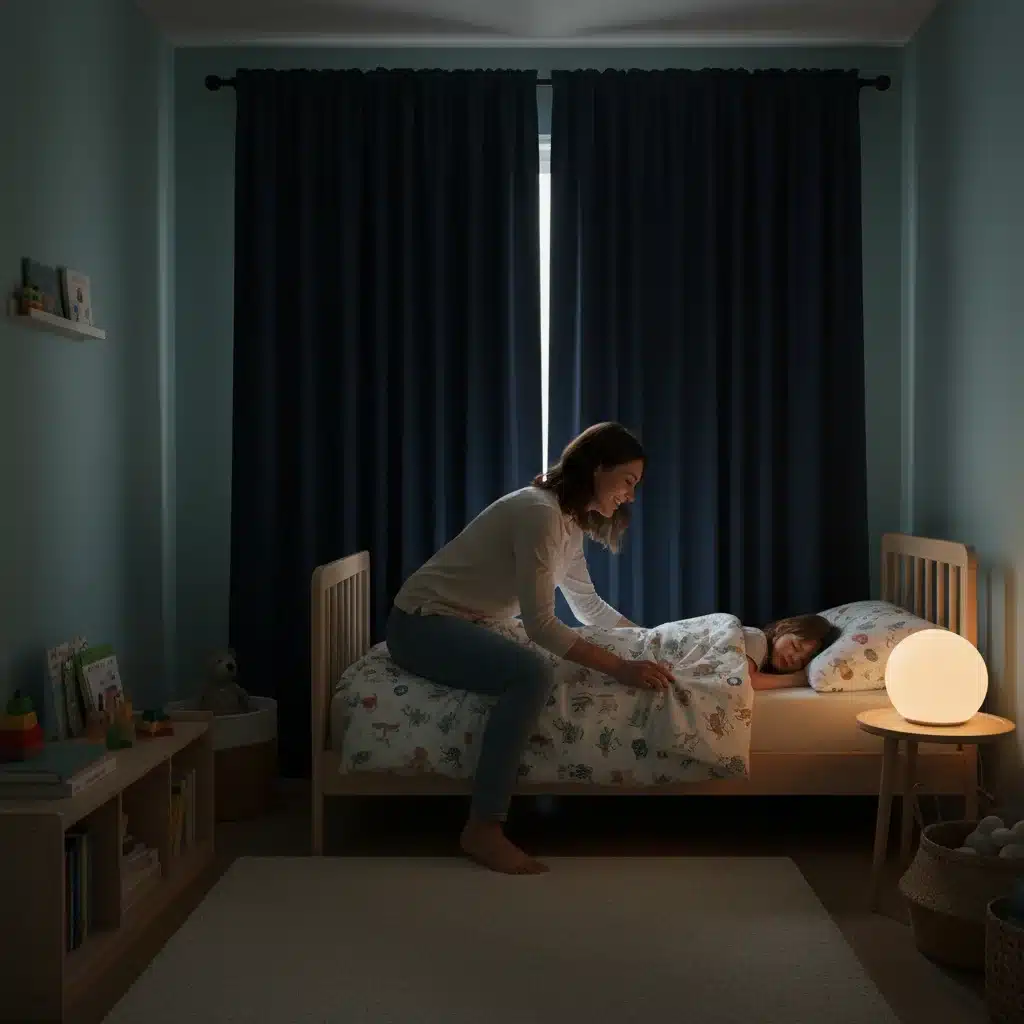
Key Elements of an Optimal Sleep Environment:
- Darkness is King:
- Block Out Light: Even small amounts of light can disrupt melatonin production, the hormone that signals sleep. Invest in blackout curtains or blinds. Ensure no light leaks from under doors or around windows.
- Eliminate Blue Light: LED alarm clocks, charging phones, and standby lights from electronics emit blue light, which is particularly disruptive. Cover these or remove them from the bedroom.
- Temperature Control:
- Cool and Comfortable: The ideal sleep temperature for most people is between 60-67 degrees Fahrenheit (15-19 degrees Celsius). A slightly cooler room promotes better sleep.
- Good Ventilation: Ensure fresh air circulation in the bedroom.
- Quiet Please:
- Minimize Noise: Identify and eliminate sources of noise. This might mean closing windows, using earplugs, or investing in soundproofing.
- White Noise/Pink Noise: For some, a white noise machine can be incredibly helpful in masking disruptive sounds and creating a consistent, calming auditory environment.
- Comfortable Bedding and Mattress:
- Supportive Mattress: A good mattress is a long-term investment in your health. Ensure it provides adequate support and comfort.
- Breathable Bedding: Choose sheets and blankets made from natural, breathable fibers that regulate temperature effectively.
- Pillows: Select pillows that support proper spinal alignment for each family member.
- Declutter and Organize:
- A Tidy Room, a Tidy Mind: A cluttered bedroom can contribute to mental clutter and stress. Keep bedrooms clean, organized, and free from work-related items, toys, or laundry piles.
- Calming Decor: Opt for soothing colors and minimal decor to create a peaceful atmosphere.
- Scent and Air Quality:
- Fresh Air: Open windows during the day to air out the room.
- Calming Scents: Consider a diffuser with essential oils like lavender or chamomile, known for their relaxing properties.
By systematically addressing these environmental factors, you can significantly enhance the quality of sleep for every member of your family, making your family sleep revolution a tangible reality.
Technique 3: Implement Mindful Screen Time Management
In our increasingly digital world, managing screen time has become paramount for a successful family sleep revolution. The blue light emitted by screens (phones, tablets, computers, TVs) can wreak havoc on our natural sleep cycles, suppressing melatonin production and making it harder to fall asleep and stay asleep.
The Science Behind Screen Time and Sleep Disruption:
- Melatonin Suppression: Blue light, particularly from electronic screens, mimics daylight, signaling to our brains that it’s still daytime. This suppresses the release of melatonin, the hormone responsible for regulating our sleep-wake cycle.
- Mental Stimulation: Engaging with screens often involves mentally stimulating content (social media, games, exciting shows), which keeps the brain active and alert, making it difficult to wind down.
- Delayed Sleep Onset: The combined effect of melatonin suppression and mental stimulation often leads to delayed sleep onset, meaning it takes longer to fall asleep.
- Reduced REM Sleep: Studies suggest that excessive screen time, especially before bed, can reduce the amount of REM sleep, which is crucial for cognitive function and emotional processing.
Strategies for Mindful Screen Time Management:
- The 1-2 Hour Rule: Implement a strict rule: no screens for at least 1-2 hours before bedtime for all family members. This allows the brain to naturally begin producing melatonin and wind down.
- Create a “Charging Station” Outside the Bedroom: Designate a central charging area in the house (e.g., kitchen counter, living room) where all phones, tablets, and laptops are left overnight. This prevents the temptation to check devices in bed.
- Educate Your Family: Explain *why* screen time before bed is harmful. Understanding the science can empower family members, especially older children and teenagers, to make better choices.
- Utilize “Night Shift” or Blue Light Filters: Many devices now have built-in features that reduce blue light emission in the evening hours. While helpful, these should not replace the “no screens before bed” rule entirely.
- Offer Engaging Alternatives: Replace screen time with appealing, calming activities. This could include:
- Reading physical books or magazines.
- Playing board games or card games.
- Engaging in quiet conversation or storytelling.
- Drawing, journaling, or other creative hobbies.
- Listening to podcasts or audiobooks.
- Lead by Example: Parents must model healthy screen habits. If children see parents glued to their phones before bed, it undermines the message.
- Set Parental Controls and Time Limits: For younger children, use technology to your advantage by setting automatic shut-off times or app limits on their devices.
Mindful screen time management is a critical component of a successful family sleep revolution. It requires discipline and consistency, but the benefits for sleep quality and overall well-being are immeasurable.
Technique 4: Incorporate Relaxation and Stress Reduction into Bedtime
Even with consistent routines and an optimized environment, stress and anxiety can still sabotage sleep. The final, yet crucial, technique for your family sleep revolution involves actively incorporating relaxation and stress-reduction practices into the bedtime routine for all ages.

Why Relaxation is Essential for Sleep:
- Activates the Parasympathetic Nervous System: Relaxation techniques help shift your body from ‘fight or flight’ (sympathetic nervous system) to ‘rest and digest’ (parasympathetic nervous system), which is necessary for sleep.
- Reduces Cortisol Levels: Stress hormones like cortisol can keep you awake. Relaxation helps lower these levels.
- Calms the Mind: It helps quiet racing thoughts and worries that often prevent restful sleep.
- Enhances Sleep Onset and Quality: A relaxed body and mind are much more likely to fall asleep quickly and experience deeper, more continuous sleep.
Effective Relaxation Techniques for Families:
- Deep Breathing Exercises:
- For Children: Teach “belly breathing” – placing a hand on their tummy and feeling it rise and fall like a balloon. “Smell the flower, blow out the candle” is another simple technique.
- For Adults: Practice diaphragmatic breathing. Inhale slowly through your nose for a count of four, hold for seven, exhale slowly through your mouth for eight. Repeat several times.
- Progressive Muscle Relaxation (PMR):
- This involves tensing and then relaxing different muscle groups throughout the body. Start from your toes and work your way up to your head, or vice versa.
- It helps release physical tension and brings awareness to the body. Guided PMR audio tracks are widely available.
- Guided Imagery and Storytelling:
- For Children: Tell a calming story where they are the hero, or guide them through imagining a peaceful place (e.g., a quiet beach, a magical forest).
- For Adults: Listen to guided meditations or use apps that offer sleep stories or calming soundscapes.
- Gentle Stretching or Yoga:
- A few minutes of gentle, restorative stretches or simple yoga poses can release physical tension and promote relaxation. Avoid vigorous exercise close to bedtime.
- Mindfulness and Gratitude Journaling:
- For Older Children/Adults: Spending a few minutes writing down things they are grateful for can shift focus from worries to positive thoughts.
- Mindfulness: Simple mindfulness exercises, like focusing on the sensations of your breath, can help anchor the mind in the present moment.
- Warm Drinks (Non-Caffeinated):
- A cup of warm milk or herbal tea (like chamomile or lavender) can be a comforting part of the wind-down routine.
Incorporating these relaxation techniques turns bedtime into a time of peace and tranquility, actively preparing the mind and body for sleep. This is a vital step in achieving a lasting family sleep revolution.
Overcoming Common Challenges in Your Family Sleep Revolution
Embarking on a family sleep revolution is a journey, not a destination, and you’re bound to encounter some bumps along the way. Persistence and adaptability are key.
Resistance from Children:
- Empower Them: Involve children in creating the routine. Let them choose their pajamas, the book, or the calming activity (within reason).
- Explain the “Why”: Help them understand that sleep makes them strong, smart, and happy.
- Positive Reinforcement: Praise and reward (non-food-related) for sticking to the routine.
- Be Firm and Consistent: Children thrive on boundaries. Once the routine is set, stick to it.
Parental Exhaustion and Time Constraints:
- Prioritize Self-Care: Remember, you can’t pour from an empty cup. Your sleep is just as important.
- Delegate Tasks: Share bedtime duties with a partner if possible.
- Start Small: Don’t try to implement everything at once. Choose one technique, master it, then add another.
- Accept Imperfection: Some nights won’t go as planned. Forgive yourself and get back on track the next day.
Weekend Drift:
- While some flexibility is fine, try to keep bedtimes and wake-up times within an hour or two of weekday times. Drifting too much can disrupt the circadian rhythm.
Dealing with Sleep Regressions:
- Developmental leaps, illness, or travel can temporarily disrupt sleep. Revert to your established routine as quickly as possible.
- Be patient and understanding, but don’t abandon the routine.
Measuring Success by Mid-2026: What to Look For
As you implement these techniques, how will you know your family sleep revolution is succeeding by mid-2026? Look for these positive indicators:
- Easier Bedtimes: Reduced struggles, less resistance, and quicker sleep onset for all.
- Fewer Night Wakings: More consolidated, uninterrupted sleep.
- Refreshed Wake-Ups: Waking up naturally, feeling more energetic and less groggy.
- Improved Mood and Behavior: Less irritability, better emotional regulation, and fewer meltdowns in children; reduced stress and improved patience in parents.
- Enhanced Concentration: Better focus and performance at school and work.
- Stronger Immune Systems: Fewer sick days for the entire family.
- Increased Family Harmony: A generally calmer and happier household environment.
Keep a simple sleep journal for a week or two at the beginning and then periodically throughout the year. Note bedtimes, wake-up times, night wakings, and how everyone feels upon waking. This data can provide valuable insights and motivate you to continue your efforts.
The Long-Term Benefits of a Sleep-Prioritizing Family
The commitment to a family sleep revolution extends far beyond simply getting more hours of shut-eye. The ripple effects of prioritizing sleep are profound and long-lasting, shaping the health, happiness, and success of every family member for years to come.
Enhanced Physical Health:
- Stronger Immune Systems: Adequate sleep bolsters the body’s defenses, leading to fewer illnesses and faster recovery. This means less time spent battling colds and more time enjoying life.
- Reduced Risk of Chronic Diseases: Consistent, quality sleep is a protective factor against a host of chronic conditions, including obesity, type 2 diabetes, and cardiovascular disease in both children and adults.
- Better Hormonal Balance: Sleep plays a crucial role in regulating hormones related to appetite, stress, and growth. A well-rested body maintains this delicate balance more effectively.
- Improved Physical Performance: For children involved in sports or active play, and for adults who exercise, good sleep aids in muscle repair, energy restoration, and overall physical prowess.
Boosted Mental and Emotional Well-being:
- Emotional Regulation: When well-rested, both children and adults are better equipped to manage their emotions, leading to fewer outbursts, reduced irritability, and greater patience. This significantly contributes to a more peaceful home environment.
- Stress Resilience: Sleep is a powerful stress buffer. Getting enough rest helps the brain process stressors and makes individuals more resilient in the face of daily challenges.
- Reduced Anxiety and Depression: Chronic sleep deprivation is closely linked to increased symptoms of anxiety and depression. Prioritizing sleep can be a vital component of mental health maintenance.
- Enhanced Mood: Simply put, well-rested people are generally happier. This positive mood is contagious and elevates the overall atmosphere of the family.
Superior Cognitive Function and Academic/Professional Success:
- Improved Concentration and Attention: A rested brain can focus better, absorb new information more effectively, and maintain attention for longer periods. This is invaluable for school-aged children and working adults.
- Enhanced Memory and Learning: Sleep is when the brain consolidates memories and processes new information. Better sleep means better retention of what was learned during the day.
- Problem-Solving Skills: Creativity and the ability to think critically are significantly boosted by adequate sleep. Complex problems often seem clearer after a good night’s rest.
- Decision-Making: Sleep deprivation impairs judgment. Well-rested individuals make more sound and rational decisions.
Stronger Family Bonds:
- Increased Patience and Empathy: When not exhausted, parents have more patience for their children, and children are less prone to tantrums. This leads to more positive interactions.
- Quality Family Time: With more energy and better moods, families are more likely to engage in meaningful activities together, strengthening their connections.
- Reduced Conflict: Many family disagreements stem from underlying fatigue. Better sleep can significantly reduce household tension.
By mid-2026, consistent application of these four proven techniques will not just improve sleep; it will fundamentally transform your family’s daily life, fostering a thriving environment where everyone can reach their full potential. The family sleep revolution is an investment in a healthier, happier future.
Conclusion: Your Family’s Path to Restful Nights by Mid-2026
The vision of a well-rested family is within your reach. By committing to a family sleep revolution and consistently implementing these four proven techniques, you can significantly improve the quality of sleep for every member of your household by mid-2026. Remember, this isn’t about perfection, but about progress and creating sustainable habits that prioritize rest.
Recap the techniques:
- Establish Consistent Bedtime Routines: Create predictable, calming sequences that signal to the body it’s time to wind down.
- Optimize the Sleep Environment: Transform bedrooms into dark, cool, quiet, and comfortable sanctuaries.
- Implement Mindful Screen Time Management: Enforce a strict “no screens before bed” rule and offer engaging alternatives.
- Incorporate Relaxation and Stress Reduction: Practice deep breathing, progressive muscle relaxation, or guided imagery to prepare minds and bodies for sleep.
The journey to better sleep requires patience, consistency, and a willingness to adapt. But the rewards—a healthier, happier, and more harmonious family—are immeasurable. Start your family sleep revolution today, and look forward to waking up to a brighter future, one restful night at a time.