Top 3 Assistive Technologies for Special Needs in 2026: A Family Guide
The 3 Most Effective Assistive Technologies for Special Needs in 2026: A Comparative Analysis for US Families
In an ever-evolving world, technological advancements continue to break down barriers and open new avenues for individuals with special needs. For US families navigating the complex landscape of support and education, understanding the most effective assistive technology solutions is paramount. This comprehensive guide delves into the top three assistive technologies poised to make the most significant impact in 2026, offering a detailed comparative analysis to help you make informed decisions.
The journey of a family with a member who has special needs is often characterized by a relentless pursuit of tools and resources that can foster greater independence, enhance communication, and facilitate learning. Assistive technology (AT) plays a crucial role in this pursuit, acting as a bridge between an individual’s capabilities and their potential. As we look towards 2026, the convergence of artificial intelligence, advanced sensors, and improved connectivity is ushering in a new era of AT that is more intuitive, personalized, and powerful than ever before.
This article aims to provide US families with a clear, concise, and forward-looking overview of the leading innovations in assistive technology. We will explore the functionalities, benefits, and practical applications of each technology, alongside considerations for implementation and future trends. Our goal is to empower you with the knowledge needed to select the best solutions that can truly transform the lives of your loved ones.
What is Assistive Technology (AT)?
Before diving into the specifics of the top technologies, let’s establish a foundational understanding of what assistive technology encompasses. Assistive technology refers to any item, piece of equipment, software program, or product system that is used to increase, maintain, or improve the functional capabilities of individuals with disabilities. This broad definition covers a vast array of tools, from low-tech solutions like magnifying glasses to high-tech innovations such as advanced robotic aids.
The core principle behind AT is to empower individuals to overcome challenges and participate more fully in daily life, education, and employment. For US families, understanding the scope of AT is the first step toward identifying appropriate interventions. It’s not just about providing a device; it’s about fostering an environment where individuals can thrive, communicate effectively, learn independently, and engage with their communities.
The landscape of assistive technology is characterized by personalization and integration. Devices are becoming smarter, more connected, and capable of adapting to individual user needs with unprecedented precision. This shift means that solutions are less ‘one-size-fits-all’ and more tailored, leading to greater effectiveness and user satisfaction.
Our Criteria for Selecting Top Assistive Technologies for 2026
To identify the most effective assistive technology, we’ve established a rigorous set of criteria focusing on innovation, impact, accessibility, and scalability for US families. These criteria ensure that the selected technologies are not only cutting-edge but also practical and beneficial in real-world scenarios.
- Innovation & Future Potential: We prioritize technologies that represent significant advancements beyond existing solutions and demonstrate strong potential for continued development and broader application.
- Demonstrated Efficacy & Impact: The selected technologies must have a proven track record or strong empirical evidence of improving functional capabilities, independence, communication, or learning outcomes for individuals with special needs.
- User-Centric Design & Accessibility: Ease of use, intuitive interfaces, adaptability to diverse needs, and affordability are crucial. The technology should be accessible to a wide range of users and families, considering varying socio-economic backgrounds.
- Integration & Interoperability: Solutions that can seamlessly integrate with existing systems (e.g., educational platforms, smart home devices) and offer interoperability with other assistive tools are highly valued.
- Scalability & Availability for US Families: We consider how readily these technologies can be adopted and supported across different regions in the US, including availability of training, support, and funding options.
- Ethical Considerations & Data Privacy: As technology advances, ethical implications and data privacy become increasingly important. Solutions that prioritize these aspects are preferred.
Using these criteria, we’ve identified three standout categories of assistive technology that are set to revolutionize support for special needs. Each offers unique advantages and addresses different facets of the challenges faced by individuals with disabilities and their families.
The Top 3 Most Effective Assistive Technologies for Special Needs in 2026
1. Advanced AI-Powered Communication & Educational Platforms
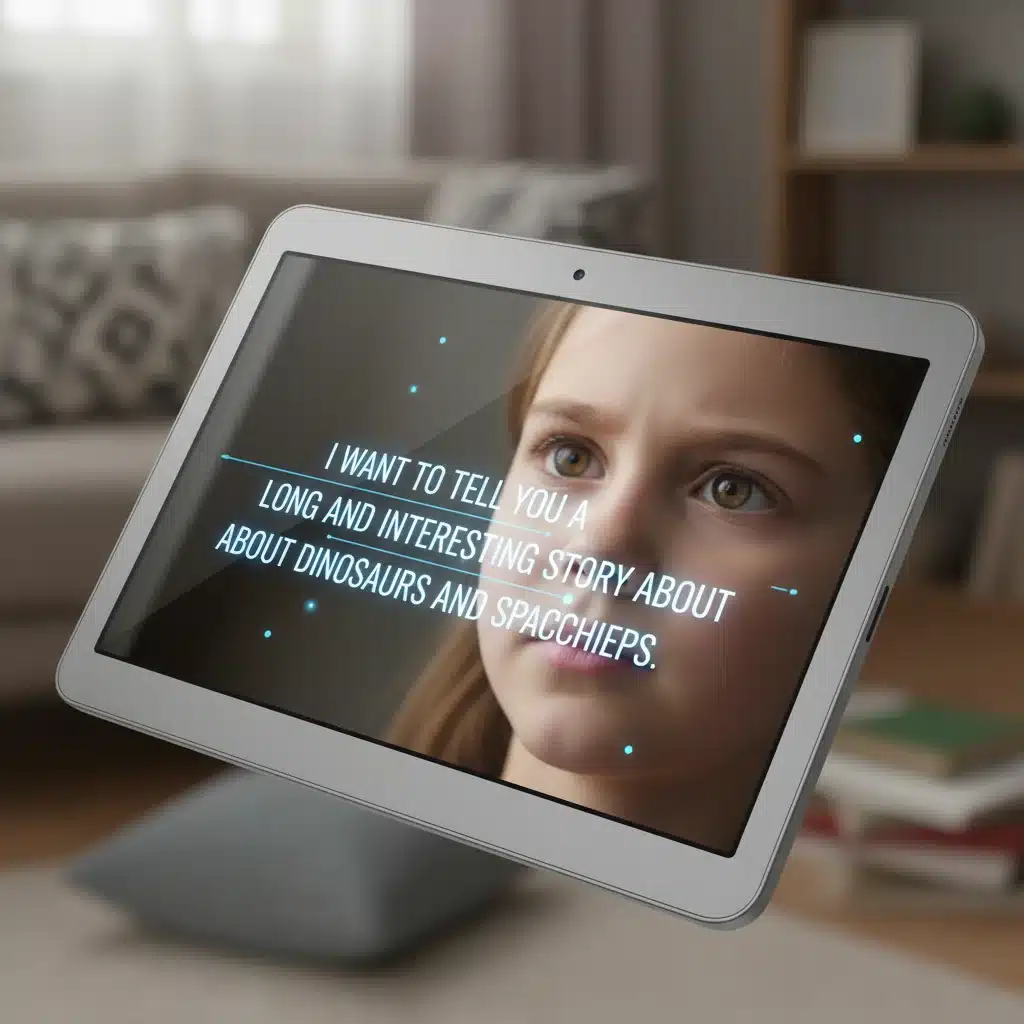
The integration of Artificial Intelligence (AI) into communication and educational tools has reached an unprecedented level, making this category one of the most transformative in assistive technology. These platforms are designed to adapt, personalize, and facilitate interaction in ways previously unimaginable.
Key Features & Innovations:
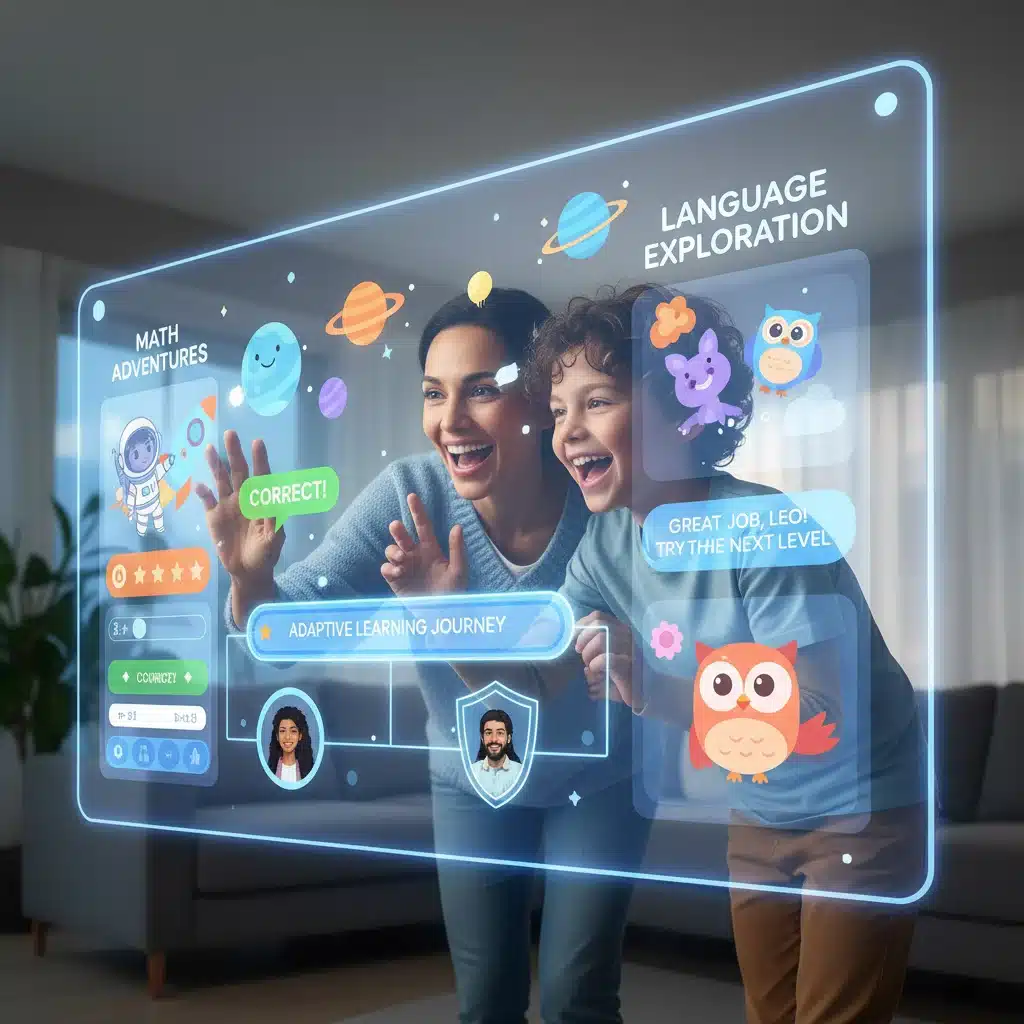
- Personalized Learning Pathways: AI algorithms analyze a user’s learning style, pace, and areas of challenge to create highly individualized educational content. This includes dynamic adjustments to difficulty, presentation format (visual, auditory, kinesthetic), and feedback mechanisms. For students with learning disabilities, this means an education tailored precisely to their needs, maximizing engagement and comprehension.
- Predictive Text & Speech Generation (AAC): For individuals with communication disorders, AI-powered Augmentative and Alternative Communication (AAC) devices are becoming incredibly sophisticated. They learn user patterns, predict words and phrases with high accuracy, and offer natural-sounding speech synthesis in multiple voices and languages. Eye-tracking and brain-computer interface (BCI) integration allows for hands-free, intuitive communication.
- Emotional Recognition & Feedback: Some advanced platforms can interpret user emotions through facial expressions or vocal patterns, adjusting content or providing sensory input to help regulate emotions, particularly beneficial for individuals on the autism spectrum or with emotional regulation difficulties.
- Language Translation & Simplification: Real-time translation capabilities break down language barriers, while AI can also simplify complex texts into more digestible formats, aiding individuals with cognitive processing challenges.
- Virtual & Augmented Reality (VR/AR) Integration: AI-driven VR/AR platforms offer immersive learning environments, allowing users to practice social skills, vocational training, or navigate real-world scenarios in a safe, controlled setting. This is particularly impactful for individuals with developmental disabilities or anxiety disorders.
Benefits for US Families:
For US families, these platforms offer unparalleled opportunities for personalized education and enhanced communication. Children can learn at their own pace, reducing frustration and increasing academic success. The ability to communicate effectively empowers individuals, reduces isolation, and strengthens family bonds. Furthermore, these platforms can reduce the burden on caregivers by providing intelligent support and educational resources.
Challenges & Considerations:
While immensely promising, challenges for this assistive technology include the cost of advanced subscriptions and devices, the need for reliable internet access, and concerns about data privacy and algorithmic bias. Families must also consider the learning curve associated with new technologies and ensure adequate training and support are available.
2. Advanced Wearable & Sensor-Based Monitoring Devices
Wearable technology, once primarily focused on fitness tracking, has evolved significantly to become a critical component of assistive technology for individuals with special needs. These devices offer continuous monitoring, proactive alerts, and data-driven insights to improve safety, health, and independence.
Key Features & Innovations:
- Biometric Monitoring & Health Alerts: Smartwatches, rings, and patches can continuously monitor vital signs (heart rate, respiration, body temperature), glucose levels, seizure activity, and sleep patterns. AI analyzes this data to detect anomalies and send immediate alerts to caregivers or medical professionals, significantly improving safety for individuals with conditions like epilepsy, diabetes, or cardiovascular issues.
- Location Tracking & Geofencing: For individuals prone to wandering (e.g., those with autism or dementia), advanced GPS trackers integrated into wearables provide precise location data and alert caregivers if a user leaves a designated safe zone. These are more discreet and comfortable than previous generations of tracking devices.
- Fall Detection & Emergency Response: Accelerometers and gyroscopes embedded in wearables can detect falls and automatically initiate emergency calls or notifications, providing a crucial safety net for individuals with mobility impairments or those at risk of falls.
- Sensory Regulation & Environmental Control: Some wearables incorporate haptic feedback, gentle vibrations, or personalized audio (via bone conduction) to help individuals with sensory processing disorders regulate their responses to overwhelming stimuli. Others can interface with smart home systems to adjust lighting, temperature, or sound based on user preferences or detected stress levels.
- Posture & Movement Correction: For individuals with physical disabilities or those recovering from injuries, discreet wearables can provide real-time feedback on posture and movement, guiding them towards correct physical alignment and activity.
Benefits for US Families:
The primary benefit for US families is enhanced peace of mind and safety. Caregivers gain real-time insights into the well-being and location of their loved ones, reducing anxiety and allowing for more independent living. For individuals with special needs, these devices foster a greater sense of autonomy and security, knowing that help is always accessible. The data collected can also be invaluable for medical professionals in tailoring treatment plans.
Challenges & Considerations:
Concerns for this assistive technology include device comfort and acceptance, especially for individuals with sensory sensitivities. Battery life, data security, and the potential for false alarms are also factors to consider. The cost of some advanced medical-grade wearables and associated subscription services can be a barrier for some families.
3. Customized Robotics & Exoskeletons for Mobility & Manipulation
Robotics and exoskeletons are no longer confined to science fiction; they are becoming increasingly sophisticated and accessible, offering revolutionary solutions for mobility and manipulation challenges. This category represents a significant leap forward in assistive technology for physical disabilities.
Key Features & Innovations:
- Personalized Exoskeletons: Lightweight, customizable exoskeletons are being developed that provide support and assistance for walking, standing, and lifting. These are often powered by AI that learns and adapts to the user’s gait and intentions, offering a more natural and efficient movement experience. They are beneficial for individuals with spinal cord injuries, cerebral palsy, or muscular dystrophy.
- Advanced Robotic Arms & Prosthetics: Dexterous robotic arms, often controlled by thought (BCI) or subtle muscle movements, allow individuals with severe limb impairments to perform complex tasks, from self-feeding to intricate manipulation of objects. Prosthetics are becoming more lifelike and functionally integrated, offering sensory feedback to the user.
- Assistive Robotic Companions: Beyond purely functional devices, social robots are emerging that can offer companionship, assist with daily routines (e.g., medication reminders, fetching small items), and even provide therapeutic interactions, particularly for individuals with social communication challenges or those living alone.
- Smart Wheelchairs & Mobility Aids: Next-generation powered wheelchairs incorporate advanced navigation, obstacle avoidance, and even stair-climbing capabilities. Some can be controlled via voice commands, head movements, or eye-tracking, offering greater independence in various environments.
- Home Automation & Environmental Control Robots: Small, mobile robots can assist with tasks around the home, such as opening doors, retrieving items, or adjusting smart home settings, providing significant relief for individuals with severe physical limitations.
Benefits for US Families:
The impact of this assistive technology on independence and quality of life is profound. Individuals who were once reliant on constant physical assistance can regain significant autonomy, participating more fully in their homes, workplaces, and communities. For families, this translates to reduced physical strain and increased freedom for caregivers, alongside the joy of seeing their loved ones achieve greater self-sufficiency.
Challenges & Considerations:
The most significant challenges for robotics and exoskeletons are cost and availability. These are often high-ticket items, though insurance coverage is slowly expanding. Maintenance, training, and the need for specialized fitting and calibration are also important considerations. Ethical discussions around human-robot interaction and the potential for over-reliance are ongoing.
Comparative Analysis: Choosing the Right Assistive Technology for Your Family
Selecting the most appropriate assistive technology for your family requires careful consideration of individual needs, goals, and resources. Here’s a comparative overview to help guide your decision-making process.
Needs Addressed:
- AI-Powered Communication & Educational Platforms: Primarily addresses communication barriers, cognitive processing difficulties, learning disabilities, and developmental delays. Excellent for academic success, social interaction, and self-expression.
- Wearable & Sensor-Based Monitoring Devices: Focuses on safety, health management, independence, and peace of mind for caregivers. Ideal for individuals with medical conditions requiring constant monitoring, those prone to wandering, or with fall risks.
- Customized Robotics & Exoskeletons: Directly tackles severe physical mobility impairments, manipulation challenges, and offers significant functional independence for daily living tasks.
Cost & Accessibility (for US Families):
- AI-Powered Platforms: Costs vary widely from affordable apps/software subscriptions to high-end dedicated AAC devices. Many educational platforms have institutional licenses. Insurance coverage for AAC devices is improving, but software subscriptions often fall outside.
- Wearable & Sensor-Based Devices: Generally more accessible in terms of initial cost, with consumer-grade wearables being relatively inexpensive. Medical-grade devices and subscription services can add up. Some health insurance plans may cover specific medical monitoring devices.
- Customized Robotics & Exoskeletons: Currently the most expensive category, with costs ranging from tens of thousands to hundreds of thousands of dollars. Insurance coverage is limited but growing for medically necessary exoskeletons. Grants and specialized funding programs are often necessary.
Ease of Integration & Training:
- AI-Powered Platforms: Often designed for user-friendliness, but advanced features may require dedicated training for both the user and caregivers. Integration with existing devices (tablets, computers) is usually straightforward.
- Wearable & Sensor-Based Devices: Typically easy to set up and use, with intuitive interfaces. Training is minimal for basic functions, but understanding data interpretation and alert protocols is important for caregivers.
- Customized Robotics & Exoskeletons: Requires extensive professional fitting, calibration, and rehabilitation training. Ongoing maintenance and technical support are crucial. The learning curve for users can be significant but yields high rewards.
Future Outlook & Trends for Assistive Technology 2026:
The future of assistive technology is incredibly bright, characterized by several overarching trends:
- Increased Personalization: AI and machine learning will continue to drive highly customized solutions that adapt to individual user needs and preferences in real-time.
- Miniaturization & Discretion: Devices will become smaller, lighter, and less conspicuous, improving user acceptance and reducing stigma.
- Enhanced Connectivity & IoT Integration: Seamless integration with smart homes, smart cities, and healthcare ecosystems will create comprehensive support networks.
- Neurotechnology & BCI Advancements: Brain-Computer Interfaces will become more refined, allowing for more intuitive control of assistive devices directly from brain signals.
- Affordability & Open-Source Solutions: As technology matures, costs are expected to decrease, and open-source initiatives will foster greater accessibility and innovation.
- Preventative &{; Proactive AT: Predictive analytics from wearable data will enable proactive interventions, preventing health crises or developmental plateaus before they occur.
The Broader Impact of Assistive Technology on US Families
The profound impact of assistive technology extends far beyond the individual user, influencing the entire family unit and broader society. For US families, the benefits are multi-faceted:
- Increased Independence for Individuals: At its core, AT empowers individuals with special needs to perform tasks they once couldn’t, fostering self-reliance and boosting self-esteem. This independence can range from communicating a need to navigating a public space unassisted.
- Reduced Caregiver Burden: Families often face significant physical, emotional, and financial strain. AT can alleviate some of this burden by automating tasks, providing monitoring, and enabling individuals to manage more aspects of their own care. This can free up caregivers’ time and energy, allowing for better work-life balance and reduced stress.
- Enhanced Social Inclusion: By improving communication, mobility, and cognitive access, AT helps individuals with special needs participate more fully in social activities, school, and work environments. This leads to greater integration into the community and reduces feelings of isolation.
- Improved Educational Outcomes: Personalized learning platforms and adaptive tools can significantly enhance the educational experience for students with disabilities, leading to better academic performance, higher graduation rates, and greater access to higher education and vocational training.
- Economic Opportunities: Increased independence and educational attainment can open doors to employment, allowing individuals with special needs to contribute to the economy and achieve financial self-sufficiency. This also reduces reliance on public assistance programs over the long term.
- Greater Peace of Mind: For families, knowing that their loved one is safer, more independent, and better equipped to navigate the world brings immense peace of mind. This emotional benefit is often priceless.
- Advocacy & Empowerment: As individuals become more articulate and independent through AT, they are better positioned to advocate for their own rights and needs, contributing to a more inclusive and accessible society.
The ripple effect of effective assistive technology creates a more equitable and supportive environment for everyone. It’s an investment not just in an individual, but in the strength and resilience of families and communities.
Navigating Funding & Support for Assistive Technology in the US
Accessing assistive technology can be a significant financial undertaking for many US families. Fortunately, various funding avenues and support systems exist to help mitigate these costs.
Insurance Coverage:
- Private Health Insurance: Coverage varies widely. Many plans will cover medically necessary durable medical equipment (DME), which can include some AT devices like wheelchairs, communication devices (AAC), and some prosthetics. It’s crucial to understand your specific plan’s benefits, pre-authorization requirements, and appeals processes.
- Medicaid & Medicare: These government programs offer coverage for AT, particularly for those who meet specific eligibility criteria. Medicaid often covers a broader range of AT for children and adults, while Medicare’s coverage is generally more specific to DME for older adults and certain disabilities.
Government Programs & Grants:
- State Assistive Technology Programs: Every US state has a program funded by the Assistive Technology Act, which offers services like AT demonstrations, short-term loans of devices, device recycling, and information on funding. These are invaluable resources for families.
- IDEA (Individuals with Disabilities Education Act): For students with disabilities, IDEA mandates that schools provide necessary AT as part of a Free Appropriate Public Education (FAPE). This means AT can be included in an Individualized Education Program (IEP).
- Vocational Rehabilitation (VR) Services: State VR agencies provide services to help individuals with disabilities prepare for, obtain, or retain employment. This can include funding for AT that is job-related.
- Grants & Foundations: Numerous non-profit organizations and foundations offer grants specifically for AT. Examples include the United Cerebral Palsy (UCP) network, various autism advocacy groups, and disease-specific foundations.
Other Resources:
- Device Loan & Reuse Programs: Many states and non-profits operate programs where families can borrow AT for a trial period or acquire refurbished devices at a reduced cost.
- Crowdfunding & Community Support: Online crowdfunding platforms can be effective for raising funds, and local community organizations or disability support groups often have resources or know of local funding opportunities.
- Manufacturer Payment Plans: Some AT manufacturers offer payment plans or financial assistance programs directly.
Navigating these options requires persistence and thorough research. Families are encouraged to work with their medical team, therapists, school district, and local AT programs to explore all available avenues for funding and support for assistive technology.
Conclusion: Empowering Futures with Assistive Technology 2026
The landscape of assistive technology presents an exciting future for individuals with special needs and their families across the United States. The advancements in AI-powered communication and educational platforms, advanced wearable and sensor-based monitoring devices, and customized robotics and exoskeletons are not merely incremental improvements; they are foundational shifts that promise greater independence, enhanced safety, and richer educational and social experiences.
These technologies are designed to break down barriers, personalize support, and empower individuals to reach their full potential. By offering tailored learning pathways, real-time health insights, and unprecedented mobility, they are fostering environments where disabilities are no longer defining limitations but rather opportunities for innovative solutions.
For US families, the key lies in staying informed, advocating for their loved ones, and actively exploring the available options. While challenges related to cost, access, and training persist, the growing ecosystem of funding, support programs, and community resources is continually expanding to meet these needs. The investment in assistive technology is an investment in human potential, paving the way for a more inclusive, equitable, and empowered future for everyone.
As we move forward, the collaborative efforts of technologists, educators, healthcare professionals, policymakers, and families will be crucial in ensuring that these transformative tools reach those who need them most, truly making a difference in lives across the nation.