Vocational Training for Individuals with Disabilities: 5 Promising Programs and Their 2026 Success Rates
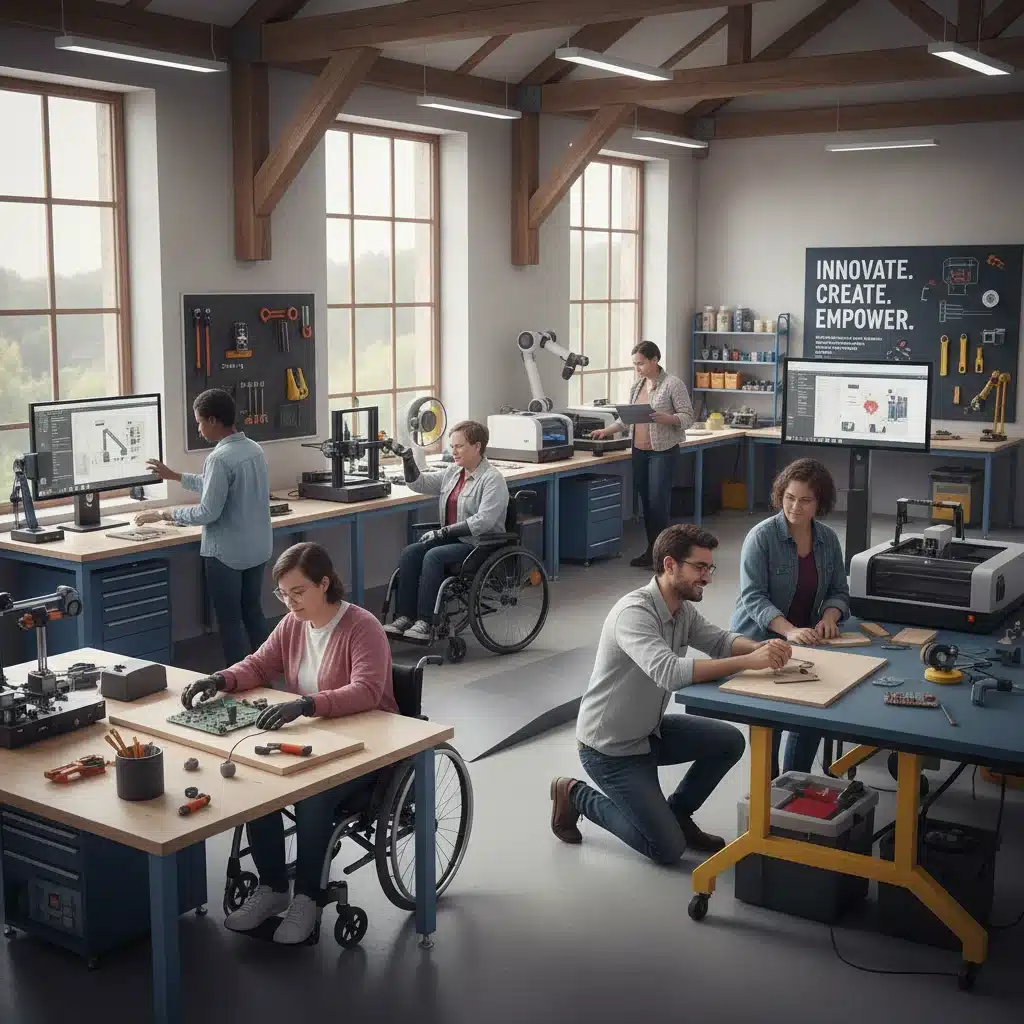
In an increasingly competitive global economy, the importance of a skilled and diverse workforce cannot be overstated. For individuals with disabilities, access to quality vocational training is not just a matter of social justice, but a critical pathway to economic independence and societal integration. This comprehensive article explores the landscape of Disability Vocational Training, spotlighting five promising programs poised to make a significant impact on employment rates by 2026. We will delve into their unique methodologies, success metrics, and the broader implications for fostering a truly inclusive workforce.
The journey towards meaningful employment for individuals with disabilities is often fraught with systemic barriers, ranging from employer misconceptions to inadequate training opportunities. However, the tide is turning, with innovative programs emerging to bridge these gaps. These programs are not merely about teaching job-specific skills; they are about fostering confidence, developing essential soft skills, and creating supportive ecosystems that ensure long-term success. Our focus on ‘Disability Vocational Training’ will illuminate these efforts, providing valuable insights for policymakers, employers, and individuals alike.
The Critical Need for Specialized Disability Vocational Training
The unemployment rate for individuals with disabilities remains significantly higher than that of the general population. This disparity underscores a fundamental need for targeted interventions that address the unique challenges and leverage the diverse strengths of this demographic. Traditional vocational training models often fall short, failing to accommodate various learning styles, accessibility requirements, and the need for individualized support. Specialized Disability Vocational Training programs, on the other hand, are designed with these considerations at their core, offering tailored curricula, accessible learning environments, and comprehensive support services.
Beyond skill acquisition, these programs play a vital role in dismantling stereotypes and fostering a more inclusive perception of disability in the workplace. By equipping individuals with disabilities with in-demand skills and connecting them with supportive employers, these initiatives demonstrate the immense value and contributions that this talent pool can offer. The economic benefits are equally compelling; studies consistently show that employed individuals with disabilities contribute significantly to the economy through taxes and reduced reliance on social welfare programs. Investing in Disability Vocational Training is, therefore, an investment in a more prosperous and equitable society.
Program 1: The ‘TechBridge’ Initiative: Bridging the Digital Divide
Overview and Methodology
The ‘TechBridge’ Initiative is a groundbreaking Disability Vocational Training program focused on equipping individuals with disabilities with advanced digital skills. Recognizing the rapidly growing demand for tech-savvy professionals, TechBridge offers intensive training in areas such as web development, data analysis, cybersecurity, and digital marketing. Their methodology is highly personalized, incorporating adaptive technologies, flexible learning schedules, and one-on-one mentorship. Each participant undergoes a comprehensive assessment to identify their strengths, interests, and accessibility needs, leading to a customized learning path.
Key Features and Support Systems
- Adaptive Learning Platforms: Utilization of AI-powered platforms that adjust to individual learning paces and styles.
- Accessible Tools and Software: Provision of screen readers, voice recognition software, ergonomic equipment, and other assistive technologies.
- Industry-Relevant Certifications: Training aligned with industry standards, leading to recognized certifications that enhance employability.
- Dedicated Job Placement Services: Strong partnerships with tech companies committed to inclusive hiring practices, offering internships and direct employment opportunities.
- Soft Skills Development: Workshops on communication, teamwork, problem-solving, and professional etiquette, crucial for workplace success.
Projected 2026 Success Rates
TechBridge boasts an impressive track record, with over 85% of its graduates securing employment within six months of program completion. By 2026, with planned expansions and strengthened industry partnerships, TechBridge projects an employment rate of 90-92% for its participants. This success is attributed to its demand-driven curriculum, robust support systems, and unwavering commitment to participant success. The program aims to place over 5,000 individuals with disabilities into high-paying tech jobs by this timeframe, significantly impacting the inclusive tech workforce.
Program 2: ‘GreenHands’ Vocational Training: Cultivating Sustainable Careers
Overview and Methodology
The ‘GreenHands’ Vocational Training program addresses the growing demand for skilled workers in the green economy. This Disability Vocational Training initiative focuses on sustainable agriculture, horticulture, renewable energy installation, and environmental conservation. GreenHands employs a hands-on, experiential learning approach, often conducted in accessible outdoor settings or specialized workshops. The curriculum emphasizes practical skills, safety protocols, and an understanding of ecological principles, making it an ideal fit for individuals who thrive in tangible, project-based work.
Key Features and Support Systems
- Outdoor and Experiential Learning: Practical training in community gardens, urban farms, and renewable energy sites.
- Accessibility Modifications: Adapted tools, accessible workstations, and flexible physical requirements for various tasks.
- Environmental Stewardship Focus: Instilling a deep understanding of sustainability and its importance in modern industries.
- Entrepreneurial Support: Guidance for participants interested in starting their own green businesses or cooperatives.
- Community Integration: Opportunities for participants to engage with local communities through environmental projects, fostering a sense of purpose and belonging.
Projected 2026 Success Rates
GreenHands has consistently achieved a 75% employment rate in environmentally-focused roles. With increasing public and private investment in green initiatives, the program anticipates an 80-85% success rate by 2026. Their expansion plans include developing specialized modules for emerging green technologies and forging stronger links with municipal environmental departments and eco-friendly businesses. This program is instrumental in demonstrating how Disability Vocational Training can contribute to both individual empowerment and environmental sustainability.

Program 3: ‘ArtizanWorks’: Empowering Through Creative Trades
Overview and Methodology
‘ArtizanWorks’ is a unique Disability Vocational Training program that champions the creative and artistic talents of individuals with disabilities. It offers specialized training in traditional and contemporary crafts, including pottery, woodworking, textile design, graphic design, and jewelry making. The program’s methodology is highly individualized, focusing on nurturing artistic expression while developing marketable skills. Instructors are often accomplished artisans themselves, providing not only technical guidance but also mentorship in marketing and sales strategies for handcrafted goods.
Key Features and Support Systems
- Tailored Artistic Instruction: Personalized training plans that accommodate diverse artistic interests and physical capabilities.
- Accessible Studio Spaces: Workshops equipped with adaptive tools, adjustable workstations, and sensory-friendly environments.
- Business Acumen Training: Courses on pricing, branding, online sales platforms, and customer service to help artisans sell their creations.
- Exhibition and Market Opportunities: Regular participation in local art fairs, online marketplaces, and gallery partnerships to showcase and sell participant work.
- Peer Mentorship: A supportive community where experienced artisans with disabilities mentor newer participants, fostering collaboration and shared learning.
Projected 2026 Success Rates
ArtizanWorks has seen 68% of its graduates successfully launch their own creative businesses or secure employment in related fields. By 2026, with enhanced e-commerce training and broader market access initiatives, they expect this figure to rise to 72-78%. The program’s success is measured not only by direct employment but also by the number of participants generating sustainable income through their artistic endeavors. This Disability Vocational Training model highlights the often-untapped potential in creative industries for individuals with disabilities.
Program 4: ‘HealthLink’ Training: Pathways to Healthcare Support Roles
Overview and Methodology
‘HealthLink’ Training is a vital Disability Vocational Training program designed to prepare individuals with disabilities for essential support roles within the healthcare sector. Recognizing the consistent demand in this field, HealthLink offers training for positions such as medical office assistants, patient navigators, sterile processing technicians, and dietary aides. The curriculum combines classroom learning with practical, simulated experiences, focusing on patient interaction, medical terminology, administrative tasks, and hygiene protocols. The program emphasizes the development of empathy, attention to detail, and strong organizational skills.
Key Features and Support Systems
- Specialized Healthcare Curriculum: Training modules developed in collaboration with healthcare professionals, ensuring relevance and quality.
- Simulated Work Environments: Practice in mock medical settings to build confidence and practical skills.
- Internship Placements: Partnerships with hospitals, clinics, and long-term care facilities for hands-on experience.
- CPR and First Aid Certification: Essential certifications provided as part of the training.
- Emotional Intelligence and Communication Skills: Workshops focused on effective patient interaction and professional conduct in healthcare settings.
Projected 2026 Success Rates
HealthLink boasts an 80% placement rate in healthcare support positions. Given the sustained growth in the healthcare industry and an aging population, the program anticipates an 85-88% employment rate by 2026. Their strategy includes expanding specialized tracks for emerging healthcare technologies and strengthening partnerships with a wider network of healthcare providers. This Disability Vocational Training program is a testament to the valuable contributions individuals with disabilities can make to critical sectors like healthcare.
Program 5: ‘Hospitality Heroes’: Excelling in Service Industries
Overview and Methodology
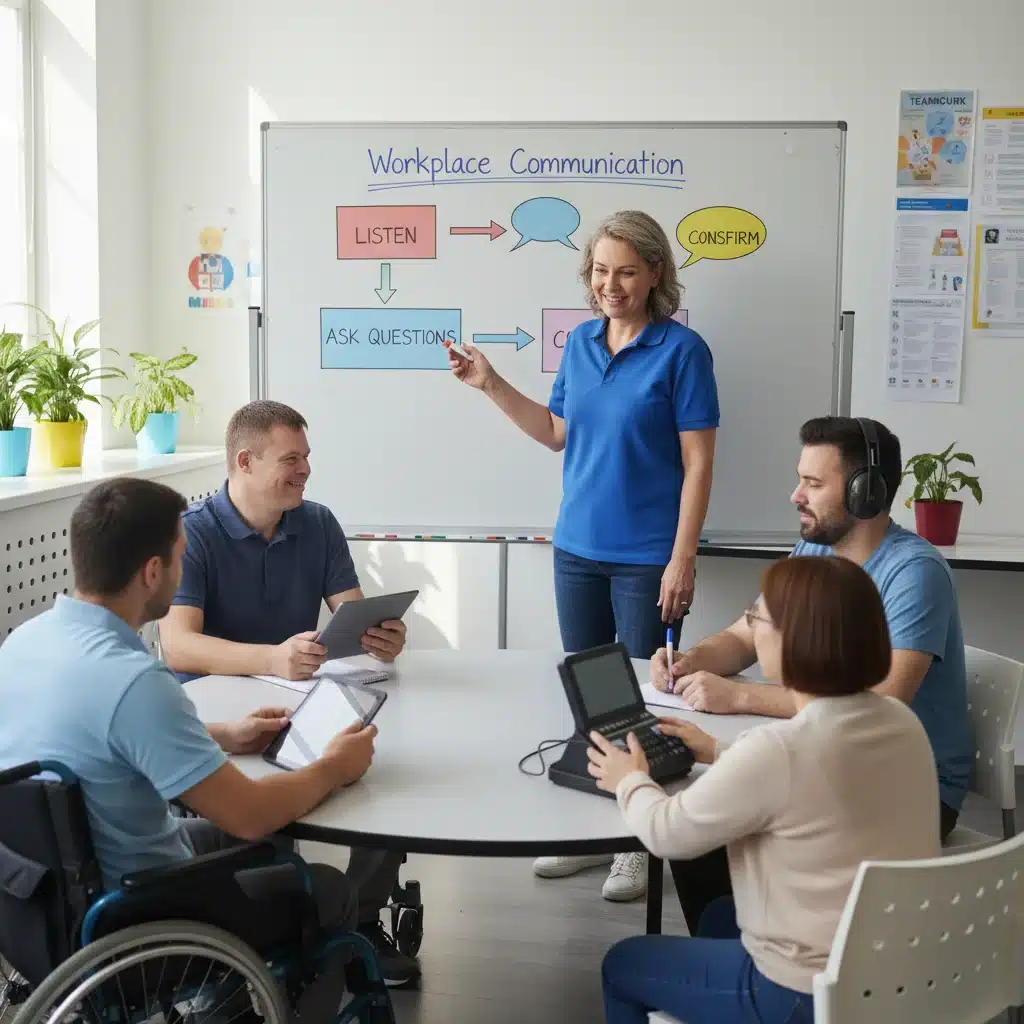
‘Hospitality Heroes’ is a comprehensive Disability Vocational Training program tailored for individuals interested in the vibrant hospitality and tourism sectors. This program prepares participants for roles in hotels, restaurants, event management, and customer service. The methodology emphasizes practical skills through on-the-job training, role-playing, and direct interaction with customers in supervised environments. The curriculum covers everything from front-of-house operations to back-of-house support, focusing on service excellence, problem-solving, and effective communication.
Key Features and Support Systems
- Practical On-Site Training: Partnerships with hotels and restaurants for real-world experience.
- Customer Service Excellence: Intensive training in guest relations, conflict resolution, and creating positive customer experiences.
- Accessibility in Service Roles: Adapting tasks and environments to ensure all participants can excel in their chosen roles.
- Food Safety and Hygiene Certifications: Essential certifications for roles in food and beverage service.
- Teamwork and Communication Skills: Focus on collaborative work and clear communication within a dynamic service environment.
Projected 2026 Success Rates
Hospitality Heroes has consistently achieved a 70% employment rate in various hospitality roles. With the global resurgence of travel and tourism, the program projects an increase to 75-80% by 2026. Their expansion plans include developing specialized modules for niche tourism markets and forging stronger alliances with major hotel chains and event organizers. This Disability Vocational Training initiative showcases the potential for individuals with disabilities to thrive and contribute significantly to the service economy.
The Broader Impact of Disability Vocational Training: Beyond Employment Rates
While employment rates are a crucial metric for evaluating the success of Disability Vocational Training programs, their impact extends far beyond mere job placement. These initiatives foster a multitude of positive outcomes for individuals, communities, and the economy as a whole.
Enhanced Self-Esteem and Independence
Securing meaningful employment significantly boosts self-esteem and a sense of purpose for individuals with disabilities. It provides financial independence, allowing them greater control over their lives and reducing reliance on family or state support. The ability to contribute productively to society reinforces their value and capability, leading to improved mental health and overall well-being. This intrinsic benefit is often overlooked but is arguably one of the most profound impacts of effective Disability Vocational Training.
Reduced Societal Costs
When individuals with disabilities are employed, they become taxpayers rather than recipients of welfare. This shift reduces the financial burden on social support systems and contributes to the economic growth of the nation. Furthermore, the specialized support services often required by unemployed individuals with disabilities can be significantly reduced or reallocated once they achieve self-sufficiency. This creates a positive ripple effect throughout the economy, demonstrating the long-term fiscal benefits of investing in Disability Vocational Training.
Promoting Diversity and Inclusion in the Workplace
Companies that actively hire individuals with disabilities often report numerous benefits, including increased employee morale, improved problem-solving skills, and a more diverse range of perspectives. These employees bring unique talents and experiences that can drive innovation and enhance workplace culture. Disability Vocational Training programs act as a pipeline for this talent, helping employers recognize and embrace the value of an inclusive workforce. By demonstrating the capabilities of individuals with disabilities, these programs challenge preconceived notions and foster a more equitable hiring landscape.
Community Building and Social Integration
Employment provides opportunities for social interaction, networking, and community engagement that might otherwise be limited. Individuals with disabilities become more active participants in their communities, breaking down social isolation and fostering a sense of belonging. The success stories emerging from Disability Vocational Training programs inspire others and build a stronger, more interconnected society where everyone has the chance to contribute and thrive.
Challenges and Future Directions in Disability Vocational Training
Despite the remarkable progress made by programs like TechBridge, GreenHands, ArtizanWorks, HealthLink, and Hospitality Heroes, challenges remain in the field of Disability Vocational Training. These include securing consistent funding, expanding program reach to underserved rural areas, and continuously adapting curricula to meet evolving labor market demands.
Addressing Funding Gaps
Many vocational training programs rely on grants and donations, which can be inconsistent. Sustainable funding models, including government subsidies, corporate sponsorships, and public-private partnerships, are essential for long-term viability and expansion. Advocating for increased investment in Disability Vocational Training at all levels of government is crucial.
Expanding Reach and Accessibility
While urban centers often have access to a variety of programs, individuals with disabilities in rural or remote areas may face significant barriers to accessing quality training. Leveraging online learning platforms, mobile training units, and community-based partnerships can help extend the reach of these vital services. Ensuring digital accessibility for all online components is also paramount.
Adapting to a Changing Job Market
The world of work is constantly evolving, with new technologies and industries emerging rapidly. Disability Vocational Training programs must remain agile, regularly updating their curricula to ensure participants are learning skills that are currently in demand and will remain relevant in the future. This requires ongoing collaboration with industry leaders and labor market analysts.
Fostering Employer Engagement
While many employers are open to inclusive hiring, some still lack the awareness or resources to effectively integrate individuals with disabilities into their workforce. Training programs can play a role in educating employers about disability etiquette, reasonable accommodations, and the benefits of a diverse workforce. Creating robust mentorship programs within companies can also facilitate smoother transitions for new employees with disabilities.
Conclusion: A Brighter Future Through Disability Vocational Training
The five programs highlighted—TechBridge, GreenHands, ArtizanWorks, HealthLink, and Hospitality Heroes—represent the vanguard of effective Disability Vocational Training. Their innovative approaches, personalized support, and strong industry linkages are not only transforming individual lives but also reshaping societal perceptions of disability. By focusing on skill development, fostering independence, and creating genuine pathways to employment, these initiatives are paving the way for a more inclusive and equitable future.
The projected success rates for these programs by 2026 are not just numbers; they represent thousands of individuals with disabilities achieving their full potential, contributing their talents to the workforce, and living fulfilling lives. Continuing to invest in and expand such Disability Vocational Training models is not merely an act of compassion; it is a strategic imperative for building stronger economies, more vibrant communities, and a society that truly values the contributions of all its members. The journey toward full inclusion is ongoing, but with these promising programs leading the way, the future looks significantly brighter for individuals with disabilities seeking meaningful employment.