
Inclusive Employment: 4 Strategies for U.S. Adults with Special Needs to Thrive in the 2026 Job Market
The landscape of employment is constantly evolving, and for U.S. adults with special needs, navigating this terrain requires specific, thoughtful strategies. As we look towards 2026, the emphasis on diversity, equity, and inclusion (DEI) in the workplace is stronger than ever. This shift presents both opportunities and challenges. Ensuring truly inclusive employment strategies are in place is paramount to empowering individuals with special needs to not only find jobs but to thrive in them. This comprehensive guide will delve into four pivotal strategies that can pave the way for greater success and integration in the coming years.
The journey towards meaningful employment for adults with special needs is often multifaceted, involving a combination of personal development, supportive environments, and systemic changes. While progress has been made, there’s still significant work to be done to dismantle barriers and create truly equitable opportunities. By focusing on these strategies, we can collectively build a more inclusive workforce where every individual’s talents and contributions are recognized and valued.
1. Tailored Skill Development and Continuous Learning for the Future Job Market
The first cornerstone of successful inclusive employment strategies is access to tailored skill development and continuous learning opportunities. The 2026 job market will demand a workforce that is adaptable, technologically proficient, and equipped with a blend of hard and soft skills. For adults with special needs, traditional educational and vocational training programs may not always cater to their unique learning styles or specific needs. Therefore, customized approaches are essential.
Personalized Learning Plans
One effective method is the creation of personalized learning plans. These plans should be developed in collaboration with the individual, their support network, and educators or trainers. They should identify existing strengths, areas for growth, and specific career interests. The curriculum can then be adapted to accommodate different learning paces, sensory sensitivities, and cognitive processing styles. For example, some individuals might benefit from visual aids and hands-on training, while others might thrive with audio-based instruction or one-on-one mentoring. The goal is to make learning accessible and engaging, fostering genuine skill acquisition.
Focus on High-Demand Skills
As the job market evolves, certain skills consistently remain in high demand. Training programs should prioritize these, including digital literacy, problem-solving, critical thinking, communication, and adaptability. For individuals with special needs, developing strong digital skills is particularly crucial, as many roles now require proficiency in various software applications, online collaboration tools, and data management. Moreover, soft skills like teamwork, time management, and professional etiquette are vital for workplace success and can be taught through practical, experiential learning scenarios.
Leveraging Assistive Technology in Training
Assistive technology plays a transformative role in skill development. Screen readers, voice-to-text software, alternative input devices, and communication aids can level the playing field, enabling individuals to access information and complete tasks that might otherwise be challenging. Integrating these technologies directly into training programs ensures that participants are not only learning job-specific skills but also becoming proficient in the tools that will support them in their future roles. This proactive approach to technological integration is a hallmark of forward-thinking inclusive employment strategies.
Micro-Credentials and Certifications
Traditional degrees can be a barrier for some. Micro-credentials and industry-recognized certifications offer a more flexible and often faster path to demonstrating competency in specific areas. These smaller, focused qualifications can be highly valuable to employers and allow individuals to build a portfolio of skills incrementally. Programs offering certifications in areas like data entry, customer service, basic IT support, or graphic design can significantly enhance employability for adults with special needs.
2. Fostering Inclusive Workplace Cultures and Accommodations
Beyond skill development, creating truly inclusive workplaces is fundamental. This strategy involves not just compliance with disability laws but a proactive effort to build environments where individuals with special needs feel valued, supported, and empowered to contribute their best. This requires a shift in organizational mindset and practical implementation of accommodations.
Accessibility Beyond Physical Ramps
Workplace accessibility extends far beyond physical infrastructure. It encompasses digital accessibility (websites, software, internal systems), communication accessibility (interpreters, alternative formats), and sensory accessibility (lighting, noise levels, scent policies). Employers must conduct thorough accessibility audits to identify and address barriers that might prevent individuals with special needs from performing their jobs effectively. This might involve adjustable workstations, ergonomic equipment, quiet zones, or flexible work arrangements.

Reasonable Accommodations as a Standard Practice
The concept of reasonable accommodations should be ingrained in company culture, not viewed as an exception. This means having clear, accessible processes for employees to request accommodations, and a management team trained to respond promptly and effectively. Accommodations can be simple and low-cost, such as flexible scheduling, modified job duties, or providing written instructions. The key is open communication and a willingness to adapt to individual needs, ensuring that every employee has the tools and environment necessary to succeed. This proactive approach to accommodations is a critical component of strong inclusive employment strategies.
Training and Awareness for All Employees
Creating an inclusive culture requires educating all employees, not just management. Diversity and inclusion training should include modules on disability awareness, etiquette, and unconscious bias. This training helps to foster empathy, break down stereotypes, and create a more welcoming and understanding environment. When colleagues are aware of and sensitive to the needs of their co-workers with special needs, it reduces stigma and promotes a supportive team dynamic.
Mentorship and Buddy Programs
Integrating mentorship and buddy programs can significantly aid the successful onboarding and retention of employees with special needs. A mentor can provide guidance, support, and a safe space for discussing workplace challenges. A buddy can help with day-to-day navigation, social integration, and understanding company culture. These programs foster a sense of belonging and provide invaluable support, making the transition into a new role smoother and more successful.
3. Leveraging Technology and Digital Platforms for Job Matching and Support
The digital age offers unprecedented opportunities to connect individuals with special needs to suitable employment and provide ongoing support. Leveraging technology for job matching, application processes, and remote work can significantly expand access to the job market.
AI-Powered Job Matching and Skill Assessments
Artificial intelligence (AI) can revolutionize how individuals with special needs find jobs. AI-powered platforms can analyze resumes and skill sets against job requirements, identifying suitable matches that might be overlooked by traditional recruitment methods. These systems can also offer skill assessments that adapt to different learning styles and abilities, providing a more accurate picture of an individual’s capabilities. By focusing on skills rather than conventional qualifications, AI can help bridge the gap between talent and opportunity, making inclusive employment strategies more effective.
Accessible Application Processes
Many job application processes are still inaccessible, posing significant barriers. Companies must ensure their online application portals are fully accessible to screen readers and other assistive technologies. This includes clear navigation, alternative text for images, and keyboard-only functionality. Simplifying language in job descriptions and application forms can also be beneficial, ensuring that instructions are clear and easy to understand for everyone.
Remote Work and Flexible Arrangements
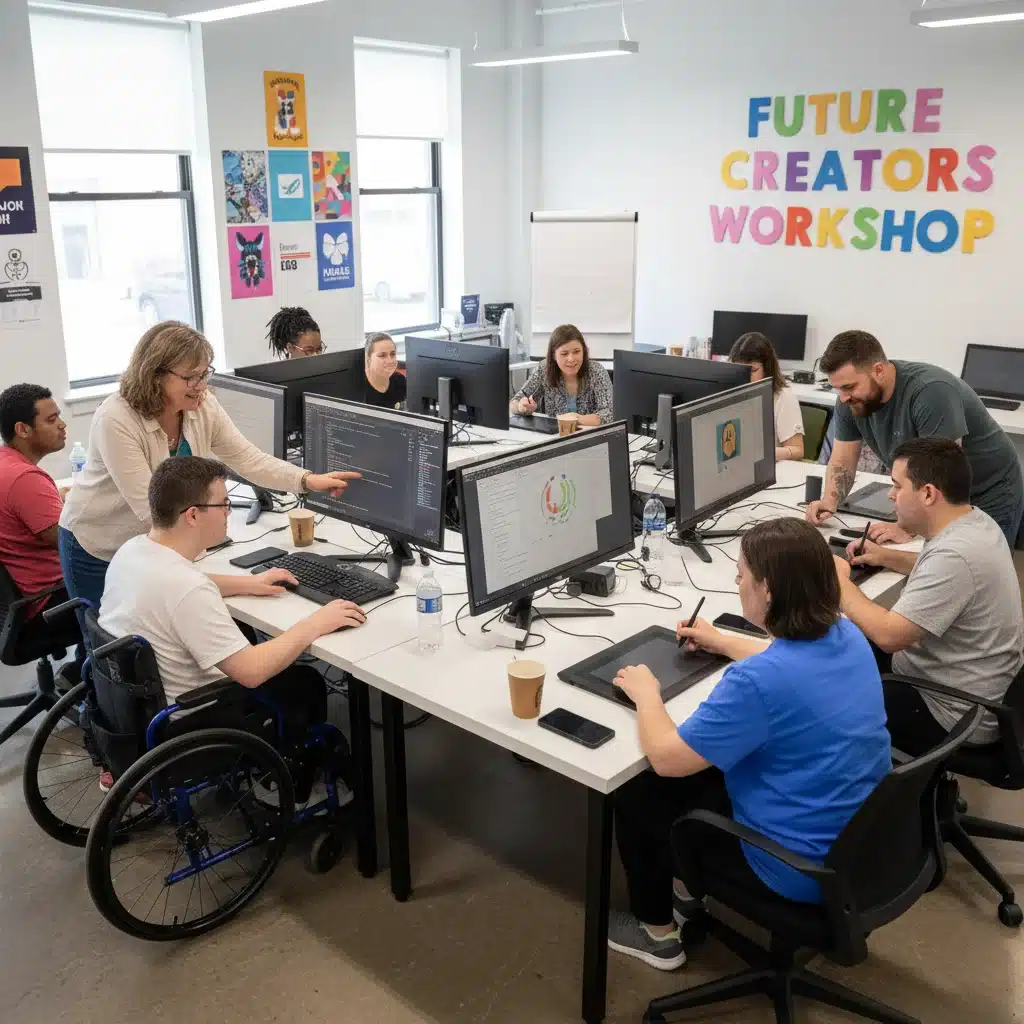
The rise of remote work, accelerated by recent global events, has opened up new avenues for employment for individuals with special needs. Remote positions can eliminate barriers related to transportation, physical accessibility of workplaces, and sensory overload. Flexible work arrangements, such as part-time hours, compressed workweeks, or adjustable schedules, can also accommodate varying energy levels or medical appointments, allowing individuals to manage their health needs while maintaining employment. Employers embracing these models are at the forefront of effective inclusive employment strategies.
Digital Support Networks and Resources
Technology can also facilitate access to vital support networks and resources. Online communities, forums, and virtual support groups can connect individuals with special needs to share experiences, advice, and job leads. Moreover, digital platforms can provide access to vocational rehabilitation services, counseling, and job coaching remotely, making these critical services more accessible to a wider population, regardless of geographical location.
4. Advocacy and Policy Reform for Systemic Change
While individual and organizational efforts are crucial, systemic change driven by advocacy and policy reform remains essential for truly widespread inclusive employment strategies. This involves challenging existing norms, promoting legislative changes, and ensuring enforcement of disability rights.
Strengthening Disability Rights Legislation
The Americans with Disabilities Act (ADA) has been instrumental, but ongoing advocacy is needed to ensure its robust enforcement and to address emerging challenges. This includes advocating for clearer guidelines on reasonable accommodations, stronger penalties for discrimination, and updated definitions to encompass a broader range of disabilities, particularly those that are invisible or evolving. Policy reforms should also focus on incentivizing employers to hire and retain individuals with special needs, perhaps through tax credits or grant programs.
Promoting Inclusive Education and Transition Programs
The foundation for successful adult employment is laid during childhood and adolescence. Advocacy for inclusive education models that prepare students with special needs for post-secondary education and employment is vital. This includes robust transition programs that bridge the gap between school and work, offering vocational training, work experience, and career counseling. Early intervention and continuous support are key to building confidence and skills necessary for the job market.
Challenging Stigma and Changing Perceptions
A significant barrier to inclusive employment is the persistent stigma surrounding disability. Advocacy efforts must focus on public awareness campaigns that highlight the capabilities, talents, and economic contributions of individuals with special needs. Storytelling, media representation, and educational initiatives can help to shift societal perceptions, moving away from pity or stereotypes towards recognition of diversity and inclusion as strengths. Employers need to understand that hiring individuals with special needs is not just a matter of social responsibility but a strategic business advantage, bringing diverse perspectives, problem-solving approaches, and often higher retention rates.
Employer Engagement and Best Practices Sharing
Advocacy also involves actively engaging employers to share best practices and demonstrate the business case for inclusive hiring. This can be achieved through industry conferences, employer networks, and partnerships with disability organizations. Highlighting successful inclusive workplaces and the positive impact on productivity, innovation, and company culture can inspire other businesses to adopt similar inclusive employment strategies. Government agencies and non-profits can play a crucial role in facilitating these connections and disseminating valuable resources.
Conclusion: Building a Brighter, More Inclusive Future by 2026
The journey towards truly inclusive employment for U.S. adults with special needs is ongoing, but with concerted effort and strategic planning, significant strides can be made by 2026. By focusing on tailored skill development, fostering inclusive workplace cultures with robust accommodations, leveraging technology for greater access and support, and advocating for systemic policy reform, we can create a job market where every individual has the opportunity to contribute their unique talents and achieve their full potential. These four strategies are interconnected and mutually reinforcing, forming a comprehensive framework for a more equitable and prosperous future. Embracing these inclusive employment strategies is not just about doing what is right; it is about building a stronger, more innovative, and resilient workforce for everyone.