Inclusive Education 2026: Strategies for US Special Needs Students
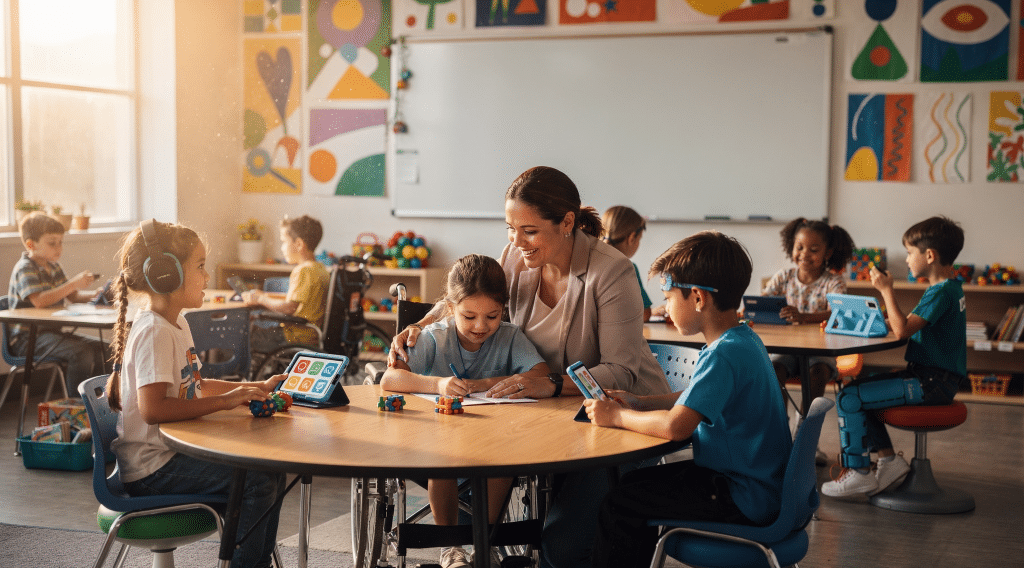
Achieving a 15% increase in inclusive education for students with special needs in US schools by 2026 demands a concerted focus on personalized learning, advanced assistive technologies, and comprehensive teacher development initiatives.
The pursuit of truly equitable educational landscapes is a continuous journey, one that in 2026 sees the United States setting ambitious targets. The goal of achieving 15% more inclusive education: 2026 strategies for students with special needs in US schools is not merely an aspiration but a tangible commitment to fostering environments where every student can thrive. This objective necessitates a critical examination of existing frameworks, a willingness to innovate, and a dedication to implementing strategies that genuinely bridge educational gaps. As we move further into the decade, the focus intensifies on creating systems that are not only accessible but also deeply supportive and empowering for all learners, especially those with diverse needs.
Rethinking individualized education programs (IEPs) for 2026
Individualized Education Programs (IEPs) have long been the cornerstone of special education in the US, but their effectiveness is continually being re-evaluated to meet the evolving needs of students. For 2026, the emphasis is shifting towards more dynamic, student-centered IEPs that truly reflect individual strengths and aspirations rather than merely addressing deficits. This involves a collaborative approach where students, families, educators, and specialists work together to craft personalized learning pathways.
The updated vision for IEPs in 2026 incorporates a greater focus on transition planning from an earlier age, ensuring students are prepared not just for academic success but also for meaningful post-school outcomes, whether that be higher education, vocational training, or independent living. Technology also plays a more central role, with IEPs detailing specific assistive technologies and digital tools tailored to each student’s learning style and needs.
Enhancing student and family involvement
Meaningful inclusion begins with genuine participation. Empowering students to advocate for their own needs and involving families as full partners in the IEP process are critical elements of the 2026 strategy. This means moving beyond perfunctory meetings to foster ongoing dialogue and shared decision-making.
- Student voice amplification: Utilizing tools and strategies to ensure students, regardless of communication abilities, can express their goals and preferences.
- Family empowerment workshops: Providing resources and training for families to understand their rights and effectively contribute to educational planning.
- Collaborative goal setting: Shifting from prescriptive goals to those co-created with students and families, aligning with their personal visions for the future.
The evolution of IEPs is not just about compliance; it’s about creating living documents that adapt as students grow, ensuring they receive the most appropriate and effective support throughout their educational journey. This proactive and collaborative stance is essential for achieving greater inclusivity.
Leveraging assistive technology and adaptive tools
The rapid advancements in technology offer unprecedented opportunities to enhance inclusive education, particularly for students with special needs. By 2026, assistive technology (AT) is no longer a supplementary resource but an integral component of the learning environment, designed to break down barriers and unlock potential. This includes everything from sophisticated communication devices to AI-powered learning platforms that adapt to individual learning paces and styles.
Integrating these tools effectively requires more than just procurement; it demands comprehensive training for educators, ongoing assessment of student needs, and a commitment to keeping pace with technological innovations. The goal is to create a seamless learning experience where technology empowers students to access curriculum, communicate, and demonstrate their understanding independently.
AI-powered personalized learning platforms
Artificial intelligence is revolutionizing how we approach personalized learning. AI-powered platforms can analyze student performance, identify areas of struggle, and recommend tailored interventions or content. This adaptive learning approach ensures that instruction is always at the optimal level of challenge, preventing frustration and fostering engagement.
- Real-time feedback: AI tutors provide immediate feedback, allowing students to correct errors and reinforce learning actively.
- Differentiated content delivery: Platforms can present information in various formats (visual, auditory, textual) to match individual preferences and needs.
- Progress tracking and analytics: Educators gain valuable insights into student progress, enabling them to make data-driven instructional decisions.
The strategic deployment of assistive technology and adaptive tools is paramount in achieving a more inclusive educational landscape. These innovations not only support students with special needs but also enrich the learning experience for all, fostering a more dynamic and accessible classroom for 2026 and beyond.
Professional development for inclusive educators
The success of any inclusive education initiative hinges on the efficacy and preparedness of its educators. For 2026, a significant focus is placed on robust professional development programs designed to equip teachers with the skills, knowledge, and confidence to meet the diverse needs of all students in their classrooms. This goes beyond basic training, delving into advanced pedagogical techniques, disability awareness, and the effective integration of assistive technologies.
These programs emphasize a shift from traditional, segregated approaches to a truly collaborative model where general education and special education teachers co-plan and co-teach. Such collaboration ensures that all students benefit from diverse instructional strategies and that support is seamlessly integrated into the regular classroom environment. Continuous learning and peer mentoring are also critical components, fostering a culture of shared expertise and ongoing improvement.
Cultivating inclusive classroom practices
Beyond theoretical knowledge, teachers need practical skills to create and maintain inclusive classrooms. Professional development initiatives for 2026 are geared towards hands-on training and opportunities for educators to apply new strategies in real-world settings.
- Universal design for learning (UDL) implementation: Training on how to design lessons and environments that are accessible to all learners from the outset.
- Differentiated instruction techniques: Equipping teachers with strategies to modify curriculum, instruction, and assessment to meet varied student needs.
- Behavior management and positive supports: Focusing on proactive strategies to create a supportive classroom culture that addresses behavioral challenges constructively.
Investing in comprehensive professional development is not just about upskilling individual teachers; it’s about building a collective capacity within schools to embrace and excel in inclusive practices. This commitment ensures that educators are well-prepared to facilitate an environment where every student feels valued and can achieve their full potential.
Promoting universal design for learning (UDL)
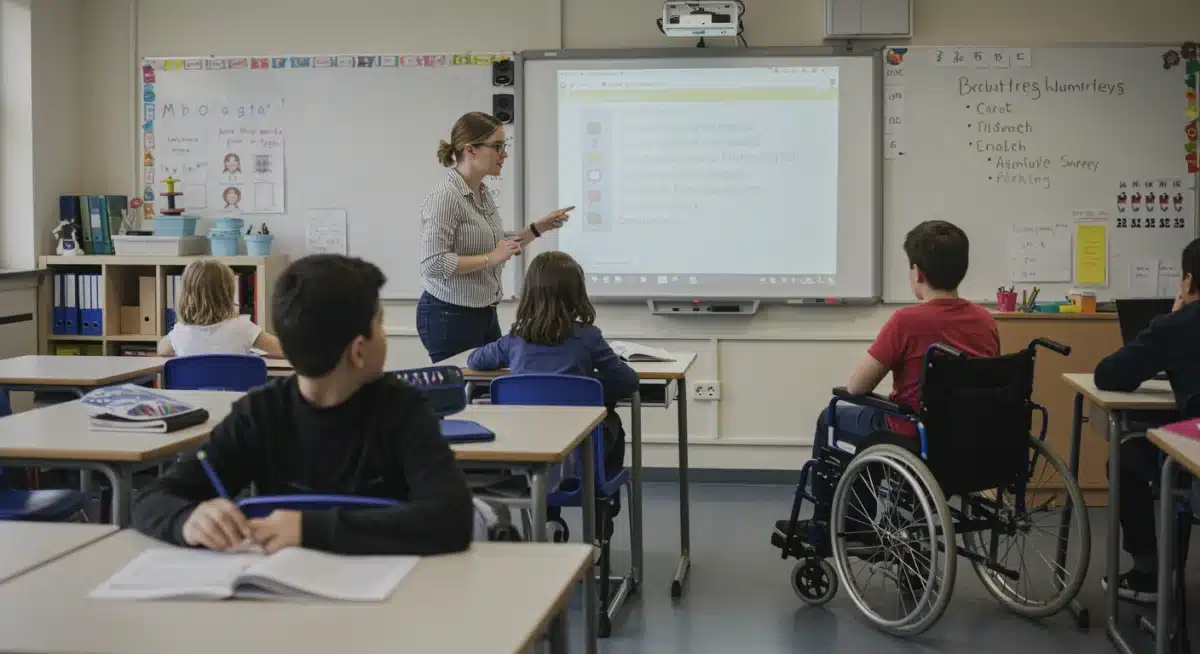
Universal Design for Learning (UDL) represents a paradigm shift in educational planning, moving away from retrofitting accommodations to proactively designing learning environments that are inherently accessible to all students. By 2026, UDL is becoming a foundational principle in curriculum development and instructional practice across US schools, aiming to significantly boost inclusive education. This approach recognizes the diversity of learners and provides multiple means of engagement, representation, and action and expression.
Implementing UDL means that lessons are designed with flexibility from the start, offering various ways for students to interact with content, demonstrate their knowledge, and be motivated to learn. This proactive stance reduces the need for individual modifications later on, creating a more seamless and equitable learning experience for everyone, including those with special needs. It’s about thoughtful planning that anticipates varied learning styles and challenges.
Key principles of UDL integration
For UDL to be truly effective, it must be integrated systematically across all aspects of the educational system. This involves not only teacher training but also curriculum design, assessment methods, and the physical learning environment itself.
- Multiple means of engagement: Offering choice and autonomy, fostering relevance, value, and authenticity, and sustaining effort and persistence through varied approaches.
- Multiple means of representation: Presenting information and content in different ways to cater to diverse perceptual and cognitive abilities.
- Multiple means of action & expression: Providing various ways for students to navigate learning and demonstrate what they know, moving beyond traditional tests and essays.
The widespread adoption of UDL is critical in achieving the 2026 goal for inclusive education. By designing learning experiences that are inherently flexible and responsive, schools can create environments where every student has an equal opportunity to learn, grow, and succeed, irrespective of their individual needs or challenges.
Strengthening school-community partnerships
Achieving a truly inclusive educational system extends beyond the classroom walls, requiring robust partnerships between schools and their surrounding communities. By 2026, these collaborations are recognized as essential for providing holistic support to students with special needs and their families. Community organizations, local businesses, healthcare providers, and parent groups all play a vital role in creating a supportive ecosystem that reinforces learning and development.
These partnerships can offer a wealth of resources, from after-school programs and vocational training opportunities to mental health services and family support networks. When schools actively engage with the community, they can better understand and address the broader needs of their students, ensuring that support is continuous and comprehensive. This integrated approach helps to break down silos and build a stronger, more inclusive fabric for all members of society.
Community-based learning opportunities
Beyond traditional academic settings, community partnerships open doors to invaluable experiential learning. These opportunities allow students with special needs to apply classroom knowledge in real-world contexts, develop essential life skills, and explore potential career paths.
- Internships and apprenticeships: Collaborating with local businesses to provide structured work experiences tailored to student abilities and interests.
- Volunteer programs: Engaging students in community service projects that foster social responsibility and build confidence.
- Recreational and social groups: Partnering with community centers to offer inclusive activities that promote social development and belonging.
The strength of school-community partnerships lies in their ability to create a network of support that extends far beyond the school day. By leveraging these external resources, schools can provide a more enriched and inclusive experience, preparing students with special needs for successful and fulfilling lives within their communities.
Policy and funding reforms for 2026
The ambitious goal of achieving 15% more inclusive education by 2026 necessitates significant policy and funding reforms at both federal and state levels. Existing legislative frameworks are being reviewed and updated to ensure they adequately support inclusive practices, address disparities, and provide the necessary resources for implementation. This includes re-evaluating funding formulas to incentivize inclusive placements and providing grants for innovative programs.
There is a growing recognition that true inclusion requires more than just mandates; it demands sustained financial commitment to teacher training, assistive technology, accessible infrastructure, and specialized support staff. Policy reforms are also focusing on reducing bureaucratic hurdles, streamlining processes for IEP development, and fostering greater accountability for inclusive outcomes. The objective is to create a legislative and financial landscape that actively promotes and sustains inclusive educational environments across the nation.
Key policy shifts and financial allocations
To meet the 2026 targets, specific policy changes and funding priorities are being implemented to ensure resources are directed where they are most needed and effective.
- Increased federal funding for IDEA: Advocating for full funding of the Individuals with Disabilities Education Act (IDEA) to support state and local inclusive initiatives.
- Incentive grants for inclusive models: Establishing financial incentives for school districts that successfully implement and demonstrate effective inclusive programs.
- Data-driven accountability: Developing clearer metrics and reporting requirements to track progress in inclusive education and identify areas needing improvement.
These policy and funding reforms are not merely administrative adjustments; they are fundamental shifts designed to create a more equitable and supportive educational system. By providing the necessary legislative backing and financial resources, the US aims to solidify its commitment to inclusive education, ensuring that the 2026 goal is not just met, but surpassed, for the benefit of all students with special needs.
| Key Strategy | Brief Description |
|---|---|
| Dynamic IEPs | Student-centered, flexible Individualized Education Programs with early transition planning and technology integration. |
| Assistive Technology | Seamless integration of AI-powered and adaptive tools to personalize learning and remove barriers. |
| Educator Development | Comprehensive training for teachers in UDL, differentiated instruction, and collaborative inclusive practices. |
| UDL Implementation | Proactive design of learning environments that are inherently accessible to all students from the outset. |
Frequently asked questions about inclusive education in 2026
It signifies a national goal to increase the percentage of students with special needs who are educated in general education classrooms for 80% or more of their school day by 15% compared to baseline figures from an earlier year. This aims to reduce segregation and enhance integration.
Technology, particularly assistive devices and AI-powered personalized learning platforms, will be crucial. These tools adapt to individual learning styles, provide real-time support, and offer multiple ways for students to access content and demonstrate understanding, fostering greater independence.
Teachers are central. Extensive professional development in Universal Design for Learning (UDL), differentiated instruction, and collaborative teaching models is essential. Educators need skills to create flexible, supportive, and engaging environments for all learners, including those with special needs.
Yes, policy and funding reforms are critical. This includes re-evaluating funding formulas to incentivize inclusive placements, increasing federal support for IDEA, and establishing grants for innovative inclusive programs. Policies will also focus on accountability for inclusive outcomes.
Families are vital partners. Their active involvement in IEP development, advocacy for their child’s needs, and participation in school-community partnerships strengthens the inclusive framework. Their insights ensure educational plans are truly personalized and effective.
Conclusion
The journey towards achieving 15% more inclusive education: 2026 strategies for students with special needs in US schools is a multifaceted endeavor that promises profound benefits for all. By embracing dynamic IEPs, leveraging cutting-edge assistive technology, investing in comprehensive professional development for educators, championing Universal Design for Learning, and forging strong school-community partnerships, the US educational system is poised for a transformative shift. These concerted efforts, underpinned by necessary policy and funding reforms, aim to create learning environments where every student, regardless of their abilities, is not only accommodated but truly belongs and thrives. The commitment to inclusivity is a commitment to a richer, more equitable future for American education.