AI in Caregiving: Streamlining Tasks by 15% by 2026
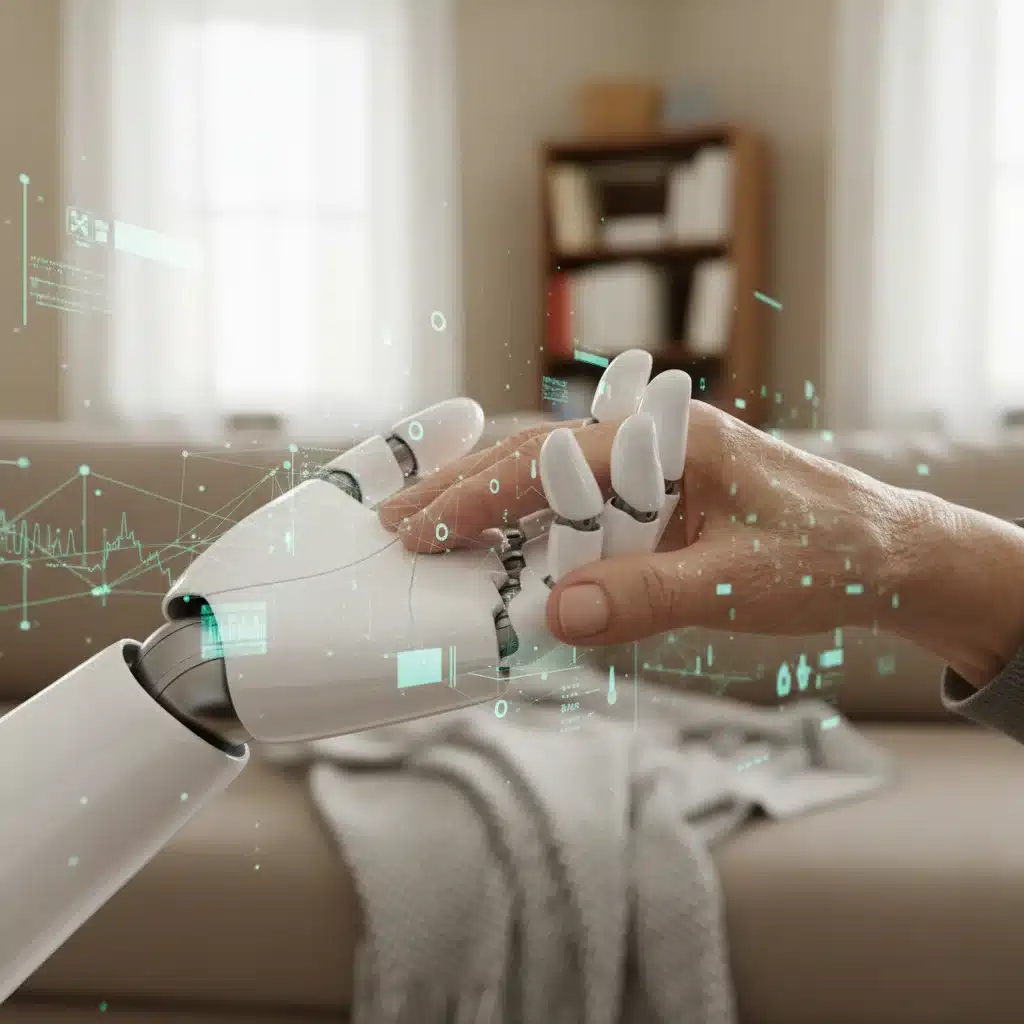
AI in Caregiving: Streamlining Tasks by 15% by 2026
The landscape of caregiving is undergoing a profound transformation, driven by advancements in artificial intelligence (AI). As the global population ages and the demand for quality care intensifies, the role of technology, particularly AI, becomes increasingly critical. Experts predict that AI will streamline a significant portion of daily caregiver tasks, potentially reducing the burden by as much as 15% by 2026. This isn’t just about efficiency; it’s about enhancing the quality of life for both caregivers and care recipients, fostering greater independence, and allowing human caregivers to focus on the invaluable emotional and personal aspects of care.
The term ‘AI caregiver tasks’ encompasses a broad spectrum of applications, from automating routine administrative duties to providing sophisticated monitoring and predictive analytics. The goal is not to replace human interaction but to augment it, freeing up precious time and energy that can be redirected towards more meaningful engagement. This article will delve into the various ways AI is impacting caregiving, exploring the specific tasks it can streamline, the benefits it offers, the challenges that need to be addressed, and the exciting future that lies ahead for AI in caregiving.
The Growing Need for AI in Caregiving
The demographic shift towards an aging global population presents an unprecedented challenge to traditional caregiving models. With fewer informal caregivers available and a shortage of professional healthcare workers, innovative solutions are desperately needed. The emotional and physical toll on caregivers is immense, often leading to burnout, stress, and compromised personal well-being. This is where AI steps in as a powerful ally.
Consider the sheer volume of tasks that a typical caregiver manages daily: medication reminders, appointment scheduling, health monitoring, personal hygiene assistance, meal preparation, transportation, and emotional support, among others. Many of these tasks are repetitive, time-consuming, or require constant vigilance. By automating or assisting with these ‘AI caregiver tasks,’ AI can significantly alleviate the workload, allowing caregivers to allocate their time and energy more effectively.
Moreover, the complexity of care needs is increasing, especially for individuals with chronic conditions or cognitive impairments. AI offers the potential for more personalized and proactive care, identifying subtle changes in behavior or health metrics that might otherwise go unnoticed. This proactive approach can prevent crises, improve health outcomes, and ultimately enhance the overall quality of care provided.
Specific AI Applications Streamlining Caregiver Responsibilities
The promise of streamlining 15% of daily tasks by 2026 is rooted in a variety of AI applications already being developed and implemented. These technologies are designed to tackle specific ‘AI caregiver tasks’ with precision and efficiency.
Medication Management and Adherence
One of the most critical and often challenging aspects of caregiving is ensuring proper medication adherence. Missed doses or incorrect dosages can lead to serious health complications. AI-powered smart pill dispensers can be programmed to dispense medications at specific times, issue audio or visual reminders, and even notify caregivers if a dose is missed. AI algorithms can also analyze medication schedules and patient data to identify potential drug interactions or suggest optimal timing for administration, significantly reducing the cognitive load on caregivers.
Remote Monitoring and Safety
For individuals living independently or with minimal supervision, remote monitoring systems are invaluable. AI-driven sensors can detect falls, unusual activity patterns, or extended periods of inactivity, immediately alerting caregivers or emergency services. Wearable devices equipped with AI can track vital signs, sleep patterns, and activity levels, providing a comprehensive overview of the care recipient’s health status. This proactive monitoring not only enhances safety but also offers peace of mind to caregivers, knowing that their loved ones are being watched over even when they are not physically present. These systems effectively manage ‘AI caregiver tasks’ related to constant vigilance.
Personalized Health and Wellness Support
AI can tailor health and wellness recommendations based on an individual’s specific needs, preferences, and health data. This includes AI-powered apps that suggest personalized exercise routines, dietary plans, or cognitive stimulation activities. Chatbots and virtual assistants can provide instant answers to health-related questions, offer emotional support, or guide users through relaxation techniques. By automating these personalized interventions, AI empowers care recipients to take a more active role in their own well-being, reducing the direct involvement required from caregivers for routine health management ‘AI caregiver tasks’.
Administrative and Coordination Tasks
Caregiving often involves a significant amount of administrative work, including scheduling appointments, managing medical records, communicating with healthcare providers, and handling insurance claims. AI-powered virtual assistants and specialized software can automate many of these ‘AI caregiver tasks.’ They can schedule appointments, send reminders, organize digital health records, and even draft communications, freeing up valuable time for caregivers to focus on direct care.
Social Engagement and Cognitive Stimulation
Loneliness and social isolation are significant concerns for many care recipients. AI can facilitate social engagement through video calling platforms, virtual reality experiences that transport users to different places, or AI companions designed to engage in conversation and provide companionship. For cognitive stimulation, AI-powered games and applications can be personalized to an individual’s cognitive level, helping to maintain mental acuity and slow the progression of cognitive decline, thereby assisting with crucial ‘AI caregiver tasks’ related to mental well-being.

Benefits of AI for Caregivers and Care Recipients
The integration of AI into caregiving promises a multitude of benefits that extend beyond mere task streamlining. These advantages contribute to a more sustainable, effective, and compassionate care ecosystem.
Reduced Caregiver Burden and Burnout
By automating or assisting with routine and demanding ‘AI caregiver tasks,’ AI significantly reduces the physical and emotional burden on caregivers. This can lead to lower rates of caregiver burnout, improved mental health, and greater job satisfaction. When caregivers are less stressed, they are better equipped to provide high-quality, compassionate care.
Enhanced Safety and Independence for Care Recipients
AI-powered monitoring systems and assistive devices contribute to a safer environment for care recipients, especially those living alone. The ability to detect falls, monitor vital signs, and provide timely alerts can prevent emergencies and ensure prompt intervention. This enhanced safety, coupled with AI tools that support daily living, fosters greater independence, allowing individuals to maintain their autonomy for longer periods.
Improved Efficiency and Resource Allocation
The streamlining of ‘AI caregiver tasks’ through AI means that resources, both human and financial, can be allocated more efficiently. Professional caregivers can manage more clients or dedicate more time to complex care needs, while family caregivers can balance their responsibilities more effectively. This efficiency is crucial in an era of increasing demand for care services.
Personalized and Proactive Care
AI’s ability to analyze vast amounts of data allows for the creation of highly personalized care plans. These plans can adapt in real-time to changes in a care recipient’s health or routine, offering proactive interventions rather than reactive responses. This level of personalized care can lead to better health outcomes and a higher quality of life.
Better Communication and Coordination
AI tools can facilitate seamless communication between caregivers, family members, and healthcare providers. Centralized platforms can share real-time updates on a care recipient’s status, medication adherence, and well-being, ensuring that everyone involved in the care network is informed and coordinated. This improved communication is vital for effective care management and reduces misunderstandings, which are common ‘AI caregiver tasks’ pitfalls.
Challenges and Ethical Considerations
While the potential of AI in caregiving is immense, its implementation is not without challenges and ethical considerations. Addressing these issues is crucial for successful and equitable adoption.
Data Privacy and Security
AI systems in caregiving collect and process sensitive personal health information. Ensuring the privacy and security of this data is paramount. Robust cybersecurity measures, clear data usage policies, and compliance with regulations like HIPAA are essential to build trust and protect individuals’ rights. The ethical implications of data ownership and access must be carefully considered when developing and deploying ‘AI caregiver tasks’ solutions.
Cost and Accessibility
The initial cost of AI technologies can be a barrier for many families and care organizations. Ensuring that these beneficial tools are accessible to all, regardless of socioeconomic status, requires innovative funding models, government subsidies, and the development of affordable solutions. Bridging the digital divide is also important, as not everyone has access to reliable internet or the digital literacy needed to utilize these technologies effectively.
Maintaining Human Connection
A primary concern is that AI might dehumanize caregiving by reducing human interaction. It is crucial to emphasize that AI is a tool to augment, not replace, human caregivers. The emotional support, empathy, and personal connection provided by human caregivers are irreplaceable. The design and implementation of AI solutions must always prioritize maintaining and enhancing human connection, ensuring that ‘AI caregiver tasks’ are supportive rather than isolating.
Bias and Fairness in AI Algorithms
AI algorithms can inadvertently perpetuate or amplify existing biases present in the data they are trained on. This could lead to unfair or inequitable care recommendations for certain demographic groups. Developers must actively work to identify and mitigate biases in AI systems, ensuring that ‘AI caregiver tasks’ are fair and beneficial for all populations. Regular auditing and transparent algorithm design are key to addressing this challenge.
Training and Adoption
Caregivers, both professional and family, will require training to effectively utilize new AI tools. Resistance to change, lack of technical proficiency, or skepticism about technology can hinder adoption. Comprehensive training programs, user-friendly interfaces, and ongoing support are essential to ensure that ‘AI caregiver tasks’ are embraced and integrated seamlessly into daily routines.

The Future of AI in Caregiving: Beyond 2026
The prediction of streamlining 15% of daily ‘AI caregiver tasks’ by 2026 is just the beginning. As AI technology continues to evolve, its impact on caregiving is expected to grow exponentially. We can anticipate even more sophisticated and integrated solutions that will further revolutionize the sector.
Proactive Health Management and Predictive Analytics
Future AI systems will likely move beyond reactive monitoring to highly proactive health management. AI will be able to analyze vast datasets, including genetic information, lifestyle choices, and environmental factors, to predict potential health issues before they arise. This will enable highly personalized preventive care strategies, further reducing the burden of managing chronic conditions and complex ‘AI caregiver tasks’. Imagine AI suggesting specific dietary changes or exercise routines based on real-time physiological data to prevent a diabetic crisis.
Robotics and AI Integration
The integration of AI with robotics will lead to the development of more advanced assistive robots. These robots could help with physical ‘AI caregiver tasks’ such as lifting and transferring individuals, assisting with mobility, or performing household chores. While still in early stages, robotic companions could also offer more sophisticated social interaction and emotional support, acting as intelligent assistants that adapt to the care recipient’s mood and preferences.
Virtual and Augmented Reality for Training and Engagement
Virtual Reality (VR) and Augmented Reality (AR) technologies, powered by AI, will play a significant role in caregiver training and care recipient engagement. VR simulations can provide immersive training environments for caregivers to practice complex procedures or communication techniques. For care recipients, AR applications could offer interactive cognitive exercises or virtual travel experiences, enhancing mental well-being and reducing feelings of isolation, effectively addressing specific ‘AI caregiver tasks’ related to engagement.
Smarter Homes and Communities
The concept of ‘smart homes’ will evolve into ‘smart care communities’ where AI-powered infrastructure seamlessly supports independent living. Homes will be equipped with intelligent sensors and devices that learn an individual’s routines and preferences, providing subtle assistance and proactive alerts. Community-wide AI systems could coordinate transportation, social activities, and access to services, creating a holistic support network that minimizes the need for direct intervention in many ‘AI caregiver tasks’.
Ethical AI Development and Regulation
As AI becomes more pervasive in caregiving, the importance of ethical AI development and robust regulatory frameworks will grow. Discussions around data governance, algorithmic transparency, accountability for AI decisions, and the societal impact of AI will be critical. Ensuring that AI serves humanity’s best interests in caregiving will require ongoing collaboration between technologists, ethicists, policymakers, and caregivers themselves.
Implementing AI in Your Caregiving Journey
For caregivers looking to embrace AI, the journey can begin with exploring readily available technologies that address specific ‘AI caregiver tasks’. Start small and gradually integrate solutions that align with your needs and comfort level.
Assess Your Needs
Identify the most challenging or time-consuming ‘AI caregiver tasks’ in your daily routine. Is it medication management, monitoring safety, or coordinating appointments? Pinpointing these areas will help you prioritize which AI solutions to explore first.
Research Available Technologies
There’s a growing market of AI-powered tools designed for caregiving. Look into smart home devices, wearable health monitors, medication dispensers, and virtual assistants. Read reviews, compare features, and consider consulting with healthcare professionals or tech experts for recommendations tailored to your situation.
Start with Simple Solutions
You don’t need to overhaul your entire caregiving approach at once. Begin with a single, easy-to-implement AI tool that addresses a specific pain point. For example, a smart speaker for reminders or a basic fall detection sensor. This allows for a gradual learning curve and builds confidence.
Prioritize User-Friendliness
Choose technologies that are intuitive and easy for both the caregiver and the care recipient to use. Complex interfaces can lead to frustration and hinder adoption. Look for clear instructions, accessible customer support, and designs that cater to varying levels of tech literacy.
Ensure Privacy and Security
Before adopting any AI tool, thoroughly research its data privacy policies and security measures. Understand how your data will be collected, stored, and used. Opt for reputable providers who prioritize user privacy, especially when dealing with sensitive health information related to ‘AI caregiver tasks’.
Seek Training and Support
Many AI device manufacturers offer tutorials and customer support. Additionally, community organizations or online forums might provide resources and peer support for caregivers navigating new technologies. Don’t hesitate to seek help if you encounter challenges.
Maintain Human Connection
Remember that AI is a tool to enhance, not replace, human interaction. Use the time saved by AI to engage more deeply with your care recipient, focusing on emotional support, companionship, and activities that foster well-being. The goal of streamlining ‘AI caregiver tasks’ is to free up capacity for the uniquely human aspects of care.
Conclusion
The integration of AI into caregiving represents a pivotal moment in how we approach support for an aging population and individuals with diverse needs. The projection that AI will streamline 15% of daily ‘AI caregiver tasks’ by 2026 is a testament to its transformative potential. From automating medication reminders and remote monitoring to providing personalized health insights and administrative relief, AI is poised to significantly reduce caregiver burden, enhance the safety and independence of care recipients, and improve the overall efficiency and quality of care.
While challenges related to data privacy, cost, and maintaining human connection must be thoughtfully addressed, the trajectory of AI in caregiving is undeniably positive. By embracing these technological advancements responsibly and strategically, we can build a future where caregivers are better supported, care recipients live more independently, and the act of caregiving itself becomes more sustainable and fulfilling. The journey has just begun, and the coming years promise even more innovative solutions that will redefine the very essence of care.