Preventing Household Illnesses 2026: Expert Strategies to Cut Sick Days by 20%

Preventing Household Illnesses in 2026: Expert Strategies to Reduce Sick Days by 20% This Year
As we navigate the complexities of modern life, maintaining a healthy home environment has become more critical than ever. The constant threat of common household illnesses can disrupt daily routines, impact productivity, and strain family well-being. But what if you could significantly reduce the incidence of sickness in your home? This comprehensive guide, focusing on household illness prevention, offers expert strategies designed to help you achieve a remarkable 20% reduction in sick days by 2026. By implementing these practical and scientifically-backed tips, you can transform your home into a fortress of health, protecting your loved ones from seasonal bugs, common infections, and other health challenges.
The journey to a healthier home begins with understanding the enemy: the myriad of pathogens that can easily spread within a household. From the common cold and flu to more persistent viral and bacterial infections, these illnesses thrive in environments where prevention is overlooked. Our goal is to empower you with the knowledge and actionable steps to create a proactive defense, ensuring fewer doctor visits, less discomfort, and more vibrant, healthy days for everyone under your roof.
The Silent Spreaders: Understanding Common Household Illnesses
Before we delve into prevention, it’s essential to understand the most common culprits behind household illnesses. These typically include:
- The Common Cold and Flu: Caused by various viruses, these respiratory infections are highly contagious and spread through airborne droplets and contaminated surfaces. Symptoms include sneezing, coughing, sore throat, fever, and body aches.
- Gastrointestinal Infections (Stomach Flu): Often caused by norovirus or rotavirus, these lead to vomiting, diarrhea, and abdominal cramps. They spread rapidly through contaminated food, water, or direct contact with an infected person.
- Streptococcal Infections (Strep Throat): A bacterial infection causing a sore throat, fever, and sometimes a rash. It spreads through respiratory droplets.
- Conjunctivitis (Pink Eye): An inflammation of the eye’s outer membrane, caused by viruses, bacteria, or allergens. Highly contagious, especially the viral and bacterial forms.
- Skin Infections: Conditions like impetigo or ringworm, often caused by bacteria or fungi, can spread through direct contact or shared items.
The insidious nature of these illnesses lies in their ability to spread before symptoms even appear, or through asymptomatic carriers. This makes a consistent, multi-faceted approach to household illness prevention absolutely crucial.
Pillar 1: Fortifying Your Home with Superior Hygiene Practices
Good hygiene is the cornerstone of effective household illness prevention. It’s not just about occasional cleaning; it’s about establishing habits that actively combat germ spread.
Hand Hygiene: Your First Line of Defense
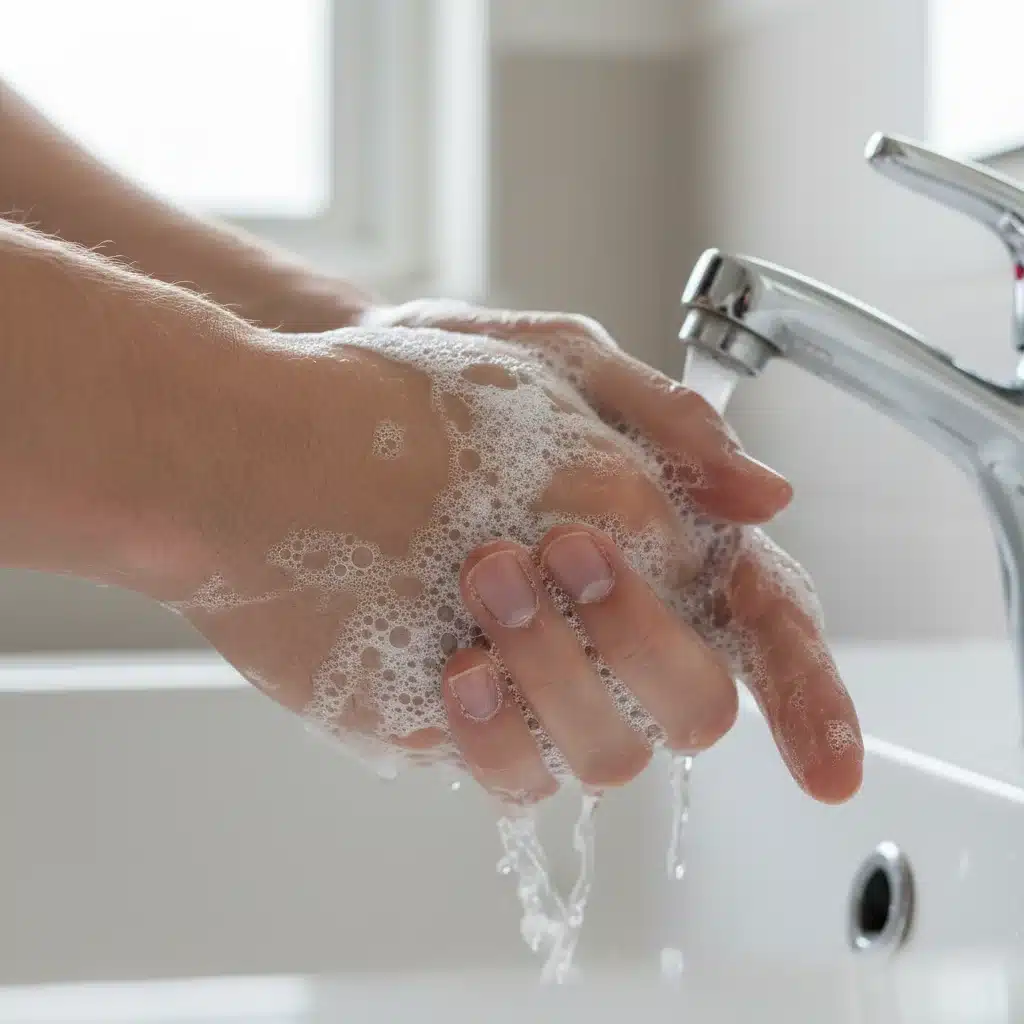
Handwashing remains the single most effective way to prevent the spread of infections. Teach and reinforce proper handwashing techniques for all family members:
- Frequency Matters: Wash hands frequently, especially after coughing, sneezing, blowing your nose, using the restroom, before and after preparing food, before eating, and after touching shared surfaces or coming home from public places.
- The 20-Second Rule: Use warm water and soap, lathering for at least 20 seconds (the time it takes to sing ‘Happy Birthday’ twice). Ensure all surfaces of the hands are scrubbed, including between fingers and under nails.
- Alcohol-Based Sanitizers: When soap and water aren’t available, use an alcohol-based hand sanitizer with at least 60% alcohol content. While effective, sanitizers don’t eliminate all types of germs and are not a substitute for proper handwashing when hands are visibly dirty.
Surface Sanitation: Targeting High-Touch Areas
Germs can survive on surfaces for hours or even days. Regular cleaning and disinfection of high-touch surfaces are vital for household illness prevention.
- Identify Hot Spots: Focus on doorknobs, light switches, remote controls, phone screens, countertops, faucets, toilet handles, and appliance handles.
- Clean vs. Sanitize vs. Disinfect: Understand the difference. Cleaning removes dirt and grime. Sanitizing reduces germs to a safe level. Disinfecting kills most germs. For illness prevention, aim for sanitizing or disinfecting high-touch surfaces regularly.
- Use Approved Products: Follow product instructions carefully. Many common household disinfectants are effective against viruses and bacteria. Natural alternatives like diluted bleach solutions or hydrogen peroxide can also be used, but always check their efficacy against specific pathogens.
- Frequency: During cold and flu season, increase the frequency of disinfection, especially if someone in the household is ill.
Laundry and Linens: Stopping Germs in Their Tracks
Fabrics can harbor germs, contributing to the spread of illness. Regular and proper laundry practices are key:
- Wash in Hot Water: Whenever possible, wash bedding, towels, and clothes of sick individuals in hot water (at least 140°F or 60°C) to kill germs.
- Separate Items: Keep soiled laundry from sick family members separate from other items until washed.
- Disinfect Surfaces: Clean and disinfect laundry baskets and hampers regularly.
- Personal Items: Encourage individual use of towels, washcloths, and personal hygiene items to prevent cross-contamination.
Pillar 2: Boosting Immunity Through Lifestyle Choices
A robust immune system is your body’s best defense against illness. Lifestyle choices play a significant role in strengthening this internal army, making them a critical component of household illness prevention.
Nutrition: Fueling Your Immune System
What you eat directly impacts your immune response. A balanced diet rich in specific nutrients can significantly enhance your body’s ability to fight off infections.
- Vitamin C: Found in citrus fruits, bell peppers, and broccoli, Vitamin C is a powerful antioxidant that supports immune cell function.
- Vitamin D: Essential for immune regulation. Get it from sunlight exposure, fatty fish, fortified dairy products, or supplements.
- Zinc: Important for immune cell development and function, found in meat, shellfish, legumes, nuts, and seeds.
- Probiotics: Healthy gut flora contributes significantly to overall immunity. Incorporate fermented foods like yogurt, kefir, sauerkraut, and kimchi into your diet.
- Antioxidants: Berries, dark leafy greens, and colorful vegetables are packed with antioxidants that protect cells from damage and support immune health.
- Hydration: Drinking plenty of water helps maintain mucous membrane integrity, which acts as a physical barrier against pathogens.

Adequate Sleep: The Body’s Repair Cycle
Sleep deprivation weakens the immune system, making you more susceptible to infections. Prioritize sufficient, quality sleep for all family members.
- Establish a Routine: Go to bed and wake up at the same time each day, even on weekends, to regulate your body’s natural sleep-wake cycle.
- Create a Conducive Environment: Ensure bedrooms are dark, quiet, and cool.
- Limit Screen Time: Avoid electronic devices before bed, as the blue light can interfere with melatonin production.
- Aim for 7-9 Hours: Adults typically need 7-9 hours of sleep, while children and teenagers require more.
Regular Exercise: A Natural Immune Booster
Moderate, regular physical activity can enhance immune function by increasing circulation of immune cells. However, overtraining can have the opposite effect.
- Aim for Consistency: Incorporate at least 30 minutes of moderate-intensity exercise most days of the week. This could be brisk walking, cycling, swimming, or playing active games with family.
- Family Activities: Make exercise a family affair to encourage healthy habits in children and adults alike.
Stress Management: The Hidden Immune Suppressor
Chronic stress can suppress the immune system, making individuals more vulnerable to illness. Implementing stress-reduction techniques is a vital part of household illness prevention.
- Mindfulness and Meditation: Practices like deep breathing, yoga, or meditation can help reduce stress levels.
- Hobbies and Relaxation: Engage in activities that bring joy and relaxation.
- Social Connection: Maintain strong social bonds, as positive social interactions can buffer the effects of stress.
Pillar 3: Environmental Control and Air Quality
The air we breathe and the environment we live in profoundly impact our health. Controlling these factors is a crucial, often overlooked, aspect of household illness prevention.
Ventilation: Keeping Air Fresh and Moving
Poor ventilation allows airborne pathogens to linger, increasing the risk of transmission. Improving air circulation can make a significant difference.
- Open Windows: Regularly open windows and doors for short periods to allow fresh air to circulate, even in colder months.
- Use Exhaust Fans: Run exhaust fans in bathrooms and kitchens to remove moisture and airborne particles.
- HVAC Systems: Ensure your heating, ventilation, and air conditioning (HVAC) system is well-maintained. Change filters regularly (every 1-3 months) to improve air quality and trap allergens and some pathogens. Consider upgrading to HEPA filters if your system allows.
Humidity Control: An Unsung Hero
Maintaining optimal indoor humidity levels (between 40-60%) can inhibit the survival of many viruses and bacteria.
- Humidifiers: In dry climates or during winter, humidifiers can help keep mucous membranes moist and potentially reduce the spread of airborne viruses. Clean humidifiers regularly to prevent mold growth.
- Dehumidifiers: In humid environments, dehumidifiers can prevent mold and mildew growth, which can exacerbate respiratory issues.
Allergen Reduction: Minimizing Triggers
While not direct pathogens, allergens can irritate respiratory systems, making individuals more susceptible to infections. Reducing allergens is an indirect but important strategy for household illness prevention.
- Regular Cleaning: Dust and vacuum frequently, using a vacuum with a HEPA filter.
- Pet Dander: If you have pets, bathe them regularly and keep them out of bedrooms.
- Dust Mites: Use allergen-proof covers for mattresses and pillows, and wash bedding in hot water weekly.
Pillar 4: Smart Practices for When Illness Strikes
Despite the best prevention efforts, illnesses can still occur. Knowing how to manage them effectively can prevent widespread transmission within the household and minimize their impact.
Isolation and ‘Sick Room’ Protocols
When a family member falls ill, strategic isolation can contain the spread.
- Designate a Sick Zone: If possible, designate a specific bedroom and bathroom for the sick individual.
- Minimize Contact: Limit close contact with the ill person, especially for vulnerable family members (elderly, very young, or immunocompromised).
- Separate Utensils and Dishes: Use separate dishes, cups, and utensils for the sick person, and wash them thoroughly with hot, soapy water or in a dishwasher.
Cough and Sneeze Etiquette
Teach and practice proper respiratory etiquette to prevent the spread of airborne droplets.
- Cover Up: Always cough or sneeze into a tissue, then dispose of it immediately. If a tissue isn’t available, cough or sneeze into your elbow, not your hands.
- Hand Hygiene Follow-Up: Always wash hands immediately after coughing or sneezing.
Vaccinations: A Powerful Protective Layer
Vaccines are one of the most effective tools for household illness prevention, protecting against specific diseases and reducing their severity.
- Stay Up-to-Date: Ensure all family members receive recommended vaccinations, including the annual flu shot, measles-mumps-rubella (MMR), pertussis (whooping cough), and any other relevant immunizations.
- Community Immunity: High vaccination rates protect not only individuals but also the wider community, including those who cannot be vaccinated.
Pillar 5: Proactive Health Management and Awareness
Beyond daily routines, a proactive approach to health management and awareness can significantly bolster your household illness prevention strategy.
Regular Health Check-ups
Annual physicals and regular check-ups with healthcare providers are essential for monitoring overall health, catching potential issues early, and ensuring vaccinations are current. This proactive step helps identify underlying conditions that might compromise immunity, allowing for timely intervention.
Understanding Symptoms and When to Seek Medical Attention
Educate yourself and your family on common illness symptoms and the signs that warrant medical attention. Early diagnosis and treatment can prevent complications and reduce the duration and severity of illness, thereby limiting its spread.
- Fever: Persistent high fever, especially in infants or young children, should prompt a call to the doctor.
- Difficulty Breathing: Any signs of respiratory distress require immediate medical attention.
- Severe Pain: Unexplained or severe pain can indicate a more serious condition.
- Dehydration: Watch for signs of dehydration, particularly with gastrointestinal illnesses.
Building a Home First-Aid Kit and Essential Supplies
A well-stocked first-aid kit and a supply of essential health items can make a big difference when illness strikes, helping to manage symptoms and prevent further spread.
- Fever Reducers: Acetaminophen or ibuprofen.
- Oral Rehydration Solutions: For gastrointestinal illnesses.
- Thermometer: Essential for monitoring fever.
- Tissues, Hand Sanitizer, Disinfectant Wipes: For hygiene and surface cleaning.
- Comfort Items: Throat lozenges, vapor rub, saline nasal spray.
Educating Children About Germs and Hygiene
Children are often primary vectors for germ transmission. Teaching them about germs and good hygiene from a young age is an investment in long-term household illness prevention.
- Make it Fun: Use songs, games, and stories to teach about handwashing and covering coughs.
- Lead by Example: Children learn best by observing adults. Model good hygiene practices consistently.
- Explain the ‘Why’: Help them understand why these practices are important for staying healthy.
The 20% Reduction Goal: A Realistic and Achievable Target
Achieving a 20% reduction in sick days might sound ambitious, but with consistent application of these strategies, it is entirely within reach. Imagine the cumulative benefits: fewer missed school days for children, less lost productivity for adults, and a general uplift in family morale and well-being. This isn’t just about avoiding illness; it’s about fostering a lifestyle of sustained health and resilience.
Tracking Progress and Adapting Strategies
To truly measure your success in household illness prevention, consider tracking sick days. This doesn’t need to be formal; a simple calendar notation can suffice. Observing trends can help you identify peak illness periods, evaluate the effectiveness of your interventions, and adapt your strategies as needed. For example, if you notice an increase in respiratory illnesses during a particular season, you might intensify your ventilation and surface disinfection efforts.
Long-Term Benefits Beyond 2026
The habits and practices you establish for household illness prevention in 2026 will yield benefits far beyond this year. They will build a foundation for lifelong health, resilience, and a deeper understanding of well-being within your family. Investing in these prevention strategies is an investment in a healthier, happier future.
Conclusion: A Healthier Home Awaits
Preventing common household illnesses is not a passive endeavor; it requires conscious effort, consistent habits, and a holistic approach. By integrating superior hygiene practices, boosting immunity through healthy lifestyle choices, controlling your home environment, and acting smartly when illness does occur, you can significantly reduce the burden of sickness on your family.
The goal of reducing sick days by 20% in 2026 is an achievable benchmark that encourages proactive health management. Embrace these expert strategies, empower your family with knowledge, and watch as your home transforms into a sanctuary of health and vitality. Your efforts today will pave the way for a healthier, more vibrant tomorrow for everyone you cherish.