The Rise of Micro-Schools: Personalized Learning for Under $1,500/month in 2026 (INSIDER KNOWLEDGE)
In an educational landscape constantly evolving, a revolutionary model is gaining significant traction: the micro-school. As we navigate 2026, parents are increasingly seeking alternatives to traditional schooling that offer more personalized attention, flexibility, and community, without the prohibitive costs often associated with private education. Enter the micro-school – a dynamic solution providing high-quality, personalized learning for children, often at an astonishingly affordable price point of under $1,500 per month. This isn’t just a niche trend; it’s a fundamental shift in how we approach childcare and education, driven by a desire for better outcomes and greater value. Understanding the appeal of micro-schools and how they deliver personalized learning at such an accessible cost is crucial for any parent or educator looking ahead.
The concept of micro-schools isn’t entirely new, but its current iteration is a direct response to modern challenges and opportunities. Fuelled by technological advancements, a renewed focus on individualized educational paths, and the increasing financial strain on families, these small-group childcare options are becoming a beacon of hope. They bridge the gap between expensive private schools and often overcrowded public institutions, offering a compelling middle ground. This article will delve deep into the world of micro-schools, exploring their structure, pedagogical approaches, financial viability, and what makes them a game-changer for personalized learning in 2026.
What Exactly is a Micro-School? Defining the New Educational Paradigm
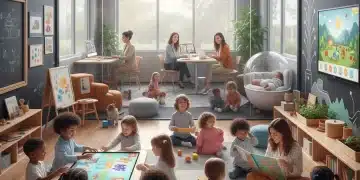
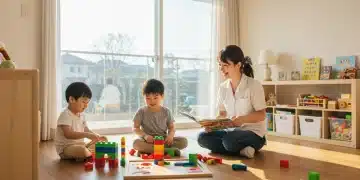
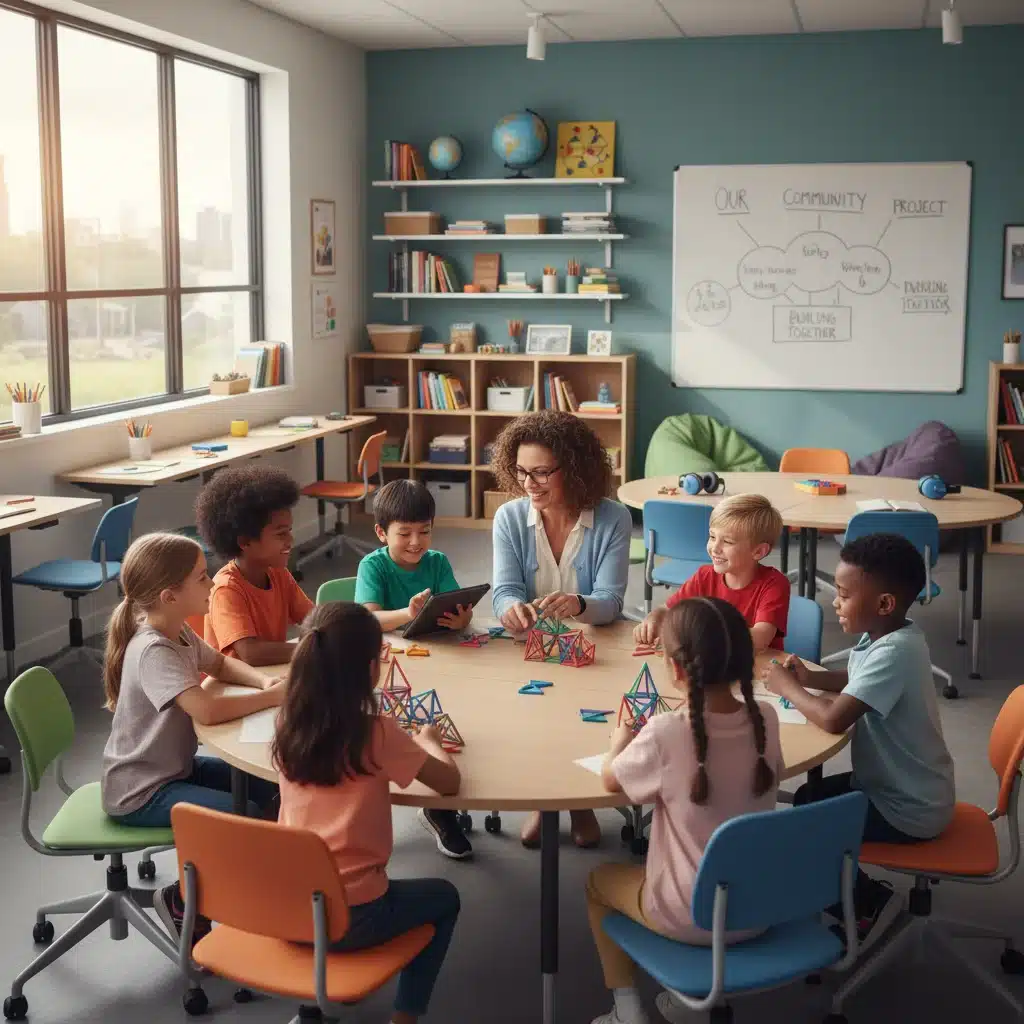
At its core, a micro-school is a small, independent educational institution typically serving anywhere from 5 to 15, or sometimes up to 30, students. Unlike traditional schools with large student bodies and multiple classrooms, micro-schools often operate out of dedicated spaces, community centers, or even homes, fostering a close-knit, family-like atmosphere. The defining characteristics of a micro-school revolve around its small class sizes, individualized attention, and often a flexible, innovative curriculum.
This model prioritizes the unique needs and learning styles of each child, moving away from a one-size-fits-all approach. Teachers in micro-schools often wear multiple hats, acting as mentors, facilitators, and guides rather than just instructors. The low student-to-teacher ratio is arguably the most significant advantage, allowing for truly personalized learning plans, immediate feedback, and a deeper understanding of each student’s progress and challenges.
Micro-schools are not simply smaller versions of traditional schools; they represent a philosophical departure. Many embrace project-based learning, interdisciplinary studies, and experiential education, moving beyond rote memorization to cultivate critical thinking, creativity, and problem-solving skills. This focus on holistic development, combined with an intimate setting, creates an environment where children can truly thrive academically, socially, and emotionally.
The Allure of Personalized Learning: Why Micro-Schools Excel
The term "personalized learning" is often used, but micro-schools truly embody its spirit. In a traditional classroom of 25-30 students, individualization can be a monumental challenge for even the most dedicated teacher. In a micro-school setting, however, it’s the norm.
Tailored Educational Paths
With fewer students, educators can meticulously craft learning plans that align with each child’s strengths, weaknesses, interests, and pace. This might mean accelerating a gifted student in math while providing additional support in reading for another. It allows for a dynamic curriculum that can adapt in real-time, rather than being rigidly confined to a predetermined schedule.
Deeper Teacher-Student Relationships
Small groups foster stronger bonds between students and teachers. This trust and understanding create a safe space for children to ask questions, take risks, and express themselves without fear of judgment. Teachers become more attuned to a child’s emotional state and learning triggers, leading to more effective instruction and mentorship.
Focus on Individual Interests and Passions
Micro-schools often have the flexibility to incorporate student interests into the curriculum. If a group of students is fascinated by marine biology, a unit might be developed around it, integrating science, reading, writing, and even art. This intrinsic motivation makes learning more engaging and memorable, fostering a lifelong love for discovery.
Mastery-Based Learning
Rather than moving on simply because a calendar dictates it, micro-schools can emphasize mastery. Students progress when they have truly grasped a concept, rather than being pushed forward or held back by the pace of a larger group. This ensures a strong foundational understanding and prevents learning gaps from forming.
The ability to deliver such a high degree of personalized learning is a primary driver behind the growing popularity of micro-schools. Parents are recognizing that this approach often leads to better academic outcomes, increased self-confidence, and a more positive overall educational experience for their children.
The Financial Equation: How Micro-Schools Keep Costs Under $1,500/month in 2026
One of the most surprising and attractive aspects of the micro-school movement is its affordability. How can these institutions offer such specialized education at a price point often comparable to or even less than traditional childcare or pre-K programs, especially when many private schools charge upwards of $20,000 annually? The answer lies in their lean operational models and innovative funding structures.
Lower Overhead Costs
Micro-schools typically avoid the massive overheads associated with large traditional schools. They often don’t require extensive campuses, sports facilities, or large administrative staffs. Operating in smaller, more adaptable spaces significantly reduces rent, utilities, and maintenance costs. This frugality directly translates into lower tuition fees for families.
Teacher-Led and Collaborative Models
Many micro-schools are founded and run by passionate educators who are committed to the model. They often have fewer layers of administration, meaning more of the tuition dollars go directly to instruction and educational resources. Some micro-schools also leverage collaborative models where parents contribute in various ways, from volunteering their time to sharing resources, further reducing costs.
Utilizing Technology Effectively
While not a replacement for in-person instruction, technology can be strategically used to enhance learning and streamline administrative tasks. Open-source educational resources, online learning platforms, and digital communication tools can reduce the need for expensive textbooks and extensive physical infrastructure, contributing to the affordability of personalized learning.
Community-Based Funding and Grants
Some micro-schools are supported by local community groups, non-profits, or educational grants, which can subsidize tuition or provide resources. This community-centric approach allows them to offer high-quality education to a broader socio-economic range of families.
By consciously minimizing non-essential expenditures and focusing resources directly on the learning experience, micro-schools demonstrate that exceptional personalized learning doesn’t have to come with an exorbitant price tag. This financial accessibility is a key factor in their growing appeal as a viable childcare and educational option for diverse families in 2026.
Diverse Models of Micro-Schools: Finding Your Perfect Fit
The beauty of the micro-school movement lies in its diversity. There isn’t a single, monolithic model; rather, a spectrum of approaches caters to different philosophies, age groups, and community needs. Understanding these variations is key to finding the micro-school that best aligns with your family’s values and your child’s learning style.
Hybrid Homeschool Models
These micro-schools often serve as a bridge for homeschooling families, offering a few days a week of in-person instruction coupled with days at home for independent study or family-led learning. They provide the benefits of group learning and specialized instruction while retaining the flexibility and parental involvement of homeschooling.
Teacher-Led Pods
Emerging strongly during and after recent global events, teacher-led pods consist of a small group of students (often friends or neighbors) taught by a hired educator, typically in a home or rented space. These are highly customizable in curriculum and schedule, offering intense personalized learning.
Specialty Focus Micro-Schools
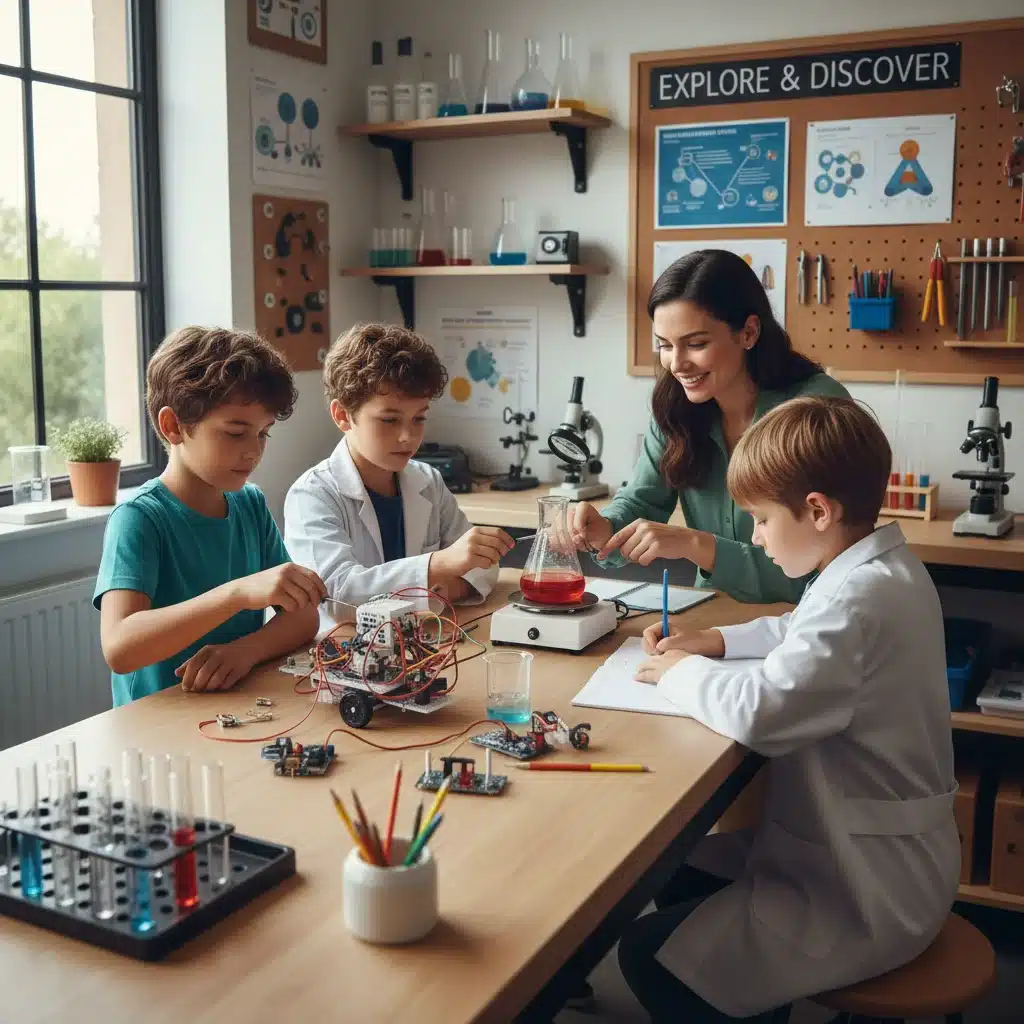
Some micro-schools are built around a particular educational philosophy (e.g., Montessori, Waldorf, Reggio Emilia) or a specific academic focus (e.g., STEM, arts, language immersion). This allows parents to choose an environment that deeply resonates with their educational ideals.
Community-Based Learning Hubs
These micro-schools might operate within community centers, churches, or co-working spaces, leveraging existing infrastructure and fostering a strong sense of local connection. They often integrate community resources and local experts into their curriculum.
Online/Blended Micro-Schools
While emphasizing in-person interaction, some micro-schools incorporate blended learning models, using online resources and virtual tools to supplement their curriculum, extend learning beyond the physical classroom, or even connect with students in different locations for specific projects.
This rich tapestry of micro-school models ensures that parents have a wide array of choices when seeking personalized learning for their children. The flexibility and adaptability inherent in the micro-school concept allow for continuous innovation and responsiveness to the evolving needs of students and families.
The Curriculum and Pedagogy: What Does Personalized Learning Look Like?
Beyond the structural differences, the true magic of micro-schools lies in their pedagogical approach. Personalized learning isn’t just about small class sizes; it’s about a fundamental shift in how education is delivered and received.
Project-Based Learning (PBL)
Many micro-schools heavily utilize PBL, where students learn by actively engaging in real-world projects. Instead of isolated subjects, students might work on a project like "designing a sustainable city," which integrates science, math, social studies, language arts, and art. This fosters deeper understanding and practical application of knowledge.
Competency-Based Progression
Unlike grade-level promotion based on age, competency-based learning allows students to advance once they demonstrate mastery of a skill or concept. This ensures no child is left behind or held back, creating a truly individualized pace.
Interdisciplinary Studies
The artificial boundaries between subjects often dissolve in micro-schools. History might be taught through literature, science through art, and math through practical problem-solving. This holistic approach helps students see the interconnectedness of knowledge and develop a more comprehensive understanding of the world.
Emphasis on Soft Skills
Beyond academics, micro-schools often place a strong emphasis on developing crucial 21st-century skills such as critical thinking, collaboration, communication, creativity, and resilience. The small group setting naturally encourages these interactions and provides ample opportunities for practice.
Student Agency and Voice
In personalized learning environments, students are often given a voice in their education. They might help choose projects, set learning goals, or even contribute to classroom rules. This fosters a sense of ownership and intrinsic motivation, making them active participants in their learning journey.
The pedagogical innovations within micro-schools are designed to cultivate not just knowledge, but also a love for learning, critical thinking abilities, and the essential skills needed to thrive in a rapidly changing world. This focus on personalized learning makes them an incredibly attractive option for parents seeking more than just academic instruction.
Insider Knowledge: Navigating the Micro-School Landscape in 2026
For parents considering micro-schools for their children in 2026, here’s some insider knowledge to help you navigate this burgeoning educational sector:
Start Your Search Early
Because of their small class sizes, micro-schools often have limited availability. If you’re interested in a particular model or institution, begin your research and application process well in advance.
Define Your Priorities
Before you even begin looking, sit down and determine what matters most to your family. Is it a specific pedagogical approach (e.g., Montessori, project-based)? A particular academic focus (e.g., STEM, arts)? Or perhaps a strong emphasis on outdoor education? Having clear priorities will help narrow your search for the ideal personalized learning environment.
Ask About Teacher Qualifications and Experience
While micro-schools often operate with more flexibility than traditional institutions, it’s crucial to inquire about the qualifications and experience of the lead educators. Look for passionate, experienced teachers who understand individualized instruction and have a track record of fostering student growth.
Understand the Curriculum and Assessment Methods
Don’t just assume. Ask detailed questions about what and how children will learn, and how their progress will be assessed. Micro-schools often use portfolios, presentations, and ongoing observations rather than standardized tests, so understand their approach to measuring success.
Engage with the Community
A strong sense of community is a hallmark of many micro-schools. Seek opportunities to connect with current parents, attend open houses, or even observe a class if possible. This will give you a real feel for the culture and fit.
Clarify Costs and What’s Included
While the goal is under $1,500/month, tuition structures can vary. Ensure you understand what’s included in the fee (e.g., materials, field trips, lunch) and if there are any additional costs. Transparency is key.
Consider Accreditation (or lack thereof)
Many micro-schools are not formally accredited in the same way large private or public schools are. This isn’t necessarily a red flag, as it often allows for greater innovation. However, understand the implications for future transitions to traditional schools, if that’s a possibility for your child.
By taking a proactive and informed approach, you can successfully navigate the micro-school landscape and find a personalized learning environment that truly benefits your child.
The Future of Education: Why Micro-Schools Are Here to Stay
The growth of micro-schools is not a fleeting trend; it represents a significant and potentially lasting shift in the educational paradigm. Several factors suggest their continued expansion and integration into the broader educational ecosystem.
Parental Demand for Flexibility and Customization
Modern families often require more flexibility than traditional school calendars allow. Micro-schools, with their adaptable schedules and personalized learning approaches, meet this demand head-on. The desire for education that truly sees and nurtures the individual child will only grow.
Technological Advancements
The ongoing evolution of educational technology makes it easier for small institutions to access high-quality resources, manage administrative tasks, and even connect with global learning communities. This infrastructure supports the lean model of micro-schools, enhancing their ability to deliver personalized learning efficiently.
Response to Educational Disparities
In many areas, micro-schools are emerging as a way to address gaps in traditional public education, offering high-quality alternatives in communities where options might be limited. Their affordability makes them accessible to a wider demographic, promoting educational equity.
Focus on Well-being and Holistic Development
Beyond academic rigor, there’s a growing recognition of the importance of emotional intelligence, social skills, and overall well-being. Micro-schools, with their nurturing and community-focused environments, are uniquely positioned to prioritize these aspects of development.
As we move further into the 21st century, the need for agile, responsive, and student-centered education will only intensify. Micro-schools, with their commitment to personalized learning and innovative cost structures, are poised to play a crucial role in shaping the future of education, offering a compelling and accessible path forward for countless families.
Conclusion: Embracing the Micro-School Revolution for Personalized Learning
The rise of micro-schools by 2026 is more than just an educational footnote; it’s a testament to the power of innovation in meeting evolving societal needs. These small-group childcare options are proving that personalized learning, often perceived as a luxury, can be both accessible and affordable, with many models operating successfully for under $1,500 per month. By offering tailored curricula, fostering deep teacher-student relationships, and prioritizing holistic development in intimate settings, micro-schools are redefining what quality education looks like.
For parents seeking an alternative that champions their child’s individuality, encourages critical thinking, and builds a strong sense of community, the micro-school model presents an incredibly attractive proposition. It’s a movement driven by passionate educators and engaged families, all striving for an educational experience that is truly transformative. As this revolution continues to unfold, micro-schools are not just changing how children learn; they are empowering families to choose an educational path that truly fits their vision for their child’s future, proving that exceptional personalized learning is within reach for more families than ever before.