Beyond Daycare: 5 Innovative Childcare Models Redefining Early Education in 2026
In an ever-evolving world, the landscape of childcare is undergoing a significant transformation. Traditional daycare models, while still prevalent, are increasingly being supplemented and challenged by a wave of innovative childcare models that cater to the diverse needs of modern families. As we look towards 2026 and beyond, parents are seeking options that offer greater flexibility, personalized learning experiences, and a stronger sense of community. This article delves deep into five groundbreaking innovative childcare models that are not just gaining traction but are actively reshaping early education across the United States. We’ll explore their unique philosophies, benefits, and how they are providing fresh perspectives on nurturing the next generation.
The Shifting Paradigm: Why Innovative Childcare Models Are Essential
For decades, the standard model of childcare involved dropping children off at a dedicated facility for structured supervision. While effective for many, this one-size-fits-all approach often falls short for families with unconventional work schedules, specific educational philosophies, or a desire for more intimate learning environments. The demand for flexible and enriching childcare solutions has never been higher, driven by factors such as the rise of remote work, increased parental involvement in early education, and a growing understanding of diverse learning styles.
The push for innovative childcare models isn’t just about convenience; it’s about optimizing early childhood development. Research consistently shows that the first five years of a child’s life are crucial for cognitive, social, and emotional growth. Parents are increasingly seeking environments that go beyond basic supervision, offering stimulating curricula, low child-to-teacher ratios, and opportunities for deep, meaningful engagement. This cultural shift has paved the way for creative solutions that prioritize individualized attention and holistic development.
Understanding these emerging models is key for any parent navigating the complex world of early childhood education. It’s about finding a fit that aligns with your family’s values, your child’s personality, and your practical needs. Let’s explore the forefront of this exciting evolution.
1. The Rise of Micro-Schools and Learning Pods: Personalized Attention on a Smaller Scale
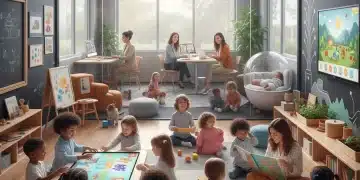
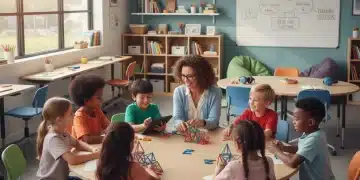
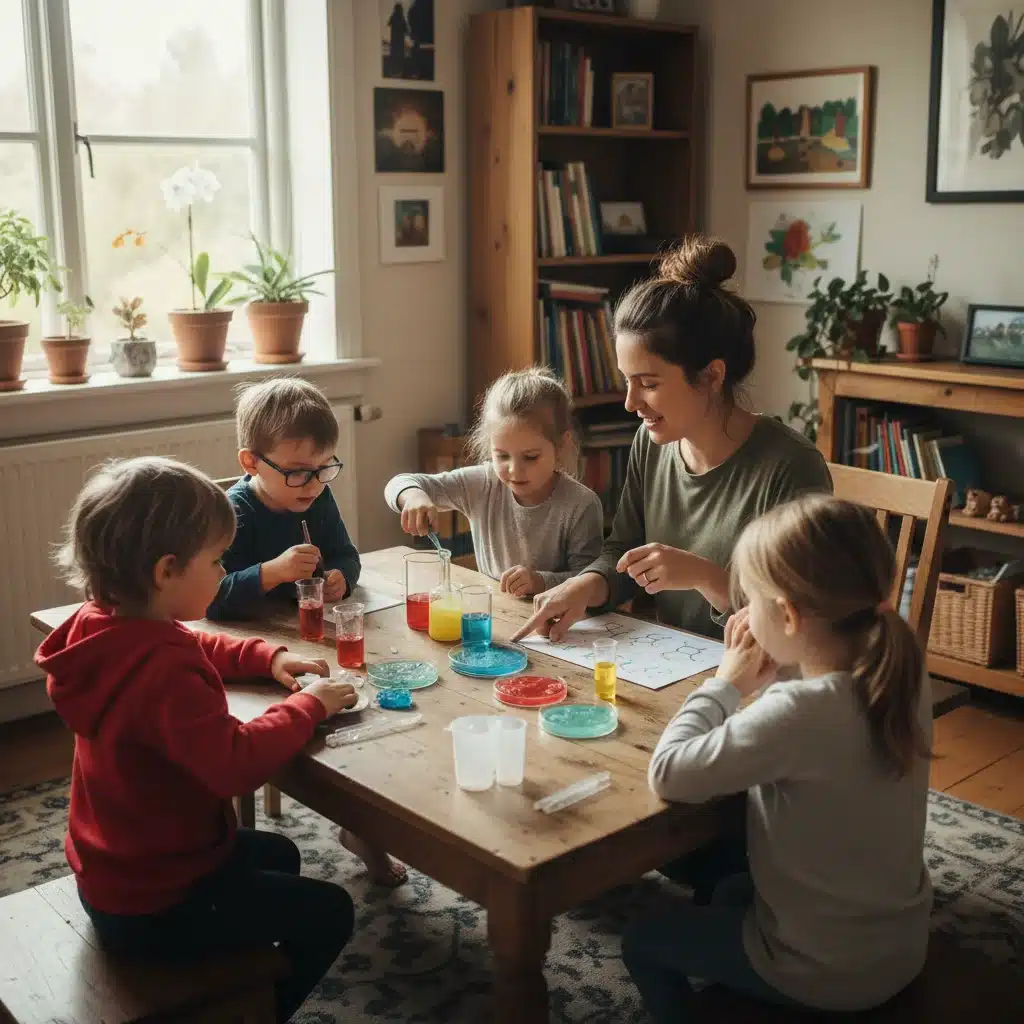
One of the most significant trends in innovative childcare models is the proliferation of micro-schools and learning pods. These small-scale educational settings typically involve a handful of children (often 5-15) learning together with one or two dedicated educators. Unlike traditional schools, micro-schools offer a highly personalized curriculum, often tailored to the specific interests and learning pace of each child. They can operate out of a dedicated small facility, a community center, or even a converted home.
The appeal of micro-schools lies in their ability to offer an intimate, familial atmosphere that can be less overwhelming for young children. The reduced class size allows for more one-on-one interaction with educators, fostering deeper relationships and more targeted instruction. This model often emphasizes project-based learning, inquiry-based education, and a strong focus on social-emotional development. Parents often appreciate the transparency and direct communication with educators, creating a strong partnership in their child’s educational journey.
Benefits of Micro-Schools:
- Individualized Learning: Curricula can be adapted to each child’s unique needs and strengths.
- Stronger Relationships: Smaller groups foster deeper connections between children and educators.
- Flexible Scheduling: Many micro-schools offer more flexible hours or custom schedules.
- Community Focus: Often built on strong parental involvement and a close-knit community feel.
- Reduced Exposure: Smaller groups can mean fewer exposures to illnesses, a concern for many parents post-pandemic.
While micro-schools may not be as widespread as traditional daycares, their growth is undeniable, especially in urban and suburban areas where parents are actively seeking alternatives to larger institutions. They represent a powerful shift towards bespoke education from an early age, making them a prime example of cutting-edge childcare solutions.
2. Co-operative Childcare: Empowering Parents and Building Community
Another compelling entry into the realm of innovative childcare models is the resurgence of co-operative childcare. In this model, parents are not just consumers of a service; they are active participants in its operation and management. This can manifest in various ways, from parents taking turns supervising children to jointly hiring educators and managing administrative tasks. Co-ops often operate as non-profits, with costs significantly reduced due to shared labor and resources.
Co-operative childcare fosters a strong sense of community and shared responsibility. Parents are directly involved in shaping the environment and curriculum, ensuring it aligns with their collective values. This hands-on approach allows parents to witness their child’s development firsthand and build strong relationships with other families. It’s a return to a more communal approach to raising children, where the village truly plays a role.
Advantages of Co-operative Childcare:
- Lower Costs: Shared responsibilities often lead to more affordable childcare.
- High Parental Involvement: Direct participation in decision-making and daily operations.
- Strong Community Bonds: Fosters close relationships among participating families.
- Tailored Environment: Parents have a direct say in the educational philosophy and activities.
- Transparency: Complete visibility into how the childcare is run and what activities children engage in.
While co-ops require a significant time commitment from parents, the benefits of affordability, community, and direct influence over their child’s early education make them an attractive option for many. This model exemplifies how community-driven childcare initiatives are providing viable and enriching alternatives.
3. Tech-Integrated Early Learning Centers: Blending Digital and Hands-On Experiences
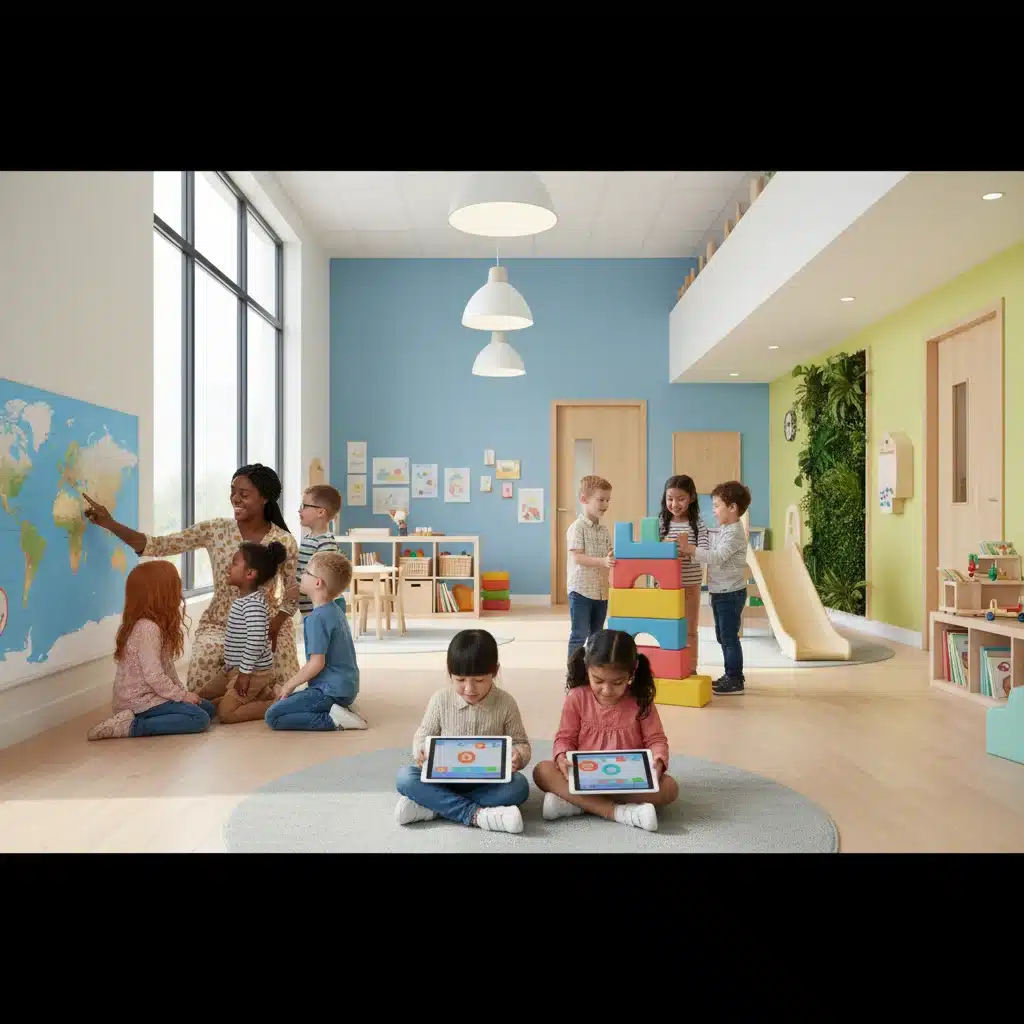
As technology continues to permeate every aspect of our lives, it’s only natural that innovative childcare models would begin to integrate digital tools into early learning. Tech-integrated early learning centers are designed to leverage age-appropriate technology to enhance traditional learning methods, not replace them. This can include interactive smartboards, educational apps on tablets, coding for preschoolers, or even robotics kits designed for young children.
The goal is to introduce children to technology in a structured, purposeful way that supports cognitive development, problem-solving skills, and creativity. These centers understand the importance of balancing screen time with ample opportunities for hands-on play, outdoor exploration, and social interaction. The technology serves as a tool to broaden learning horizons, offering personalized learning paths and engaging content that might not be available through traditional means.
Key Aspects of Tech-Integrated Centers:
- Balanced Approach: Integrates technology thoughtfully with traditional play and learning.
- Enhanced Learning: Uses apps, interactive displays, and digital tools to make learning engaging.
- Skill Development: Fosters early digital literacy, problem-solving, and critical thinking.
- Personalized Content: Technology can adapt to individual learning paces and styles.
- Future Readiness: Prepares children for a world where technology is ubiquitous.
These centers are not about endless screen time but about smart screen time. They represent a forward-thinking approach to early education, acknowledging that children growing up in the 21st century will need to be comfortable and competent with technology. This makes them a crucial part of the discussion around modern early education solutions.
4. Nature-Based and Outdoor Childcare: Reconnecting with the Natural World
In stark contrast to tech-integrated models, another powerful trend in innovative childcare models is the move towards nature-based and outdoor childcare. These programs emphasize learning through direct engagement with the natural environment. Children spend a significant portion, if not all, of their day outdoors, regardless of the weather, exploring forests, fields, beaches, or specially designed outdoor classrooms.
The philosophy behind nature-based childcare is rooted in the belief that direct experience with nature fosters curiosity, resilience, problem-solving skills, and a deep appreciation for the environment. Children learn through observation, experimentation, and unstructured play in natural settings. They build forts, track animals, identify plants, and engage in imaginative play using natural materials. This approach has been shown to improve physical health, reduce stress, and enhance cognitive development.
Advantages of Nature-Based Childcare:
- Improved Physical Health: More active play, fresh air, and exposure to natural elements.
- Enhanced Cognitive Skills: Fosters problem-solving, creativity, and critical thinking through exploration.
- Reduced Stress: Spending time in nature has calming effects and reduces behavioral issues.
- Environmental Stewardship: Instills an early appreciation and respect for nature.
- Sensory Rich Environment: Engages all senses through natural textures, sounds, and smells.
Often referred to as ‘forest schools’ or ‘outdoor nurseries,’ these programs are a breath of fresh air for parents looking to provide their children with a childhood rich in outdoor experiences, away from the confines of indoor settings. They are a testament to the power of experiential learning in nature.
5. Intergenerational Care Programs: Bridging Age Gaps for Mutual Benefit
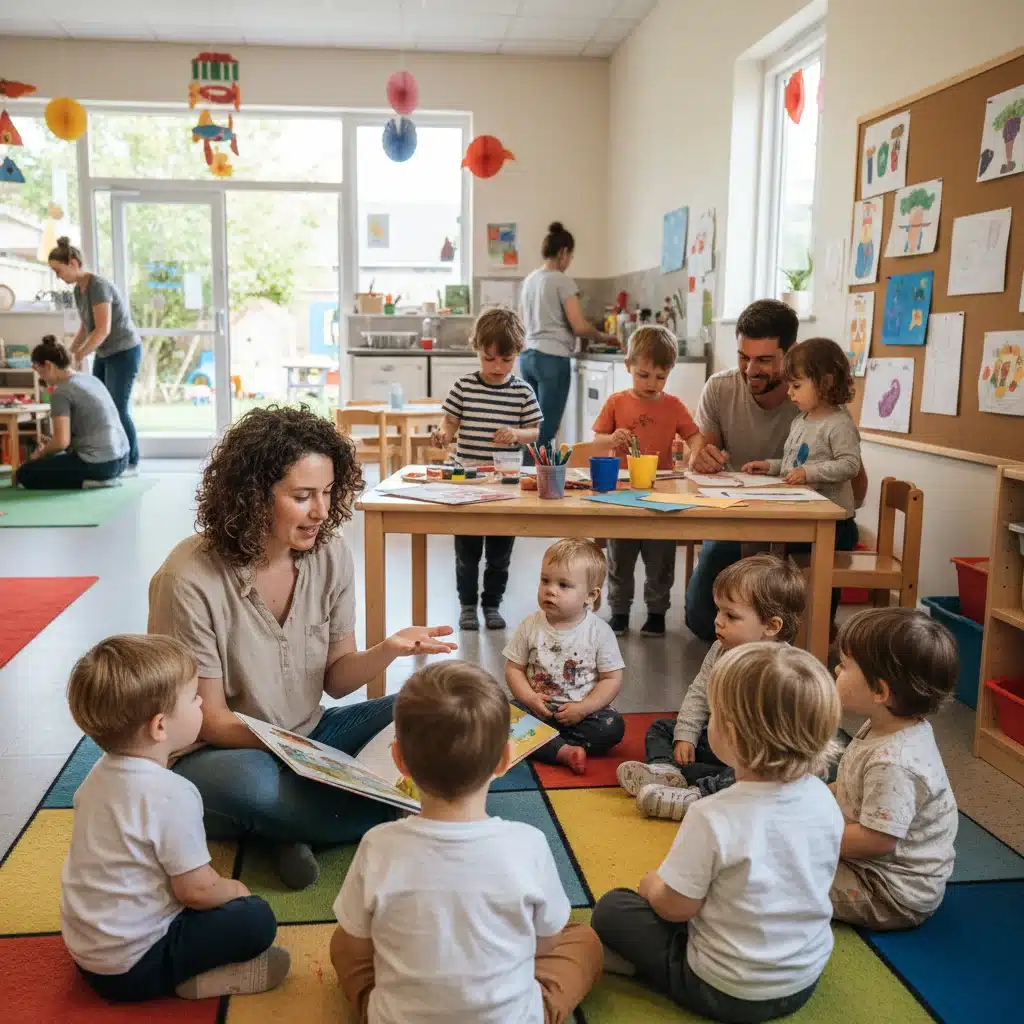
Perhaps one of the most heartwarming and holistic of the innovative childcare models is intergenerational care. These programs bring together young children and seniors in shared spaces, fostering relationships that benefit both age groups. Often located within senior living facilities or community centers, these programs create unique opportunities for interaction, learning, and companionship.
For children, intergenerational care provides exposure to different perspectives, life experiences, and a sense of connection to a broader community. Seniors often share stories, read books, teach crafts, or simply offer a comforting presence. For seniors, interacting with children can reduce feelings of loneliness and isolation, boost mood, and provide a sense of purpose. Studies have shown that these interactions can improve cognitive function and physical activity levels in older adults.
Benefits of Intergenerational Care:
- Social-Emotional Development: Children learn empathy, respect, and social skills from elders.
- Cognitive Stimulation: Seniors benefit from interaction, storytelling, and teaching.
- Reduced Isolation: Provides companionship and purpose for seniors.
- Unique Learning Opportunities: Children gain wisdom and learn new skills from older generations.
- Community Building: Strengthens bonds across different age groups within a community.
Intergenerational care is a beautiful example of how holistic community solutions can address multiple societal needs simultaneously, offering a rich and reciprocal environment for both the very young and the elderly. It’s a model that truly embodies the idea of a community caring for all its members.
Choosing the Right Innovative Childcare Model for Your Family
With such a diverse array of innovative childcare models emerging, how do parents make the right choice? The decision hinges on several factors, including your family’s values, your child’s temperament, your financial situation, and your logistical needs. It’s crucial to move beyond the traditional mindset and explore what truly resonates with your vision for your child’s early education.
Consider what kind of environment your child thrives in. Are they highly social and benefit from a larger group, or do they prefer a more intimate setting? Do you prioritize academic rigor, creative expression, or a deep connection with nature? How important is parental involvement to your family? Answering these questions will help narrow down the options and guide you towards a model that truly supports your child’s growth and development.
Factors to Consider:
- Child’s Personality: Introverted vs. extroverted, active vs. calm.
- Educational Philosophy: Play-based, academic, nature-focused, tech-integrated.
- Budget: Costs can vary significantly across models.
- Location and Logistics: Proximity to home/work, operating hours.
- Parental Involvement: How much time and effort are you willing to commit?
- Teacher-to-Child Ratio: Important for personalized attention.
- Accreditation and Licensing: Ensure safety and quality standards are met.
Visiting prospective centers, speaking with other parents, and even having your child participate in a trial period can provide invaluable insights. The goal is not just to find a place for your child to be during the day, but to find an environment that actively contributes to their overall well-being and prepares them for a successful future.
The Future is Bright for Early Childhood Education
The emergence and growing popularity of these innovative childcare models signal a positive shift in how society views and invests in early childhood education. They represent a move away from rigid structures towards more adaptable, child-centric, and community-oriented approaches. As we move further into 2026, we can expect to see even greater diversification and specialization within the childcare sector, catering to an increasingly sophisticated and informed parent base.
These models are not just trends; they are foundational changes that recognize the complexity of modern family life and the profound importance of early childhood development. By embracing these innovations, we are not only providing better options for our children today but are also laying the groundwork for a more resilient, empathetic, and capable generation tomorrow. The journey beyond traditional daycare is an exciting one, full of possibilities for enriching the lives of our youngest learners.
Ultimately, the best childcare model is the one that best fits your child and your family. The good news is that with these groundbreaking childcare approaches, parents have more choices than ever before to find that perfect fit, ensuring that every child has the opportunity to thrive in an environment that truly supports their unique potential.