Financial Planning for Long-Term Care: A Caregiver’s 2026 Checklist for Future Security
Anúncios
Financial Planning for Long-Term Care: A Caregiver’s 2026 Checklist for Future Security
The journey of caregiving is often filled with love, dedication, and unforeseen challenges. One of the most significant hurdles many caregivers face is navigating the complex landscape of Long-Term Care Planning. As we look towards 2026 and beyond, understanding the financial implications, available resources, and strategic approaches becomes paramount. This comprehensive guide is designed to equip caregivers with a robust checklist, ensuring that both their loved ones’ future security and their own well-being are adequately addressed.
Anúncios
The need for long-term care can arise unexpectedly due to illness, accident, or the natural progression of aging. The costs associated with such care – whether in a nursing home, assisted living facility, or through in-home services – can be astronomical, potentially depleting a family’s life savings. Without proper Long-Term Care Planning, families can find themselves in a precarious financial situation, adding immense stress to an already emotionally demanding role. This article will delve into the critical aspects of financial planning for long-term care, offering actionable steps and insights for caregivers preparing for 2026 and the years to follow.
We will explore various avenues, from understanding the true cost of care to examining different insurance options, leveraging government programs, and addressing crucial legal and estate planning considerations. Our goal is to provide a clear, step-by-step framework that empowers caregivers to make informed decisions, secure their loved ones’ future, and protect their own financial stability.
Anúncios
The landscape of healthcare and elder care is continually evolving. Therefore, a forward-thinking approach to Long-Term Care Planning is not just beneficial but essential. By proactively addressing these issues, caregivers can transform potential crises into manageable situations, ensuring dignity, quality of life, and financial peace of mind for everyone involved.
Understanding the True Cost of Long-Term Care in 2026
Before diving into specific financial strategies, it’s crucial to have a realistic understanding of what long-term care actually costs. These figures vary significantly based on geographic location, the type of care required, and the duration of care. In 2026, we can anticipate these costs to continue their upward trajectory. For instance, the national median cost for a private room in a nursing home currently exceeds $100,000 per year, while assisted living facilities can range from $50,000 to $70,000 annually. Even in-home care, often perceived as more affordable, can quickly add up, especially if round-the-clock assistance is needed.
When assessing these costs, consider the following:
- Type of Care: Is it skilled nursing, assisted living, memory care, adult day care, or in-home care? Each has a different price point.
- Duration of Care: While impossible to predict precisely, understanding the average duration of long-term care (often several years) can help in estimating total costs.
- Geographic Location: Costs can vary by tens of thousands of dollars per year depending on the state or even the city. Research local costs thoroughly.
- Level of Care Needed: A person requiring minimal assistance will incur lower costs than someone needing extensive medical support or specialized memory care.
- Inflation: Healthcare costs typically outpace general inflation. Factor in an annual increase when projecting future expenses.
A vital first step in effective Long-Term Care Planning is to conduct a personalized cost assessment. Utilize online calculators, consult with financial advisors specializing in elder care, and speak with local care providers to gather accurate, current data for your specific region. This realistic financial picture will form the foundation of your entire planning strategy.
2026 Caregiver’s Checklist: Essential Financial Planning Steps
1. Assess Current Financial Resources and Future Needs
Begin by taking a detailed inventory of all assets and income sources. This includes savings accounts, investments, retirement funds (401(k)s, IRAs), pensions, social security benefits, and any real estate. Understand what resources are liquid and what might require time or penalties to access. Simultaneously, project future income and expenses, considering potential changes in retirement status or other life events.
For Long-Term Care Planning, it’s not just about what you have now, but what you anticipate having and needing in the future. This assessment helps identify potential shortfalls and informs the strategies you’ll need to implement.
2. Explore Long-Term Care Insurance Options
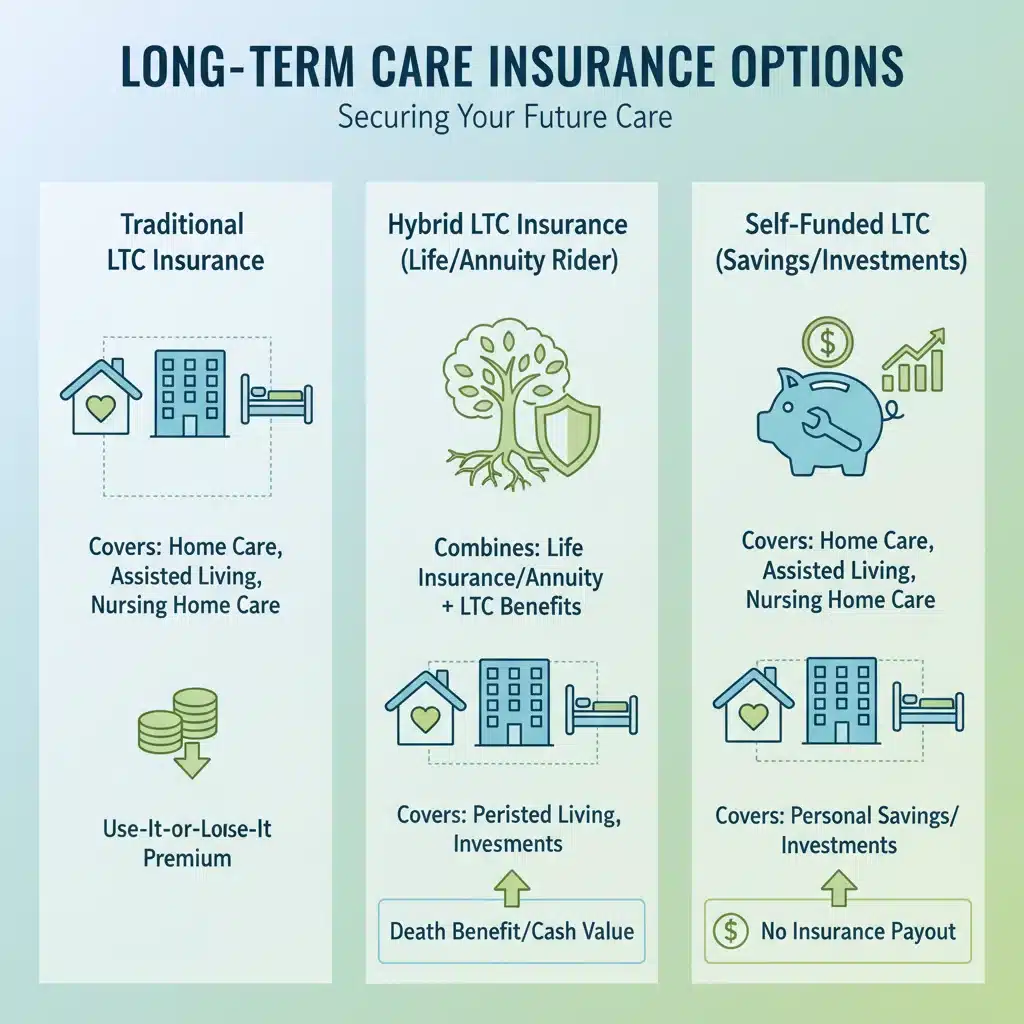
Long-term care insurance (LTCI) is a cornerstone of proactive Long-Term Care Planning for many families. It’s designed to cover the costs of services that health insurance and Medicare typically do not. As of 2026, several types of LTCI policies are available:
- Traditional LTCI: These policies pay a daily or monthly benefit for care once a waiting period is met. Premiums can be substantial and may increase over time.
- Hybrid Life/LTCI Policies: These combine a life insurance policy with an LTCI rider. If long-term care is needed, a portion of the death benefit can be used for care. If not, the full death benefit goes to beneficiaries. This offers more flexibility and often guarantees premiums.
- Annuity with LTCI Rider: Similar to hybrid policies, these allow you to use a portion of an annuity’s value for long-term care expenses.
When evaluating LTCI, consider:
- Benefit Period: How long will the policy pay benefits (e.g., 2 years, 5 years, lifetime)?
- Daily/Monthly Benefit Amount: How much will the policy pay per day or month?
- Elimination Period (Waiting Period): How long do you have to pay for care out-of-pocket before the policy kicks in?
- Inflation Protection: Is there an option to increase benefits over time to keep pace with rising care costs?
- Spousal Discounts: Many insurers offer discounts if both spouses purchase policies.
It’s crucial to apply for LTCI sooner rather than later, as premiums are lower when you’re younger and healthier. Waiting too long could result in higher premiums or even denial of coverage due to pre-existing conditions.
3. Understand Government Programs: Medicare, Medicaid, and VA Benefits
While often misunderstood, government programs play a role in Long-Term Care Planning, though their coverage is limited:
- Medicare: Primarily covers acute medical care and short-term skilled nursing facility care or home health care after a hospital stay. It generally does NOT cover long-term custodial care (non-skilled personal care).
- Medicaid: This is a state and federally funded program for low-income individuals. It does cover long-term care, but to qualify, individuals must meet strict income and asset limits, often requiring them to spend down their assets. Medicaid planning can be a complex but necessary part of Long-Term Care Planning for some families, often involving looking back at financial transactions.
- VA Benefits: Veterans and their spouses may be eligible for specific benefits, such as Aid and Attendance, which can help cover the costs of in-home care, assisted living, or nursing home care. Eligibility depends on service dates, disability, and financial need.
Investigate these programs thoroughly, as they can provide significant financial relief if applicable. Consulting with an elder law attorney or a financial advisor familiar with these programs is highly recommended.
4. Explore Self-Funding Strategies and Asset Protection
For those with substantial assets, self-funding long-term care is a viable option. However, it requires careful asset protection strategies to ensure funds last as long as needed and to mitigate against rapid depletion. Strategies include:
- Dedicated Savings/Investment Accounts: Setting aside specific funds in conservative, liquid investments.
- Reverse Mortgages: For homeowners, a reverse mortgage can convert home equity into tax-free funds that can be used for care, without requiring repayment until the homeowner moves out or passes away. This can be a complex decision and should be carefully considered with financial advice.
- Annuities: Certain types of annuities can provide a steady income stream that can help cover care costs.
- Trusts: Irrevocable trusts can be used to protect assets from being counted towards Medicaid eligibility, provided they are established several years in advance (the look-back period is typically five years).
Strategic asset allocation and protection are crucial elements of responsible Long-Term Care Planning, especially when aiming for self-funding or potential Medicaid eligibility down the line.
5. Crucial Legal Documents for 2026 and Beyond
Financial planning for long-term care is incomplete without robust legal documentation. These documents ensure that your wishes are honored and that someone is authorized to make decisions on your behalf if you become incapacitated.
- Durable Power of Attorney for Finances: Designates someone to manage your financial affairs. This is critical for paying bills, managing investments, and handling other financial matters if you’re unable to.
- Durable Power of Attorney for Healthcare (Healthcare Proxy): Designates someone to make medical decisions on your behalf.
- Living Will/Advance Directives: Outlines your wishes regarding medical treatment, especially end-of-life care.
- Last Will and Testament: Specifies how your assets should be distributed after your death. While not directly for long-term care, it’s a foundational estate planning document.
- HIPAA Authorization: Allows designated individuals to access your medical information.
Review and update these documents regularly, especially as life circumstances change. An elder law attorney can help draft and ensure these documents are legally sound and reflect your current wishes, which is a key part of effective Long-Term Care Planning.

6. Engage in Family Discussions
Open and honest conversations with family members are often the most difficult yet most important part of Long-Term Care Planning. Discussing aging, potential incapacitation, and financial matters can be uncomfortable, but it’s essential to ensure everyone is on the same page.
Topics to cover include:
- Wishes for Care: Where would the individual prefer to receive care? What are their preferences for medical interventions?
- Financial Expectations: Who will contribute financially, and how will costs be managed?
- Caregiving Responsibilities: Who will take on caregiving roles, and what are their capacities?
- Designated Decision-Makers: Confirm who has financial and medical power of attorney.
These discussions should ideally happen long before care is needed, allowing time for thoughtful consideration and agreement. Documenting these discussions, even informally, can be helpful.
The Role of a Financial Advisor in Long-Term Care Planning
Given the complexity of Long-Term Care Planning, seeking professional guidance is highly advisable. A financial advisor specializing in elder care or a certified financial planner (CFP) can provide invaluable assistance. They can:
- Assess Your Financial Situation: Conduct a thorough analysis of your assets, income, and potential long-term care costs.
- Recommend Suitable Strategies: Advise on the best mix of insurance, self-funding, and government programs for your specific circumstances.
- Navigate Insurance Options: Help you understand and compare various LTCI policies.
- Coordinate with Legal Professionals: Work alongside elder law attorneys to ensure your financial plan aligns with your legal documents.
- Provide Ongoing Review: Help you periodically review and adjust your plan as circumstances, laws, and costs change.
Choosing the right advisor is a critical step in building a robust Long-Term Care Planning strategy. Look for someone with experience and credentials in this specialized field.
Beyond 2026: Adapting Your Long-Term Care Plan
Long-Term Care Planning is not a one-time event; it’s an ongoing process. The economic climate, healthcare costs, government regulations, and personal health can all change over time. Therefore, it’s vital to review and adapt your plan regularly. We recommend an annual review, or whenever there’s a significant life event such as:
- A change in health status for the care recipient or caregiver.
- A significant change in financial circumstances (e.g., retirement, inheritance).
- Changes in family structure (e.g., marriage, divorce, birth of grandchildren).
- Updates to relevant laws or insurance products.
Staying informed and flexible will ensure your Long-Term Care Planning remains relevant and effective for years to come. This proactive approach minimizes stress and maximizes security for everyone involved.
The Emotional and Practical Toll of Caregiving: Why Planning Matters
While this article focuses heavily on the financial aspects, it’s crucial to acknowledge the profound emotional and practical toll that caregiving can take. Financial stress often exacerbates these challenges. By engaging in thorough Long-Term Care Planning, caregivers can alleviate a significant portion of the financial burden, allowing them to focus more on providing compassionate care and maintaining their own well-being.
Planning provides peace of mind, knowing that resources are in place to support the care recipient’s needs. It also protects the caregiver’s financial future, preventing them from having to deplete their own savings or retirement funds to cover care costs. This foresight is an act of love, not only for the person receiving care but also for the caregiver and their family.
Conclusion: Empowering Caregivers Through Proactive Long-Term Care Planning
The prospect of needing or providing long-term care can be daunting, but with a strategic and proactive approach to Long-Term Care Planning, it doesn’t have to be overwhelming. The 2026 caregiver’s checklist outlined in this article provides a roadmap for navigating the financial complexities, ensuring that you are well-prepared for whatever the future may hold.
From understanding the true costs and exploring insurance options to leveraging government programs, protecting assets, and establishing crucial legal documents, each step is vital. Engaging in open family discussions and seeking professional guidance further strengthens your plan. Remember, effective Long-Term Care Planning is an ongoing commitment that requires regular review and adaptation. By taking these steps today, caregivers can secure the dignity, comfort, and financial stability of their loved ones, while also safeguarding their own peace of mind and future security.
Don’t wait for a crisis to begin planning. Start your Long-Term Care Planning journey now, and empower yourself with the knowledge and resources needed to face the future with confidence.