
Navigating ACA Health Plans 2026: A Comprehensive Guide for Your Family
The landscape of healthcare is ever-evolving, and for families across the United States, understanding the Affordable Care Act (ACA) is paramount. As we look ahead to 2026, new changes, expanded options, and critical opportunities are emerging that could significantly impact your family’s health and financial well-being. Alarmingly, an estimated 15% of eligible families are still not utilizing the full potential of these plans, often due to a lack of awareness or perceived complexity. This comprehensive guide aims to demystify the 2026 ACA health plans, ensuring your family is equipped to make informed decisions and secure the best possible coverage.
The ACA, signed into law in 2010, was designed to make affordable health insurance available to more people. It provides consumers with subsidies (premium tax credits) that lower costs for households with incomes between 100% and 400% of the federal poverty level (FPL). In some states, individuals and families with incomes below 100% FPL may qualify for Medicaid. For 2026, several key adjustments and potential enhancements are on the horizon, promising even greater accessibility and affordability for ACA health plans.
Understanding these changes is not just about compliance; it’s about empowerment. It’s about ensuring your children have access to critical preventative care, that unexpected medical emergencies don’t lead to financial ruin, and that your family’s overall health needs are met without undue burden. This article will delve into the specifics of what to expect from ACA health plans in 2026, highlight new options, explain subsidies, and provide actionable steps to help your family enroll successfully.
What’s New with ACA Health Plans for 2026?
The year 2026 is anticipated to bring several significant updates to ACA health plans, building upon previous legislative changes and ongoing efforts to strengthen the healthcare marketplace. While specific details will be finalized closer to the open enrollment period, general trends and proposed policy directions suggest a continued focus on affordability, expanded access, and improved plan offerings.
Continued Enhanced Subsidies
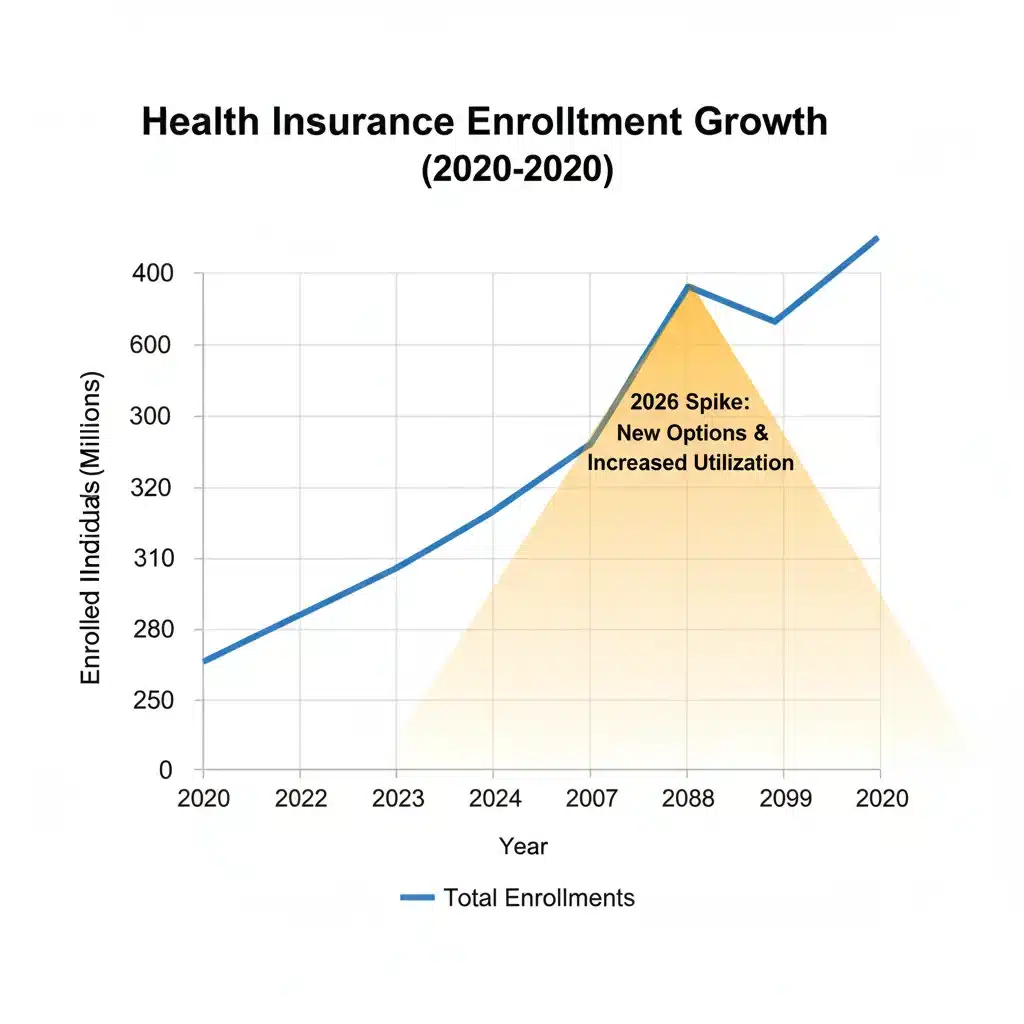
One of the most impactful changes for many families has been the enhancement of premium subsidies, initially boosted during the pandemic. These enhanced subsidies have made ACA health plans significantly more affordable for a wider range of income levels. While originally temporary, there is strong momentum to make these enhanced subsidies permanent or extend them further into 2026. This would mean that more families, including those with moderate incomes, would continue to pay a smaller percentage of their income towards health insurance premiums, making comprehensive coverage accessible to millions who might otherwise struggle to afford it.
For families, this translates into potentially lower monthly premiums for robust health plans. It’s crucial to understand how these subsidies work and how your income level might qualify you for substantial financial assistance. Even if you previously thought ACA health plans were too expensive, 2026 could be the year that changes for your family.
Expanded Plan Choice and Competition
The ACA marketplace has seen a resurgence in insurer participation in recent years, leading to more plan choices and increased competition. This trend is expected to continue into 2026. More insurers mean more diverse plan offerings, allowing families to select plans that better fit their specific health needs and budget. You might see a wider variety of Bronze, Silver, Gold, and Platinum plans, as well as more options for Health Maintenance Organizations (HMOs), Preferred Provider Organizations (PPOs), and Exclusive Provider Organizations (EPOs).
Increased competition often drives down costs and improves the quality of services. Families in areas with more participating insurers may find better value plans, more extensive provider networks, and improved customer service. This expansion of choice is a key benefit, empowering families to find ACA health plans that truly align with their priorities.
Focus on Preventative Care and Chronic Disease Management
ACA health plans have always emphasized preventative care, including vaccinations, screenings, and wellness visits, often at no out-of-pocket cost. In 2026, there may be an even greater focus on these aspects, with potential enhancements to benefits related to chronic disease management, mental health services, and substance abuse treatment. This proactive approach to healthcare helps families stay healthier, reduces the likelihood of costly emergency treatments, and improves overall quality of life.
For families managing chronic conditions or seeking better access to mental health support, these potential enhancements represent a significant step forward. It means more comprehensive coverage for essential services that contribute to long-term health and well-being, integral to the core offerings of ACA health plans.
Understanding Your Options: Bronze, Silver, Gold, and Platinum Plans
When exploring ACA health plans, you’ll encounter different metal tiers: Bronze, Silver, Gold, and Platinum. These tiers categorize plans by how they split healthcare costs with you, not by the quality of care or services. Understanding these distinctions is vital for choosing the right plan for your family.
- Bronze Plans: These plans have low monthly premiums but high deductibles. They cover 60% of healthcare costs, leaving you responsible for 40%. Bronze plans are suitable for families who expect to use medical services infrequently and want protection against catastrophic medical costs.
- Silver Plans: Silver plans are the most popular choice, offering moderate monthly premiums and moderate deductibles. They cover 70% of healthcare costs. Crucially, if your income is below a certain level, you may qualify for extra savings called Cost-Sharing Reductions (CSRs) on Silver plans. CSRs lower your deductibles, co-payments, and out-of-pocket maximums, making Silver plans incredibly valuable for eligible families.
- Gold Plans: With higher monthly premiums, Gold plans offer lower deductibles and cover 80% of healthcare costs. These are a good fit for families who anticipate needing frequent medical care or prescriptions and prefer to pay more upfront for lower costs when they receive services.
- Platinum Plans: Platinum plans have the highest monthly premiums but the lowest deductibles and cover 90% of healthcare costs. They are ideal for families with extensive medical needs who want the most comprehensive coverage and are willing to pay a higher premium for minimal out-of-pocket expenses.
Choosing the right tier depends on your family’s health needs, anticipated medical expenses, and financial situation. Remember, premium subsidies can significantly reduce the cost of monthly premiums for any of these tiers, making higher-tier plans more accessible than you might think.
Who is Missing Out? The 15% and Why They Need to Act
The statistic that 15% of eligible families are not utilizing ACA health plans is a stark reminder of the information gap and barriers that still exist. This group often includes individuals and families who:
- Are Unaware of Subsidies: Many believe health insurance is unaffordable, not realizing that significant financial assistance is available through premium tax credits and, for Silver plans, cost-sharing reductions.
- Find the Process Confusing: The enrollment process can seem daunting, with various plan options, metal tiers, and income calculations.
- Experience Gaps in Employer Coverage: Some families have a member with employer-sponsored coverage, but the family coverage offered by the employer is deemed unaffordable or doesn’t meet their needs, leading them to mistakenly believe they are ineligible for ACA subsidies.
- Are New to Self-Employment or Freelancing: The transition from employer-sponsored insurance to self-purchased plans can be confusing, and many self-employed individuals overlook the marketplace as a viable option.
- Have Misconceptions about Eligibility: Some believe they earn too much to qualify for assistance, or that ACA plans offer sub-standard care, both of which are often untrue.
For these 15% of families, missing out means risking significant financial hardship in the event of illness or injury. It means potentially delaying necessary medical care due to cost concerns, which can lead to worsening health outcomes. The benefits of enrolling in ACA health plans extend beyond just covering emergencies; they provide access to preventative care, chronic disease management, and peace of mind.
If you or someone you know falls into this category, 2026 is the time to re-evaluate. The marketplace is designed to help, and resources are available to guide you through the process.
Maximizing Your Savings: Subsidies and Cost-Sharing Reductions
Understanding and utilizing the financial assistance available through the ACA is key to making health insurance truly affordable for your family. Two main types of assistance are available:
Premium Tax Credits (Subsidies)
These credits lower your monthly health insurance premium. Eligibility and the amount of the credit are based on your household income and family size relative to the Federal Poverty Level (FPL). In 2026, the enhanced subsidies are expected to continue, meaning:
- No Income Cap: Unlike previous years, there is no income cap for eligibility. If your premium for the benchmark Silver plan (the second-lowest cost Silver plan in your area) costs more than a certain percentage of your household income, you qualify for a premium tax credit to cover the difference.
- Lower Percentage of Income: The percentage of household income you’re expected to contribute towards premiums is capped at a lower rate, making plans significantly more affordable for many families.
You can choose to have these credits paid directly to your insurance company each month, reducing your premium immediately, or you can claim them when you file your federal tax return.
Cost-Sharing Reductions (CSRs)
CSRs are an additional form of financial assistance that lowers your out-of-pocket costs, such as deductibles, co-payments, and co-insurance. You are eligible for CSRs if your household income falls between 100% and 250% of the FPL, and you enroll in a Silver plan. It’s crucial to note that CSRs are only available with Silver plans, making them an incredibly attractive option for eligible families.
For example, a family qualifying for CSRs on a Silver plan might have a deductible that is hundreds or even thousands of dollars lower than a standard Silver plan, significantly reducing their financial exposure when they need medical care. This is a powerful benefit that many families overlook, often leading them to choose Bronze plans when a subsidized Silver plan with CSRs would offer far better value and protection.
The Enrollment Process for ACA Health Plans 2026: Step-by-Step
Enrolling in ACA health plans for 2026 doesn’t have to be complicated. Here’s a step-by-step guide to help your family navigate the process:
Step 1: Gather Your Information
Before you begin, have the following information ready for every member of your household who needs coverage:
- Social Security numbers (or document numbers for legal immigrants)
- Birth dates
- Employer and income information (pay stubs, W-2 forms, tax returns)
- Information about any job-based health coverage available to your family
- Current health plan information (if applicable)
Step 2: Visit HealthCare.gov or Your State Marketplace
Most states use the federal marketplace at HealthCare.gov. However, some states operate their own marketplaces. You can find out which applies to you by visiting HealthCare.gov and entering your zip code. Create an account or log in if you have one.
Step 3: Complete Your Application
The application will ask detailed questions about your household, income, and any current health coverage. Be honest and accurate, as this information determines your eligibility for premium tax credits and cost-sharing reductions. The marketplace will calculate your estimated eligibility for financial assistance based on the information provided.
Step 4: Compare Plans
Once your application is submitted, you’ll be able to browse available ACA health plans in your area. Use the comparison tools to filter plans by:
- Metal Tier: Bronze, Silver, Gold, Platinum
- Monthly Premium: After subsidies are applied
- Deductible: How much you pay before your insurance starts to cover costs
- Out-of-Pocket Maximum: The most you’ll pay for covered services in a plan year
- Provider Network: Ensure your preferred doctors and hospitals are included
- Prescription Drug Coverage: Check the formulary for your family’s medications
- Specific Benefits: Dental, vision, mental health, maternity care, etc.
Pay close attention to the overall cost, not just the premium. A lower premium might mean a higher deductible, which could be costly if your family uses a lot of medical services.
Step 5: Select a Plan and Enroll
Once you’ve chosen the best ACA health plan for your family, follow the prompts to enroll. You’ll typically need to make your first premium payment directly to the insurance company to activate your coverage. Ensure you meet all deadlines for open enrollment to avoid gaps in coverage.
Step 6: Maintain Your Coverage
Life changes can affect your eligibility for subsidies. Report any changes in income, household size, or other relevant information to the marketplace as soon as possible. This ensures you receive the correct amount of financial assistance and avoid issues at tax time.

Key Considerations for Families When Choosing ACA Health Plans
Selecting the right ACA health plans for your family goes beyond just comparing premiums. Here are crucial factors to consider:
Your Family’s Health Needs
Do you have young children who need regular check-ups and vaccinations? Are there any family members with chronic conditions requiring ongoing medication or specialist visits? Do you anticipate any major medical events like pregnancy or surgery? Your family’s projected healthcare usage should heavily influence your choice of metal tier. Families with significant anticipated medical needs might benefit from Gold or Platinum plans with lower deductibles, even if premiums are higher.
Provider Networks
It’s vital to check if your preferred doctors, specialists, and hospitals are in the plan’s network. Out-of-network care can be significantly more expensive. Different plan types (HMO, PPO, EPO, POS) have different rules about networks and referrals. An HMO, for instance, typically requires you to choose a primary care physician (PCP) who coordinates all your care and provides referrals to specialists. PPOs offer more flexibility but usually come with higher premiums.
Prescription Drug Coverage
Review the plan’s formulary (list of covered drugs) to ensure your family’s essential medications are included and at what cost-sharing tier. Some plans have steep costs for specialty drugs, so this is a critical check if anyone in your family takes regular prescriptions.
Out-of-Pocket Maximums
This is the most you’ll have to pay for covered services in a plan year. Once you hit this limit, your insurance plan pays 100% of your covered healthcare costs. A lower out-of-pocket maximum provides greater financial protection, especially for families who anticipate high medical expenses.
Deductibles, Co-pays, and Co-insurance
Understand how these cost-sharing mechanisms work. A deductible is the amount you pay before your insurance starts to pay. Co-pays are fixed amounts you pay for certain services (like doctor visits). Co-insurance is a percentage of the cost of a service you pay after your deductible is met. These all contribute to your total out-of-pocket costs.
Dental and Vision Coverage
While ACA plans for adults generally don’t include comprehensive dental or vision, pediatric dental and vision coverage is an Essential Health Benefit and must be offered. You might need to purchase separate adult dental and vision plans, or choose a health plan that integrates these benefits.
Resources for Assistance and Support
If you find the process of choosing ACA health plans for 2026 overwhelming, remember that you don’t have to go it alone. Several resources are available to provide free, unbiased assistance:
- Marketplace Call Center: The HealthCare.gov call center (1-800-318-2596) has trained representatives who can answer your questions and guide you through the application and enrollment process.
- Navigators and Assisters: These are local individuals and organizations funded by the federal government or state marketplaces to provide free, in-person help with understanding your options and enrolling in coverage. They can help you compare plans, estimate costs, and complete your application.
- Certified Agents and Brokers: Licensed insurance agents and brokers can also help you enroll in marketplace plans. They are typically compensated by the insurance companies, but their services are free to you. They can also help you explore plans outside the marketplace if that’s a better fit for your situation.
- Your State’s Department of Insurance: Your state’s insurance department can provide consumer guides and information about health insurance regulations in your area.
Utilizing these resources can be particularly beneficial for the 15% of families who haven’t yet tapped into the benefits of ACA health plans. Expert guidance can clarify complex terms, ensure you receive all eligible subsidies, and help you confidently select the best plan for your family’s unique needs.
The Importance of Open Enrollment and Special Enrollment Periods
Open Enrollment is the annual period when you can enroll in a new health insurance plan or change your existing one. For 2026, this period typically runs from November 1st to December 15th, with coverage starting on January 1st. Missing this window means you generally cannot enroll in an ACA health plan unless you qualify for a Special Enrollment Period (SEP).
Special Enrollment Periods are triggered by qualifying life events. These events allow you to enroll in or change a plan outside of Open Enrollment. Common qualifying life events include:
- Marriage or divorce
- Birth or adoption of a child
- Losing other health coverage (e.g., job loss, aging off a parent’s plan, COBRA expiration)
- Moving to a new area with different plan options
- Changes in income that affect eligibility for subsidies
- Becoming a U.S. citizen
If you experience a qualifying life event, you typically have 60 days from the date of the event to enroll in a new plan. Don’t delay, as missing this window could leave your family uninsured.
Conclusion: Secure Your Family’s Health with ACA Health Plans 2026
The 2026 landscape for ACA health plans presents a promising future for family healthcare. With continued enhanced subsidies, expanded plan choices, and a strong focus on essential benefits, there’s never been a better time to evaluate your options. For the estimated 15% of families who haven’t yet utilized these plans, now is the moment to act.
By understanding the different metal tiers, maximizing available financial assistance through premium tax credits and cost-sharing reductions, and carefully navigating the enrollment process, your family can secure comprehensive, affordable health coverage. Don’t let misconceptions or perceived complexity deter you. Leverage the available resources, ask questions, and empower your family with the protection and peace of mind that robust health insurance provides.
Investing time in understanding and selecting the right ACA health plans for 2026 is an investment in your family’s future, ensuring they have access to the care they need when they need it most. Make 2026 the year your family is fully covered and thriving.