
Legal Protections for Caregivers in 2026: Understanding Your Rights and Responsibilities (RECENT UPDATES)
In an increasingly aging global population, the role of caregivers has never been more critical. These selfless individuals, whether family members or professionals, provide invaluable support to those who need it most. However, the demanding nature of caregiving often comes with a complex web of legal intricacies, rights, and responsibilities that can be overwhelming to navigate. As we move into 2026, understanding the updated legal landscape surrounding caregiver legal protections is not just beneficial; it’s essential for safeguarding both the caregiver and the care recipient.
This comprehensive guide aims to illuminate the vital legal protections, recent legislative changes, and key responsibilities that caregivers must be aware of in 2026. From federal mandates to state-specific provisions, we will delve into the nuances that shape the caregiving environment, ensuring you are well-equipped to advocate for yourself and those under your care. The goal is to empower caregivers with knowledge, fostering a more secure and supported caregiving journey.
The Evolving Landscape of Caregiver Legal Protections
The legal framework surrounding caregiving is not static; it is continually evolving to address the changing needs of society and the growing recognition of caregivers’ contributions. Over the past few years, there has been a significant push for enhanced caregiver legal protections, driven by advocacy groups, legislative bodies, and the sheer demographic shift towards an older population. This evolution reflects a broader societal understanding that caregivers require robust support, not only to perform their duties effectively but also to protect their own well-being.
Recent updates in 2026 have focused on several key areas, including expanded definitions of who qualifies as a caregiver, increased access to respite care, improved workplace accommodations, and stronger financial protections. These changes are designed to provide a more holistic safety net for caregivers, acknowledging the physical, emotional, and financial burdens they often bear. Understanding these updates is the first step towards leveraging them for your benefit.
Federal Laws Impacting Caregivers in 2026
At the federal level, several laws provide foundational caregiver legal protections. While direct federal legislation specifically titled ‘Caregiver Protection Act’ might not exist, various acts and amendments indirectly offer significant safeguards. These laws often address employment rights, medical leave, and discrimination, which are crucial for caregivers balancing their responsibilities with other aspects of their lives.
Family and Medical Leave Act (FMLA)
The Family and Medical Leave Act (FMLA) remains a cornerstone of federal caregiver legal protections. In 2026, the FMLA allows eligible employees of covered employers to take up to 12 weeks of unpaid, job-protected leave per year for specified family and medical reasons. This includes caring for an immediate family member (spouse, child, or parent) with a serious health condition. While the FMLA provides job security during critical caregiving periods, it’s important to note that the leave is unpaid, which can still pose financial challenges for many caregivers.
Recent discussions and potential amendments in 2026 have explored expanding FMLA to cover a broader range of family relationships, such as domestic partners or grandparents, recognizing the diverse structures of modern families. Additionally, there have been calls to provide paid family leave at the federal level, though this remains a subject of ongoing debate and legislative effort. Caregivers should stay informed about any proposed changes to FMLA that could impact their ability to take necessary leave.
Americans with Disabilities Act (ADA)
The Americans with Disabilities Act (ADA) primarily protects individuals with disabilities from discrimination. While caregivers themselves might not be directly protected by the ADA based on their caregiving status, the law does offer protections against discrimination based on association with an individual with a disability. This means an employer cannot discriminate against an employee because they have a relationship with an individual with a disability, such as a child or parent requiring care.
In 2026, the interpretation and enforcement of ADA provisions continue to evolve, particularly in cases where caregivers might face workplace discrimination due to the perceived demands of their caregiving role. Understanding your rights under the ADA can be crucial if you believe you are being discriminated against due to your association with a disabled individual.
Older Americans Act (OAA)
The Older Americans Act (OAA) provides funding for a wide range of services for older adults, including support for their caregivers. While not a direct legal protection in the sense of workplace rights, the OAA funds programs that offer respite care, counseling, training, and access to information and assistance for caregivers. These services indirectly provide significant support and can alleviate some of the burdens, thereby enhancing the overall well-being of caregivers.
In 2026, OAA reauthorization efforts continue to focus on strengthening these support services, recognizing the increasing demand for caregiver assistance. Caregivers should actively seek out programs funded by the OAA in their local communities to access valuable resources.
State-Specific Caregiver Legal Protections and Initiatives in 2026
Beyond federal laws, many states have enacted their own legislation to provide more specific and robust caregiver legal protections. These state-level initiatives often fill gaps left by federal laws and can offer more tailored support based on local needs and advocacy efforts.
Paid Family Leave Laws
Several states have implemented paid family leave programs, offering financial compensation to caregivers who need to take time off work to care for a seriously ill family member. These programs vary significantly in terms of eligibility, duration of leave, and benefit amounts. As of 2026, more states are considering or have recently enacted such laws, recognizing the economic strain unpaid leave places on caregivers.
Caregivers should research their state’s specific paid family leave laws to understand their eligibility and how to apply for benefits. These programs can be a lifeline for those who cannot afford to take unpaid leave under FMLA.
Caregiver Directives and Power of Attorney
Many states have laws governing advance directives, such as Durable Power of Attorney for Healthcare and Financial Power of Attorney. These legal documents are critical for caregivers, especially family caregivers, to legally make decisions on behalf of the care recipient if they become incapacitated. Understanding how to establish and utilize these directives is a fundamental aspect of caregiver legal protections.
In 2026, there is an ongoing emphasis on making these processes more accessible and understandable for the general public, often through state-sponsored legal aid programs and public awareness campaigns. It is highly recommended that caregivers and care recipients establish these documents proactively to avoid future legal complications.
Caregiver Support Programs and Tax Credits
States also offer various support programs and sometimes tax credits specifically designed for caregivers. These can range from direct financial assistance for certain caregiving expenses to respite care vouchers and training programs. Some states have also introduced tax credits to offset the financial burden of caregiving, providing much-needed relief.
Keeping abreast of these state-specific programs and tax incentives in 2026 can significantly impact a caregiver’s financial stability and access to resources. State Departments of Aging or Health often have comprehensive lists of available support.

Key Responsibilities of Caregivers in 2026
While understanding caregiver legal protections is crucial, it is equally important for caregivers to be aware of their responsibilities. These responsibilities are not only ethical but often carry legal implications, ensuring the safety and well-being of the care recipient.
Duty of Care and Fiduciary Responsibilities
Caregivers, particularly those with legal authority (e.g., through a Power of Attorney), have a fundamental duty of care to the individual they are assisting. This means acting in the best interests of the care recipient, providing appropriate care, and ensuring their safety and well-being. For those managing finances, there is a strict fiduciary responsibility to handle the care recipient’s money and assets prudently and transparently, avoiding any conflicts of interest.
In 2026, increased scrutiny on elder abuse and financial exploitation means that caregivers must be meticulous in documenting their actions and decisions, especially concerning finances. Maintaining clear records is not just good practice; it’s a vital legal protection for the caregiver against potential allegations.
Adherence to Care Plans and Medical Directives
Caregivers are responsible for adhering to established care plans and medical directives. This includes following doctors’ orders, administering medications correctly, assisting with therapies, and ensuring the care recipient attends appointments. Deviation from these plans without proper medical consultation can have serious health consequences and potential legal repercussions.
With the rise of telehealth and integrated care systems in 2026, caregivers often play a more central role in coordinating care and communicating with healthcare providers. This increased involvement also comes with a heightened responsibility to accurately convey information and follow professional guidance.
Maintaining Privacy and Confidentiality (HIPAA)
Caregivers often have access to sensitive personal and health information about their care recipients. It is a critical responsibility to maintain the privacy and confidentiality of this information. While family caregivers are not directly bound by HIPAA in the same way healthcare providers are, respecting the care recipient’s privacy is an ethical and often implicitly legal expectation.
When interacting with healthcare providers or other agencies, caregivers must understand the care recipient’s rights regarding information sharing and ensure proper authorizations (e.g., HIPAA waivers) are in place if they need to access or share medical records. This is a vital aspect of caregiver legal protections to prevent unintended breaches.
Reporting Abuse and Neglect
Perhaps one of the most critical responsibilities of any caregiver is the duty to report suspected abuse, neglect, or exploitation of the care recipient. Most states have mandatory reporting laws, particularly for professional caregivers, but even family caregivers have a moral and often legal obligation to report concerns to the appropriate authorities (e.g., Adult Protective Services).
In 2026, public awareness campaigns and enhanced training for caregivers emphasize the signs of abuse and the procedures for reporting. Failing to report suspected abuse can lead to severe legal consequences for the caregiver, in addition to perpetuating harm to the vulnerable individual.
Recent Updates and Emerging Trends in Caregiver Legislation for 2026
The year 2026 brings with it several significant updates and emerging trends in caregiver legislation that are crucial for staying informed about caregiver legal protections.
Increased Focus on Workplace Accommodations
There’s a growing recognition that many caregivers are also employed, and their caregiving duties can impact their work life. Legislation in some states and discussions at the federal level are focusing on mandating reasonable accommodations for caregivers in the workplace, beyond what FMLA currently offers. This could include flexible work schedules, telecommuting options, and other adjustments to help caregivers balance their professional and personal responsibilities without fear of job loss or discrimination.
Expansion of Respite Care Programs
Respite care, which provides temporary relief for primary caregivers, is increasingly being recognized as a vital component of caregiver support. In 2026, several states are expanding their respite care programs, making them more accessible and affordable. This not only benefits the caregiver by preventing burnout but also ensures the care recipient continues to receive quality care during the caregiver’s absence.
Digital Tools and Legal Accessibility
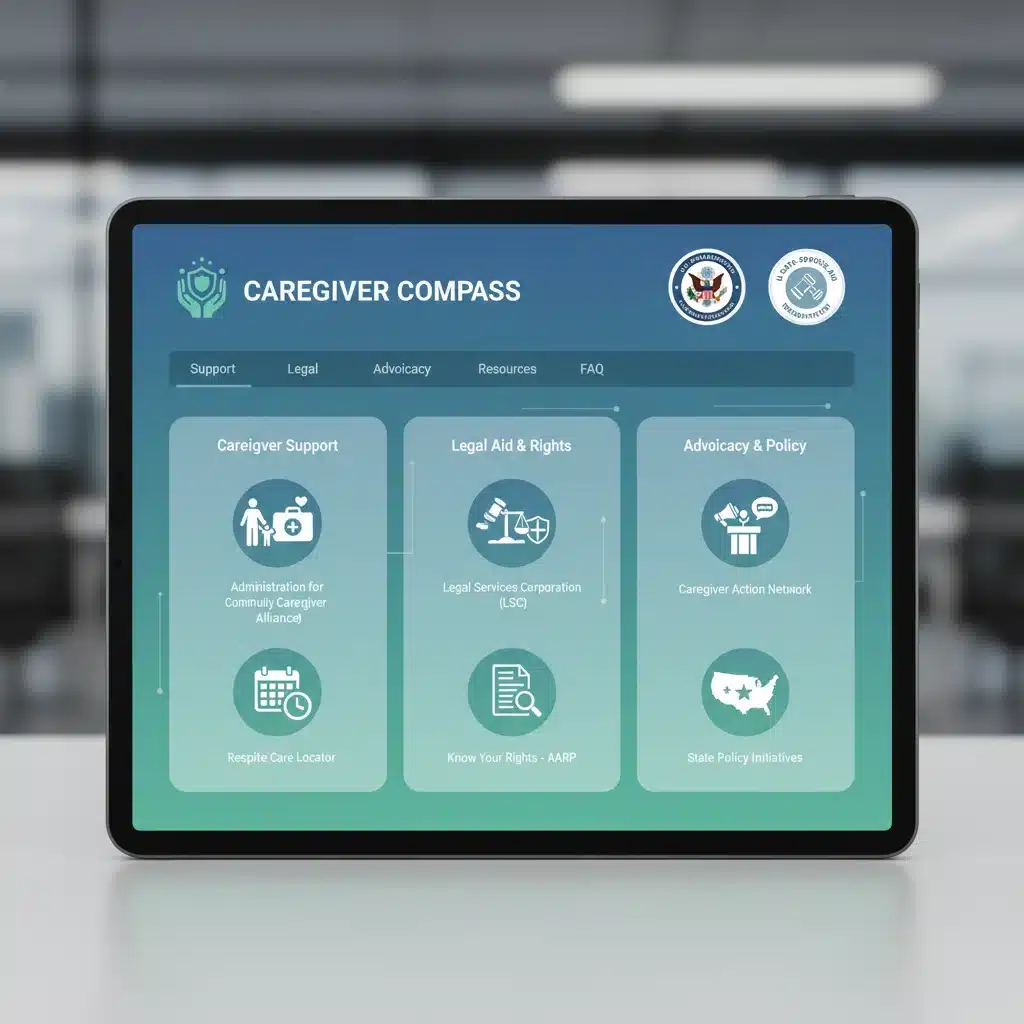
The digital transformation is also impacting the legal landscape for caregivers. There’s an increase in online platforms and digital tools designed to help caregivers understand their rights, access legal documents, and connect with support services. While convenient, caregivers must ensure these platforms are reputable and secure, especially when dealing with sensitive legal and personal information. This trend aims to make caregiver legal protections more accessible to a wider audience.
Enhanced Training and Certification for Professional Caregivers
For professional caregivers, 2026 sees an emphasis on enhanced training and certification standards. This is aimed at improving the quality of care and providing professional caregivers with a clearer understanding of their legal obligations and ethical responsibilities. Such initiatives often come with increased legal protections for those who meet these standards.
Navigating Legal Challenges and Seeking Assistance
Despite the growing caregiver legal protections, challenges can arise. Caregivers might encounter situations involving disputes with family members, questions about legal authority, or even allegations of abuse or neglect. Knowing how to navigate these challenges and where to seek assistance is paramount.
Legal Aid and Pro Bono Services
Many organizations offer legal aid and pro bono services specifically for seniors and their caregivers. These services can provide invaluable assistance with drafting legal documents, understanding rights, and representing caregivers in legal disputes. Caregivers should explore local bar associations, elder law clinics, and non-profit legal services for help.
Caregiver Advocacy Groups
Caregiver advocacy groups play a crucial role in lobbying for stronger caregiver legal protections and providing support and resources to caregivers. Joining such groups can offer a sense of community, access to information, and a platform to share experiences and seek advice from others facing similar challenges.
Documentation is Key
In any legal or challenging situation, thorough documentation is your best defense. Keep detailed records of care provided, medical appointments, financial transactions, communications with healthcare providers and family members, and any incidents or concerns. This documentation can be invaluable in demonstrating compliance with responsibilities and protecting yourself against false accusations.
Future Outlook for Caregiver Legal Protections
The trajectory for caregiver legal protections in the coming years appears to be one of continued expansion and refinement. As the caregiving crisis becomes more pronounced, especially with an aging baby boomer generation, legislative bodies are increasingly compelled to address the needs of caregivers more comprehensively. We can anticipate further developments in areas such as:
- Universal Paid Family Leave: The push for a national paid family leave program is likely to gain more traction, aiming to standardize benefits across all states and reduce the financial burden on caregivers.
- Increased Tax Incentives: More robust federal and state tax credits for caregivers are expected, acknowledging the significant out-of-pocket expenses associated with caregiving.
- Enhanced Elder Abuse Prevention: Legislation will likely continue to strengthen protections against elder abuse and exploitation, with a particular focus on preventing financial abuse and holding perpetrators accountable.
- Support for Grandparent Caregivers: With a growing number of grandparents raising their grandchildren, there’s an anticipated increase in legal frameworks and support programs tailored to their unique needs and challenges.
- Technological Integration: Legal frameworks may evolve to address the implications of technology in caregiving, including privacy concerns with monitoring devices, telehealth regulations, and digital record-keeping standards.
These anticipated changes underscore the dynamic nature of caregiver legal protections and the importance of continuous engagement and advocacy within the caregiving community.
Conclusion
Navigating the complex world of caregiving in 2026 requires a deep understanding of both your rights and responsibilities. The legal landscape, while continuously evolving, offers a growing array of caregiver legal protections designed to support and empower these essential individuals. From federal acts like FMLA to state-specific paid leave programs and the critical duty to report abuse, knowledge is your most powerful tool.
By staying informed about recent updates, proactively establishing legal documents, diligently fulfilling responsibilities, and knowing where to seek assistance, caregivers can protect themselves and ensure the highest quality of care for their loved ones. The journey of caregiving is challenging, but with the right legal knowledge and support, it can also be a rewarding and secure experience for all involved. Empower yourself with this knowledge and continue your invaluable work with confidence.