Childcare Licensing Changes 2026: What Parents in 10 States Must Know

Urgent Alert: Key Changes to Childcare Provider Licensing in 2026 Affecting 10 States – What Parents Need to Know Now (TIME-SENSITIVE)
The landscape of childcare in the United States is constantly evolving, driven by a commitment to ensuring the safety, well-being, and educational development of our youngest citizens. While these changes are often incremental, 2026 is poised to bring about a seismic shift in childcare provider licensing across 10 specific states. For parents, this isn’t just bureaucratic red tape; it’s a critical, time-sensitive alert that could directly impact your family’s childcare arrangements, expenses, and peace of mind. Understanding these impending childcare licensing changes is not merely advisable – it’s imperative.
This comprehensive guide will delve into the specifics of these significant updates, explaining which states are affected, what the core changes entail, and – most importantly – what parents need to do now to prepare. The goal is to empower you with the knowledge to navigate these transitions smoothly, ensuring your children continue to receive high-quality, compliant care.
Why Are These Childcare Licensing Changes Happening?
The impetus behind such widespread and impactful childcare licensing changes is multifaceted, often stemming from a combination of federal initiatives, state-level legislative reviews, and a growing understanding of early childhood development best practices. Several key factors typically drive these revisions:
- Enhanced Child Safety: Tragic incidents or new research findings can prompt a re-evaluation of safety protocols, leading to updated requirements for facility safety, emergency preparedness, and staff training in areas like first aid and CPR.
- Improved Child Development Outcomes: A deeper understanding of early brain development and the long-term impact of quality early education often leads to revised curriculum standards, staff-to-child ratios, and qualifications for educators.
- Addressing Workforce Shortages and Quality: Some changes aim to professionalize the childcare workforce, offering pathways for increased training and better compensation, which can indirectly affect licensing requirements.
- Federal Mandates and Funding: Federal programs and funding initiatives, such as the Child Care and Development Block Grant (CCDBG), often come with stipulations that states must meet to receive funding, influencing their licensing regulations.
- Public Health Concerns: Evolving public health guidelines, particularly in the wake of global health events, can lead to new sanitation, health screening, and infectious disease prevention requirements.
These 2026 changes represent a concerted effort to elevate the standard of childcare, but their implementation will undoubtedly present challenges and opportunities for both providers and parents.
Which 10 States Are Affected by the 2026 Childcare Licensing Changes?
While the specifics of the childcare licensing changes will vary from state to state, it’s crucial for parents in the identified regions to pay close attention. The 10 states confirmed to be implementing significant overhauls to their childcare provider licensing regulations in 2026 are:
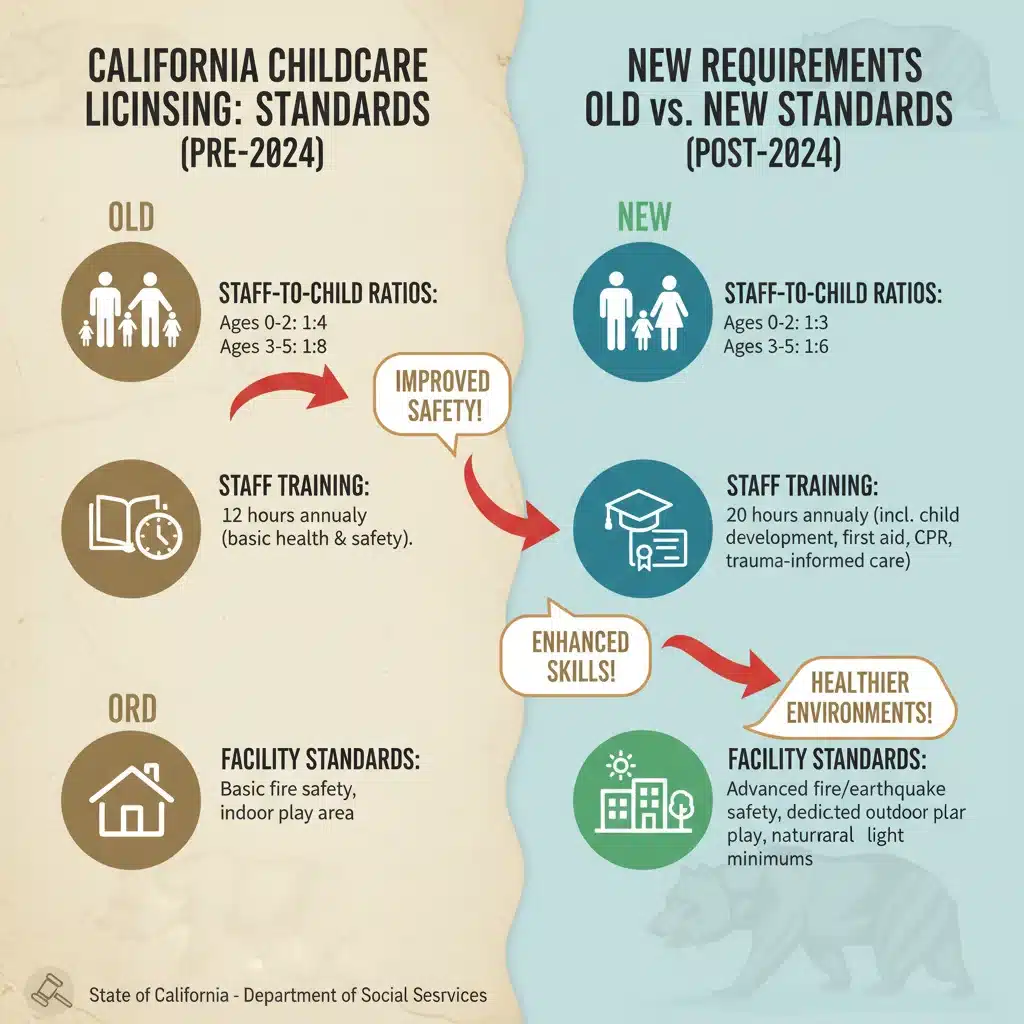
- California: Focusing on enhanced staff training and facility safety.
- New York: Introducing new health and wellness standards for children and staff.
- Texas: Revising staff-to-child ratios and group size limits for various age groups.
- Florida: Implementing stricter background check requirements and ongoing professional development.
- Illinois: Updating curriculum guidelines to align with early learning frameworks.
- Pennsylvania: Enhancing emergency preparedness plans and incident reporting.
- Ohio: Strengthening facility sanitation and hygiene protocols.
- Georgia: Introducing new requirements for outdoor play spaces and physical activity.
- North Carolina: Revising nutritional standards for meals and snacks provided.
- Massachusetts: Focusing on inclusive practices for children with special needs and diverse backgrounds.
If you reside in one of these states, it is critical to seek out the specific regulations pertaining to your state’s Department of Health and Human Services, Department of Children and Families, or equivalent licensing agency. State websites are the primary source for the most accurate and up-to-date information.
Decoding the Core Childcare Licensing Changes for 2026
While each state’s specific regulations will differ, there are overarching themes in the 2026 childcare licensing changes that parents should be aware of. These changes typically fall into several key categories:
1. Staff Qualifications and Training
Many states are raising the bar for who can work in childcare and what ongoing training they must complete. This includes:
- Higher Educational Requirements: Some states may require lead teachers or directors to hold specific degrees or certifications in early childhood education.
- Increased Professional Development Hours: Expect mandates for more annual training hours covering topics like child development, positive behavior management, and health and safety.
- Specialized Training: New requirements for training in areas such as trauma-informed care, supporting children with special needs, or cultural competency are becoming more common.
2. Staff-to-Child Ratios and Group Sizes
These are fundamental to ensuring individualized attention and safety. Several states are proposing:
- Lower Ratios for Infants and Toddlers: A reduction in the number of children per staff member, especially for the youngest age groups, to enhance safety and quality of care.
- Reduced Group Sizes: Limiting the total number of children in a single classroom or group, fostering a more intimate and manageable learning environment.
3. Health, Safety, and Facility Standards
These updates are often the most tangible for parents, directly impacting the physical environment where children spend their days:
- Enhanced Health Protocols: Stricter guidelines for illness policies, medication administration, and infectious disease prevention.
- Improved Facility Safety: Updates to playground safety, fire safety codes, secure entry systems, and general maintenance standards.
- Nutrition Standards: New requirements for balanced meals and snacks, potentially including restrictions on sugary drinks or processed foods.
4. Curriculum and Educational Programming
The focus on early learning continues to grow, leading to:
- Developmentally Appropriate Curriculum: Requirements for programs to use evidence-based curricula that align with state early learning standards.
- Assessment and Progress Monitoring: Mandates for regular assessment of children’s development and communication of progress to parents.
5. Background Checks and Screening
Ensuring the trustworthiness of childcare providers remains a top priority:
- Fingerprint-Based Background Checks: More extensive and frequent checks for all staff, including volunteers, often requiring fingerprinting and checks against multiple databases.
- Child Abuse and Neglect Registry Checks: Mandatory searches of state and national child abuse registries.
Impact on Parents: What These Changes Mean for Your Family
While the ultimate goal of these childcare licensing changes is to improve the quality and safety of care, their immediate impact on parents can be significant and varied.
Potential Increase in Childcare Costs
Higher standards often translate to increased operational costs for providers. This can include:
- Increased Staffing Expenses: Lower staff-to-child ratios mean more staff, leading to higher payroll.
- Training and Professional Development Costs: Providers will incur expenses for staff training, which may be passed on to families.
- Facility Upgrades: Meeting new safety or environmental standards might require significant renovations or equipment purchases.
- Administrative Burden: Increased paperwork and compliance efforts add to overhead.
These increased costs may result in higher tuition fees for parents. It’s crucial to budget for potential changes or explore financial assistance options.
Changes in Provider Availability
Some providers, particularly smaller, independent operations or those with limited resources, may struggle to meet the new requirements. This could lead to:
- Program Closures: Providers unable to comply may be forced to close, reducing the overall number of available childcare slots.
- Reduced Capacity: Even compliant centers might reduce their enrollment to meet new staff-to-child ratios or group size limits.
- Longer Waitlists: With fewer available spots, waitlists for quality childcare programs could become even longer.
Parents may need to start their search for childcare much earlier than anticipated or explore alternative care arrangements.
Enhanced Quality and Safety
On the positive side, these childcare licensing changes are designed to deliver tangible benefits for children:
- Safer Environments: Stricter health and safety standards mean a reduced risk of accidents, illness, and abuse.
- Better Educated Caregivers: Higher training requirements lead to more knowledgeable and skilled staff who can better support children’s development.
- Improved Developmental Outcomes: Enhanced curriculum standards and lower ratios can contribute to better social, emotional, and cognitive development.
- Greater Peace of Mind: Knowing that your child’s care environment meets rigorous standards can provide significant reassurance.
What Parents Need to Do NOW: A Time-Sensitive Action Plan
Given the time-sensitive nature of these childcare licensing changes, proactive engagement is key. Don’t wait until 2026 to understand how your family will be affected. Here’s an action plan:
1. Identify Your State’s Specific Regulations
- Visit Official State Websites: Go directly to your state’s Department of Health and Human Services, Department of Children and Families, or the equivalent agency responsible for childcare licensing. Look for dedicated sections on “Child Care Licensing,” “Regulatory Updates,” or “New Legislation.”
- Contact Your Current Provider: Speak with your current childcare center or home-based provider. They should be aware of the impending changes and might already be taking steps to comply. Ask them directly about how the 2026 regulations will affect their program, costs, and capacity.
- Subscribe to State Updates: Many state agencies offer newsletters or email alerts for childcare providers and parents. Sign up to receive direct notifications about regulatory changes.
2. Evaluate Your Current Childcare Arrangement
- Assess Compliance: Once you understand the new regulations, consider if your current provider will meet them. Will they need to adjust staff, facilities, or programming?
- Discuss Impact: Have a frank conversation with your provider about potential cost increases or changes in services.
- Consider Alternatives: If your current provider indicates they may not be able to comply or if the changes make their program unsuitable for your family, start researching alternatives early.
3. Explore Financial Assistance and Resources
- State Subsidies: Investigate if your state offers childcare subsidies or financial aid programs that might help offset potential cost increases. Eligibility requirements often vary.
- Federal Programs: Research federal programs like the Child Care and Development Fund (CCDF) and how they are implemented in your state.
- Employer Benefits: Check if your employer offers any childcare benefits, flexible spending accounts (FSAs), or dependent care assistance programs (DCAPs).
- Tax Credits: Familiarize yourself with federal and state tax credits for childcare expenses.
4. Advocate for Your Family and Community
- Engage with Local Advocacy Groups: Join or support local parent advocacy groups or organizations focused on early childhood education. These groups often have a voice in policy discussions.
- Contact Legislators: Share your concerns and perspectives with your state representatives. Your input can influence the implementation and support structures surrounding these changes.
- Participate in Public Forums: Attend any public hearings or community meetings where these childcare licensing changes are being discussed.
5. Plan for Potential Disruptions
- Backup Care Plans: Develop contingency plans in case your current childcare arrangement is disrupted. This might involve family, friends, or alternative programs.
- Flexibility at Work: Discuss potential needs for flexible work arrangements with your employer, especially if childcare availability becomes an issue.
The Role of Childcare Providers in Navigating These Changes
It’s important for parents to remember that childcare providers are also navigating these complex childcare licensing changes. These updates represent significant challenges for them, including:
- Financial Strain: The cost of compliance can be substantial, particularly for small businesses.
- Staff Recruitment and Retention: Meeting higher qualification standards can make it harder to find and keep qualified staff in an already strained workforce.
- Administrative Burden: The process of understanding and implementing new regulations can be time-consuming and complex.
Open and empathetic communication with your provider is essential. They are likely working hard to meet these new standards while continuing to provide excellent care. Supporting them through this transition, by understanding their challenges and complying with any new procedures they implement, can be mutually beneficial.

Long-Term Outlook: A Brighter Future for Early Childhood Education?
While the immediate future may present challenges, the long-term vision behind these childcare licensing changes is overwhelmingly positive. By raising standards, states aim to create a more robust, professional, and ultimately more beneficial early childhood education system. Children will benefit from safer environments, more highly trained educators, and curricula designed to foster optimal development.
For parents, this means that while the path to 2026 might require extra effort and vigilance, the destination – a childcare system that prioritizes the holistic well-being and development of every child – is a worthy one. Informed parents are empowered parents, capable of making the best decisions for their families and advocating for the resources and support needed to thrive in this evolving landscape.
Conclusion: Stay Informed, Stay Proactive
The 2026 childcare licensing changes in these 10 states are not distant future concerns; they are imminent realities that demand your attention now. By staying informed, proactively engaging with state resources and your childcare providers, and understanding the potential impacts, you can ensure a smooth transition for your family.
Remember, the goal is not just compliance, but fostering an environment where every child can flourish. Your active participation in understanding and adapting to these changes is a crucial step in securing the best possible future for your children.
Disclaimer: This article provides general information and is not legal advice. Parents should consult official state government websites and their childcare providers for the most accurate and up-to-date information regarding specific 2026 childcare licensing changes in their respective states.