Home-Based Chronic Care: Future of US Family Health 2026
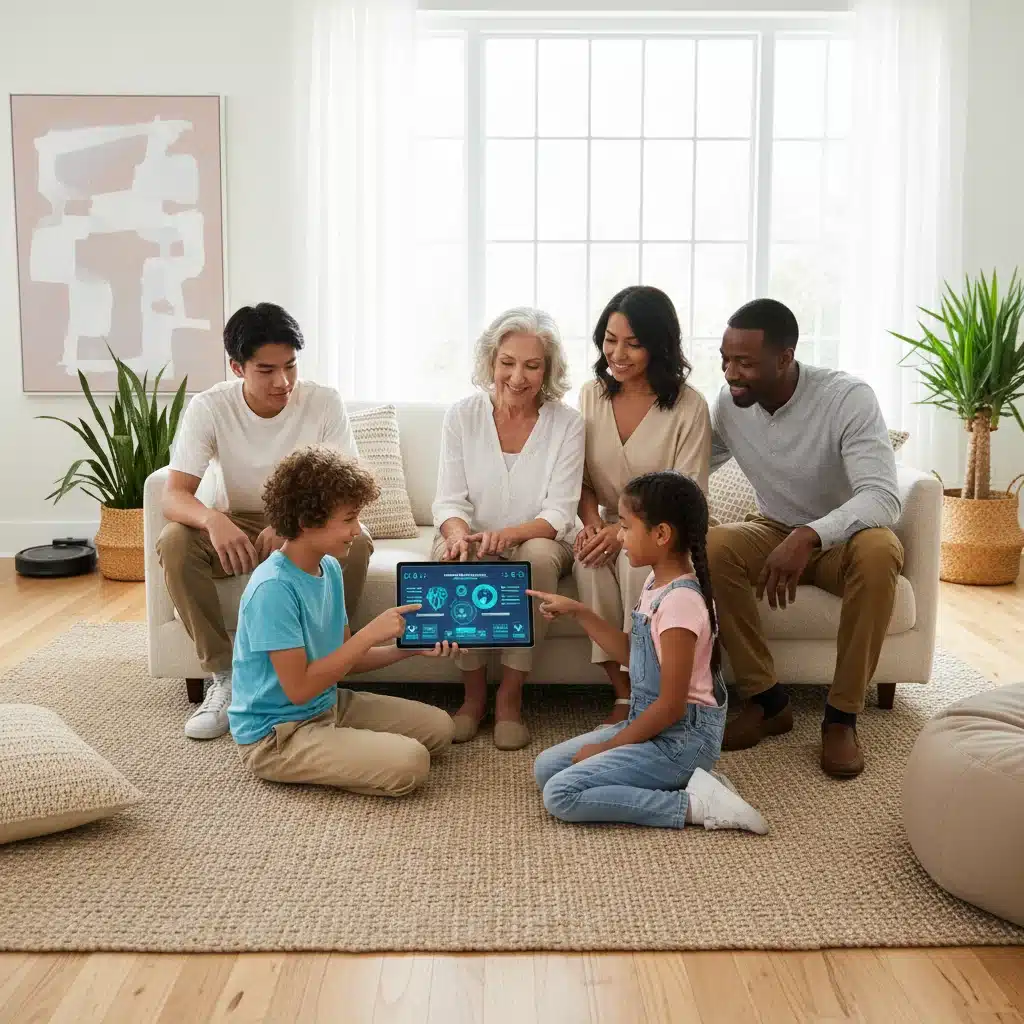
Transforming US Family Health: 4 Home-Based Solutions for Chronic Conditions by 2026
The landscape of healthcare in the United States is undergoing a profound transformation, particularly concerning the management of chronic conditions. As we look towards 2026, the traditional model of hospital-centric care is increasingly being complemented, and in some cases, supplanted, by innovative home-based solutions. For US families grappling with the complexities of chronic illnesses, this shift promises not only greater convenience and comfort but also more personalized and effective care. The challenges posed by chronic conditions – from diabetes and heart disease to asthma and autoimmune disorders – are immense, affecting millions of Americans and placing significant strain on both individuals and the healthcare system. However, technological advancements, evolving healthcare policies, and a growing recognition of the benefits of patient-centered care are paving the way for a future where managing chronic conditions from the comfort and familiarity of one’s home becomes the norm rather than the exception. This article will delve into four pivotal home-based health solutions that are set to redefine how US families approach home chronic care in the coming years.
The Rising Need for Home Chronic Care in the US
Before exploring the solutions, it’s crucial to understand the escalating need for robust home chronic care strategies. Chronic diseases are the leading causes of death and disability in the United States, accounting for 7 of the top 10 causes of death. More than half of all American adults have at least one chronic condition, and many have multiple. This demographic reality presents a multifaceted challenge:
- Healthcare System Strain: The sheer volume of patients requiring ongoing care puts immense pressure on hospitals, clinics, and healthcare professionals.
- Financial Burden: Managing chronic conditions is expensive, with direct medical costs and lost productivity totaling trillions of dollars annually. For families, out-of-pocket expenses, co-pays, and deductibles can be crippling.
- Quality of Life Impact: Frequent doctor visits, hospital stays, and the daily burden of managing symptoms can significantly diminish the quality of life for both patients and their caregivers.
- Accessibility Issues: For individuals in rural areas, those with mobility challenges, or families with limited transportation, accessing specialized care can be a significant barrier.
These factors underscore the urgency for scalable, accessible, and effective alternatives to traditional care models. Home chronic care emerges as a powerful answer, leveraging technology and a patient-centric philosophy to address these pressing needs. The focus shifts from reactive treatment of acute episodes to proactive, preventive, and continuous management within the patient’s natural environment.
Solution 1: Advanced Remote Patient Monitoring (RPM) Systems
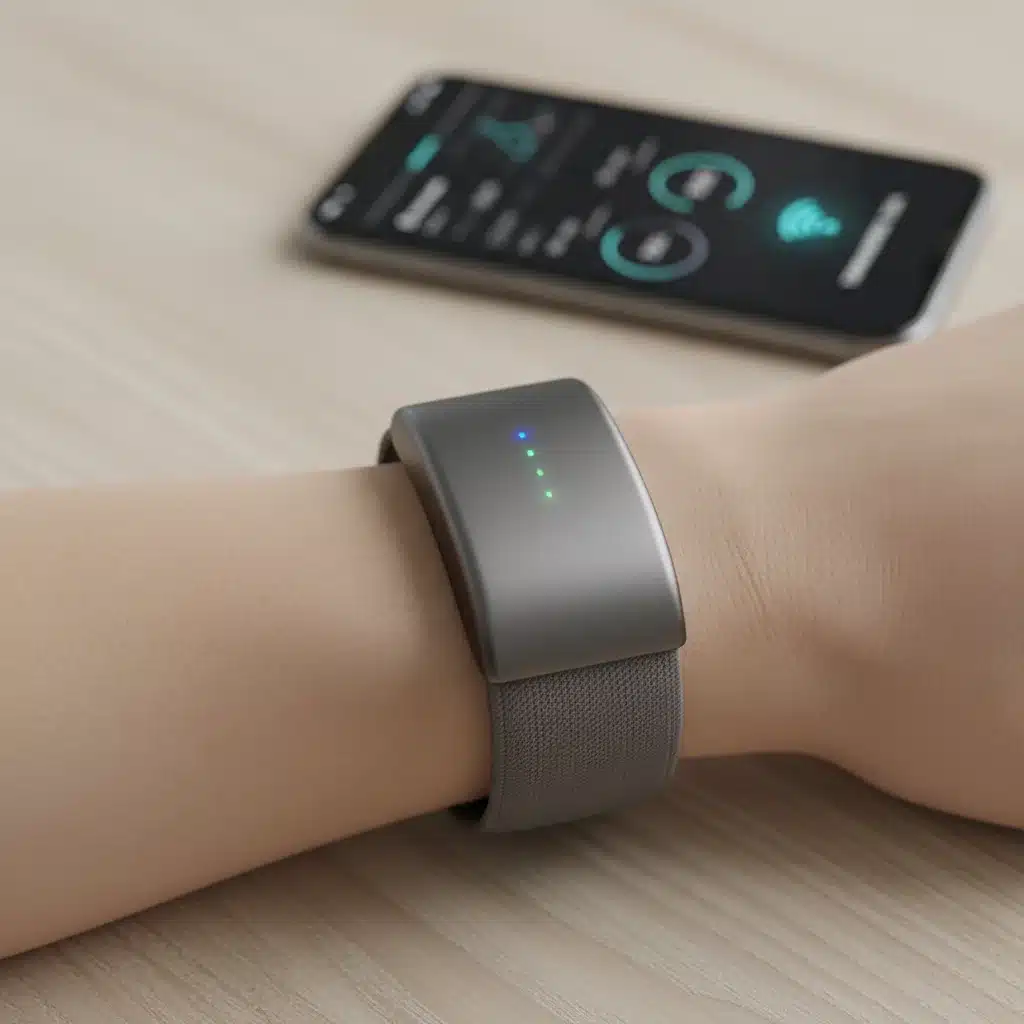
One of the most impactful developments in home chronic care is the proliferation of advanced Remote Patient Monitoring (RPM) systems. RPM involves the use of digital technologies to collect medical and other forms of health data from individuals in one location and electronically transmit that information securely to healthcare providers in a different location for assessment and recommendations. By 2026, RPM will be an indispensable tool for managing a wide array of chronic conditions.
How RPM Works for Chronic Conditions
RPM systems typically consist of:
- Wearable Sensors: Devices like smartwatches, continuous glucose monitors, blood pressure cuffs, pulse oximeters, and smart scales that automatically collect vital health data.
- Home Medical Devices: Specialized equipment for specific conditions, such as spirometers for asthma, ECG monitors for cardiac issues, or smart insulin pens for diabetes.
- Data Transmission Platforms: Secure, often cloud-based, platforms that receive data from the devices and make it accessible to healthcare providers.
- Clinical Review and Intervention: Healthcare teams (doctors, nurses, care coordinators) review the data, identify trends, detect anomalies, and intervene proactively when necessary.
Benefits for US Families
- Early Detection of Issues: Continuous monitoring allows for the early detection of deteriorating health, enabling timely interventions before conditions become critical, potentially preventing emergency room visits and hospitalizations. This is a cornerstone of effective home chronic care.
- Personalized Treatment Adjustments: Providers gain a more complete, real-time picture of a patient’s health, allowing for more precise and personalized adjustments to medication, diet, and lifestyle recommendations.
- Increased Patient Engagement: Patients become more actively involved in their own health management, gaining insights into how their daily activities impact their condition. This fosters a sense of empowerment and responsibility.
- Reduced Healthcare Costs: By preventing costly hospitalizations and reducing the need for frequent in-person appointments, RPM can significantly lower the overall cost of care for families and the healthcare system.
- Convenience and Comfort: Patients can manage their conditions from the comfort of their homes, reducing travel time, waiting room stress, and exposure to other illnesses.
For example, a diabetic patient can have their glucose levels continuously monitored, with alerts sent to their care team if readings are consistently high or low. A patient with heart failure can have their weight, blood pressure, and heart rate tracked, allowing their cardiologist to identify fluid retention or other warning signs early. This proactive approach to home chronic care is revolutionary.
Solution 2: Expanding Telemedicine and Virtual Care Platforms
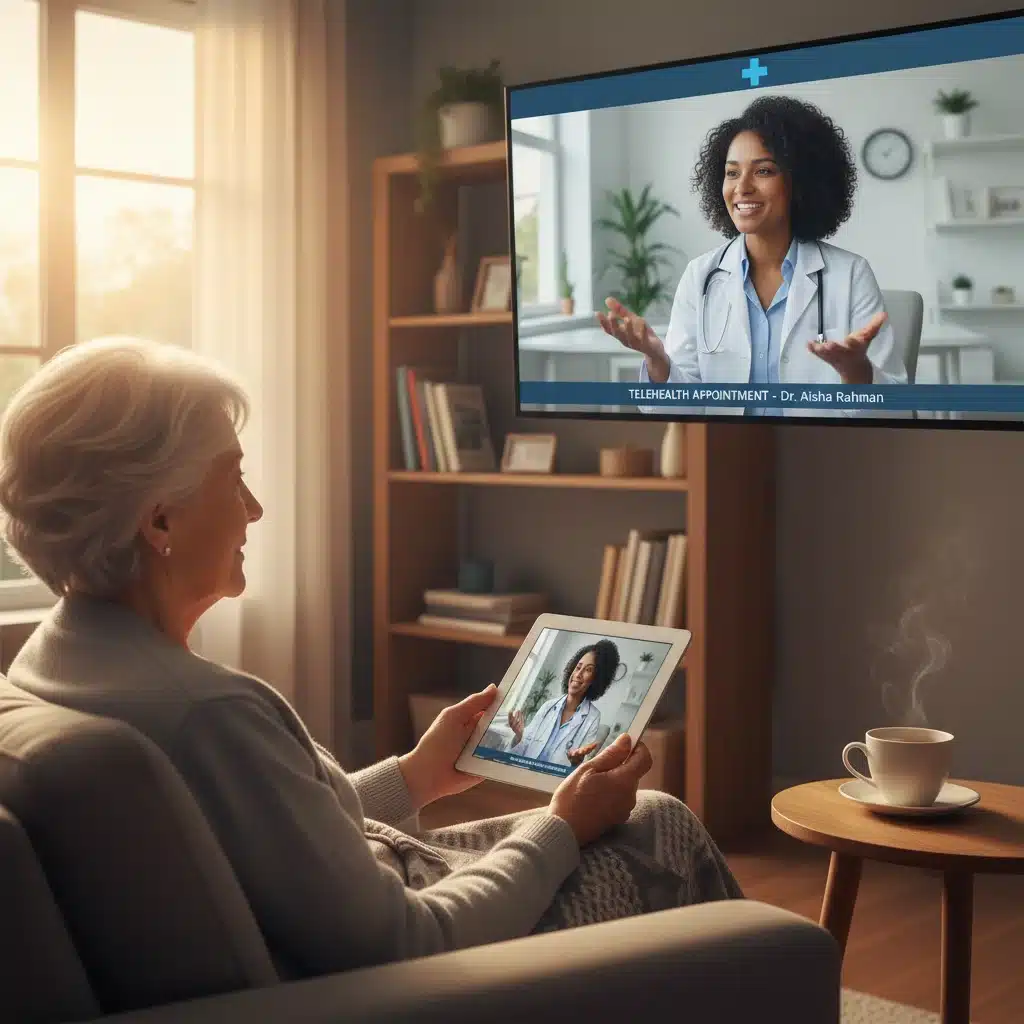
While telemedicine isn’t new, its rapid expansion and integration into comprehensive home chronic care models represent a significant evolution. By 2026, virtual care platforms will offer much more than just video consultations; they will be integrated hubs for diverse healthcare services.
Evolution of Telemedicine for Chronic Conditions
The next generation of telemedicine for chronic care will include:
- Multi-Specialty Virtual Clinics: Patients will have access to virtual consultations with not just their primary care physician, but also specialists like endocrinologists, cardiologists, dietitians, and mental health professionals, all from home.
- AI-Powered Triage and Support: AI chatbots and virtual assistants will help patients navigate their care, answer common questions, schedule appointments, and even provide initial symptom assessment, directing them to the appropriate level of care.
- Virtual Physical Therapy and Rehabilitation: Interactive platforms will guide patients through exercises and rehabilitation programs at home, often using motion-tracking technology to ensure correct form and progress.
- Digital Therapeutics (DTx): Software programs designed to prevent, manage, or treat a medical disorder or disease. These can include apps for managing insomnia, anxiety, or even adherence to medication regimens.
Advantages for US Families Managing Home Chronic Care
- Enhanced Accessibility: Overcomes geographical barriers, making specialized care available to rural populations and those with limited mobility. This is paramount for equitable home chronic care.
- Reduced Time and Cost: Eliminates travel time, parking fees, and time off work or school for appointments, significantly reducing the logistical and financial burden on families.
- Continuity of Care: Facilitates regular follow-ups and check-ins, ensuring consistent management of chronic conditions and preventing gaps in care.
- Improved Patient Comfort and Privacy: Many patients feel more comfortable discussing sensitive health issues from their own homes.
- Flexible Scheduling: Virtual appointments often offer more flexible scheduling options, making it easier to fit healthcare into busy family lives.
Imagine a parent managing a child’s asthma. Instead of rushing to the clinic for every flare-up or routine check, they can have a virtual consultation with a pediatric pulmonologist, share data from a home spirometer, and receive immediate guidance. This seamless integration of virtual care into daily life is a hallmark of future home chronic care.
Solution 3: Personalized Medicine and Genomic Integration
The concept of personalized medicine, tailored to an individual’s unique genetic makeup, lifestyle, and environment, is rapidly moving from research labs to practical application in home chronic care. By 2026, genomic insights will play a more significant role in guiding treatment decisions and preventive strategies for chronic conditions, with implications reaching directly into the home.
Genomics and Chronic Disease Management at Home
This solution involves:
- Pharmacogenomics: Using an individual’s genetic profile to predict their response to specific medications. This can help optimize drug dosages, reduce adverse side effects, and improve treatment efficacy for conditions like depression, cardiovascular disease, and certain cancers.
- Nutrigenomics: Understanding how genetic variations influence an individual’s response to nutrients and dietary components. This allows for highly personalized dietary recommendations to manage conditions like diabetes, obesity, and inflammatory diseases.
- Risk Prediction and Early Intervention: Identifying genetic predispositions to certain chronic conditions allows families to implement proactive lifestyle changes and preventive screenings much earlier, potentially delaying or even preventing disease onset.
- Direct-to-Consumer Genetic Testing with Clinical Oversight: While direct-to-consumer genetic tests are already available, by 2026, these will be more seamlessly integrated with clinical guidance, ensuring that genetic insights are interpreted accurately and acted upon appropriately within a comprehensive home chronic care plan.
Impact on US Families
- Highly Targeted Treatments: Moving away from a "one-size-all" approach to medication and lifestyle interventions, leading to more effective management of chronic conditions.
- Reduced Trial-and-Error: Minimizing the frustrating and often costly process of trying multiple medications or diets before finding what works.
- Empowered Prevention: Families can make informed decisions about lifestyle, diet, and screenings based on their unique genetic risks, taking proactive steps to safeguard their health.
- Enhanced Family Health Planning: Understanding genetic risks can inform family planning decisions and allow for early intervention strategies for children who may be predisposed to certain conditions.
For example, a patient with hypertension might undergo pharmacogenomic testing to determine which class of blood pressure medication will be most effective for them, avoiding months of ineffective treatment. A family with a history of type 2 diabetes could use nutrigenomic insights to tailor their diets to minimize their genetic predisposition, all guided by their healthcare providers through virtual platforms. This integration truly elevates home chronic care to a new level of precision.
Solution 4: Integrated Home-Based Care Teams and Support Networks
Beyond technology, the human element of home chronic care is equally vital. By 2026, we will see the rise of integrated, multidisciplinary home-based care teams and robust community support networks designed to provide holistic care for individuals with chronic conditions.
The Structure of Integrated Home Care
This comprehensive approach includes:
- Multidisciplinary Care Teams: Not just a single doctor, but a coordinated team comprising nurses, physical therapists, occupational therapists, social workers, dietitians, and mental health counselors, all collaborating to provide comprehensive care. These teams can conduct home visits when necessary, but much of their coordination and patient interaction can be virtual.
- Care Coordinators: Dedicated professionals who act as a central point of contact for the patient and family, helping to navigate the complex healthcare system, schedule appointments, manage medications, and connect them with resources.
- Family Caregiver Support: Recognizing the critical role of family caregivers, these networks will offer training, respite care options, and mental health support for those bearing the primary care burden.
- Community-Based Programs: Partnerships with local organizations, senior centers, and community health workers to provide additional support, such as transportation to appointments, meal delivery services, exercise programs, and social activities to combat isolation.
- Technology-Enabled Communication: Secure platforms for seamless communication among the care team, patient, and family, ensuring everyone is informed and aligned on the care plan.
Benefits for US Families
- Holistic and Coordinated Care: Addresses not just the medical aspects of a chronic condition but also the social, emotional, and practical challenges, leading to better overall health outcomes.
- Reduced Caregiver Burnout: Provides essential support and resources for family caregivers, preventing burnout and enabling them to sustain their vital role.
- Improved Adherence to Treatment: With coordinated support and education, patients are more likely to adhere to their medication regimens, dietary plans, and lifestyle recommendations.
- Enhanced Quality of Life: By addressing a broader range of needs and fostering a sense of community, these networks help patients maintain independence and a higher quality of life at home.
- Crisis Prevention: Proactive monitoring and coordinated support can help identify and mitigate potential crises before they escalate, reinforcing the preventative aspect of home chronic care.
Consider a senior living with multiple chronic conditions who might struggle with medication management, meal preparation, and social isolation. An integrated home-based care team could provide regular nursing check-ups, connect them with a dietitian for personalized meal plans, arrange for a social worker to address isolation, and even provide virtual physical therapy sessions. This wrap-around support makes independent living with chronic conditions not just possible, but thriving.
The Future is Home: Challenges and Opportunities for Home Chronic Care
While the promise of these home-based solutions for home chronic care is immense, their widespread adoption and effectiveness depend on addressing several key challenges:
- Interoperability and Data Security: Ensuring that different technological systems can communicate seamlessly and that patient data remains secure and private.
- Digital Divide: Bridging the gap for individuals who lack access to reliable internet, necessary devices, or the digital literacy to utilize these technologies effectively.
- Reimbursement Models: Evolving healthcare payment models to adequately compensate providers for delivering home-based and virtual care.
- Regulatory Frameworks: Adapting state and federal regulations to support the expansion of telemedicine and remote monitoring while ensuring patient safety and quality of care.
- Training and Education: Equipping healthcare professionals with the skills to effectively deliver virtual care and interpret data from RPM systems, and educating patients and families on how to best utilize these tools.
However, the opportunities far outweigh the challenges. The shift towards home chronic care represents a paradigm shift – moving from episodic, reactive care to continuous, proactive, and patient-centered management. This not only improves individual health outcomes but also makes the healthcare system more sustainable and efficient.
Conclusion: A Healthier Home for US Families in 2026
By 2026, the landscape of chronic disease management for US families will be significantly transformed by the integration of advanced technology and comprehensive support systems into the home environment. Remote Patient Monitoring, expanded Telemedicine and Virtual Care Platforms, Personalized Medicine guided by genomic insights, and Integrated Home-Based Care Teams will collectively redefine home chronic care. These solutions promise a future where managing chronic conditions is less burdensome, more effective, and deeply personalized, allowing individuals to live healthier, more fulfilling lives from the comfort and familiarity of their own homes. The focus will be on prevention, early intervention, and continuous support, empowering families to take an active role in their health journey and fostering a healthcare system that truly serves the needs of its people.