Sensory-Friendly Design: Creating Inclusive Spaces for Well-being in 2026
Sensory-Friendly Design: Crafting Inclusive Environments for Optimal Well-being in 2026
Transforming homes and communities to support everyone’s sensory needs.
In an increasingly complex and stimulating world, the concept of sensory friendly design has moved from a niche consideration to a fundamental principle in creating spaces that promote genuine well-being for all. As we look towards 2026, the understanding and implementation of sensory-friendly environments are rapidly evolving, impacting everything from our homes to our public spaces. This comprehensive guide explores what sensory friendly design entails, why it’s crucial, and how to integrate its principles effectively to foster optimal comfort, productivity, and peace.
What is Sensory-Friendly Design?
At its core, sensory friendly design is the practice of creating environments that are mindful of and responsive to the diverse sensory needs of individuals. It acknowledges that people process sensory information (sight, sound, touch, smell, taste, vestibular, and proprioception) in unique ways. For some, certain stimuli can be overwhelming, distracting, or even painful, leading to anxiety, stress, or sensory overload. Conversely, a lack of appropriate stimulation can lead to under-stimulation and discomfort.
The goal of sensory friendly design is not to eliminate all sensory input, but rather to create balanced, predictable, and adjustable environments. It’s about providing choices and controls that allow individuals to regulate their sensory experiences, fostering a sense of calm, security, and functionality. While often associated with individuals on the autism spectrum, sensory processing differences are prevalent across the population, including those with ADHD, anxiety disorders, PTSD, chronic pain, migraines, and even typically developing individuals who simply prefer calmer settings. Therefore, designing for sensory comfort benefits everyone, promoting inclusivity and universal accessibility.
The Growing Importance of Sensory-Friendly Spaces in 2026
The rapid pace of modern life, coupled with constant digital stimulation, has amplified the need for spaces that offer respite and regulation. In 2026, this need is more pronounced than ever. Urbanization, increased population density, and the proliferation of technology mean that many individuals are constantly bombarded with sensory input. This can lead to a heightened state of stress and reduced capacity for focus and relaxation. Consequently, the demand for sensory friendly design in both private and public sectors is surging.
Businesses are recognizing that sensory-friendly workplaces can boost employee productivity, reduce absenteeism, and attract a wider talent pool. Educational institutions are integrating these principles to create more effective learning environments. Healthcare facilities are using sensory design to promote healing and reduce patient anxiety. Even retail and hospitality sectors are exploring how calming environments can enhance customer experience and loyalty. The shift is clear: sensory friendly design is no longer a luxury but a necessity for holistic well-being and societal inclusion.
Key Principles of Effective Sensory-Friendly Design
Implementing sensory friendly design involves a thoughtful consideration of various sensory modalities. Here are the key principles:
1. Visual Comfort: Managing Light and Color
Visual stimuli are often the first and most impactful. Harsh fluorescent lighting, flickering lights, excessive clutter, and bold, clashing colors can be highly distressing. Effective sensory friendly design prioritizes:
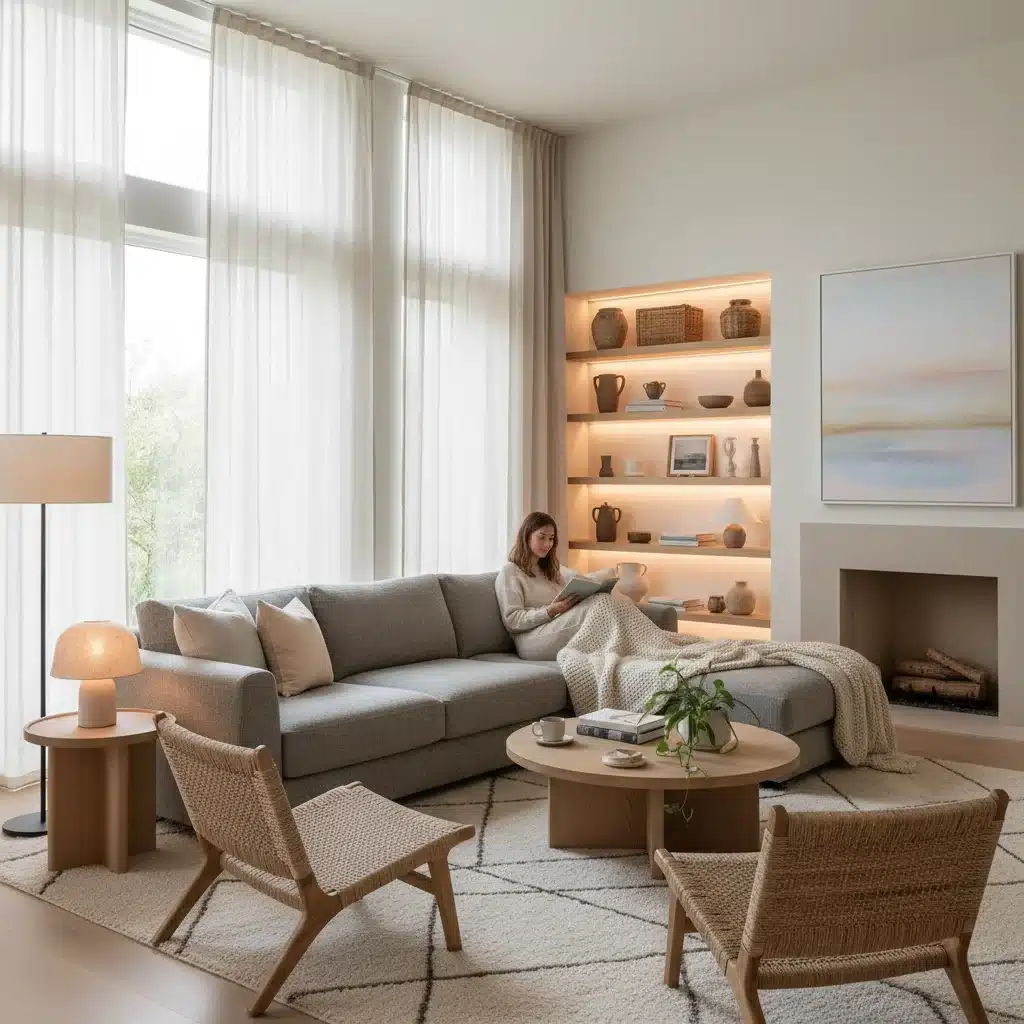
- Natural Light: Maximizing natural light exposure, which has been shown to improve mood and cognitive function. Use sheer curtains or blinds to control intensity.
- Adjustable Artificial Lighting: Incorporating dimmable lights, warm color temperatures (2700K-3000K), and indirect lighting sources (e.g., lamps, sconces) to reduce glare and allow for customization. Avoid fluorescent lights where possible.
- Calming Color Palettes: Opting for muted, desaturated colors like soft blues, greens, grays, and warm neutrals. These colors are known to have a calming effect and reduce visual overstimulation.
- Reduced Clutter: Maintaining organized, uncluttered spaces to minimize visual distractions and promote a sense of order.
- Strategic Visual Breaks: Incorporating elements like plants, artwork with soft lines, or clear sightlines to outdoor views to provide visual interest without overwhelming.
2. Auditory Comfort: Taming Soundscapes
Noise can be a significant source of distress. From loud conversations to unexpected alarms, auditory inputs can quickly lead to sensory overload. Sensory friendly design addresses this through:
- Acoustic Treatments: Using sound-absorbing materials such as carpets, rugs, upholstered furniture, acoustic panels, and heavy drapes to reduce echo and ambient noise.
- White Noise or Nature Sounds: Integrating sound machines or apps that provide calming background noise, like gentle rain or ocean waves, to mask jarring sounds.
- Quiet Zones: Designating specific areas as quiet zones where noise is minimized, providing a retreat for individuals needing auditory respite.
- Minimizing Mechanical Noise: Choosing quieter appliances, HVAC systems, and plumbing to reduce background hums and vibrations.
3. Tactile Comfort: Engaging the Sense of Touch
The sense of touch plays a crucial role in how we experience our environment. Textures can be soothing or irritating. Sensory friendly design considers:
- Varied Textures: Offering a range of appealing textures through furniture, fabrics, and flooring. Think soft blankets, plush pillows, smooth wood, or comforting rugs.
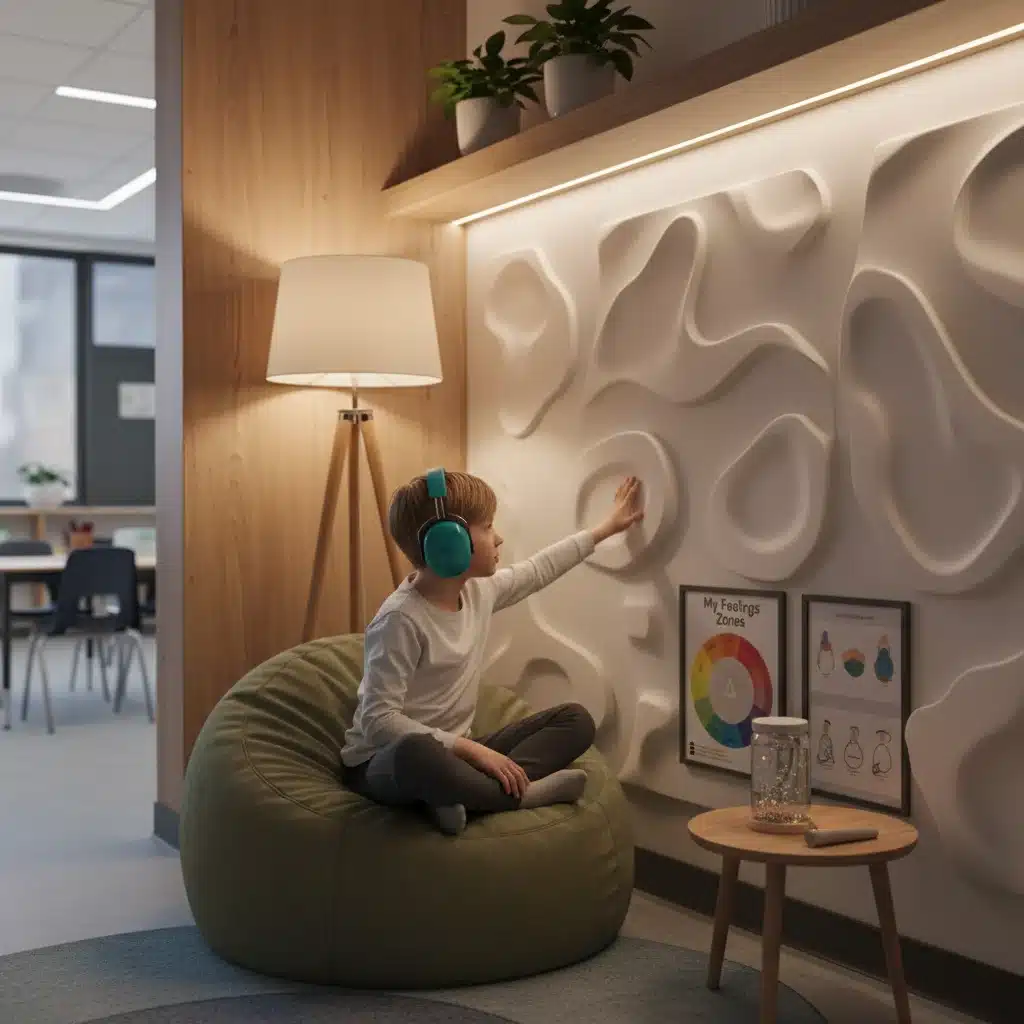
- Comfortable Furnishings: Selecting furniture that is ergonomically designed and provides adequate support, allowing for various seating positions. Beanbag chairs, rocking chairs, and comfortable sofas are excellent additions.
- Natural Materials: Incorporating natural materials like cotton, wool, wood, and stone, which often have pleasant tactile qualities and contribute to a sense of groundedness.
- Avoidance of Irritating Materials: Steering clear of scratchy fabrics, rough surfaces, or materials that produce static electricity.
4. Olfactory Comfort: Managing Scents
Smells can evoke powerful responses, both positive and negative. Strong or artificial scents can be overwhelming for many. Sensory friendly design focuses on:
- Odor Neutrality: Prioritizing good ventilation to prevent stale air and strong odors.
- Natural Scents: If scents are desired, opting for subtle, natural aromas from essential oils (e.g., lavender, chamomile) or fresh plants, used sparingly.
- Avoiding Artificial Fragrances: Eliminating air fresheners, scented candles, and cleaning products with strong artificial perfumes.
5. Proprioceptive and Vestibular Comfort: Movement and Body Awareness
These senses relate to body position, movement, and balance. Spaces that support these senses can help with regulation and focus.
- Opportunities for Movement: Providing options for movement, such as rocking chairs, swings, exercise balls, or designated areas for stretching.
- Heavy Work Activities: Incorporating elements that allow for proprioceptive input, like weighted blankets or pillows, or furniture that requires some effort to move.
- Clear Pathways: Ensuring clear, uncluttered pathways to facilitate easy movement and prevent disorientation.
- Stable Surfaces: Using stable flooring and furniture to provide a sense of security and reduce feelings of instability.
Applying Sensory-Friendly Design in Different Environments
Sensory-Friendly Homes: A Sanctuary for Well-being
Your home should be your ultimate sanctuary. Implementing sensory friendly design at home can significantly enhance daily life. Start by assessing each room:
- Living Room: Focus on soft lighting, comfortable and varied seating options with different textures, acoustic panels or heavy drapes, and a calming color scheme. Consider a designated ‘calm corner’ with a beanbag or weighted blanket.
- Bedroom: Prioritize darkness and quiet. Use blackout curtains, dimmable lights, and comfortable bedding. Minimize electronics.
- Kitchen/Dining: Ensure good ventilation. Consider softer lighting for dining. Choose appliances that operate quietly.
- Bathroom: Use warm, dimmable lighting, soft towels, and avoid strong chemical cleaners.
- Personal Retreats: Create a specific small space, even a closet, that can be a designated quiet zone with minimal stimuli.
The key is personalization. What is calming for one person might be overstimulating for another. Involve all household members in the decision-making process to ensure the space meets everyone’s unique needs.
Sensory-Friendly Community Spaces: Building Inclusivity
The principles of sensory friendly design are increasingly being adopted in public and commercial settings:
- Schools and Universities: Creating quiet zones, sensory rooms, flexible seating options, and mindful lighting in classrooms.
- Workplaces: Offering adjustable lighting, noise-canceling headphones, quiet pods, and breakout areas with calming aesthetics.
- Healthcare Facilities: Designing waiting rooms and patient rooms with soft colors, natural light, acoustic treatments, and comforting textures to reduce anxiety.
- Retail and Hospitality: Implementing ‘sensory-friendly hours’ with reduced lighting and music, creating calm zones, and ensuring clear navigation.
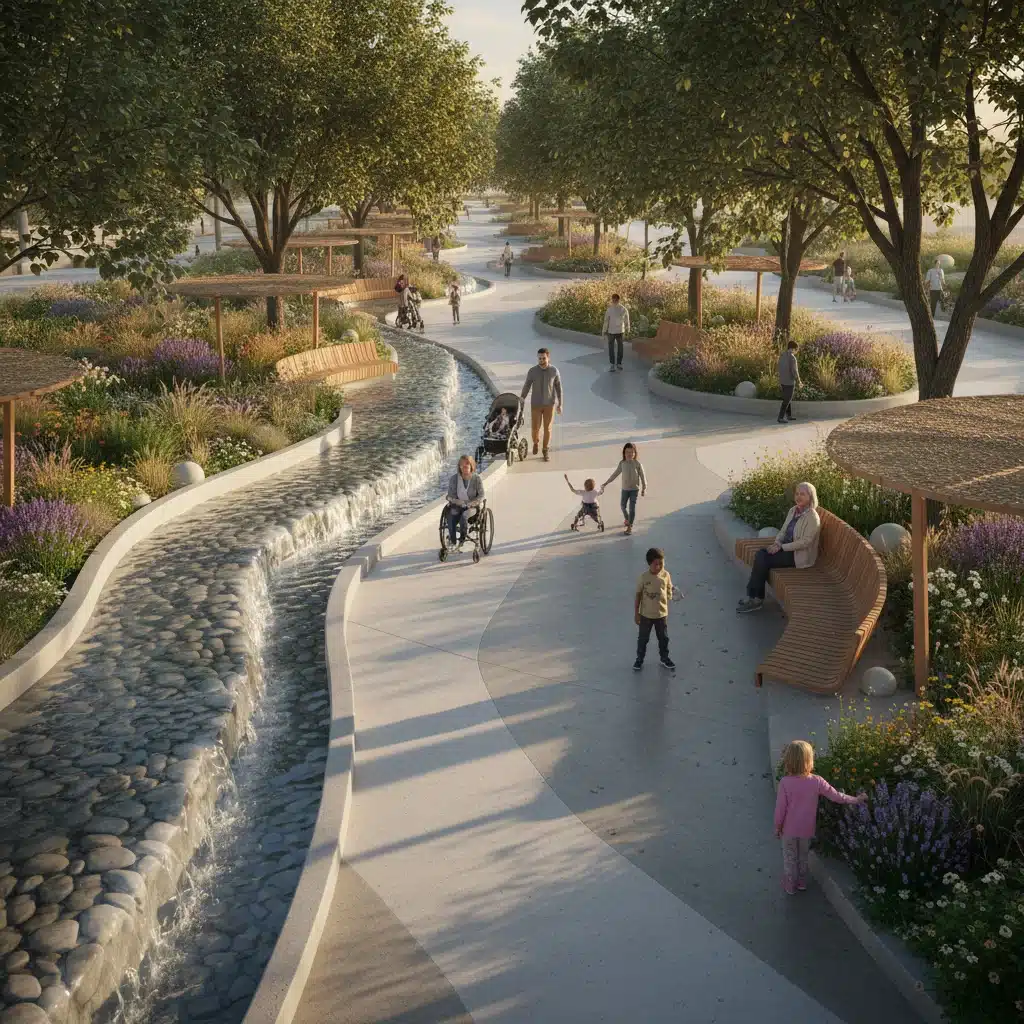
- Public Parks and Playgrounds: Incorporating natural elements, varied textures, sensory gardens, and accessible equipment that caters to different sensory needs.
The collaborative effort between architects, designers, urban planners, and community members is vital to successful implementation of sensory friendly design in public spaces.
The Role of Technology in Sensory-Friendly Environments
Technology, often a source of sensory overload, can also be a powerful tool for enhancing sensory friendly design. In 2026, smart home systems and integrated technologies are playing a significant role:
- Smart Lighting Systems: Allowing users to precisely control brightness, color temperature, and even schedule lighting changes throughout the day.
- Automated Blinds and Curtains: Offering seamless control over natural light and privacy.
- Sound Masking Systems: Advanced systems that generate ambient background noise to reduce speech intelligibility and mask disruptive sounds in open-plan offices or public areas.
- Personalized Soundscapes: Apps and devices that deliver customized calming sounds or white noise directly to individuals.
- Haptic Feedback Devices: For individuals who benefit from tactile input, wearable devices or furniture that provide gentle vibrations.
- Virtual Reality (VR) and Augmented Reality (AR): While still emerging, these technologies could offer controlled sensory experiences for therapeutic or calming purposes in designated spaces.
The key is to use technology as an enabler of control and personalization, rather than another source of stimulation.
Future Trends in Sensory-Friendly Design (2026 and Beyond)
As our understanding of neurodiversity and sensory processing deepens, sensory friendly design will continue to evolve. Here are some anticipated trends:
- Mainstreaming and Universal Design Integration: Sensory considerations will become an inherent part of universal design principles, rather than an add-on. Buildings and public spaces will be designed with sensory inclusivity from the ground up.
- Biophilic Design Integration: A greater emphasis on connecting occupants with nature (biophilia) through natural light, views, materials, and indoor plants. This inherently supports sensory well-being.
- Personalized and Adaptive Environments: Spaces will become more responsive to individual needs through AI-powered environmental controls that learn preferences and adjust lighting, temperature, and sound accordingly.
- Increased Research and Data: More scientific research will quantify the benefits of sensory-friendly spaces, leading to evidence-based design guidelines and standards.
- Education and Awareness: A broader societal understanding of sensory processing differences will drive demand and acceptance of these design principles.
- Modular and Flexible Sensory Spaces: Designs that allow for easy adaptation and reconfiguration of spaces to serve various sensory needs and preferences over time.
Challenges and Considerations
While the benefits of sensory friendly design are clear, there are challenges to address:
- Cost: Implementing some sensory-friendly features can involve higher upfront costs, though these are often offset by long-term benefits in well-being and productivity.
- Balancing Diverse Needs: Designing a space that caters to a wide range of sensory preferences can be complex. What is calming for one person might be under-stimulating for another.
- Awareness and Education: A lack of awareness among designers, builders, and the general public can hinder adoption.
- Retrofitting Existing Structures: Adapting older buildings to be sensory-friendly can be more challenging than new construction.
Overcoming these challenges requires collaboration, advocacy, and a commitment to creating truly inclusive environments.
Conclusion: Building a More Inclusive and Comfortable World
The movement towards sensory friendly design is more than a trend; it’s a fundamental shift in how we approach creating spaces for human habitation. By thoughtfully considering visual, auditory, tactile, olfactory, proprioceptive, and vestibular inputs, we can design environments that reduce stress, enhance comfort, and promote optimal well-being for everyone. As we move further into 2026 and beyond, the integration of these principles into our homes, workplaces, schools, and public areas will be crucial in fostering a more inclusive, empathetic, and ultimately, healthier society. Embracing sensory friendly design is about recognizing and respecting the diverse ways in which we all experience the world, and building spaces that allow every individual to thrive.