Special Education Law 2026: Parental Rights & Amendments Explained

Special Education Law Updates: What the 2026 Amendments Mean for Parental Rights in the U.S.
The landscape of special education in the United States is constantly evolving, driven by the commitment to provide a Free Appropriate Public Education (FAPE) to all children with disabilities. As we approach 2026, significant amendments to the existing Special Education Law, primarily the Individuals with Disabilities Education Act (IDEA), are on the horizon. These changes are designed to refine, clarify, and strengthen the protections and provisions for students with disabilities and, crucially, to empower their parents. Understanding these updates is not just beneficial; it’s essential for parents, educators, and advocates alike. This comprehensive guide will delve into the intricacies of the Special Education Law 2026 amendments, focusing specifically on their impact on parental rights and what they mean for the future of special education.
The Foundation: A Brief Look Back at IDEA and Its Purpose
Before we dissect the 2026 amendments, it’s vital to understand the bedrock upon which they are built: the Individuals with Disabilities Education Act (IDEA). Enacted in 1975 (originally as the Education for All Handicapped Children Act), IDEA is a federal law that ensures public schools provide FAPE to eligible children with disabilities throughout the nation. It mandates that students with disabilities receive special education and related services designed to meet their unique needs and prepare them for further education, employment, and independent living.
Key tenets of IDEA include:
- Free Appropriate Public Education (FAPE): Every child with a disability is entitled to special education and related services at no cost to parents.
- Least Restrictive Environment (LRE): Children with disabilities must be educated with non-disabled children to the maximum extent appropriate.
- Individualized Education Program (IEP): A written document developed for each public school child with a disability, outlining their educational goals, services, and accommodations.
- Parental Participation: Parents are integral members of the IEP team and have significant rights regarding their child’s education.
- Procedural Safeguards: A set of legal rights and protections for parents and children with disabilities, ensuring fairness and due process.
The Special Education Law 2026 amendments seek to build upon these principles, addressing identified gaps, improving implementation, and responding to contemporary challenges in educating students with diverse needs.
Why Amendments in 2026? The Driving Forces Behind Change
The decision to introduce new amendments to Special Education Law in 2026 is a culmination of several factors. These often include:
- Advancements in Research: New understandings in cognitive science, child development, and effective instructional strategies for students with disabilities necessitate legal updates to reflect best practices.
- Technological Progress: The rapid evolution of assistive technology and digital learning tools requires the law to adapt to ensure equitable access and utilization.
- Judicial Interpretations: Landmark court cases often clarify ambiguities or set new precedents, prompting legislative action to codify these interpretations.
- Advocacy and Parental Feedback: Continuous advocacy from parent groups, disability rights organizations, and educators highlights areas where the current law falls short or needs strengthening.
- Addressing Disparities: Efforts to reduce disproportionate representation in special education, ensure equitable outcomes for all demographic groups, and address systemic inequities often drive legislative changes.
- Post-Pandemic Learning Challenges: The unprecedented disruption caused by recent global health crises has exposed vulnerabilities in the educational system, particularly for students with disabilities, leading to calls for more robust and flexible provisions.
The Special Education Law 2026 amendments are thus a proactive measure to ensure IDEA remains relevant, effective, and truly serves the needs of all students with disabilities and their families.
Key Amendments to Special Education Law 2026 and Their Impact on Parental Rights
While the full scope of the 2026 amendments is extensive, several key areas are expected to have a direct and significant impact on parental rights. These amendments aim to enhance parental involvement, clarify decision-making processes, and provide stronger avenues for advocacy.
1. Enhanced Parental Consent Requirements for Specific Services
One of the most notable changes in the Special Education Law 2026 is the potential for enhanced parental consent requirements. Current IDEA mandates parental consent for initial evaluation, initial provision of special education services, and reevaluations. The 2026 amendments may expand these requirements to include:
- Consent for significant changes in placement: While parents are part of the IEP team that makes placement decisions, the amendments might require explicit written consent for any change that significantly alters the child’s educational environment, even if agreed upon by the IEP team. This would provide an additional layer of protection against unilateral decisions by schools.
- Consent for specific therapies or interventions: For certain specialized therapies or behavioral interventions, particularly those that are intensive or potentially restrictive, explicit parental consent may become mandatory. This ensures parents are fully informed and agree to the specific approaches used with their child.
- Consent for data sharing with external agencies: With increasing collaboration between schools and external support agencies, the amendments might tighten regulations around sharing student data, requiring explicit parental consent for such exchanges, beyond what FERPA (Family Educational Rights and Privacy Act) already stipulates.
Impact on Parents: These changes empower parents by giving them more direct control and a stronger voice in critical decisions affecting their child’s education and well-being. It reinforces the principle that parents are primary decision-makers and active partners in their child’s educational journey.

2. Clarified and Expanded Definitions of ‘Parental Participation’
The current IDEA emphasizes parental participation, but the Special Education Law 2026 amendments are expected to offer more explicit definitions and avenues for this involvement. This could include:
- Mandatory parent training and resource provisions: School districts may be required to offer regular, accessible training sessions for parents on their rights, the IEP process, and effective advocacy strategies. This aims to level the playing field, ensuring all parents, regardless of their background or prior knowledge, can effectively participate.
- Requirements for culturally and linguistically appropriate communication: The amendments might strengthen mandates for schools to provide information and communicate with parents in their native language or preferred mode of communication, ensuring genuine understanding and participation for diverse families.
- Increased opportunities for informal dispute resolution: While formal due process is available, the amendments could encourage and formalize more informal mediation and resolution processes, making it easier for parents and schools to resolve disagreements cooperatively before they escalate.
Impact on Parents: These clarifications will make it easier for parents to understand and exercise their rights. By providing resources and ensuring accessible communication, the amendments aim to foster a more collaborative and less adversarial relationship between parents and schools, ultimately benefiting the student.
3. Strengthening the IEP Process: Focus on Measurable Goals and Transition Planning
The Individualized Education Program (IEP) is the cornerstone of special education. The Special Education Law 2026 amendments are anticipated to introduce reforms aimed at making IEPs more effective and truly individualized:
- More rigorous requirements for measurable annual goals: The amendments may demand greater specificity and objectivity in IEP goals, ensuring they are truly measurable and directly linked to the child’s identified needs. This allows for clearer tracking of progress and accountability.
- Enhanced focus on post-secondary transition planning: For older students, the amendments might mandate more comprehensive and earlier transition planning, involving parents and students more deeply in preparing for college, vocational training, employment, and independent living. This could include stronger requirements for interagency collaboration.
- Consideration of mental health and social-emotional needs: Recognizing the growing importance of mental health, the amendments may explicitly require IEP teams to address and plan for students’ social-emotional and mental health needs, integrating these considerations more thoroughly into the IEP document and service provision.
Impact on Parents: Stronger IEPs mean more targeted and effective education for their children. By ensuring goals are measurable and transition planning is robust, parents can have greater confidence that their child is receiving an education that prepares them for a successful future. The inclusion of mental health considerations acknowledges the holistic needs of students.
4. Refinements to Dispute Resolution Mechanisms
While collaboration is encouraged, disputes between parents and schools can arise. The Special Education Law 2026 amendments are likely to refine the existing dispute resolution mechanisms, including:
- Streamlined due process hearing procedures: Efforts may be made to make due process hearings more efficient and less burdensome for all parties, while still upholding parental rights to a fair hearing.
- Increased emphasis on mediation and alternative dispute resolution (ADR): The amendments could incentivize and provide more resources for mediation, offering parents and schools a less adversarial path to resolving disagreements.
- Clearer guidelines for compensatory education: When a school fails to provide FAPE, compensatory education may be awarded. The amendments could provide clearer guidelines on how to determine and implement appropriate compensatory services, ensuring students receive what they are owed.
Impact on Parents: These refinements aim to make the dispute resolution process more accessible, less intimidating, and ultimately more effective for parents seeking to ensure their child’s rights are upheld. It provides clearer pathways for redress when disagreements occur.
Practical Steps for Parents to Prepare for Special Education Law 2026
As the Special Education Law 2026 amendments draw closer, proactive engagement from parents will be key. Here are practical steps to prepare:
- Stay Informed: Regularly check official sources like the U.S. Department of Education, state education agencies, and reputable disability advocacy organizations for updates and detailed information on the amendments.
- Attend Workshops and Training: Seek out workshops, webinars, or training sessions offered by parent advocacy groups or school districts that focus on the new legal changes.
- Review Your Child’s Current IEP: Understand the strengths and weaknesses of your child’s current IEP in light of the potential new requirements. Document any areas where you believe the IEP could be strengthened.
- Connect with Other Parents: Join parent support groups or online forums. Sharing experiences and information with other parents can be invaluable for understanding the practical implications of the new law.
- Understand Your Rights: Familiarize yourself with the current IDEA procedural safeguards. The 2026 amendments will build upon these, so a strong foundational understanding is crucial.
- Maintain Meticulous Records: Keep organized records of all communications with the school, evaluations, IEP documents, and any other relevant paperwork. Good record-keeping is vital for effective advocacy.
- Consider Professional Advocacy: If you anticipate complex issues or feel overwhelmed, consider consulting with a special education advocate or attorney who specializes in education law.
- Advocate for Your Child: Remember that you are your child’s best advocate. Don’t hesitate to ask questions, challenge decisions you believe are not in your child’s best interest, and assert your rights.
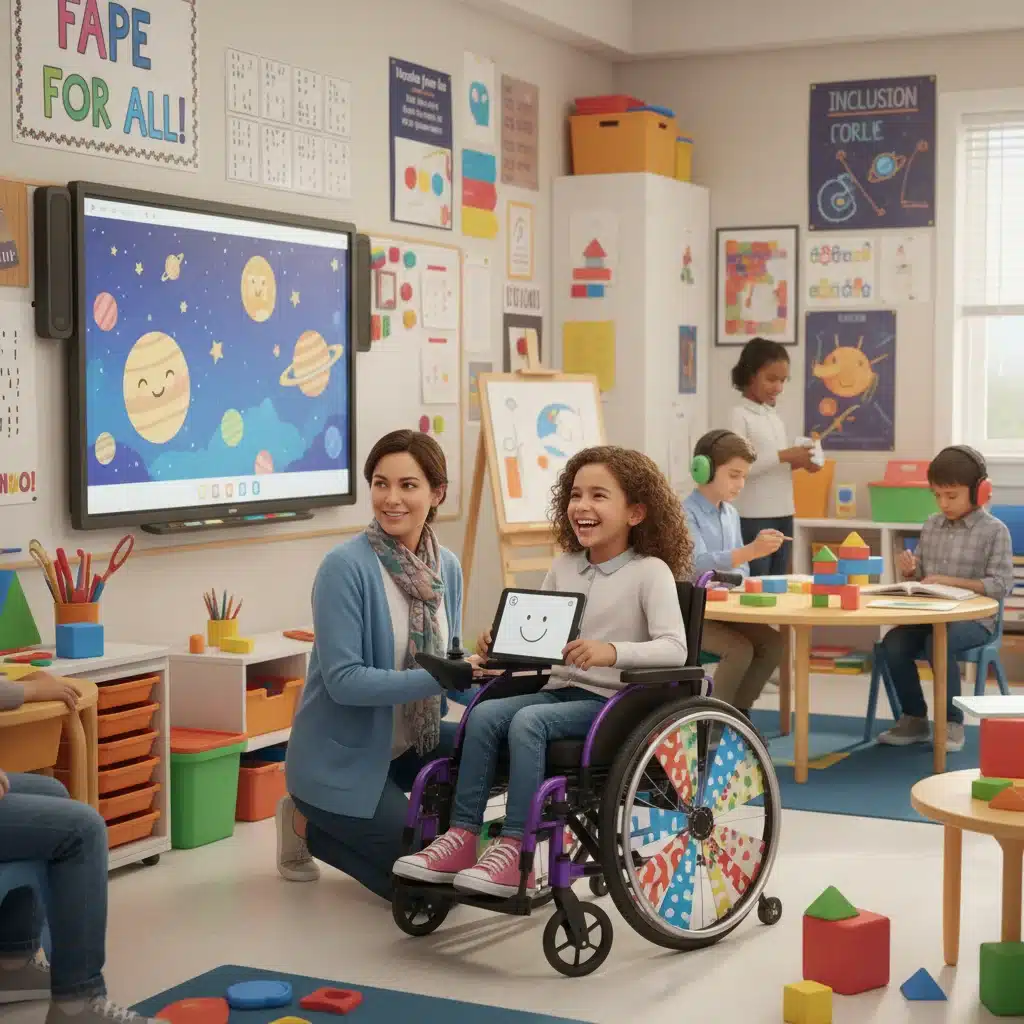
The Broader Implications of the 2026 Amendments for FAPE
Beyond the direct impact on parental rights, the Special Education Law 2026 amendments are expected to have broader implications for the provision of FAPE across the nation. These include:
- Increased Accountability for Schools: With more specific requirements for measurable goals and enhanced parental oversight, schools may face greater accountability in demonstrating student progress and adherence to IEPs.
- Resource Allocation: Implementing the new mandates may require schools and districts to re-evaluate their resource allocation, potentially leading to increased funding for specialized staff, training, and assistive technologies.
- Professional Development for Educators: Educators will likely require extensive professional development to understand and effectively implement the new legal requirements, especially concerning new intervention strategies, mental health support, and transition planning.
- Focus on Early Intervention: There might be a renewed emphasis on early identification and intervention services, recognizing that addressing needs early can significantly improve long-term outcomes and reduce the need for more intensive services later.
- Equity and Inclusion: The amendments aim to further promote equity and inclusion, ensuring that students from all backgrounds and with all types of disabilities receive high-quality education and are fully integrated into school communities.
Ultimately, the goal of the Special Education Law 2026 amendments is to strengthen the educational experience for all students with disabilities, ensuring they receive the support they need to thrive academically, socially, and emotionally.
Challenges and Considerations
While the intent behind the 2026 amendments is positive, their implementation will not be without challenges. These may include:
- Funding: New mandates often require additional funding. Ensuring that schools have the necessary resources to comply with the amendments will be critical.
- Training and Capacity Building: School staff, from administrators to teachers and related service providers, will need comprehensive training to understand and implement the changes effectively.
- Bureaucracy: Any legal changes can introduce additional bureaucratic hurdles. Striking a balance between robust protections and streamlined processes will be important.
- Interpretation and Consistency: Different states and even different school districts may interpret and implement the amendments in varying ways, potentially leading to inconsistencies. Ongoing guidance from the federal government will be crucial.
- Parental Engagement: While the amendments aim to enhance parental rights, ensuring all parents are aware of and able to exercise these rights will require sustained outreach and support.
Addressing these challenges will require ongoing collaboration between federal and state governments, local education agencies, parent advocacy groups, and educators.
Conclusion: Empowering Parents for the Future of Special Education
The Special Education Law 2026 amendments represent a pivotal moment in the ongoing effort to ensure that children with disabilities receive the education they deserve. By focusing on enhanced parental rights, clearer communication, more effective IEPs, and refined dispute resolution mechanisms, these changes aim to foster a more equitable, inclusive, and supportive educational environment.
For parents, these amendments are a call to action. Staying informed, actively participating in the IEP process, and understanding your strengthened rights are paramount. Your voice is a powerful tool in advocating for your child’s needs and ensuring that the promise of FAPE is not just a legal mandate but a lived reality. As we move towards 2026 and beyond, the collective effort of parents, educators, and policymakers will shape a brighter future for special education in the U.S.
Continue to monitor official announcements and engage with advocacy networks to remain at the forefront of these crucial developments. Your active participation is the most effective way to leverage the power of the new Special Education Law 2026 for your child.