Personalized Learning Plans: The Future of Special Needs Education in 2026
Personalized Learning Plans: Why 20% More Schools are Adopting This Approach for Special Needs in 2026
The landscape of education is continuously evolving, and nowhere is this more evident than in the realm of special needs education. For decades, educators have strived to create inclusive and effective learning environments for all students, particularly those with diverse learning needs. In recent years, a powerful pedagogical approach has gained significant traction: personalized learning plans. These plans are not just a trend; they represent a fundamental shift in how we approach education for students with special needs, promising a future where every child can reach their full potential. Projections indicate a remarkable 20% increase in schools adopting personalized learning plans for special needs students by 2026, signaling a widespread recognition of their profound impact.
The traditional ‘one-size-fits-all’ model of education often falls short for students with special needs. Each student possesses a unique set of strengths, challenges, and learning styles. A classroom designed for the ‘average’ student inevitably leaves some behind, especially those who require specific accommodations, differentiated instruction, or alternative assessment methods. This is precisely where personalized learning plans step in, offering a beacon of hope and a pathway to truly equitable education.
This article delves into the core reasons behind this escalating adoption rate. We will explore what personalized learning plans entail, their undeniable benefits for students with special needs, the challenges and solutions in their implementation, and the exciting future they promise for inclusive education. Understanding the intricacies of personalized learning plans is crucial for educators, parents, and policymakers alike, as we collectively work towards a more supportive and effective educational system for every learner.
What Are Personalized Learning Plans?
At its heart, a personalized learning plan (PLP) is an educational framework designed to tailor the learning experience to the individual needs, interests, and aspirations of each student. Unlike a standardized curriculum, a PLP acknowledges that learning is not a linear process and that students come to the classroom with varied backgrounds, readiness levels, and goals. For students with special needs, this customization is not merely beneficial; it’s often essential for academic progress and overall well-being.
While often associated with Individualized Education Programs (IEPs) in the United States, personalized learning plans extend beyond the legal requirements of an IEP. An IEP is a legally binding document outlining specific educational services and goals for students with disabilities. A PLP, while incorporating elements of an IEP, often encompasses a broader, more holistic approach to a student’s learning journey. It considers not only academic goals but also social-emotional development, personal interests, and future aspirations.
Key components of effective personalized learning plans typically include:
- Individualized Goals: Learning objectives are set based on the student’s current abilities and future potential, rather than age or grade level. These goals are often broken down into smaller, achievable steps.
- Flexible Pacing: Students can progress through material at their own speed, spending more time on challenging concepts and moving quickly through areas they have mastered.
- Differentiated Instruction: Teachers employ a variety of teaching methods, materials, and assessments to cater to diverse learning styles and needs. This might include visual aids, hands-on activities, auditory instruction, or assistive technologies.
- Student Agency and Voice: Where appropriate, students are involved in setting their own goals, choosing learning activities, and reflecting on their progress. This fosters ownership and motivation.
- Ongoing Assessment and Feedback: Regular, formative assessments are used to monitor progress and adjust the plan as needed. Feedback is constructive and focused on growth.
- Collaborative Approach: PLPs are developed and implemented through collaboration among teachers, special educators, parents, therapists, and the student themselves.
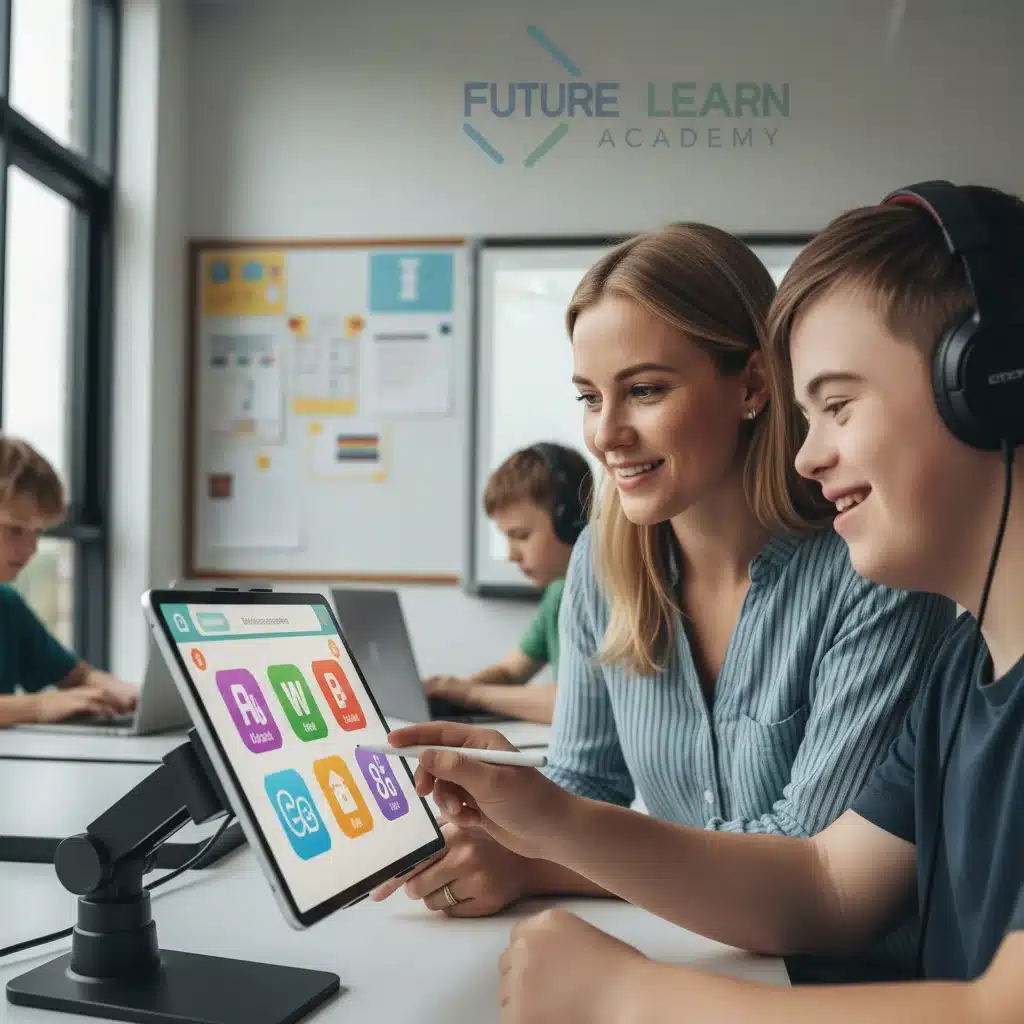
- Technology Integration: Educational technology often plays a crucial role in delivering personalized content, providing adaptive learning experiences, and tracking progress.
The distinction between a PLP and a traditional IEP lies in the breadth and depth of customization. While an IEP focuses on the legal requirements for students with disabilities, a PLP embraces a more comprehensive, student-centered philosophy that can benefit all learners, and is particularly transformative for those with special needs. This holistic perspective is a significant driver behind the increasing adoption of personalized learning plans in schools.
The Undeniable Benefits of Personalized Learning Plans for Special Needs Students
The surge in the adoption of personalized learning plans for special needs students is not arbitrary; it’s driven by a wealth of evidence demonstrating their profound positive impact. These benefits extend beyond academic achievement, touching upon social-emotional development, self-advocacy, and overall quality of life for students with diverse needs.
Enhanced Academic Achievement
One of the most immediate and measurable benefits is the improvement in academic outcomes. When instruction is tailored to a student’s specific learning profile, they are more likely to grasp concepts, retain information, and apply their knowledge effectively. For students with learning disabilities, this might mean access to multisensory learning approaches; for those with cognitive impairments, it could involve simplified language and repetition. Personalized learning plans ensure that students are met where they are, rather than being forced into a curriculum that doesn’t align with their current abilities.
Increased Engagement and Motivation
Students are naturally more engaged when they feel that their learning is relevant and achievable. When personalized learning plans incorporate student interests and allow for flexible pacing, it fosters a sense of ownership and reduces frustration. For special needs students who may have experienced repeated academic struggles, this renewed sense of motivation can be transformative. They become active participants in their education, rather than passive recipients.
Development of Self-Advocacy Skills
A crucial aspect of personalized learning plans is the emphasis on student voice. By involving students in setting goals, choosing resources, and reflecting on their progress, they learn to articulate their needs and preferences. This development of self-advocacy skills is invaluable, empowering students with special needs to communicate effectively about their learning requirements not only in school but also in future academic, professional, and personal settings.
Improved Social-Emotional Well-being
The success experienced through personalized learning plans can significantly boost a student’s self-esteem and confidence. When students feel understood, supported, and capable of learning, their anxiety levels often decrease, and their emotional well-being improves. This positive emotional state creates a more conducive environment for learning and social interaction.
Greater Inclusivity and Belonging
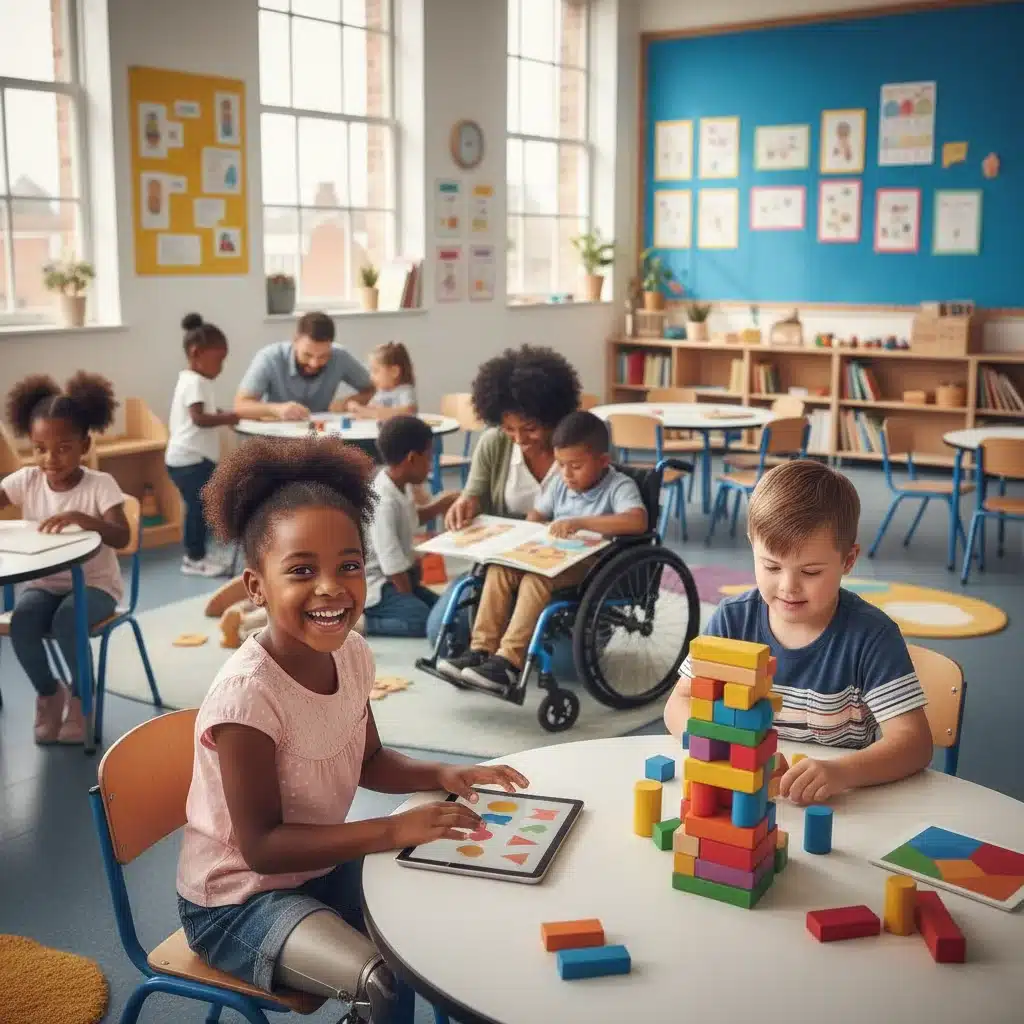
By adapting the learning environment to the student, rather than forcing the student to adapt to a rigid environment, personalized learning plans promote true inclusivity. Special needs students can learn alongside their peers, participating in the same activities but with appropriate modifications and support. This fosters a sense of belonging and reduces the isolation that can sometimes accompany traditional special education models.
The holistic nature of these benefits underscores why personalized learning plans are gaining such widespread acceptance. They offer a pathway to not just academic success, but to the comprehensive development of every child, regardless of their learning differences.
The Implementation Journey: Challenges and Solutions for Personalized Learning Plans
While the benefits of personalized learning plans are compelling, their successful implementation is not without its challenges. Moving from a traditional classroom model to one that is highly individualized requires significant shifts in pedagogy, resources, and mindset. However, with careful planning and strategic solutions, these obstacles can be overcome.
Challenge 1: Teacher Training and Professional Development
Teachers are at the forefront of implementing PLPs. Many educators may not have received extensive training in differentiated instruction, adaptive technologies, or data-driven individualized planning. This can lead to feelings of overwhelm and inadequacy.
Solution: Schools must invest heavily in comprehensive professional development. This includes workshops on various instructional strategies, training on assistive technologies, data analysis for student progress monitoring, and collaborative planning techniques. Ongoing coaching and peer support networks can also be invaluable.
Challenge 2: Resource Allocation and Funding
Creating and maintaining effective personalized learning plans often requires additional resources, including specialized staff (e.g., learning specialists, therapists), adaptive technologies, and smaller class sizes. Funding constraints can be a major barrier.
Solution: Schools can explore grant opportunities, advocate for increased state and federal funding for special education, and strategically reallocate existing resources. Leveraging open-source educational technologies and forming partnerships with community organizations can also help stretch budgets. Prioritizing the most impactful resources first is key.
Challenge 3: Data Management and Progress Monitoring
Effective personalization relies on continuous data collection and analysis to track student progress and adjust plans. Managing this data for multiple students, each with a unique plan, can be complex and time-consuming.
Solution: Implementing robust learning management systems (LMS) and student information systems (SIS) that can track individual progress, store student data securely, and generate reports is crucial. Training teachers on how to efficiently use these tools and interpret data is equally important. Regular, data-driven team meetings can ensure consistent monitoring and adjustments.
Challenge 4: Parental Involvement and Communication
Parents are vital partners in the success of personalized learning plans, especially for students with special needs. However, ensuring consistent and meaningful parental involvement can be challenging due to various factors like language barriers, work schedules, or lack of understanding about the process.
Solution: Establish clear, consistent communication channels with parents. This includes regular meetings, accessible progress reports, and opportunities for parents to provide input. Offering workshops for parents on how to support learning at home and translating materials into multiple languages can also foster greater engagement.
Challenge 5: Shifting Mindsets and Institutional Culture
Moving away from a standardized approach to a personalized one requires a significant cultural shift within a school. This can involve overcoming resistance to change from some staff members or administrators.
Solution: Leadership must champion the vision of personalized learning plans, clearly articulating its benefits and providing unwavering support. Creating a collaborative and innovative school culture where experimentation and continuous improvement are encouraged is essential. Celebrating small successes can also help build momentum and buy-in.
The successful implementation of personalized learning plans is an ongoing journey that requires commitment, flexibility, and a willingness to learn and adapt. However, the transformative impact on students with special needs makes this journey unequivocally worthwhile.
Technology’s Role in Scaling Personalized Learning Plans
The projected 20% increase in the adoption of personalized learning plans by 2026 would be significantly more challenging, if not impossible, without the advancements in educational technology. Technology acts as a powerful enabler, providing tools that make individualization more manageable, efficient, and effective for educators and students alike.
Adaptive Learning Platforms
These platforms are perhaps the most direct technological support for personalized learning plans. Adaptive learning software uses artificial intelligence and machine learning to assess a student’s current knowledge and learning style, then dynamically adjusts the content, pace, and difficulty level of lessons. For special needs students, this means they receive instruction that is perfectly matched to their readiness, providing scaffolding where needed and accelerating when appropriate. This reduces the burden on teachers to manually differentiate every single lesson for every student.
Assistive Technologies
From text-to-speech and speech-to-text software to alternative input devices and communication aids, assistive technologies are indispensable for many special needs students. These tools remove barriers to learning, allowing students to access curriculum content, express themselves, and participate fully in the classroom. Integrating these technologies seamlessly into personalized learning plans ensures that every student has the necessary tools to succeed.
Data Analytics and Progress Monitoring Tools
As discussed earlier, managing the vast amount of data generated by personalized learning can be daunting. Educational technology offers sophisticated data analytics tools that can track student performance across various metrics, identify patterns, and highlight areas where a student might need additional support or challenge. These tools provide teachers with actionable insights, allowing them to make informed decisions and adjust personalized learning plans proactively, rather than reactively.
Digital Content and Resources
The internet provides an unprecedented wealth of diverse educational content, from interactive simulations and videos to digital textbooks and educational games. This allows teachers to easily pull from a wide array of resources to match the specific interests and learning styles outlined in a student’s personalized learning plan. The ability to customize and curate content is a cornerstone of effective individualization.
Communication and Collaboration Platforms
Technology facilitates seamless communication among all stakeholders involved in a student’s personalized learning plan – teachers, parents, therapists, and administrators. Online platforms can host documents, share progress reports, schedule meetings, and provide a central hub for collaborative planning and feedback. This ensures that everyone is on the same page and working towards common goals.
The synergy between personalized learning plans and educational technology is a powerful one. Technology doesn’t replace the human element of teaching, but rather empowers educators to deliver more effective, individualized instruction, making the vision of truly personalized education a scalable reality for students with special needs.
The Future Outlook: Why 2026 Marks a Significant Shift
The projection of a 20% increase in schools adopting personalized learning plans for special needs students by 2026 is not an arbitrary figure; it reflects a confluence of factors that are driving this significant shift in educational philosophy and practice. Several key trends and developments are converging to make 2026 a pivotal year for inclusive education.
Growing Awareness and Research
There is an increasing body of research demonstrating the efficacy of personalized learning plans, particularly for diverse learners. This research provides a strong evidence base that encourages schools and policymakers to invest in these approaches. As awareness grows among parents, educators, and the wider community, the demand for individualized education intensifies.
Policy and Legislative Support
Many educational policies, both at national and local levels, are increasingly emphasizing inclusive practices and individualized instruction. While IEPs have long been a legal mandate, the broader concept of personalized learning plans aligns perfectly with the spirit of laws like the Individuals with Disabilities Education Act (IDEA), pushing for more comprehensive and effective support systems. As these policies evolve, they create a more favorable environment for PLP adoption.
Advancements in Artificial Intelligence and Machine Learning
The rapid advancements in AI and machine learning are making personalized instruction more sophisticated and scalable. Adaptive learning platforms are becoming more intelligent, capable of providing deeper insights into student learning patterns and offering even more precise interventions. This technological leap significantly reduces the logistical burden of individualization, making it more feasible for a larger number of schools.
Post-Pandemic Educational Reassessment
The COVID-19 pandemic forced an unprecedented reevaluation of educational delivery. The challenges of remote learning highlighted the critical need for flexible, adaptable, and individualized approaches, especially for students with special needs who struggled disproportionately. This experience has accelerated the adoption of innovative teaching methods, including personalized learning plans, as schools seek more resilient and effective models.
Demand for Equity and Inclusivity
There is a growing societal demand for educational equity and true inclusivity. Parents, advocacy groups, and communities are increasingly vocal about the need for educational systems that genuinely serve all students, regardless of their abilities. This advocacy creates pressure on school systems to implement practices like personalized learning plans that are proven to foster equitable outcomes.
Shifting Educator Mindsets
A new generation of educators is entering the field, often with a greater understanding and appreciation for differentiated instruction and student-centered approaches. Furthermore, experienced educators are increasingly open to adopting new methodologies that promise better outcomes for their students. This evolving professional landscape is conducive to the wider acceptance and implementation of personalized learning plans.
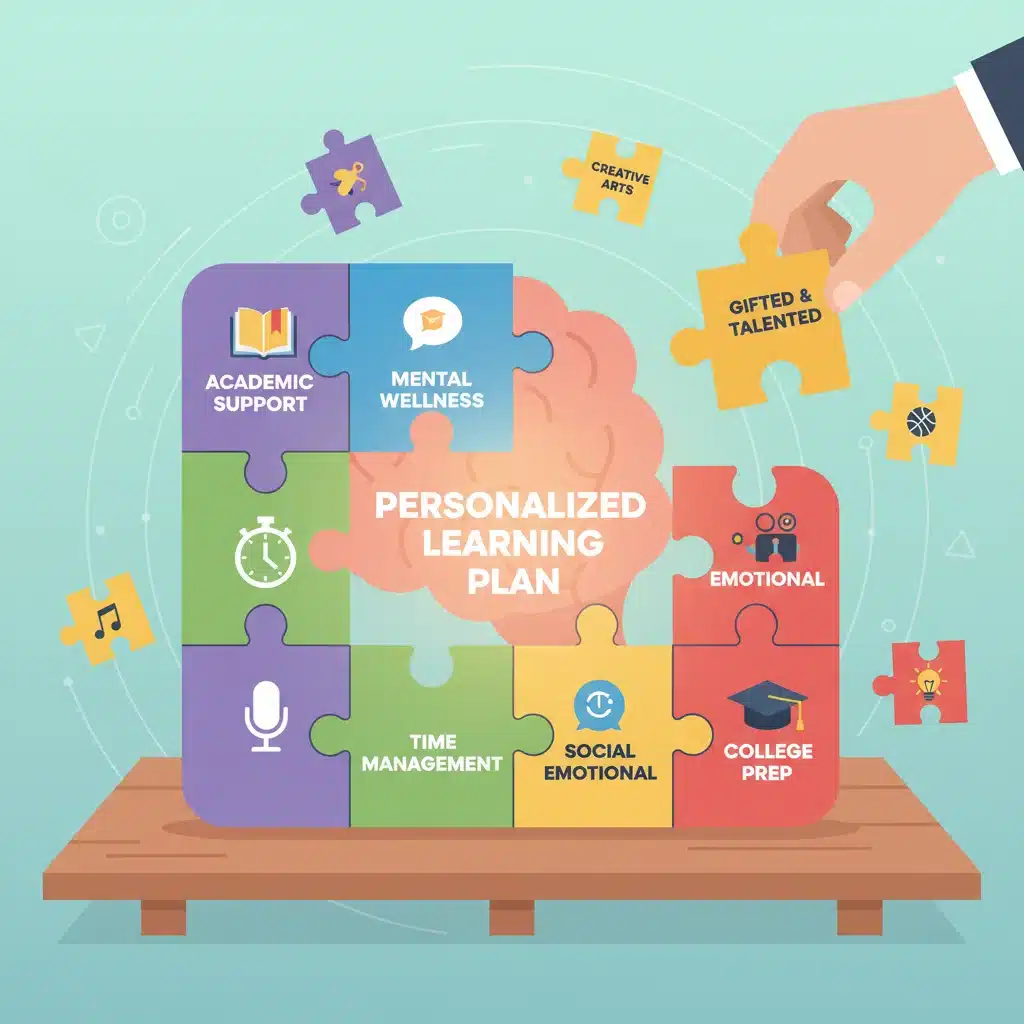
The combination of these powerful forces creates a strong impetus for the projected growth in personalized learning plans adoption. By 2026, it is anticipated that these plans will be a cornerstone of special needs education, fundamentally reshaping how we support and empower every learner.
Crafting Effective Personalized Learning Plans: Best Practices
The success of personalized learning plans hinges on their thoughtful design and diligent implementation. Merely having a plan is not enough; it must be a living document that genuinely guides and supports the student’s learning journey. Here are some best practices for crafting truly effective PLPs:
1. Start with Comprehensive Assessment
Before any plan can be developed, a thorough understanding of the student’s current strengths, areas for growth, learning preferences, interests, and aspirations is essential. This includes formal assessments, informal observations, interviews with the student and family, and input from previous educators or therapists. The more complete the picture, the more targeted the personalized learning plan can be.
2. Set SMART Goals
Goals within the personalized learning plan should be Specific, Measurable, Achievable, Relevant, and Time-bound (SMART). Vague goals make it difficult to track progress and celebrate achievements. For example, instead of ‘improve reading,’ a SMART goal might be ‘Student X will independently read a grade-level passage with 90% accuracy in 10 minutes by the end of the semester.’
3. Involve the Student and Family
The student, to the extent capable, should be an active participant in the planning process. Their voice, preferences, and goals are crucial. Families also provide invaluable insights into the child’s life outside of school and can offer critical support. A collaborative approach fosters buy-in and ensures the personalized learning plan is holistic and realistic.
4. Differentiate Instruction and Resources
The PLP should clearly outline how instruction will be differentiated. This includes specifying teaching strategies, materials, technological tools, accommodations, and modifications. It’s not just about what the student will learn, but how they will learn it. Providing a variety of resources caters to different learning styles and keeps students engaged.
5. Embed Ongoing Formative Assessment
Regular, low-stakes assessments are vital for monitoring progress and making timely adjustments. These can include observations, checklists, short quizzes, student self-assessments, and work samples. The data gathered from these assessments should directly inform revisions to the personalized learning plan, ensuring it remains responsive to the student’s evolving needs.
6. Foster a Growth Mindset
Both educators and students should approach the personalized learning plan with a growth mindset, believing that abilities can be developed through dedication and hard work. Emphasize effort, progress, and learning from mistakes. Celebrate small victories to build confidence and resilience.
7. Ensure Flexibility and Regular Review
A personalized learning plan is not a static document. It should be reviewed and updated regularly – quarterly, semi-annually, or as needed. Student needs change, and the plan must evolve with them. This flexibility ensures that the plan remains relevant and effective throughout the student’s educational journey.
8. Facilitate Collaboration Among Professionals
For students with special needs, a team of professionals – special educators, general education teachers, therapists, counselors – often supports their learning. Effective PLPs require seamless communication and collaboration among all these individuals to ensure a cohesive and consistent approach.
By adhering to these best practices, schools can maximize the potential of personalized learning plans, transforming them from administrative requirements into powerful tools for student success and empowerment.
Conclusion: Embracing the Future of Inclusive Education with Personalized Learning Plans
The trajectory towards a 20% increase in schools adopting personalized learning plans for special needs students by 2026 is a testament to a profound and positive transformation in education. It signifies a collective recognition that every student, regardless of their challenges, deserves an educational experience that is tailored to their unique potential.
We have explored how personalized learning plans move beyond the traditional, offering a holistic framework that encompasses individualized goals, flexible pacing, differentiated instruction, and student agency. The benefits are clear and far-reaching: enhanced academic achievement, increased engagement, the development of crucial self-advocacy skills, improved social-emotional well-being, and a stronger sense of belonging for students with special needs.
While the implementation journey presents its share of challenges – from teacher training and resource allocation to data management and cultural shifts – these obstacles are surmountable with strategic planning, dedicated professional development, and the intelligent integration of technology. Indeed, advancements in adaptive learning platforms, assistive technologies, and data analytics are proving to be invaluable in scaling and refining these individualized approaches.
The confluence of growing research, supportive policies, technological innovation, and a societal demand for equity is propelling personalized learning plans to the forefront of special needs education. By 2026, these plans are poised to become an indispensable component of an inclusive educational system, ensuring that every learner is not just accommodated, but truly empowered to thrive.
For educators, parents, and policymakers, the call to action is clear: embrace the philosophy and practice of personalized learning plans. By investing in the necessary resources, professional development, and collaborative frameworks, we can collectively build a future where education is truly personalized, equitable, and effective for all students, particularly those who benefit most from a tailored approach. The journey towards a more inclusive and empowering educational landscape is well underway, and personalized learning plans are leading the charge.